
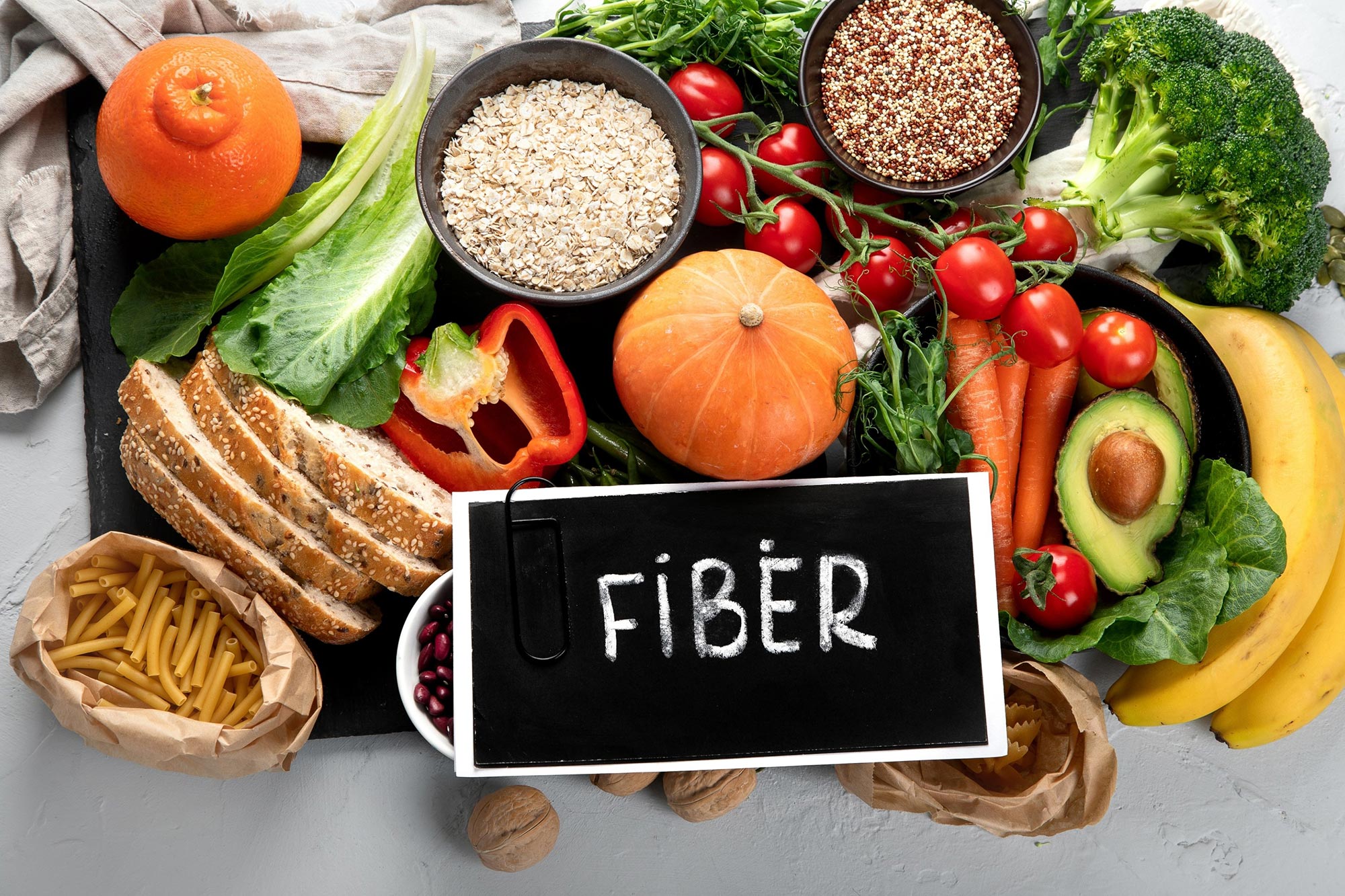
Fiber is key to gut health and overall wellness, yet many diets lack sufficient fiber. Balance and variety in fiber sources are important for its full health benefits.
There’s no shortage of advice about what to eat, including hype about the latest superfoods that will help you live to 100, or about the newest restrictive diets that claim to help you lose weight and look beautiful. As a researcher from the Farncombe Family Digestive Health Research Institute, I’m well aware that there is no universal “healthy diet” that will work for everyone.
However, most professionals would agree that a diet should be well balanced between the food groups, and it’s better to include more things like vegetables and fermented foods in your diet than restrict yourself unnecessarily. Eating foods that promote gut health improves your overall health too.
Why is everyone so concerned about fiber?
The importance of fiber has been known for decades. The late great surgeon and fiber researcher Denis Burkitt once said, “If you pass small stools, you have to have large hospitals.” But dietary fiber does more than just help move your bowels. Fiber can be considered a prebiotic nutrient.
Prebiotics aren’t actively digested and absorbed, rather they are selectively used to promote the growth of a beneficial species of microbes in our gut. These microbes then help digest foods for us so we can obtain more nutrients, promote gut barrier integrity, and prevent the growth of harmful bacteria.
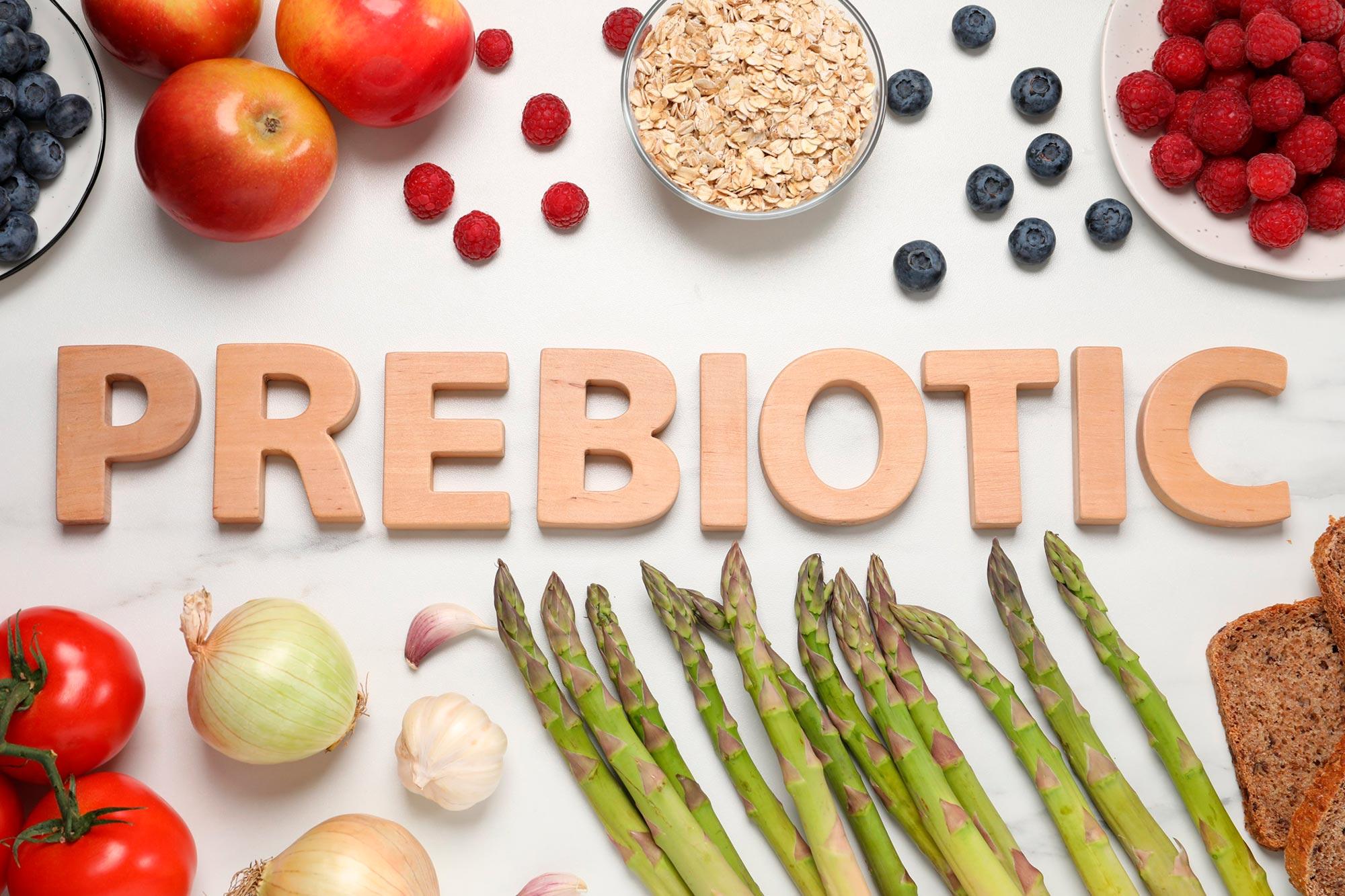
Fibers can also have microbe-independent effects on our immune system when they interact directly with receptors expressed by our cells. These beneficial effects may even help teach the immune system to be more tolerant and reduce inflammation.
Getting enough dietary fiber?
Probably not. The so-called western diet is low in fiber and filled with ultra-processed foods. The recommendation for daily fiber is between 25-38 grams depending on factors like age, sex and activity level. Most people consume about half of the recommendation, and it can negatively affect overall health.
Good sources of dietary fiber include whole grains, fruits and vegetables, beans and legumes, and nuts and seeds. There is a lot of emphasis on soluble fibers and less on insoluble fibers, but in reality, most foods will contain a mixture of both, and they each have their merits.
High fiber snacks are also gaining popularity. With an estimated global value of US$7 billion in 2022, the value of the prebiotic ingredient market is expected to triple by 2032.
The benefits of dietary fiber
There’s plenty of evidence supporting the benefits of dietary fiber. Fiber isn’t just associated with colon health; it’s associated with overall health and brain health through the gut-brain axis. Diets low in fiber have been associated with gastrointestinal disorders such as irritable bowel syndrome or inflammatory bowel disease.

On the other hand, consuming adequate fiber also reduces the risk and mortality associated with cardiovascular diseases and obesity. There are studies that show improvements of cognitive function with certain types of fiber.
There are some gastrointestinal diseases, like Celiac disease, which are not typically associated with the benefits of dietary fiber. However, there isn’t a consensus to the specific type of fiber and dose that would be beneficial in treating most diseases.
Not all fiber is good fiber
Shockingly, not all fiber is good for you. Fiber is used as an umbrella term for indigestible plant polysaccharides, so there are many different types with varying fermentability, solubility and viscosity in the gut.
To make things more complex, the source matters too. Fiber from one plant isn’t the same as fiber from another plant. Additionally, the old proverb, “too much good is not good” rings true, where overconsumption of fiber supplements can cause symptoms such as constipation, bloating and gas. This is partly due to the differences in gut microbiomes that affect the ability to metabolize fiber to produce beneficial molecules like short-chain fatty acids.
In some cases, such as inflammatory bowel disease patients, lack of microbes with the capacity to digest fiber may allow intact fibers to interact with intestinal cells directly and exert pro-inflammatory effects. Recent evidence has even shown that excessively high consumption of soluble fibers, such as inulin, a common supplement, can increase the risk of colon cancer development in an experimental animal model.
Part of a healthy diet
Dietary fiber is an important part of a healthy diet that can promote both gut and overall health. Fiber helps you feel more satisfied after meals and helps to regulate your blood sugar and cholesterol. Do your best to consume fiber as part of your diet, and when needed, take only the dose of supplements as recommended.
Prebiotics promote the growth of gut microbes that can affect gut health and immunity in the context of many different diseases, although not all fibers are created equal. While fiber won’t cure illness, diet is a great addition to medicines and treatment strategies that can improve their efficacy.
Written by Mark Wulczynski, Medical Sciences PhD Candidate, McMaster University.
Adapted from an article originally published in The Conversation.
Never miss a breakthrough: Join the SciTechDaily newsletter.
Follow us on Google and Google News.