
Close Menu
    Facebook X (Twitter) Instagram
    SciTechDaily
    • Biology
    • Chemistry
    • Earth
    • Health
    • Physics
    • Science
    • Space
    • Technology
    Facebook X (Twitter) Pinterest YouTube RSS
    SciTechDaily
    Home»Health»Sleep Deprivation Impairs Stem Cells in the Cornea – Possibly Leading to Vision Impairment
    Health

    Sleep Deprivation Impairs Stem Cells in the Cornea – Possibly Leading to Vision Impairment

    By International Society for Stem Cell ResearchMay 3, 2022No Comments3 Mins Read
    Facebook Twitter Pinterest Telegram LinkedIn WhatsApp Email Reddit
    Share
    Facebook Twitter LinkedIn Pinterest Telegram Email Reddit
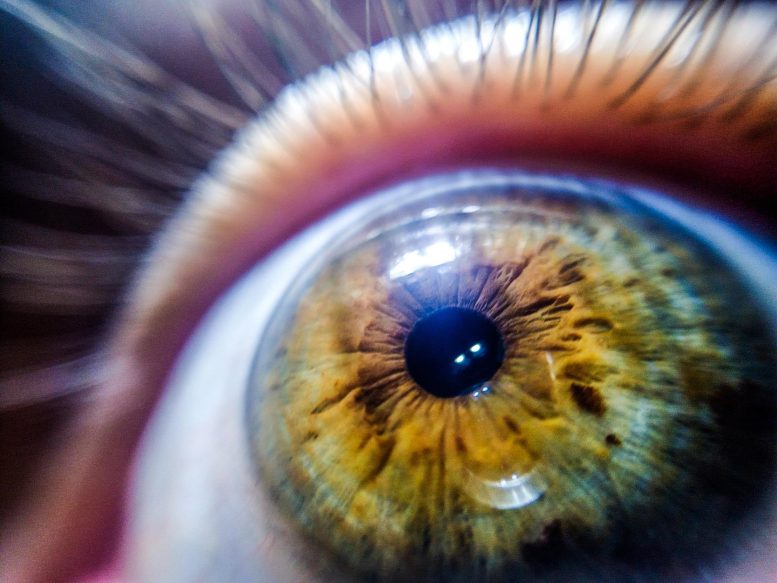
    Close Up of Human Eye
    After episodes of sleep deprivation, eye problems such as dryness and itching are common. Long-term sleep deprivation can increased the risk for eye disease.

    Sleep deprivation negatively impacts eye health, particularly the cornea.

    Sleep deprivation, which means getting too little high-quality sleep, is a serious health problem. More than one-third of Americans report sleeping less than the suggested minimum of seven hours every night. Sleep deprivation has negative impacts on mental and physical health. Eye problems such as dryness and itching are commonly experienced after episodes of sleep deprivation, while long-term sleep deprivation comes with an increased risk for eye disease.

    The cornea is the transparent front part of the eye that covers the iris, pupil, and anterior chamber. Along with the anterior chamber and lens, the cornea refracts light, accounting for approximately two-thirds of the eye’s total optical power. LASIK and other surgical techniques can reshape the cornea.

    The cornea, which is the transparent tissue layer covering the eye, is essential for assuring health and function of the eye. The cornea is maintained by stem cells, which divide to replace dying cells and to repair small injuries. Corneal stem cell activity needs to be precisely tuned to assure an adequate output of new corneal cells, and dysregulation of corneal stem cells can lead to eye disease and impaired vision.

    In a research study published on April 28, 2022, in Stem Cell Reports, researchers Wei Li, Zugou Liu, and colleagues from Xiamen University, China, and Harvard Medical School, USA, evaluated how sleep deprivation impacts corneal stem cells. Their experiments in mice showed that short-term sleep deprivation increased the rate at which stem cells in the cornea multiplied. At the same time, sleep deprivation altered the composition of the protective tear film, reducing the tear film antioxidants in sleep-deprived mice. The researchers found that the tear film composition had a direct impact on corneal stem cell activity and, encouragingly, application of eye drops containing antioxidants reversed the excessive stem cell activity.
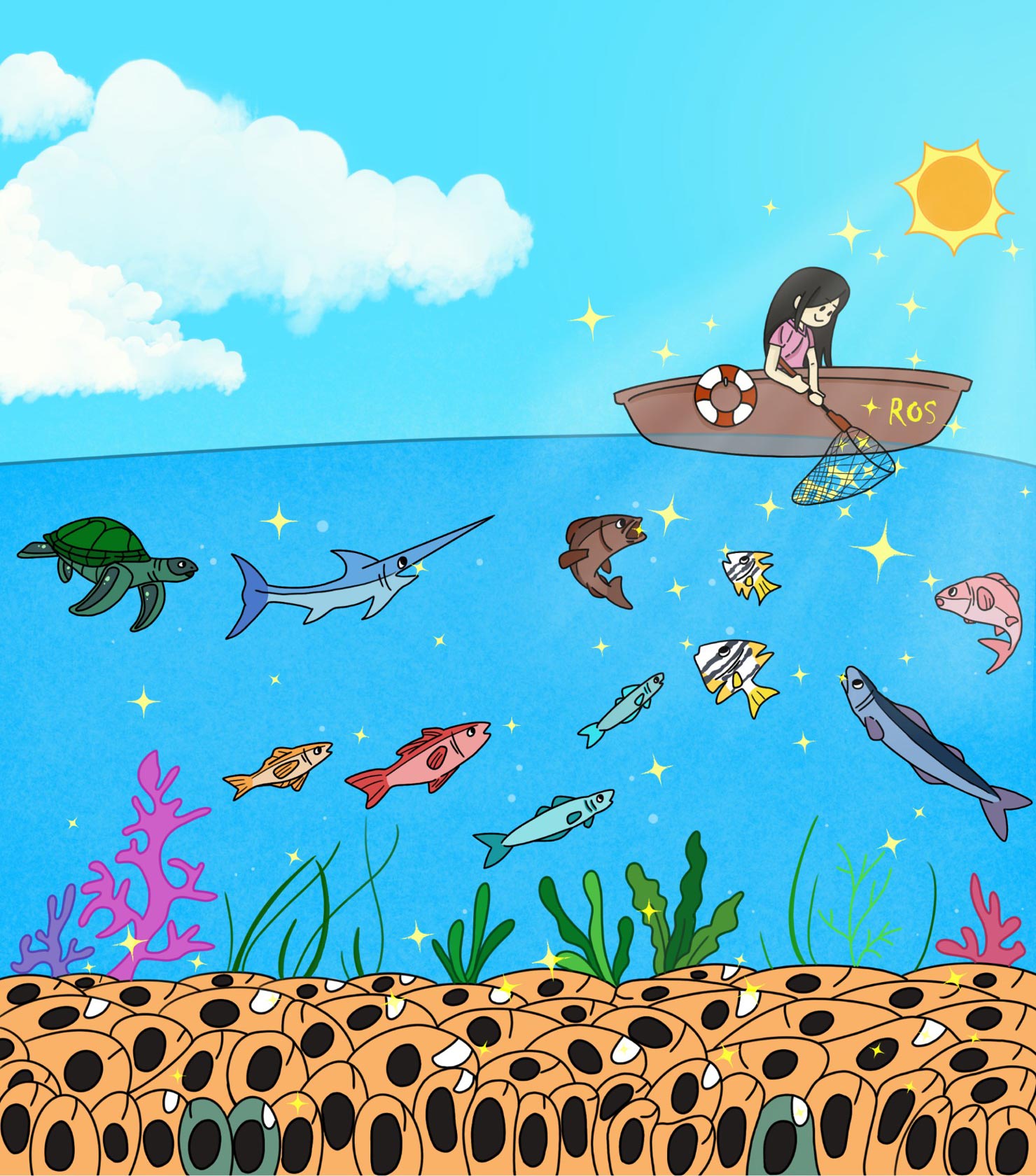
    Macroenvironment of Sea
    The microenvironment of the tear film is just like the macroenvironment of the sea. It protects the corneal basal epithelial stem cells from overexposing to environmental Reactive Oxygen Species (ROS). There are many antioxidants present in the tear film, like the diversity of marine creatures. Even a short period of sleep deprivation will disrupt the balance of the redox homeostasis in the tear film, thus affecting the behavior of underneath corneal epithelial stem cells. Credit: Illustration by Yuehang Li

    Long-Term Sleep Deprivation and Corneal Damage

    The study revealed that serious effects on corneal health, such as thinning and ruffling of the cornea and loss of transparency, were seen after long-term sleep deprivation. Further, corneas of long-term sleep-deprived mice contained fewer stem cells, suggesting that persistent stimulation of stem cell activity over longer periods led to exhaustion and loss of corneal stem cells.

    These data suggest that sleep deprivation negatively affects the stem cells in the cornea, possibly leading to vision impairment in the long run. Further studies are required to confirm that similar processes are happening in human corneal stem cells and in patients, and to test if local antioxidant therapy may overcome some of the negative effects of sleep deprivation on corneal health.

    Reference: “Sleep deprivation induces corneal epithelial progenitor cell over-expansion through disruption of redox homeostasis in the tear film” by Sanming Li, Liying Tang, Jing Zhou, Sonia Anchouche, Dian Li, Yiran Yang, Zhaolin Liu, Jieli Wu, Jiaoyue Hu, Yueping Zhou, Jia Yin, Zuguo Liu and Wei Li, 28 April 2022, Stem Cell Reports.
    DOI: 10.1016/j.stemcr.2022.03.017

    Never miss a breakthrough: Join the SciTechDaily newsletter.
    Follow us on Google and Google News.

    Eyes Sleep Science Stem Cells Vision
    Share. Facebook Twitter Pinterest LinkedIn Email Reddit

    Related Articles

    Blind No More? Revolutionary Stem Cell Therapy Restores Vision With 92% Success

    Breakthrough Stem Cell Therapy Could Restore Vision for AMD Patients

    Scientists Unveil Safer Way To Treat Inflammatory Eye Diseases

    Could a CPAP Machine Save Your Sight? Sleep Apnea May Fuel Macular Degeneration

    Better Diagnosis and Treatment: Genetic Clues to Age-Related Macular Degeneration

    Life After Death for the Human Eye: Reviving Light-Sensing Cells

    FDA-Approved Drug May Help Revive Vision in People With Progressive Blinding Disorders

    Proteins and Inflammation: Breakthrough Into Leading Cause of Blindness

    New Way to Regrow Human Corneas Could Help Overcome a Major Cause of Blindness

    Leave A Reply Cancel Reply

    • Facebook
    • Twitter
    • Pinterest
    • YouTube

    Don't Miss a Discovery

    Subscribe for the Latest in Science & Tech!

    Trending News

    Scientists Discover 132-Million-Year-Old Dinosaur Tracks on South Africa’s Coast

    Scientists Uncover the Secret Ingredient Behind the Spark That May Have Started Life on Earth

    Physicists Observe Matter in Two Places at Once in Mind-Bending Quantum Experiment

    Stanford Scientists Discover Hidden Brain Circuit That Fuels Chronic Pain

    New Study Reveals Why Ozempic Works Better for Some People Than Others

    Climate Change Is Altering a Key Greenhouse Gas in a Way Scientists Didn’t Expect

    New Study Suggests Gravitational Waves May Have Created Dark Matter

    Scientists Discover Why the Brain Gets Stuck in Schizophrenia

    Follow SciTechDaily
    • Facebook
    • Twitter
    • YouTube
    • Pinterest
    • Newsletter
    • RSS
    SciTech News
    • Biology News
    • Chemistry News
    • Earth News
    • Health News
    • Physics News
    • Science News
    • Space News
    • Technology News
    Recent Posts
    • 320 Light-Years Away, a Planet Confirms a Fundamental Cosmic Assumption
    • Astronomers Solve Decades-Long Mystery About Saturn’s Spin – “Something Strange Was Happening”
    • Scientists Uncover Strange New State of Matter Inside Uranus and Neptune
    • The Crown Jewel of Dentistry? Breakthrough Tech Could Transform Tooth Repair
    • The Surprising Non-Medical Factor That Determines Cancer Survival
    Copyright © 1998 - 2026 SciTechDaily. All Rights Reserved.
    • Science News
    • About
    • Contact
    • Editorial Board
    • Privacy Policy
    • Terms of Use

    Type above and press Enter to search. Press Esc to cancel.