
Close Menu
    Facebook X (Twitter) Instagram
    SciTechDaily
    • Biology
    • Chemistry
    • Earth
    • Health
    • Physics
    • Science
    • Space
    • Technology
    Facebook X (Twitter) Pinterest YouTube RSS
    SciTechDaily
    Home»Biology»New Drug CD47 Could Potentially Shrink and Cure All Tumors
    Biology

    New Drug CD47 Could Potentially Shrink and Cure All Tumors

    By SciTechDailyMay 3, 20123 Comments3 Mins Read
    Facebook Twitter Pinterest Telegram LinkedIn WhatsApp Email Reddit
    Share
    Facebook Twitter LinkedIn Pinterest Telegram Email Reddit

    cd47-cancer-antibody-drug

    New research indicates that there could be a single drug that could shrink or cure all types of cancer, whether it’s breast, ovary, colon, bladder, brain, or liver. The treatment uses an antibody that blocks the ‘do not eat’ signal that’s usually displayed on tumor cells and coaxes the immune system to destroy cancer cells.

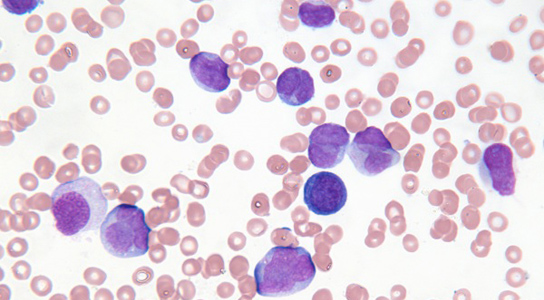
    Leukemia cells produce higher levels of the CD47 protein than healthy cells. It’s a marker that will block the immune system from destroying healthy blood cells. Cancers take advantage of this by using it to trick the immune system into ignoring them.

    mouse-test
    The new drug CD47 shows promise in potentially shrinking and curing all tumors, even after the tumor has taken hold.

    CD47 is found on every human primary tumor that the team has tested. The researchers transplanted human tumors into mice. Once the rodents were treated with anti-CD47, the tumors shrank and did not spread.

    They showed that even after the tumor had taken hold, the antibody could cure or slow the growth of the tumor. The findings were published in the journal the Proceedings of the National Academy of Sciences.
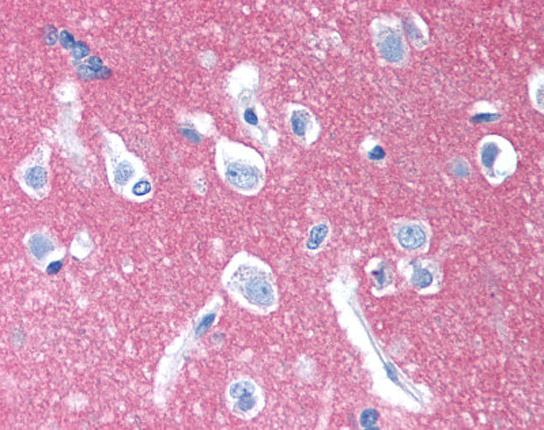
    cd47-up-close

    More research is needed to see whether this antibody will work on humans the same way. The researchers also need to find out how the CD47 antibodies would mesh with existing treatments. It’s possible that it wouldn’t work well in patients using chemotherapy, since it causes normal cells to produce more CD47.

    The research team has received a grant of $20 million from the California Institute for Regenerative Medicine to move their drug into human trials.

    Reference: “The CD47-signal regulatory protein alpha (SIRPa) interaction is a therapeutic target for human solid tumors” by Stephen B. Willingham, Jens-Peter Volkmer, Andrew J. Gentles, +40 , Debashis Sahoo, Piero Dalerba, Siddhartha S. Mitra, Jian Wang, Humberto Contreras-Trujillo, Robin Martin, Justin D. Cohen, Patricia Lovelace, Ferenc A. Scheeren, Mark P. Chao, Kipp Weiskopf, Chad Tang, Anne Kathrin Volkmer, Tejaswitha J. Naik, Theresa A. Storm, Adriane R. Mosley, Badreddin Edris, Seraina M. Schmid, Chris K. Sun, Mei-Sze Chua, Oihana Murillo, Pradeep Rajendran, Adriel C. Cha, Robert K. Chin, Dongkyoon Kim, Maddalena Adorno, Tal Raveh, Diane Tseng, Siddhartha Jaiswal, Per Øyvind Enger, Gary K. Steinberg, Gordon Li, Samuel K. So, Ravindra Majeti, Griffith R. Harsh, Matt van de Rijn, Nelson N. H. Teng, John B. Sunwoo, Ash A. Alizadeh, Michael F. Clarke and Irving L. Weissman, 26 March 2012, Proceedings of the National Academy of Sciences.
    DOI: 10.1073/pnas.1121623109

    Never miss a breakthrough: Join the SciTechDaily newsletter.
    Follow us on Google and Google News.

    Cancer CD47 Disease Medicine Treatment Tumor
    Share. Facebook Twitter Pinterest LinkedIn Email Reddit

    Related Articles

    Yale Research Provides New Clues to How Cancer Cells Spread

    Two-Pronged Immune Response Destroys Tumors

    Magnets Used to Eradicate Cancer Cells

    Cataloging Studies of Lung Cancer Will Help Boost Effectiveness of Targeted Therapies

    For the First Time, Cancer Stem Cells Tracked, May Inform Treatment Strategies

    Genomic Analysis of Colon Cancer Reveals New Potential Drug Targets

    Proteins in a Cancerous Tumor’s Microenvironment Have Role in Drug Resistance

    Nucleic Acid Nanoparticles to Target Genes that Promote Tumor Growth

    A Potential Therapeutic Target for Treating Pulmonary Fibrosis

    3 Comments

    1. Raymond Ogbole on July 3, 2014 6:04 pm

      Am interested in human trial; how can I participate in this project. Can I have access to the CD47 antibody drug?

      Reply
    2. Dirky on June 14, 2015 7:10 pm

      What’s the latest with Anti-CD47 technology?
      Where’s the clinical trials?

      Reply
    3. pat shellabarger on October 11, 2018 3:43 pm

      would like to know about cd47, will it help pancreatic cancer?

      Reply
    Leave A Reply Cancel Reply

    • Facebook
    • Twitter
    • Pinterest
    • YouTube

    Don't Miss a Discovery

    Subscribe for the Latest in Science & Tech!

    Trending News

    Fossilized Vomit Reveals a Surprising Secret About Plesiosaur Behavior

    Scientists Put Anti-Aging Treatments to the Test – These Ones Actually Changed Biological Age

    Vitamin C Supplements Tied to Fewer Deaths in Blood Disorder Trial

    Scientists Hunt for Tiny Black Holes Hidden in LHC Collisions

    More Men Are Getting MRI Before Prostate Biopsy, but a Major Gap Remains

    Where Does Fat Go When You Lose Weight? The Answer May Surprise You

    Stanford Researchers Discover That the Human Brain May Be Two Separate Organs Fused Together

    Scientists Say This Simple Habit Could Help Protect Your Brain for Life

    Follow SciTechDaily
    • Facebook
    • Twitter
    • YouTube
    • Pinterest
    • Newsletter
    • RSS
    SciTech News
    • Biology News
    • Chemistry News
    • Earth News
    • Health News
    • Physics News
    • Science News
    • Space News
    • Technology News
    Recent Posts
    • Scientists Capture a Fundamental Energy-Transfer Reaction in Remarkable Detail
    • Researchers Borrow Chipmaking Technology To Build Better EV Batteries
    • Scientists Just Built the World’s Most Accurate Clock
    • Scientists Find Signs of Brain Aging Decades Before Cognitive Symptoms
    • Experimental Drug Reverses Paralysis and Vision Loss in MS-Like Disease
    Copyright © 1998 - 2026 SciTechDaily. All Rights Reserved.
    • Science News
    • About
    • Contact
    • Editorial Board
    • Privacy Policy
    • Terms of Use

    Type above and press Enter to search. Press Esc to cancel.