
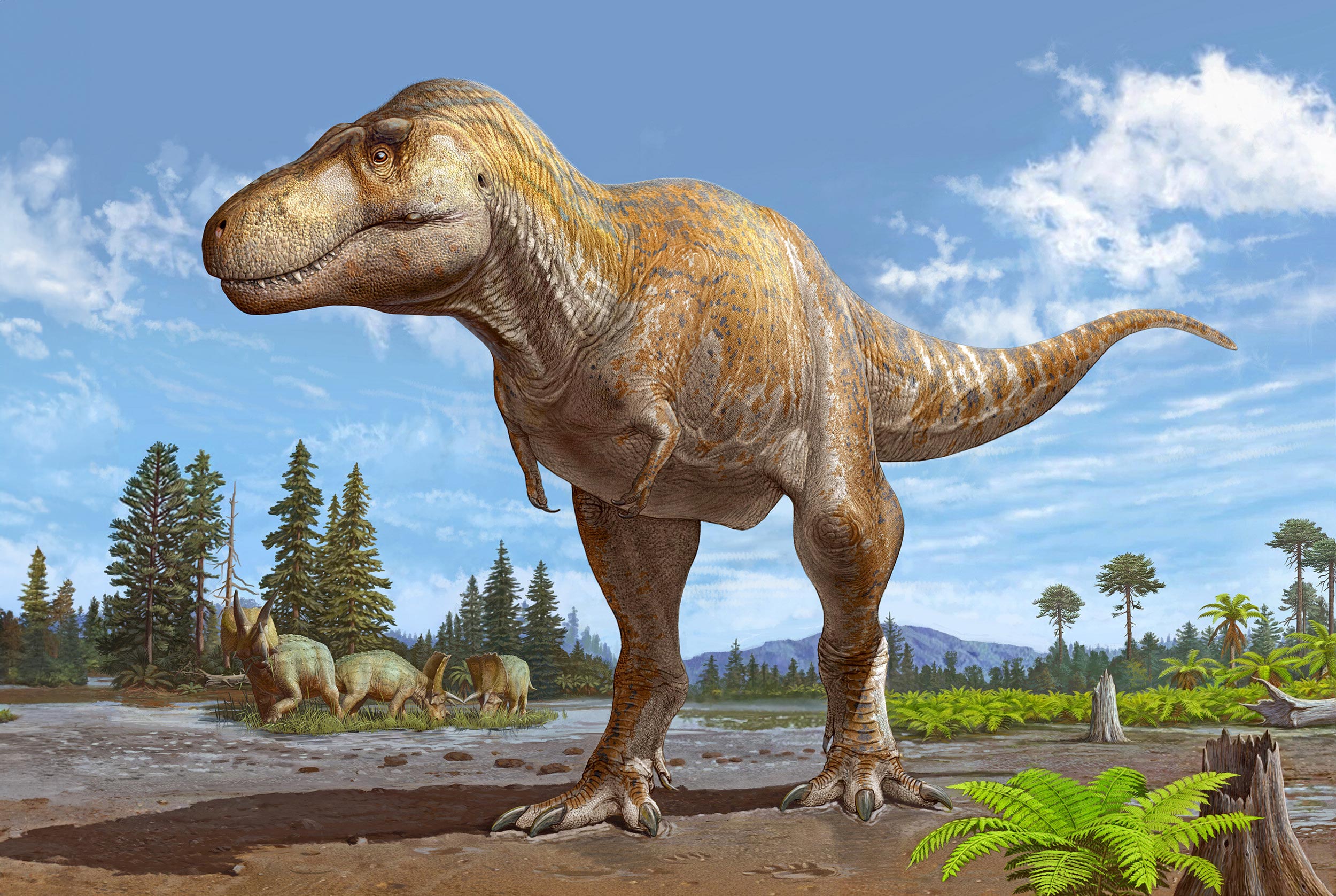
Restudy of fossils collected in New Mexico digs up key clues about T. rex’s origins in North America.
A new study published in Scientific Reports reshapes our understanding of how the most famous dinosaur to ever walk the earth – Tyrannosaurus rex – first arrived in North America by introducing its earliest known relative on the continent.
The study identifies a newly discovered subspecies of tyrannosaur known as Tyrannosaurus mcraeensis. The newly discovered predator is older and more primitive than its better-known cousin, but just as large – roughly the size of a double-decker bus.
Discovery From New Mexico
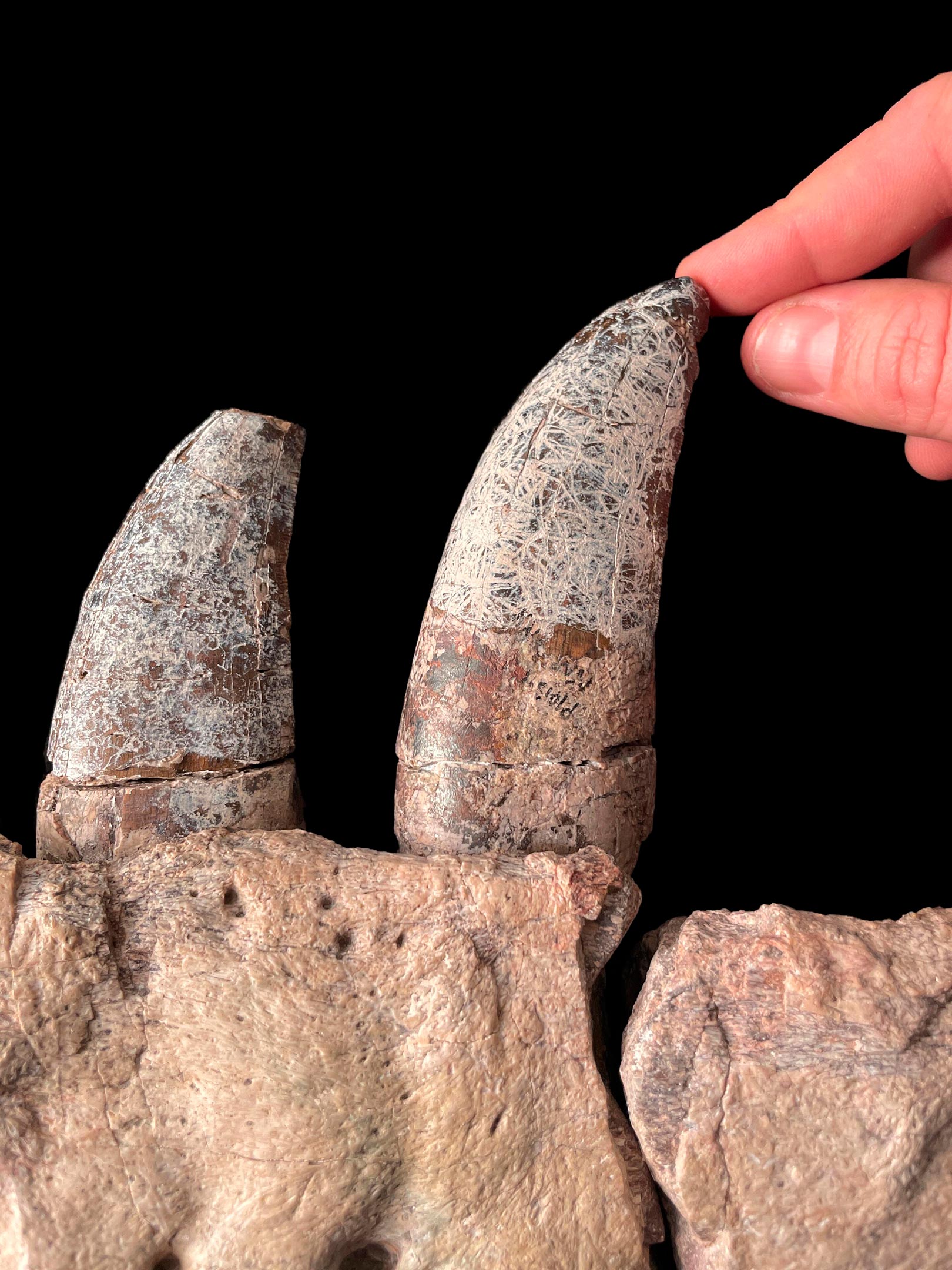
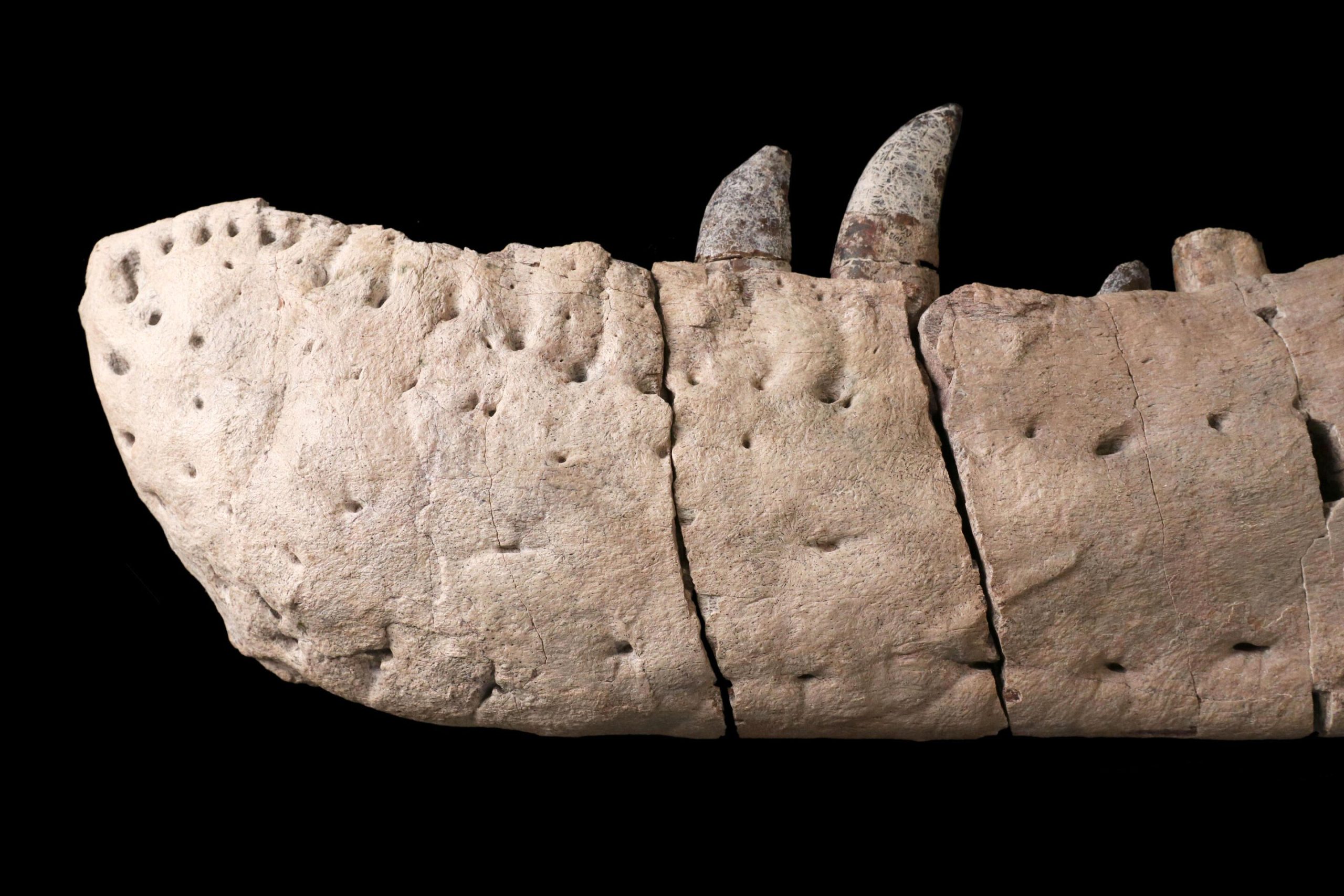
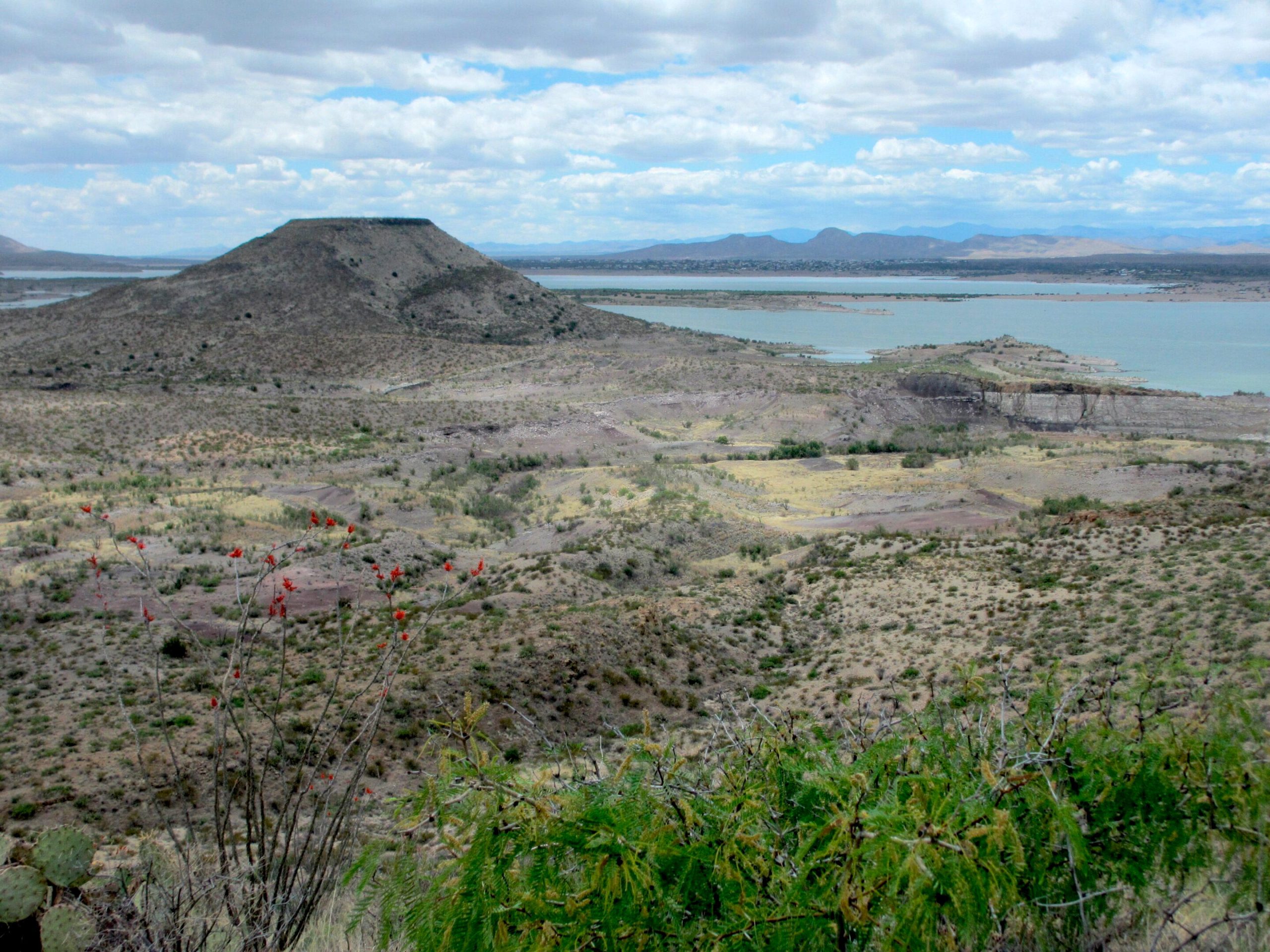
The study was based on a partial skull collected years ago from western New Mexico, currently on display at the New Mexico Museum of Natural History & Science (NMMNHS), which shows that Tyrannosaurus was in North America millions of years before paleontologists previously thought.
Contributing authors on the study include researchers from the University of Bath (UK), NMMNHS, University of Utah, The George Washington University, Harrisburg University, Penn State Lehigh Valley, and the University of Alberta.
“New Mexicans have always known our state is special, now we know that New Mexico has been a special place for tens of millions of years,” Dr. Fiorillo, Executive Director of NMMNHS said. “This study delivers on the mission of this museum through the science-based investigation of the history of life on our planet.”
Rethinking T. rex’s Evolutionary Journey
Tyrannosaurus rex, perhaps the largest and most dangerous terrestrial predator of all time, suddenly appeared in North America around 66 million years ago. But with no close relatives in North America, how it arrived and evolved on the continent remains a mystery.
When then-student Sebastian Dalman began a restudy of a horned dinosaur from the same fauna, it forced a broader rethink of the dinosaurs from western New Mexico.
“I started working on this project in 2013 with co-author Steve Jasinski and soon we started to suspect we were on to something new,” Dalman said.
Uncovering Subtle Differences
A team of scientists from Bath (UK), USA and Canada was assembled to study the animal, going through the skeleton bone by bone. In each case, they found subtle differences between the specimen and the dozens of T. rex skeletons that had been found before.
Because T. rex is so well-known, it became possible to show the New Mexico tyrannosaur was something new.
“The differences are subtle, but that’s typically the case in closely related species. Evolution slowly causes mutations to build up over millions of years, causing species to look subtly different over time,” said Dr. Nick Longrich, a co-author from the Milner Centre for Evolution at the University of Bath.
Tyrannosaurus mcraeensis: A New Species
The newly discovered Tyrannosaurus mcraeensis was roughly the same size as a T. rex, which measured up to 40 feet (12 meters) long and 12 feet (3.6 meters) high. Like its famous relative, Tyrannosaurus mcraeensis ate meat. While the new discovery predates T. rex, the paper notes that subtle differences in the jaw bones make it unlikely that it was a direct ancestor.
This raises the possibility that there are still more new tyrannosaur discoveries to be made.
“Once again, the extent and scientific importance of New Mexico’s dinosaur fossils becomes clear—many new dinosaurs remain to be discovered in the state, both in the rocks and in museum drawers!” said Dr. Spencer Lucas, Paleontology Curator at NMMNHS.
Expanding Our Understanding of Tyrannosaurs
The new discovery expands our understanding of tyrannosaurs in several ways. First, they suggest that the apex predators lived in what’s now the southern United States at least 72 million years ago, long before the first fossils of T. Rex were found in the same region.
Tyrannosaurus likely originated in southern North America then later expanded into much of the western portion of the continent.
The new fossils, which were collected on lands administered by the U.S. Bureau of Reclamation, also suggest that larger, more heavily built, and more advanced species evolved in the southern United States, compared to the smaller and more primitive tyrannosaurs that inhabited Montana and Canada.
Conclusion: Unraveling Dinosaur Evolution
For reasons that remain to be discovered, dinosaurs may have evolved to larger sizes in the south, a body size pattern opposite the pattern seen in modern mammals.
Then, towards the very end of the Cretaceous Period, for reasons unknown, the giant tyrannosaurs suddenly spread north, alongside giant horned dinosaurs like Triceratops and Torosaurus. It may be that the northern spread of the giant horned dinosaurs created a food source that could support giant tyrannosaurs.
It seems more than a century after Tyrannosaurus was first discovered, there’s a lot we still don’t know.
Reference: “A giant tyrannosaur from the Campanian–Maastrichtian of southern North America and the evolution of tyrannosaurid gigantism” by Sebastian G. Dalman, Mark A. Loewen, R. Alexander Pyron, Steven E. Jasinski, D. Edward Malinzak, Spencer G. Lucas, Anthony R. Fiorillo, Philip J. Currie and Nicholas R. Longrich, 11 January 2024, Scientific Reports.
DOI: 10.1038/s41598-023-47011-0
Never miss a breakthrough: Join the SciTechDaily newsletter.
Follow us on Google and Google News.
3 Comments
Hi there I am just
Excellent
Excellent