
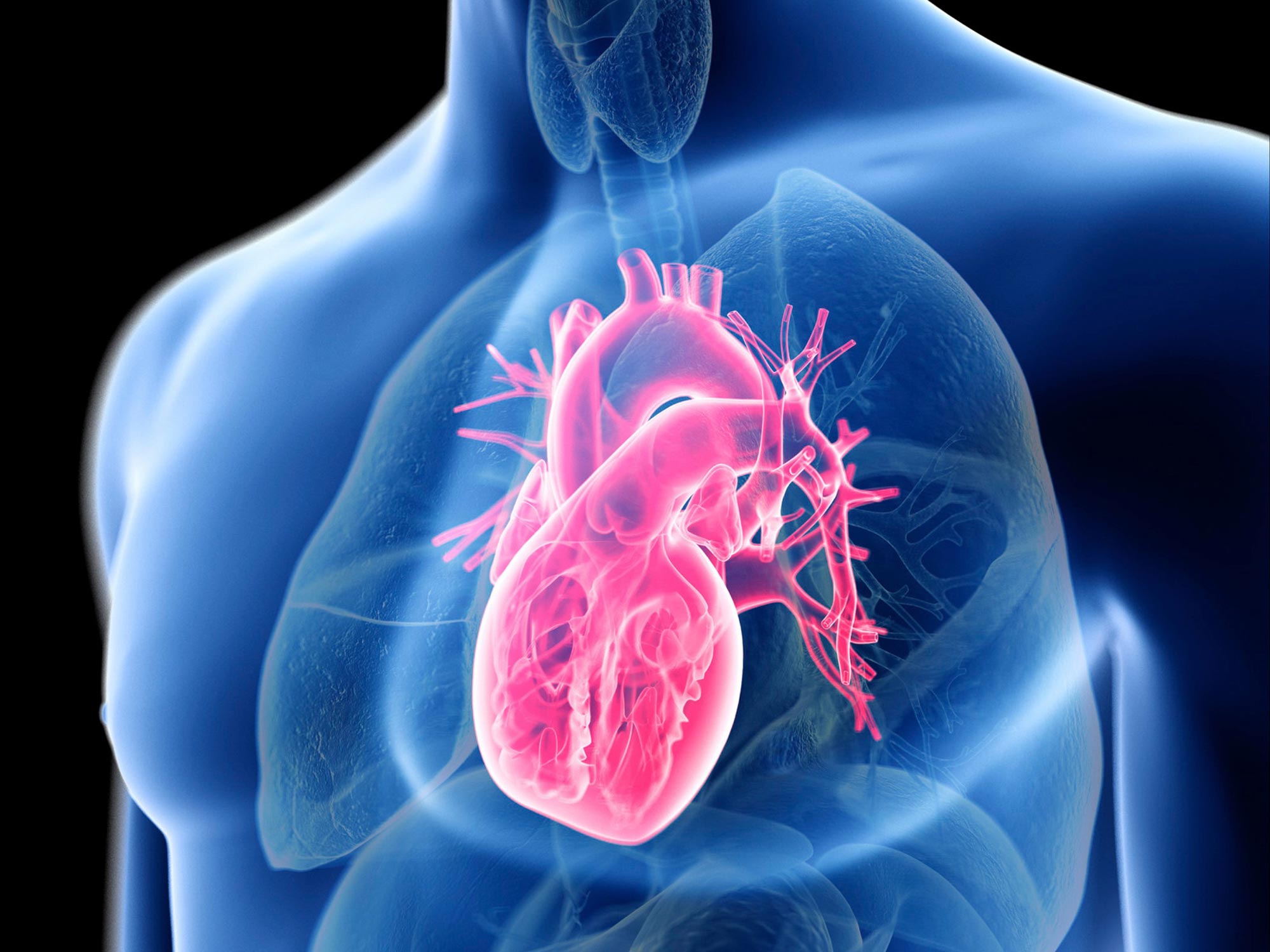
A new antibody treatment prevents cholesterol buildup in heart mitochondria and restores energy production, offering hope for future heart disease therapies.
An international team of researchers has uncovered how cholesterol can interfere with heart function by building up inside the mitochondria of cardiomyocytes, the muscle cells of the heart. They have also developed an experimental immunotherapy that can reverse this buildup and restore the cells’ ability to produce energy.
The study, recently published in the Journal of Lipid Research, was led by Dr. Vicenta Llorente-Cortés, a researcher with the Lipids and Cardiovascular Pathology group at the Institute of Biomedical Research of Barcelona (IIBB-CSIC), which is part of the Spanish National Research Council (CSIC), as well as the Sant Pau Biomedical Research Institute (IR Sant Pau) and the CIBERCV.
The research involved collaboration with scientists from CIBERdem, the Institute of Molecular Biology of Barcelona (IBMB-CSIC), the University of Barcelona (UB), the Autonomous University of Barcelona (UAB), the University of California (USA), and the University of Toulouse (France).
The Heart, Vulnerable to Lipid Damage
The heart needs a constant and substantial supply of energy, relying on mitochondria to maintain the continuous contractions of the cardiac muscle. Cardiomyocytes, or heart muscle cells, are among the most mitochondria-rich cells in the human body, with nearly one-third of their volume made up of these energy-producing organelles. Mitochondria convert nutrients into energy through a process known as oxidative phosphorylation, which is vital for heart function.

Previous studies have shown that in metabolic conditions such as obesity, diabetes, or high cholesterol, mitochondrial function progressively declines, contributing to the worsening of heart failure. This study is the first to reveal a specific cellular mechanism in which cholesteryl esters, carried by lipoproteins, enter cardiomyocytes and accumulate within their mitochondria, leading to both structural damage and impaired function.
The LRP1 Receptor and Mitochondrial Cholesterol: A Direct Link
The researchers demonstrated that the LRP1 receptor, a protein located on the cell membrane of cardiomyocytes, is the main factor responsible for transporting esterified cholesterol from lipoproteins into cardiomyocytes. Under lipotoxic conditions, this cholesterol accumulates in mitochondrial membranes and interiors. The result is disruption of mitochondrial architecture, impairment of the respiratory chain, and a significant loss in energy production capacity.
“We have revealed a previously unknown mechanism: the cholesterol carried by lipoproteins doesn’t just affect blood vessels or accumulate in plaques—it actually penetrates the mitochondria of the heart. The accumulation of cholesteryl esters in mitochondria compromises cellular respiration and, consequently, the function of the heart itself,” explains Dr. Vicenta Llorente-Cortés, CSIC researcher, lead author of the study, and coordinator of the CIBERCV and CIBERdem groups at IIBB-CSIC and IR Sant Pau.

To counter this harmful mechanism, the team developed an experimental immunotherapy based on monoclonal antibodies specifically targeting the P3 domain of the LRP1 receptor. This strategy achieves selective blockade that prevents the LRP1 receptor from transferring cholesteryl esters—carried in the bloodstream by lipoproteins—into the cell interior.
A Multitechnic and Multiorganic Approach to Uncover a Hidden Mechanism
To conduct this research, the scientists used a combination of advanced bioenergetics techniques (University of California), mass spectrometry (University of Toulouse), and confocal and electron microscopy (IR Sant Pau and University of Barcelona). They used a rabbit model with a lipid profile similar to that of humans to simulate dyslipidemic conditions associated with cardiovascular disease (CSIC).
The researchers performed subcellular fractionation analyses to isolate mitochondria and quantify their lipid content, and used high-precision respirometry techniques to assess mitochondrial respiratory chain efficiency in the presence and absence of cholesterol accumulation in the hearts of the experimental model.
Anti-P3 Antibodies: An Experimental Solution with Great Potential
Trials conducted in the rabbit model—with a lipid and lipoprotein profile similar to that of humans—showed that this immunotherapy significantly reduces mitochondrial lipid load, particularly the content of cholesteryl esters involved in cellular respiration.
As a direct consequence, restoration of mitochondrial architecture was observed, including the recovery of mitochondrial cristae—key structures for cellular respiration. Furthermore, the therapy improves the efficiency of oxidative phosphorylation and normalizes ATP production, the energy molecule that powers heart contraction.
Another significant effect observed following treatment with anti-P3 antibodies was the improvement in the interaction dynamics between mitochondria and cytoplasmic lipid droplets, indicating a functional reorganization of cellular metabolism.
This therapeutic approach, both innovative and highly targeted, not only halts the damage caused by cholesterol accumulation but also reverses the effects on the heart’s energy machinery. According to the researchers, this strategy could potentially be applied in the future to treat various cardiovascular conditions where altered lipid profiles promote intracellular cholesterol deposition, such as in obesity, myocardial ischemia, or chronic hypercholesterolemia.
“Our experimental treatment allows us to act on the heart at a level that had not been targeted before: inside the cell, inside the mitochondria, where the vital energy of the cardiac muscle is generated,” emphasizes Dr. Vicenta Llorente-Cortés.
Responding to an Unmet Clinical Need
Cardiovascular diseases are responsible for one in three deaths worldwide. While current treatments have made significant advances in controlling traditional risk factors such as hypertension or plasma cholesterol, there is still no effective strategy to address intracellular metabolic damage in the heart, particularly mitochondrial damage.
This study proposes a completely new approach: to intervene directly in the process that leads cholesterol to accumulate in the energy machinery of cardiac cells, thereby preventing the bioenergetic dysfunction that precedes heart failure.
“This discovery has very clear clinical implications: it enables us to envision new therapies aimed at preserving mitochondrial function in patients with high cardiovascular risk. This is especially relevant in contexts where circulating cholesterol remains persistently elevated, and lowering it externally is no longer enough—we need to protect the heart from within,” concludes Dr. Llorente-Cortés.
Reference: “LRP1 immunotherapy enhances cardiomyocyte respiration by restricting cholesteryl ester accumulation in mitochondria” by A. Benitez-Amaro, E. Garcia, M.T. LaChica Lhoëst, A. Polishchuk, I. Zegri-Reiriz, D. Vilades, J.M. Guerra, L. Fernández-del-Rio, S. Mirabet, V. Samouillan, O. Shirihai, M. Liesa, C. Enrich and V. Llorente-Cortés, 22 March 2025, Journal of Lipid Research.
DOI: 10.1016/j.jlr.2025.100783
This study was supported by the Carlos III Health Institute (ISCIII) through the cooperative research programs of the Biomedical Research Networking Centers in Cardiovascular Diseases (CIBERCV) and in Diabetes and Associated Metabolic Diseases (CIBERdem), as well as by funding from the European Regional Development Fund (ERDF). Additional funding came from the Spanish Ministry of Science, Innovation, and Universities, and from the Government of Catalonia through the Agency for Management of University and Research Grants (AGAUR). International collaborations were co-funded by research agencies in the United States and France, including the National Institutes of Health (NIH) and the Centre National de la Recherche Scientifique (CNRS).
Never miss a breakthrough: Join the SciTechDaily newsletter.
Follow us on Google and Google News.