
Close Menu
    Facebook X (Twitter) Instagram
    SciTechDaily
    • Biology
    • Chemistry
    • Earth
    • Health
    • Physics
    • Science
    • Space
    • Technology
    Facebook X (Twitter) Pinterest YouTube RSS
    SciTechDaily
    Home»Health»Gut Bacteria Turn the Tide on Cholesterol and Heart Disease
    Health

    Gut Bacteria Turn the Tide on Cholesterol and Heart Disease

    By Sharon Reynolds, National Institutes of HealthMay 4, 2024No Comments4 Mins Read
    Facebook Twitter Pinterest Telegram LinkedIn WhatsApp Email Reddit
    Share
    Facebook Twitter LinkedIn Pinterest Telegram Email Reddit
    Gut Feeling Health Concept
    A new study identifies gut bacteria that lower cholesterol and cardiovascular disease risk, suggesting potential for targeted microbial therapies.

    Gut Bacteria May Reduce Cholesterol and Lower Heart Disease Risk

    • Researchers pinpointed gut bacteria that affect levels of cholesterol and other compounds linked to heart disease.
    • The findings suggest that the risk of heart disease might be lowered with strategies to alter the levels of specific gut bacteria.

    Different people have different resident microbes in and on their bodies. The trillions of microbes in the human intestines influence not just digestion and gut health, but how organs throughout the body function. Levels of certain microbes in the gut have been associated with the risk of health conditions like diabetes, liver disease, and cancer.

    Scientists have thought that certain gut microbes may also play a role in cardiovascular disease (CVD). But which microbes might affect the risk of CVD—and how they might do this—has been unclear. Much remains unknown about how gut microbes process, or metabolize, compounds like cholesterol that affect CVD risk.

    In a new study, funded in part by NIH, researchers led by Dr. Ramnik Xavier from the Broad Institute, Massachusetts General Hospital, and Harvard studied bacteria in the stool of more than 1,400 people participating in the Framingham Heart Study, a long-term study of heart health.
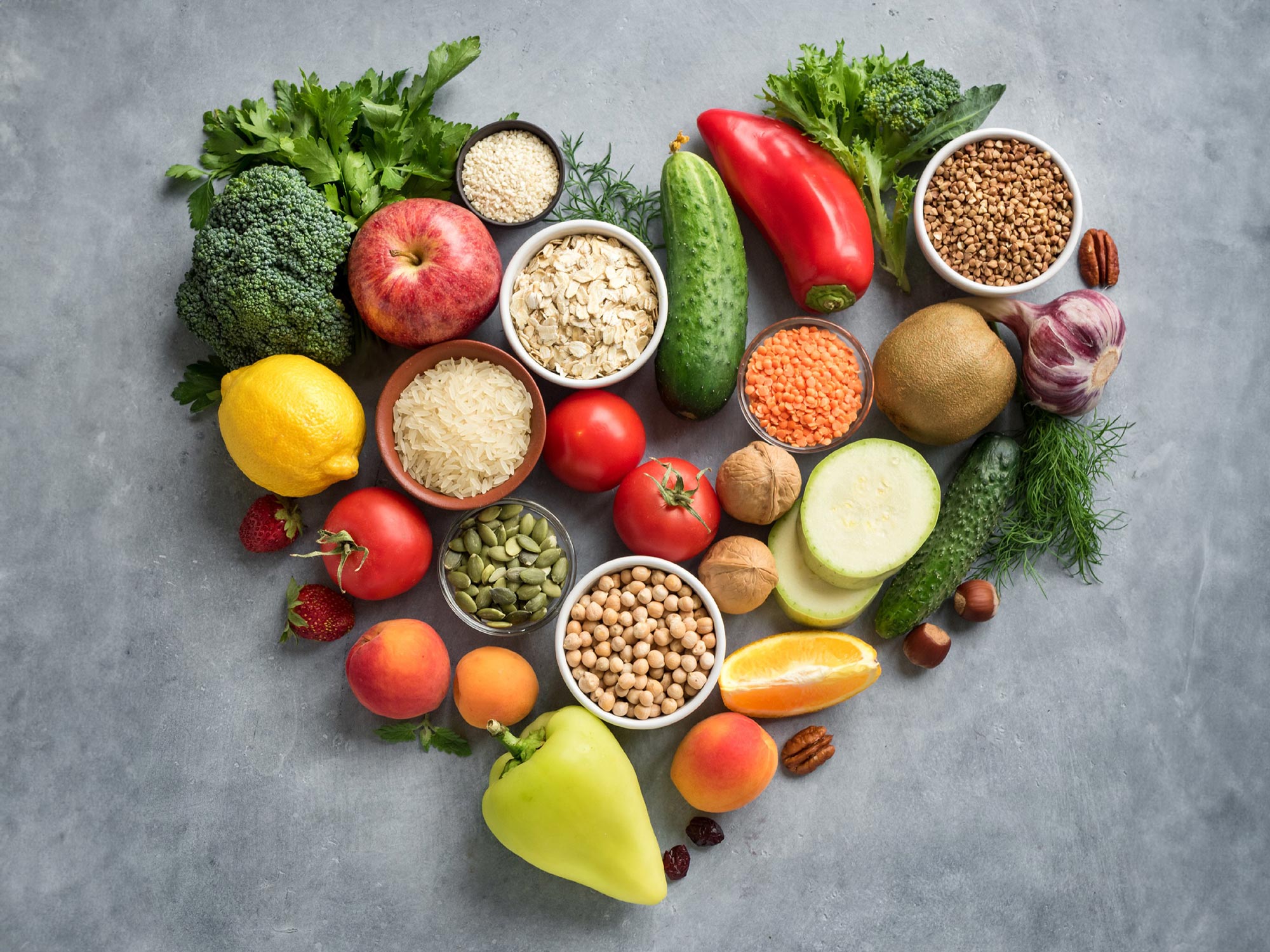
    Heart Healthy Food Ingredients
    A healthy diet can help lower cholesterol and the risk for heart disease. New research shows that certain gut microbes can affect your risk, too.

    The team analyzed the bacterial genomes (the complete sets of genes) in the stool samples. They also studied blood samples and cardiovascular health measurements from the participants to identify microbes and metabolic pathways that are associated with CVD. The results were published on April 2, 2024, in Cell.

    The researchers identified several species of bacteria whose levels were associated with blood markers of CVD. Such markers included cholesterol, triglyceride, and blood glucose levels.

    Higher levels of one group of bacteria called Oscillibacter were strongly associated with lower levels of cholesterol, both in the stool and the blood. Oscillibacter were also linked with other blood markers of reduced CVD risk, such as lower triglycerides and glucose and higher HDL (high-density lipoprotein).

    The reductions in cholesterol by Oscillibacter appeared to be related to genes for enzymes that break down cholesterol in the intestines. This might lead to less cholesterol making its way into the bloodstream.
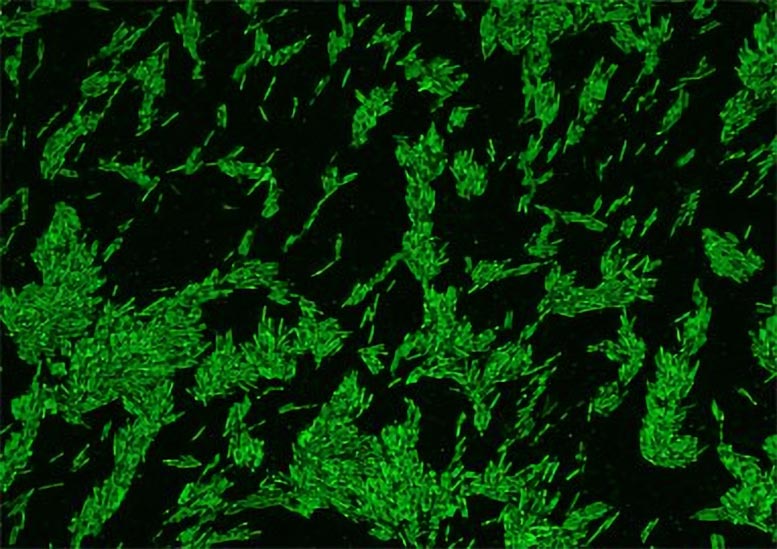
    Oscillibacter Bacteria
    Oscillibacter bacteria take up fluorescently labeled cholesterol (here shown in green). Credit: Ahmed Mohamed

    To confirm that Oscillibacter could process cholesterol, the researchers grew several Oscillibacter strains from the stool samples and then fed them cholesterol. The bacteria took up the cholesterol and broke it down into smaller molecules that don’t raise the risk of CVD.

    The team identified enzymes from other bacteria that were also associated with lower cholesterol levels. A detailed knowledge of the microbes and metabolic pathways that affect CVD risk may eventually lead to personalized therapies that manipulate gut bacteria.

    “Our research integrates findings from human subjects with experimental validation to ensure we achieve actionable mechanistic insight that will serve as starting points to improve cardiovascular health,” Xavier says.

    For more on this research, see Scientists Discover Cholesterol-Busting Microbes in the Gut.

    Reference: “Gut microbiome and metabolome profiling in Framingham heart study reveals cholesterol-metabolizing bacteria” by Chenhao Li, Martin Stražar, Ahmed M.T. Mohamed, Julian A. Pacheco, Rebecca L. Walker, Tina Lebar, Shijie Zhao, Julia Lockart, Andrea Dame, Kumar Thurimella, Sarah Jeanfavre, Eric M. Brown, Qi Yan Ang, Brittany Berdy, Dallis Sergio, Rachele Invernizzi, Antonio Tinoco, Gleb Pishchany, Ramachandran S. Vasan, Emily Balskus and Ramnik J. Xavier, 2 April 2024, Cell.
    DOI: 10.1016/j.cell.2024.03.014

    Funding: NIH’s National Heart, Lung, and Blood Institute (NHLBI) and National Institute of Diabetes and Digestive and Kidney Diseases (NIDDK); Center for Microbiome Informatics and Therapeutics.

    Never miss a breakthrough: Join the SciTechDaily newsletter.
    Follow us on Google and Google News.

    Bacteria Cardiology Cholesterol Heart Microbiome National Institutes of Health Popular
    Share. Facebook Twitter Pinterest LinkedIn Email Reddit

    Related Articles

    NIH Scientists Unmask the Hidden Secrets of “Bad” Cholesterol

    Heart Attack Alert: COVID-19’s Direct Assault on Coronary Arteries

    Hidden Assault on Heart: COVID-19 Infects Coronary Arteries and Increases Plaque Inflammation

    Can’t Take Statin Side Effects? Bempedoic Acid Lowers LDL Cholesterol and Reduces Cardiovascular Risks

    Double Danger for Young Women: High Risk of Rehospitalization After Heart Attack

    Heart Disease: “Good” Cholesterol May Not Be Good for Everyone

    Antibiotics Can Lead to Life-Threatening Fungal Infection Because of Disruption to the Gut’s Immune System

    Coffee’s Link to Raised Cholesterol Depends on Drinker’s Sex Plus Brewing Method

    Benefits of Taking Statins Called Into Question: Link Between High Cholesterol and Heart Disease “Inconsistent”

    Leave A Reply Cancel Reply

    • Facebook
    • Twitter
    • Pinterest
    • YouTube

    Don't Miss a Discovery

    Subscribe for the Latest in Science & Tech!

    Trending News

    Scientists Uncover Potential Brain Risks of Popular Fish Oil Supplements

    Scientists Discover a Surprising Way To Make Bread Healthier and More Nutritious

    After 60 Years, Scientists Uncover Unexpected Brain Effects of Popular Diabetes Drug Metformin

    New Research Uncovers Hidden Side Effects of Popular Weight-Loss Drugs

    Scientists Rethink Extreme Warming After Surprising Ocean Discovery

    Landmark Study Links Never Marrying to Significantly Higher Cancer Risk

    Researchers Discover Unknown Beetle Species Just Steps From Their Lab

    Largest-Ever Study Finds Medicinal Cannabis Ineffective for Anxiety, Depression, PTSD

    Follow SciTechDaily
    • Facebook
    • Twitter
    • YouTube
    • Pinterest
    • Newsletter
    • RSS
    SciTech News
    • Biology News
    • Chemistry News
    • Earth News
    • Health News
    • Physics News
    • Science News
    • Space News
    • Technology News
    Recent Posts
    • Not Just Alzheimer’s: Scientists Uncover Clues to a Second, Overlooked Disorder
    • Scientists Uncover Dangerous Connection Between Serotonin and Heart Valve Disease
    • Scientists Discover a “Protector” Protein That Could Help Reverse Hair Loss
    • Powerful Lasers Reveal How Matter Becomes Plasma in Trillionths of a Second
    • A Simpler Path to Super-Resolution: Scientists Reinvent Microscopy
    Copyright © 1998 - 2026 SciTechDaily. All Rights Reserved.
    • Science News
    • About
    • Contact
    • Editorial Board
    • Privacy Policy
    • Terms of Use

    Type above and press Enter to search. Press Esc to cancel.