
Close Menu
    Facebook X (Twitter) Instagram
    SciTechDaily
    • Biology
    • Chemistry
    • Earth
    • Health
    • Physics
    • Science
    • Space
    • Technology
    Facebook X (Twitter) Pinterest YouTube RSS
    SciTechDaily
    Home»Science»New Research Finds Bioplastics Are Just As Toxic as Ordinary Plastics
    Science

    New Research Finds Bioplastics Are Just As Toxic as Ordinary Plastics

    By Norwegian University of Science and TechnologyOctober 25, 20201 Comment3 Mins Read
    Facebook Twitter Pinterest Telegram LinkedIn WhatsApp Email Reddit
    Share
    Facebook Twitter LinkedIn Pinterest Telegram Email Reddit
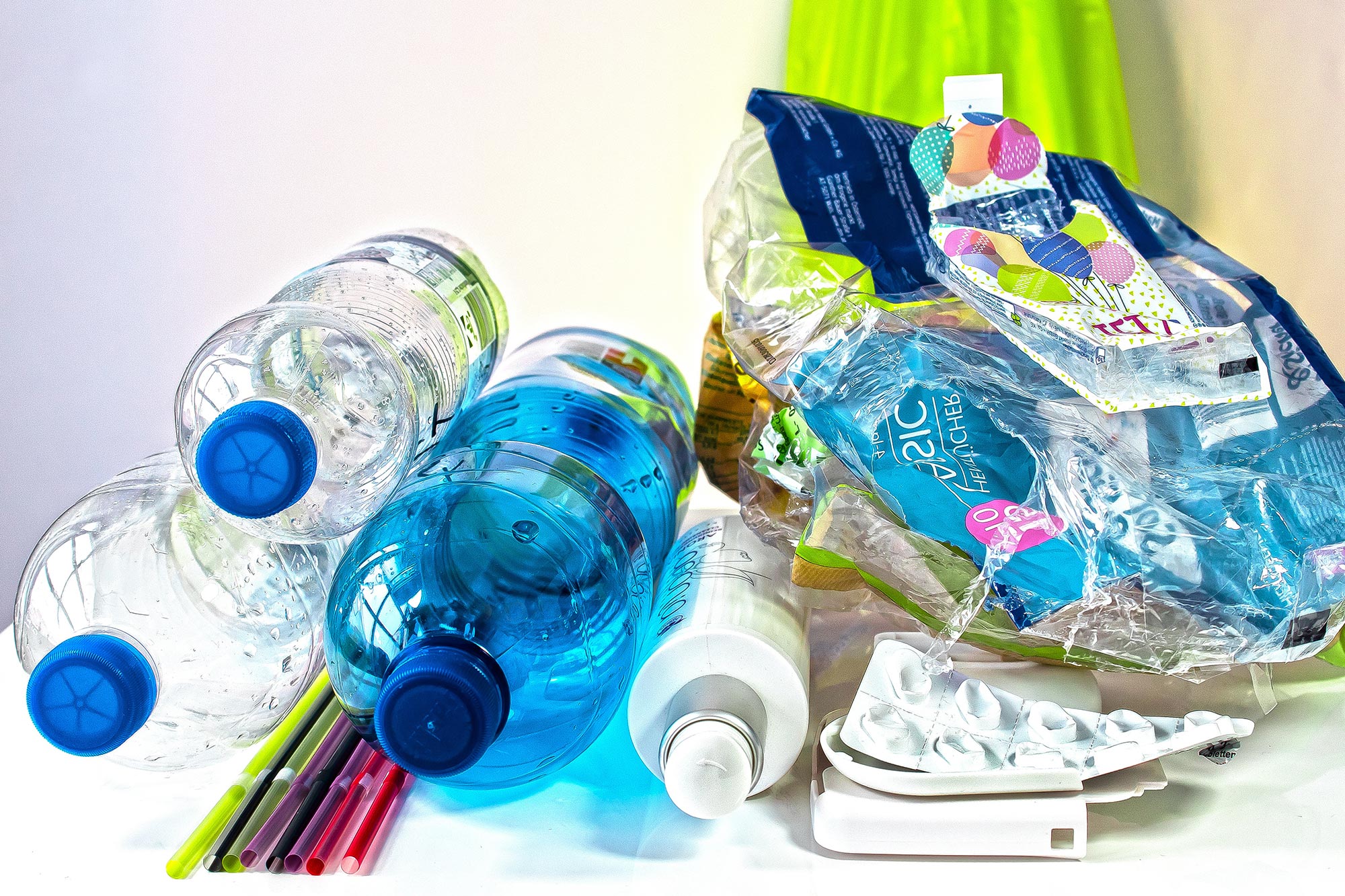
    Various Plastics
    Bio-based and biodegradable plastic is no safer than other plastic.

    Bioplastics may be not produced from oil, but that’s about the only benefit, researchers say.

    Conventional plastic is made from oil. The production of plastic is not sustainable, and it can contain substances we know are dangerous if ingested.

    In recent years, bioplastics have come onto the market as an alternative to conventional plastic. Bioplastic has some apparent advantages: it is usually made from recycled material or plant cellulose, it can be biodegradable – or both.

    But a new study shows that it is not non-toxic.

    Bioplastics are in fact just as toxic as other plastics, according to an article published in Environment International.

    Bioplastics not safer

    “Bio-based and biodegradable plastic are not any safer than other plastics,” says Lisa Zimmermann from Goethe Universität in Frankfurt. She is the lead author of the recent article.

    Zimmermann points out that products based on cellulose and starch contained the most chemicals. They also triggered stronger toxic reactions under laboratory conditions.

    Plastic Bags
    People use an enormous amount of plastic, and it isn’t clear that bioplastic is a good alternative.

    “Three out of four of these plastic products contain substances that we know are dangerous under laboratory conditions, the same as for conventional plastic,” says Martin Wagner, associate professor at NTNU’s Department of Biology.

    Wagner is one of the collaborators for PlastX, a research group at the Institut für sozial-ökologische Forschung (ISOE) in Frankfurt.

    This group has just led the work on the largest survey to date of chemicals in bioplastics and plastics made from plant-based materials.

    Up to 20,000 different substances

    In particular, the group has looked at toxic substances in these types of plastic. The substances can for example be directly toxic to cells in the laboratory, or they can act as hormones that in turn can disturb the body’s balance.

    The study includes 43 different plastic products, including disposable cutlery, chocolate packaging paper, drink bottles and wine corks.

    “Eighty percent of the products contained more than 1000 different chemicals. Some of them as many as 20 000 chemicals,” says Wagner.

    General guidance impossible

    It goes without saying that it is almost impossible to keep track of absolutely all the possible harmful effects of so many different materials.

    Even seemingly similar products have their own special chemical composition. A plastic bag made of bio-polyethylene can contain completely different substances than a wine cork made of the same material.

    “Making general statements about certain materials becomes almost impossible,” says Wagner.
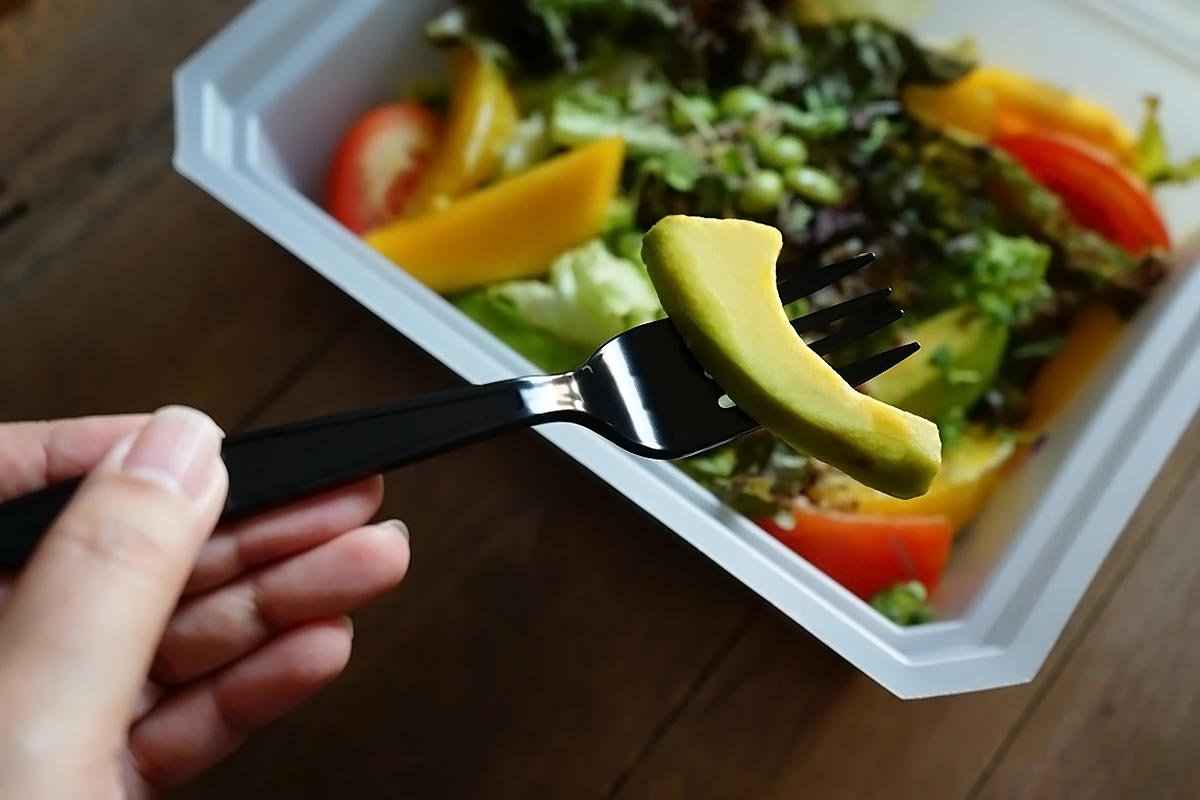
    Plastic Food Container
    We do not know to what extent the substances in plastic are transferred to us humans.

    Other packaging not necessarily better

    At present, the consequences this has for the environment and for people’s health are still uncertain. We don’t know to what extent the substances in plastic are transferable to humans.

    Nor do we know whether the alternatives to bioplastics and conventional plastics are better for us and the environment around us, since so many factors come into play. The alternatives may involve polluting production methods and limited opportunities for recycling, or food production has to give way to obtain the materials for the alternative products. More research is needed.

    Reference: “Are bioplastics and plant-based materials safer than conventional plastics? In vitro toxicity and chemical composition” by Lisa Zimmermann, Andrea Dombrowski, Carolin Völker and Martin Wagner, 17 September 2020, Environment International.
    DOI: 10.1016/j.envint.2020.106066

    Never miss a breakthrough: Join the SciTechDaily newsletter.
    Follow us on Google and Google News.

    Biochemistry Environment Norwegian University of Science and Technology Plastic Toxicology
    Share. Facebook Twitter Pinterest LinkedIn Email Reddit

    Related Articles

    Poisoning From Lead Ammunition Is Stunting Bald Eagle Rebound

    Turning Wood Into Recyclable, Biodegradable Plastic

    Prolonged Exposure to Weedkiller Roundup Can Cause Significant Harm to Keystone Species

    Tough New Bioinspired Material to Replace Petroleum-Based Plastics

    “Dancing Cat Fever” – New Culprit Identified for Minamata Mercury Poisoning Tragedy

    Common BPA Free Plastics Use Chemicals That May Lead to Increased Blood Pressure

    Scientists Warn That BPA-Free Plastic Products Could Be Just as Harmful to Human Health

    Turning Waste Plastic Into Filtration Membranes

    Cryptogamic Covers Take Up Huge Amounts of Atmospheric Carbon Dioxide

    1 Comment

    1. Nothanks on October 26, 2020 11:30 am

      Danimer Scientific manufacturers a fully biodegradable (even in ocean) plastic without any harmful chemicals. Its fda approved for food contact.

      Reply
    Leave A Reply Cancel Reply

    • Facebook
    • Twitter
    • Pinterest
    • YouTube

    Don't Miss a Discovery

    Subscribe for the Latest in Science & Tech!

    Trending News

    Scientists Warn That This Common Pet Fish Can Wreck Entire Ecosystems

    Scientists Make Breakthrough in Turning Plastic Trash Into Clean Fuel Using Sunlight

    This Popular Supplement May Interfere With Cancer Treatment, Scientists Warn

    Scientists Finally Solved One of Water’s Biggest Mysteries

    Could This New Weight-Loss Pill Disrupt the Entire Market? Here’s What You Should Know About Orforglipron

    Earth’s Crust Is Tearing Open in Africa, and It Could Form a New Ocean

    Breakthrough Bowel Cancer Trial Leaves Patients Cancer-Free for Nearly 3 Years

    Natural Compound Shows Powerful Potential Against Rheumatoid Arthritis

    Follow SciTechDaily
    • Facebook
    • Twitter
    • YouTube
    • Pinterest
    • Newsletter
    • RSS
    SciTech News
    • Biology News
    • Chemistry News
    • Earth News
    • Health News
    • Physics News
    • Science News
    • Space News
    • Technology News
    Recent Posts
    • Kratom Use Explodes in the US, With Life-Changing Consequences
    • Scientists Uncover Fatal Weakness in “Zombie Cells” Linked to Cancer
    • World-First Study Reveals Human Hearts Can Regenerate After a Heart Attack
    • Why Your Dreams Feel So Real Sometimes and So Strange Other Times
    • Scientists Debunk 100-Year-Old Belief About Brain Cells, Rewriting Textbooks
    Copyright © 1998 - 2026 SciTechDaily. All Rights Reserved.
    • Science News
    • About
    • Contact
    • Editorial Board
    • Privacy Policy
    • Terms of Use

    Type above and press Enter to search. Press Esc to cancel.