
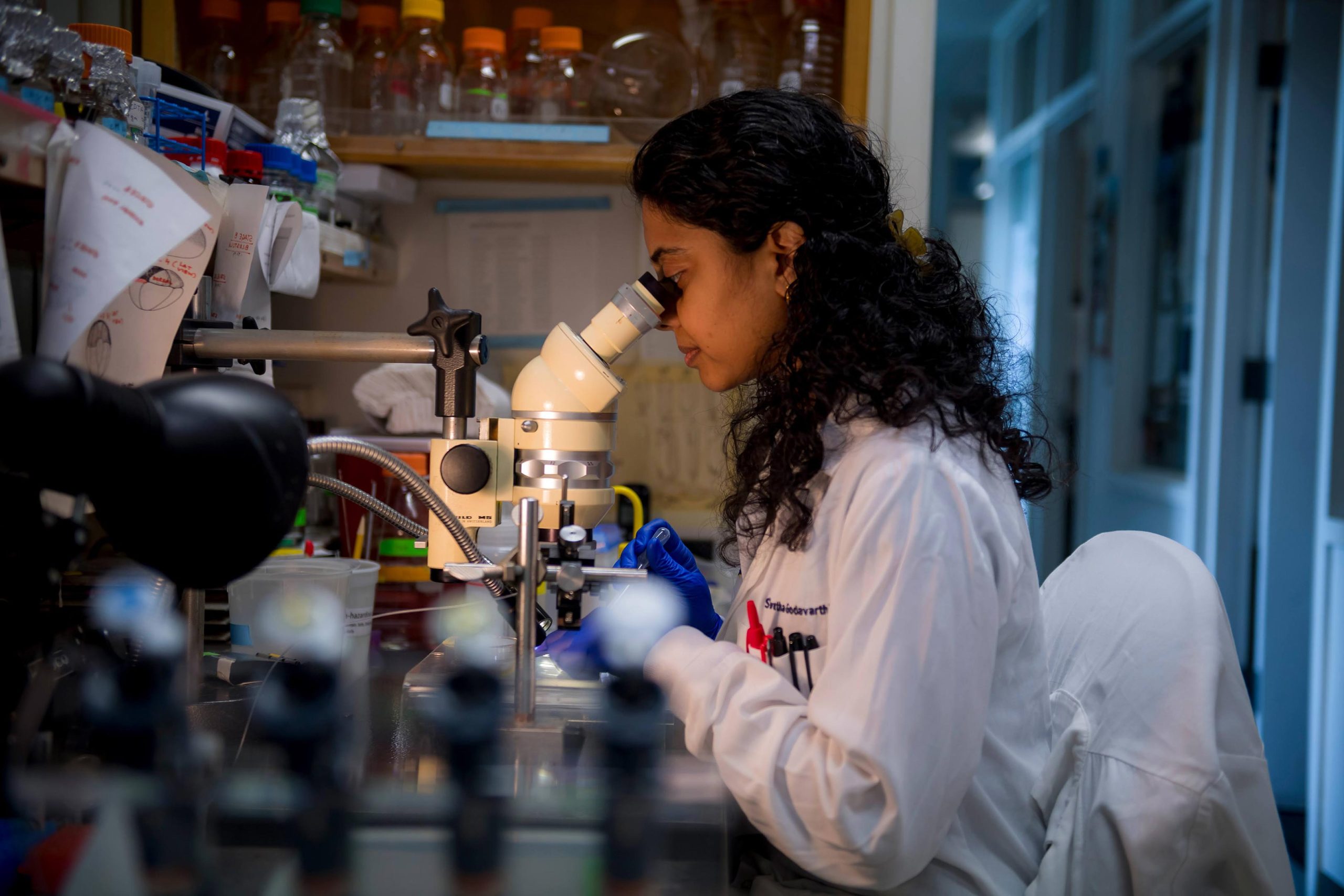
Researchers found that altering neurotransmitters in early development could prevent autism spectrum disorders in mice, indicating potential early interventions for ASD.
Autism spectrum disorders (ASD) are characterized by mild to severe impairment of social, behavioral, and communication abilities. These disorders can have a debilitating impact on academic performance, employment, and other life areas.
Recently, there has been a notable increase in the number of ASD diagnoses. However, researchers lack knowledge about how these disorders emerge at early stages of development.
Groundbreaking Research on ASD
Neurobiologists from the University of California San Diego have found evidence of altered development of the nervous system in mouse models of autism spectrum disorders. In their study, recently published in the Proceedings of the National Academy of Sciences, they linked environmentally induced forms of ASD to changes in neurotransmitters, the chemical messengers that allow neurons to communicate with each other. They also discovered that manipulating these neurotransmitters at early stages of development can prevent the appearance of autistic-like behaviors.
“In seeking the root causes of autism spectrum disorder behaviors in the brain, we found an early change in neurotransmitters that is a good candidate to be the primary cause,” said School of Biological Sciences Professor Nicholas Spitzer of the Department of Neurobiology and Kavli Institute for Brain and Mind. “Getting a handle on the early events that trigger ASD may allow development of new forms of intervention to prevent the appearance of these behaviors.”
Neurotransmitter Dynamics in ASD
Although ASD diagnoses have been ramping up in recent years, how these disorders manifest at the critical cellular and molecular levels has not been well understood.
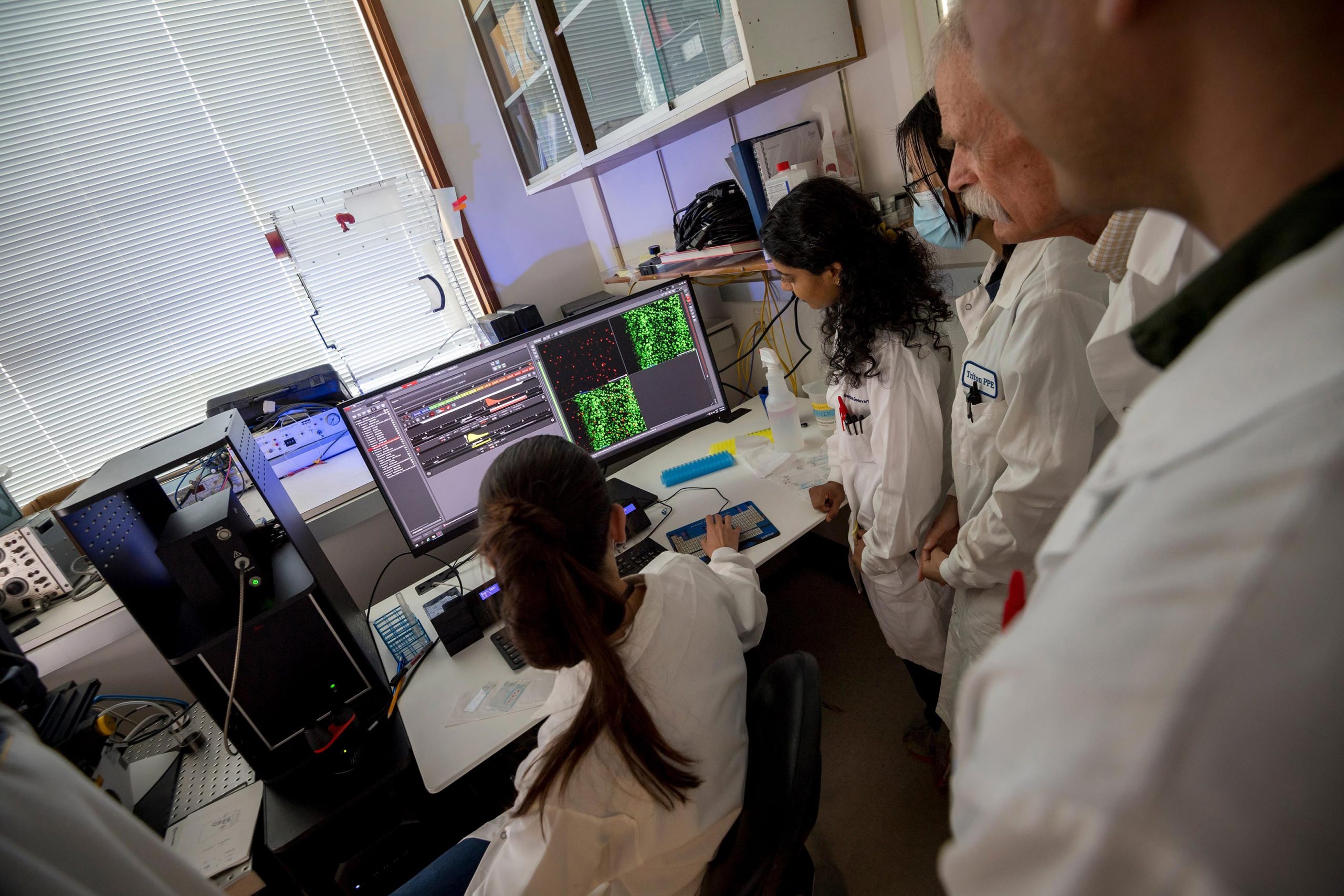
The study’s lead author, Assistant Project Scientist Swetha Godavarthi, and colleagues investigated neurotransmitter expression in the medial prefrontal cortex, a brain area often affected in individuals diagnosed with ASD. They tested the hypothesis that changes in the type of neurotransmitter expressed by neurons in the prefrontal cortex could be responsible for a chemical imbalance that causes ASD-like behaviors.
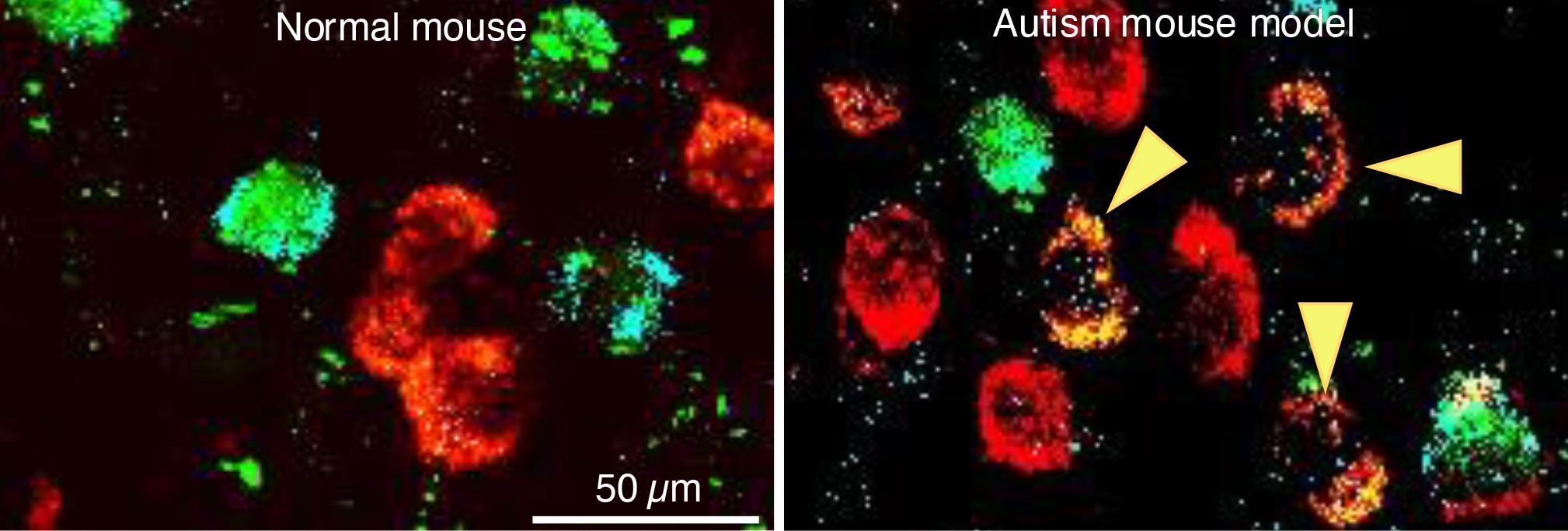
Previous studies had shown an increase in the incidence of ASD in offspring when pregnant women had a heightened immune response or were exposed to certain drugs during the first trimester (environmental forms of ASD). The researchers reproduced ASD in mice by administering mice in utero with these environmental agents.
These agents caused the brief loss of the “GABA” neurotransmitter, which is inhibitory, and the gain of the “glutamate” neurotransmitter, which is excitatory, in neonatal mice. Although this GABA-to-glutamate transmitter switch reversed spontaneously after a few weeks, adult mice exhibited altered behaviors of repetitive grooming and diminished social interaction. Overriding this brief early transmitter switch in neonatal mice prevented the development of these autistic-like behaviors in adults.
Implications of Early Neurotransmitter Changes
“Driving expression of GABA in the neurons that have replaced GABA with glutamate prevents the appearance of stereotyped repetitive behavior and reduced social interaction,” said Spitzer. “These findings demonstrate that changing electrical activity and inappropriately exciting neurons at early stages of development can alter the assembly of the nervous system.”
Alterations in neurotransmitter expression at an early stage of development carry implications for other behavioral issues at later stages in life, since the rest of the nervous system is then built upon a platform of defective wiring, similar to a house constructed on an unstable foundation.
“Neurotransmitter switching can change the assembly of the nervous system and have a profound impact downstream,” said Spitzer.
The researchers say the new results are consistent with other evidence that altering signaling in the nervous system during the early stages of development can later carry negative consequences as the brain matures.
Reference: “Embryonic exposure to environmental factors drives transmitter switching in the neonatal mouse cortex causing autistic-like adult behavior” by Swetha K. Godavarthi, Hui-quan Li, Marta Pratelli and Nicholas C. Spitzer, 23 August 2024, Proceedings of the National Academy of Sciences.
DOI: 10.1073/pnas.2406928121
Never miss a breakthrough: Join the SciTechDaily newsletter.
Follow us on Google and Google News.
3 Comments
So basically, program people like robots to act in what ever arbitrary manner a higher power in a society deems “acceptable”. When will mankind ever learn?
Why stop at autism? Why not eliminate gay and trans people? Why not eliminate anyone a shouty guy with a mustache deems a “social deviant”. No more art, music, free expression, and exploration of the mind and senses. Just a cruel, stoic totalitarian machine like 1984 or Equilibrium.
Yes, I hate it when ‘scientists’ and ‘doctors’ meddle with the way God made us! Give me my cleft palate back, and my hump! Who decided my wonderful cavities needed to be filled? And I am really pissed about some egghead deciding my burst appendix needed surgical intervention. My severe schizophrenia and pedophilia are just Me being Me, the way God intended.