
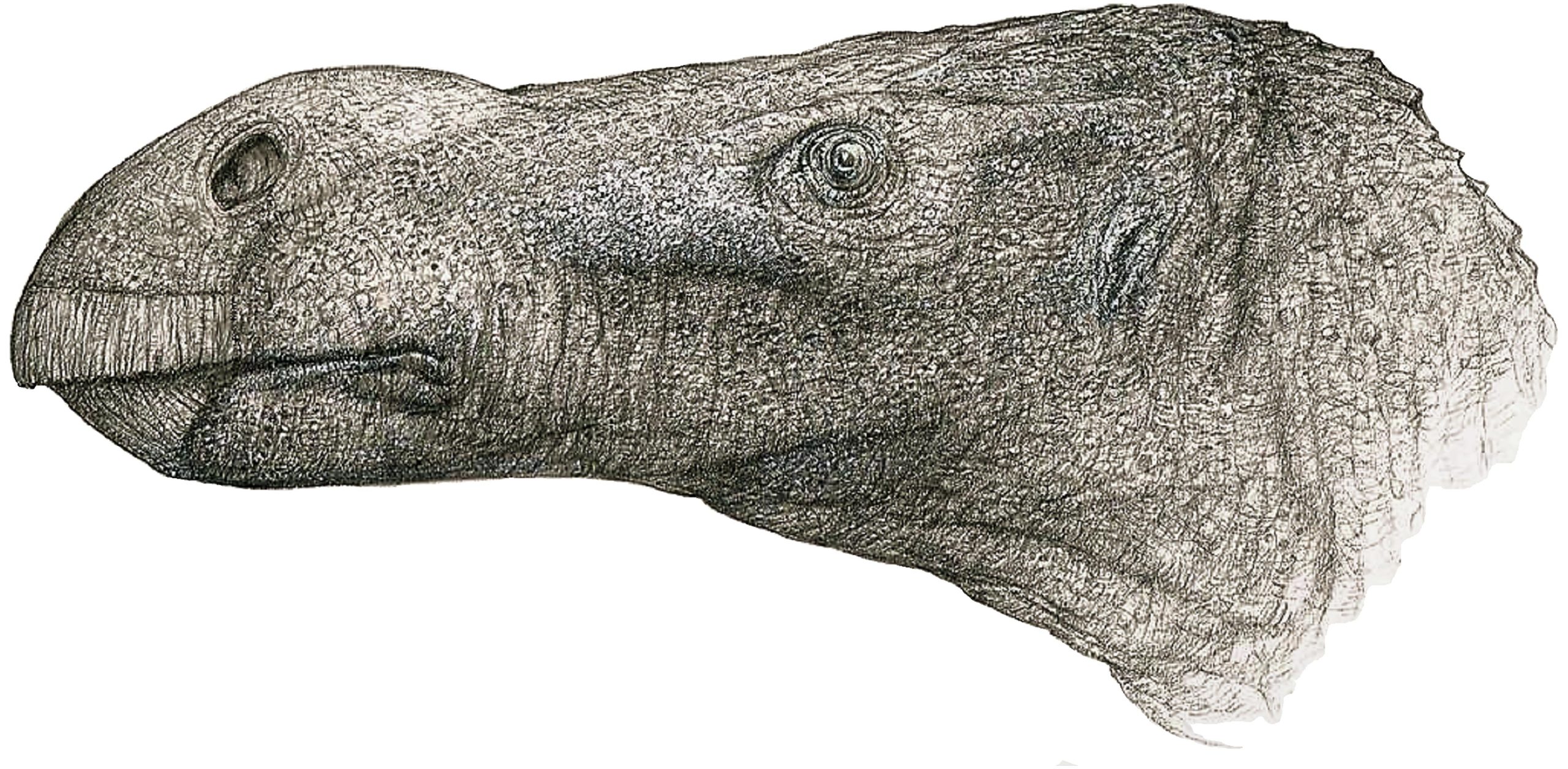
New Isle of Wight dinosaur, Brighstoneus simmondsi, reshapes Cretaceous diversity views.
- Natural History Museum and University of Portsmouth scientists describe new species of dinosaur
- Discoveries of iguanodontian dinosaurs from the Isle of Wight have previously only been assigned to Iguanodon or Mantellisaurus
- Diversity of dinosaurs in the Early Cretaceous of the UK is much greater than previously thought
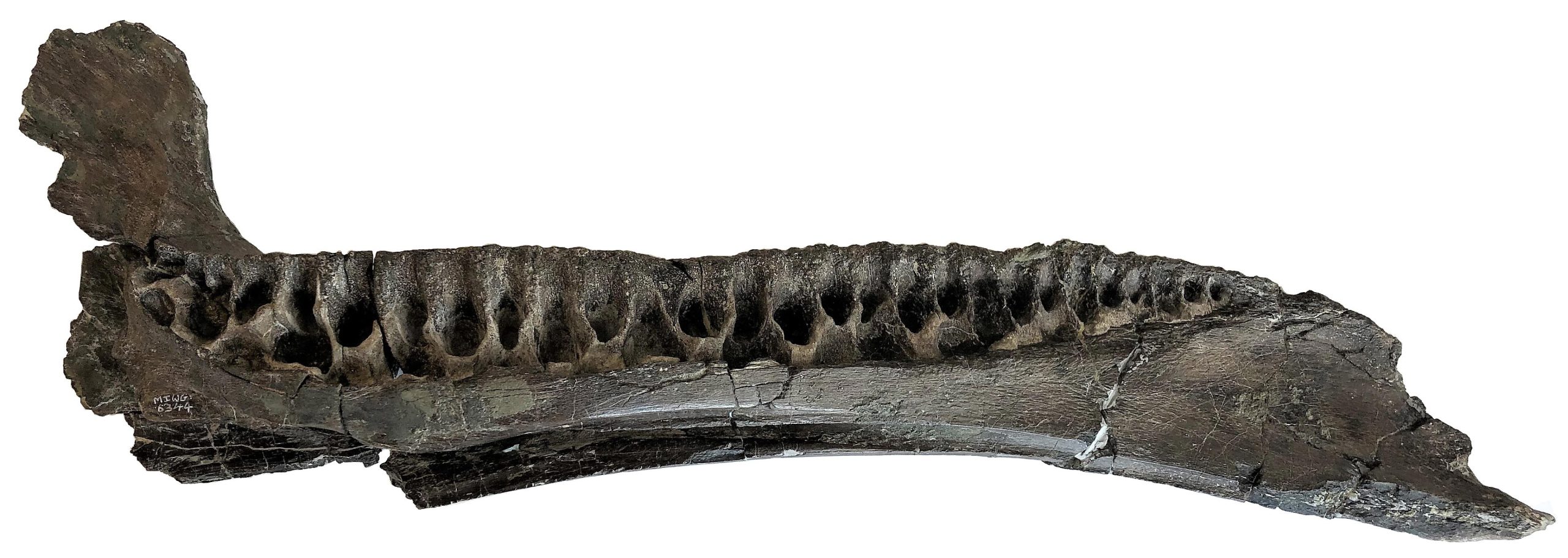
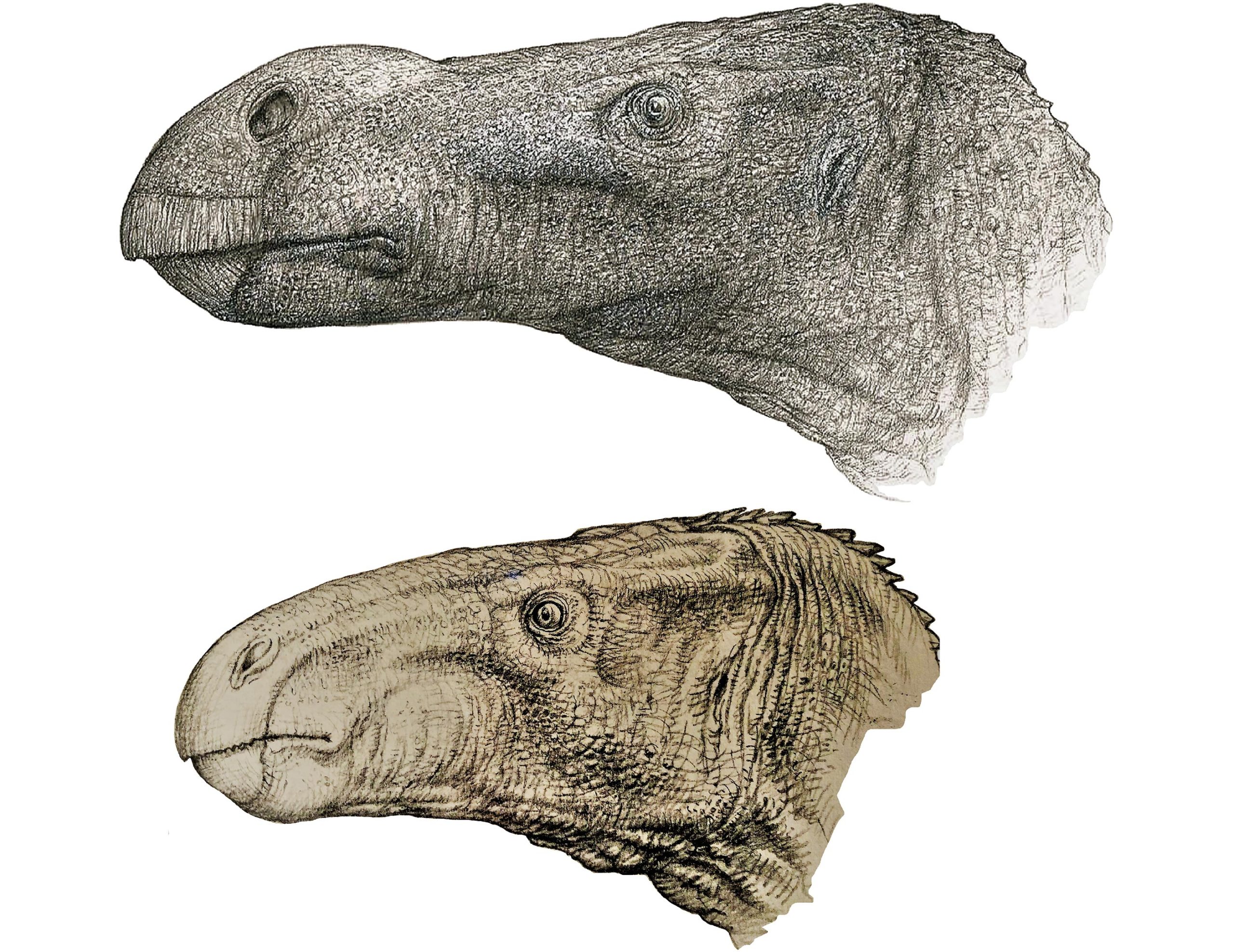
Scientists from the Natural History Museum and University of Portsmouth have described a new genus and species of dinosaur from a specimen found on the Isle of Wight.
Following on from a new species of ankylosaur, new species of therapod, and two new species of spinosaur dinosaurs, Brighstoneus simmondsi is the latest in a host of new dinosaur species described by Museum scientists in recent weeks.
The new dinosaur is an iguanodontian, a group that also includes the iconic Iguanodon and Mantellisaurus. Until now, iguanodontian material found from the Wealden Group (representing part of the Early Cretaceous period) on the Isle of Wight has usually been referred to as one of these two dinosaurs – with more gracile fossil bones assigned to Mantellisaurus and the larger and more robust material assigned to Iguanodon.
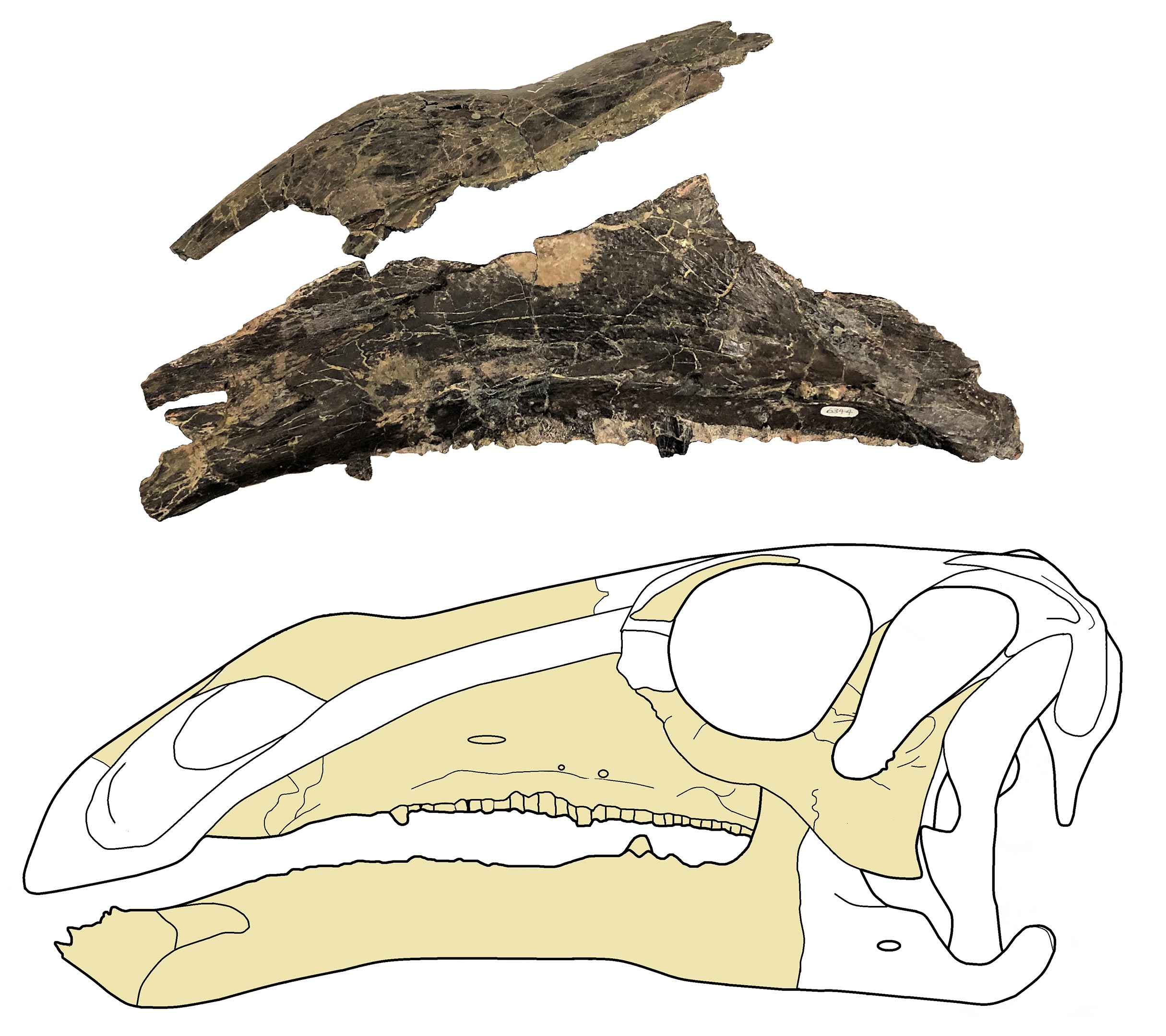
However, when Dr. Jeremy Lockwood — a PhD student at the Museum and University of Portsmouth — was examining the specimen, he came across several unique traits that distinguished it from either of these other dinosaurs.
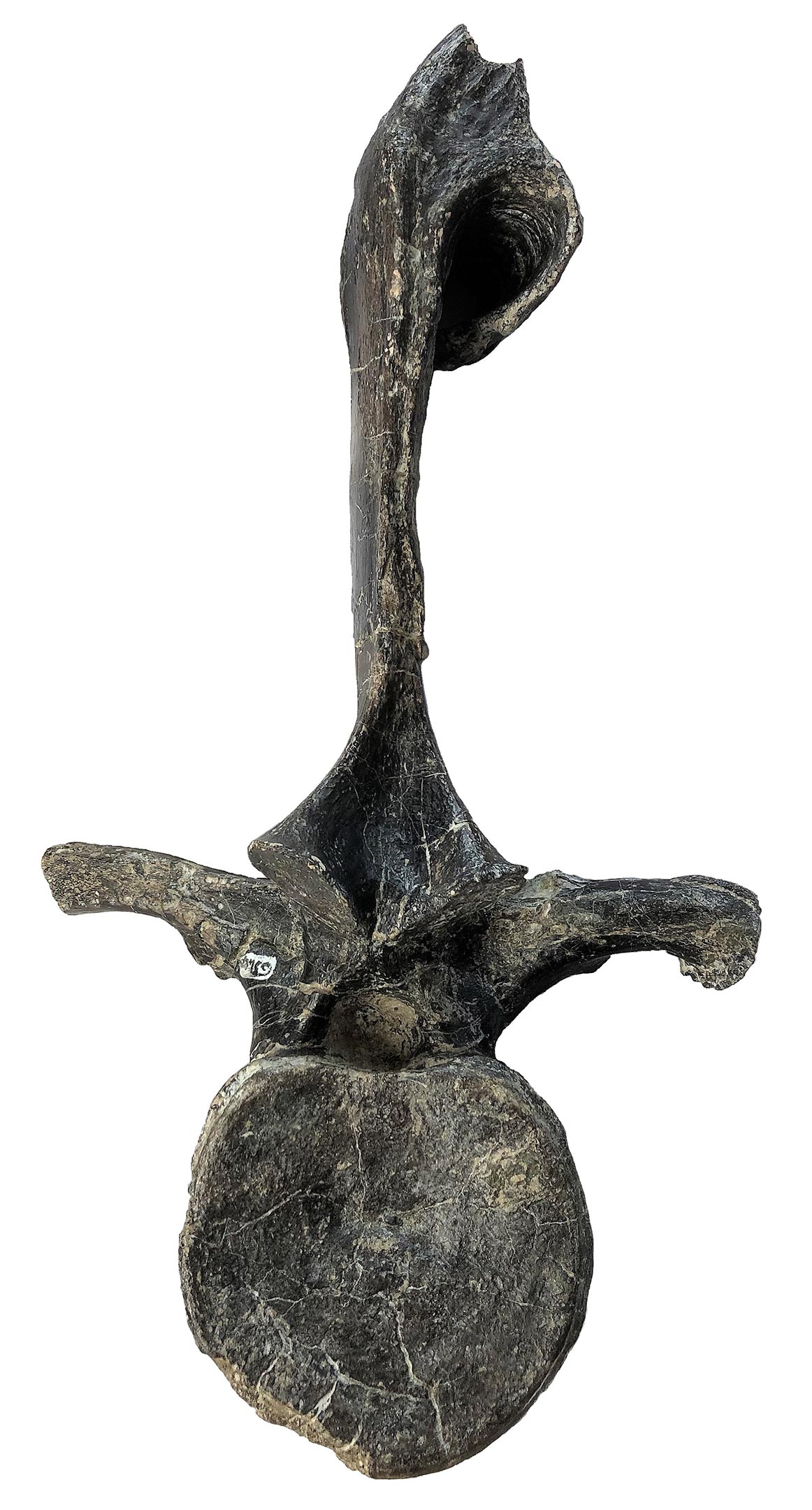
“For me, the number of teeth was a sign,” Dr. Lockwood says. “Mantellisaurus has 23 or 24, but this has 28. It also had a bulbous nose, whereas the other species have very straight noses. Altogether, these and other small differences made it very obviously a new species.”
The herbivorous dinosaur was about eight meters in length and weighed about 900kg. Published in the peer-reviewed Journal of Systematic Palaeontology, Dr. Lockwood describes the species and names it Brighstoneus simmondsi: Brighstoneus after the village of Brighstone, near to the excavation site, and simmondsi honoring Mr. Keith Simmonds, who made the discovery of the specimen in 1978.
Rethinking Early Cretaceous Diversity
The discovery of this new species suggests that there were far more iguanodontian dinosaurs in the Early Cretaceous of the UK than previously thought, and that simply assigning specimens from this period to either Iguanodon or Mantellisaurus must change.
“We’re looking at six, maybe seven million years of deposits, and I think the genus lengths have been overestimated in the past,” says Dr. Lockwood. “If that’s the case on the island, we could be seeing many more new species. It seems so unlikely to just have two animals being exactly the same for millions of years without change.”
Breaking the Old Classification Paradigm
Museum scientist Dr. Susannah Maidment, a co-author of the paper, says: “The describing of this new species shows that there is clearly a greater diversity of iguanodontian dinosaurs in the Early Cretaceous of the UK than previously realized. It’s also showing that the century-old paradigm that gracile iguanodontian bones found on the island belong to Mantellisaurus and large elements belong to Iguanodon can no longer be substantiated.”

The Isle of Wight has long been associated with dinosaur discovery, and even yielded the crucial specimens that led Sir Richard Owen to coin the term Dinosauria. The authors conclude that the describing of Brighstoneus simmondsi as a new species calls for a reassessment of Isle of Wight material:
“British dinosaurs are certainly not something that’s done and dusted at all,” says Dr. Lockwood. “I think we could be on to a bit of a renaissance.”
Reference: “A new hadrosauriform dinosaur from the Wessex Formation, Wealden Group (Early Cretaceous), of the Isle of Wight, Southern England” by Jeremy A. F. Lockwood, David M. Martill and Susannah C. R. Maidment, 10 November 2021, Journal of Systematic Palaeontology.
DOI: 10.1080/14772019.2021.1978005
Never miss a breakthrough: Join the SciTechDaily newsletter.
Follow us on Google and Google News.