
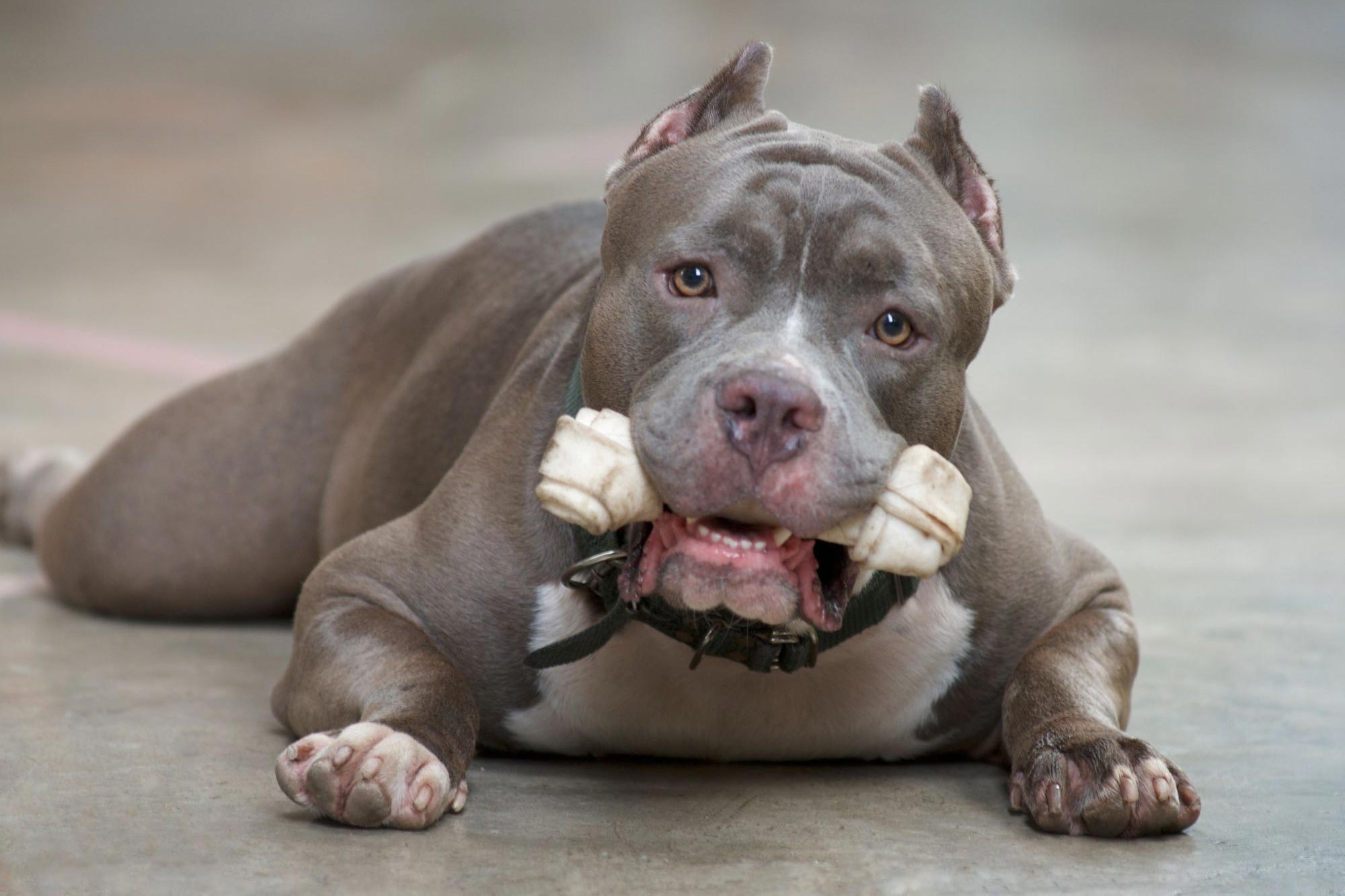
A recent study using 3D skull analysis found no evidence that dog breeds bred for bite or scent work have specialized skull morphology for these tasks.
For thousands of years, dogs have been considered humans’ best friends. Beyond companionship, centuries of selective breeding have shaped them for specialized roles such as herding, hunting, and guarding—at least, that’s been the common belief.
However, a new study challenges the idea that certain breeds are naturally better suited for specific tasks based on their skull shape. Led by Nicholas Hebdon and Lindsay Waldrop, the research was published in Science Advances on January 29. Using advanced 3D reconstruction techniques, the team analyzed 117 skulls from 40 domestic dog breeds and 18 wild canid species.
The researchers found substantial overlap in skull shapes across breeds and functional categories, but no clear evidence that breeds selected for bite work or scent work have developed distinct morphological traits that enhance these abilities. This suggests that humans have been breeding dogs primarily for preferred visible traits, and that other factors like individual personality affect dogs’ performance of tasks.
Skull Morphology and Task Specialization
“In the past 200 years, humans have created hundreds of dog breeds that look really different and are pretty specialized at some tasks like herding, protecting, and detecting odors. We have assumed that these dogs look different because they are structurally specialized at these tasks, but our study shows that, at least for their skulls, they are not specialized for tasks that involve the skull, such as biting tasks and scent work,” notes Waldrop, who is an assistant professor of biological sciences at Chapman University.

The study examined dog breeds commonly used for tasks like bite work and scent work, such as those in law enforcement and military programs, where dogs are trained for patrol and detection. Researchers used advanced methods, including 3D skull analysis to compare breeds across various functional groups, as defined by organizations like the American Kennel Club (AKC) and the United Kennel Club (UKC).
The results showed that domesticated dog breeds exhibit exceptional diversity in their skull shapes, but have high overlap among the parts of the skulls that correspond with functional tasks. This indicates that specific breeds are not as morphologically specialized for such tasks as previously thought. For instance, bite-force measurements did not show any significant differences between breeds purpose-bred for bite work and those not.
Debunking Misconceptions About Bite Strength and Olfactory Ability
“There are many news stories about dogs attacking people badly and often there are specific breeds that are targets of this reporting (such as pit bulls). Some people claim that these dogs will bite harder than other dogs of the same size, or they have special features like “locking jaws” that make them especially dangerous to people. Our study shows that this is simply not true; dogs bred to bite things aren’t structurally different than dogs that have bred to do other things,” said Waldrop.
Similarly, breeds selected for scent work did not demonstrate significantly enhanced olfactory morphology compared to other breeds.

The lone group that showed distinct skull morphology was brachycephalic breeds (e.g., bulldogs), which are characterized by their shortened snouts, but this feature is not tied to functional specialization. Instead, human aesthetic preferences have played a larger role in shaping dog morphology.
Comparison with Wild Canids
According to lead author Nicholas Hebron, who completed the work as a postdoctoral research associate at Chapman University, “I was most surprised by the overall similarity we see in most of the dog skulls. Humans have done so much breeding work to alter the visual appearance of these animals that I honestly expected to see really marked groupings of some kind and we really didn’t see much of that.”
However, researchers found that domesticated dog breeds’ morphologies differed greatly from wild canids, such as wolves and foxes, which tend to have skull shapes that align more closely with their natural functional needs. Wolves and foxes tend to possess elongated snouts relative to their cranial length, which is a typical feature of species that rely on keen senses like smell. Undomesticated animals, particularly wolves, show skull morphologies that reflect evolutionary adaptations for hunting and scent work, which contrasts with the lack of strong morphological specialization in domesticated breeds. Interestingly, foxes’ skull shapes overlap significantly with some domestic dogs, particularly terrier breeds, which were historically bred for pest control, suggesting functional similarities in skull structure for small prey pursuit.
While these results run counter to the popular notion that purpose-bred dogs are better at biting or scenting than those not bred for that purpose, they suggest that observable behavior traits are associated with performance, rather than morphological traits. Recent research suggests that many breed-associated behaviors are partially heritable. This has important implications for how dogs are bred and selected for specific tasks in areas such as law enforcement and search and rescue — behavioral traits and individual trainability may be more important determinants of performance.
Reference: “Dog skull shape challenges assumptions of performance specialization from selective breeding” by Nicholas Hebdon, Alexa Ortega, Alexander Orlove, Nichole Wheeler, Mia Pham, Vivian Nguyen, Justin Gladman and Lindsay D. Waldrop, 29 January 2025, Science Advances.
DOI: 10.1126/sciadv.adq9590
The study was funded by the Office of Naval Research.
Never miss a breakthrough: Join the SciTechDaily newsletter.
Follow us on Google and Google News.
1 Comment
All breeds of domesticated dogs have the ability to shed, poo, bite, bark, chase, slobber, wee-wee, howl, and generally annoy.
Dogs drool; cats rule. Yep… went there.