
Close Menu
    Facebook X (Twitter) Instagram
    SciTechDaily
    • Biology
    • Chemistry
    • Earth
    • Health
    • Physics
    • Science
    • Space
    • Technology
    Facebook X (Twitter) Pinterest YouTube RSS
    SciTechDaily
    Home»Health»New Therapeutic Target Discovered for Lethal Form of Heart Failure
    Health

    New Therapeutic Target Discovered for Lethal Form of Heart Failure

    By Nagoya UniversityFebruary 3, 2025No Comments3 Mins Read
    Facebook Twitter Pinterest Telegram LinkedIn WhatsApp Email Reddit
    Share
    Facebook Twitter LinkedIn Pinterest Telegram Email Reddit
    ALPK2 Heart Failure Therapeutic Target
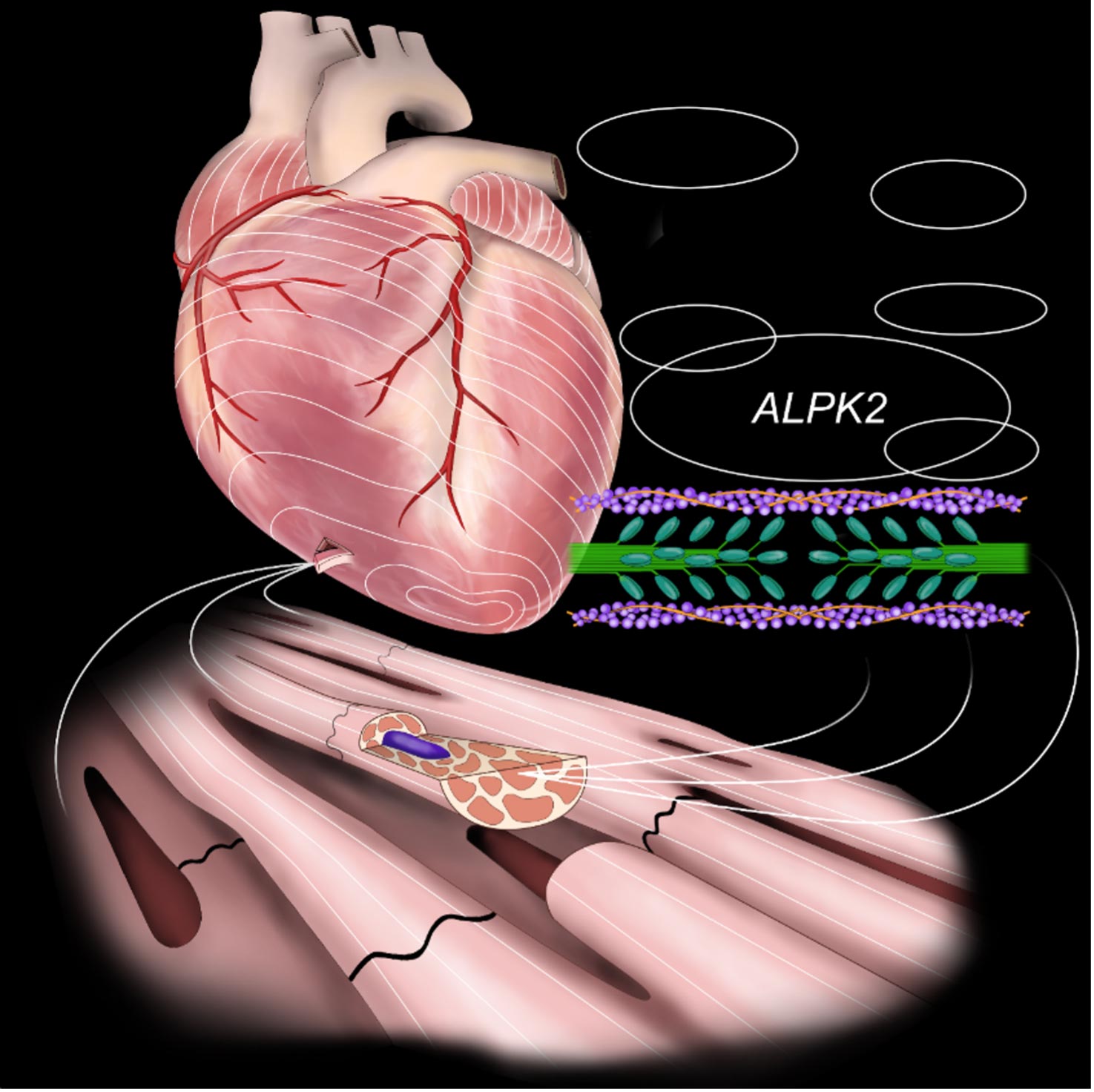
    Researchers from Nagoya University have identified ALPK2, a heart-specific enzyme that may prevent heart stiffness by activating TPM1 in heart muscle fibers. HFpEF, a growing global concern, is an incurable form of heart failure with limited drug treatment options. By studying mice, researchers found that low ALPK2 levels weakened heart relaxation, while high ALPK2 expression increased TPM1 phosphorylation, potentially protecting against HFpEF. ALPK2 overexpression also suppressed diastolic dysfunction and improved lung weight, a heart failure marker. With only two existing drugs for HFpEF, the ALPK2/TPM1 regulatory pathway presents a promising target for future therapeutic developments. Credit: 2024 Federation of American Societies for Experimental Biology (FASEB)

    Researchers discovered that ALPK2, a heart-specific enzyme, may protect against HFpEF by activating TPM1 in heart muscle fibers.

    Researchers Tatsuya Yoshida, Mikito Takefuji, and Toyoaki Murohara from the Department of Cardiology at Nagoya University Graduate School of Medicine have identified alpha-kinase 2 (ALPK2), an enzyme specifically expressed in the heart. Their study suggests that ALPK2 plays a crucial role in preventing cardiac stiffness by activating the TPM1 gene in heart muscle fibers. This discovery positions ALPK2 as a promising therapeutic target for treating heart failure, particularly heart failure with preserved ejection fraction (HFpEF).

    Heart failure is a growing global health concern, with HFpEF emerging as a particularly challenging condition due to its limited treatment options and high mortality risk. HFpEF occurs when the heart struggles to relax properly during the filling phase, leading to inadequate blood flow to meet the body’s demands. Given the urgent need for effective therapies, ALPK2 could represent a significant breakthrough in addressing this life-threatening condition.

    The process of protein phosphorylation is central to regulating various functions in the body, including how well the heart pumps blood out. The process is controlled by enzymes called protein kinases, which add a phosphate group to specific amino acids on target proteins. This modification changes the protein’s structure causing changes in its activity and interactions with other molecules. Disruptions in the enzyme’s activity play a key role in hearts becoming stiff.

    Investigating ALPK2’s Role in Heart Function

    The group investigated the gene expression of 518 protein kinase enzymes, revealing ALPK2 as a heart-specific kinase of interest. To understand its role, they compared mice without the gene that creates the enzyme with those that had exceptionally high levels of the gene, leading to an abundance of ALPK2.

    The mice with low levels showed increased weaknesses in the aging-related ability of the heart to relax and fill with blood. On the other hand, the mice with overexpression of ALPK2 had increased phosphorylation of the amino acid tropomyosin 1 (TPM1), a major regulator of heart contraction. As HFpEF patients have decreased TPM1, increased phosphorylation of TPM1 would likely have a protective effect against the disease.

    “ALPK2-overexpression suppressed the progression of diastolic dysfunction. In addition, it improved lung weight, which is often used as an index of heart failure,” Yoshida summarized. “HFpEF is a growing global concern due to limited drug therapy options. Currently, there are only two drugs for HFpEF: SGLT2 inhibitor and ARNI. The ALPK2/TPM1 regulatory axis may provide a unique therapeutic target for HFpEF, allowing the development of new treatment options that target ALPK2 in the future.”

    Reference: “ALPK2 prevents cardiac diastolic dysfunction in heart failure with preserved ejection fraction” by Tatsuya Yoshida, Satoya Yoshida, Kohei Inukai, Katsuhiro Kato, Yoshimitsu Yura, Tomoki Hattori, Kentaro Taki, Atsushi Enomoto, Koji Ohashi, Takahiro Okumura, Noriyuki Ouchi, Haruya Kawase, Nina Wettschureck, Stefan Offermanns, Toyoaki Murohara and Mikito Takefuji, 18 November 2024, The FASEB Journal.
    DOI: 10.1096/fj.202402103R

    Never miss a breakthrough: Join the SciTechDaily newsletter.
    Follow us on Google and Google News.

    Cardiology Heart Nagoya University
    Share. Facebook Twitter Pinterest LinkedIn Email Reddit

    Related Articles

    Study: Eating This Protein Could Slow the Progression of Heart Failure

    Physical Activity Is Not Always Good for the Heart – Here’s What You Need to Know

    Frequent Drinking Worse Than Than Binge Drinking for Heart Rhythm Disorder

    Urgent Action in Children Required to Tackle Cardiovascular Deaths

    Beating Heart Patch Repairs Damage Caused by Heart Attack

    Smartphones Can Disrupt Pacemakers and Cause Painful Shocks

    Research Shows There Is a Medical Benefit to Reducing D2B Time

    UCLA Cardiologists Complete Their First Transcatheter Aortic Valve Replacement

    Survival Rates for Mitral Valve Surgery Patients Improve

    Leave A Reply Cancel Reply

    • Facebook
    • Twitter
    • Pinterest
    • YouTube

    Don't Miss a Discovery

    Subscribe for the Latest in Science & Tech!

    Trending News

    Millions Take These IBS Drugs, But a New Study Finds Serious Risks

    Scientists Unlock Hidden Secrets of 2,300-Year-Old Mummies Using Cutting-Edge CT Scanner

    Bread Might Be Making You Gain Weight Even Without Eating More Calories

    Scientists Discover Massive Magma Reservoir Beneath Tuscany

    Europe’s Most Active Volcano Just Got Stranger – Here’s Why Scientists Are Rethinking It

    Alzheimer’s Symptoms May Start Outside the Brain, Study Finds

    Millions Take This Popular Supplement – Scientists Discover a Concerning Link to Heart Failure

    The Universe Is Expanding Too Fast and Scientists Can’t Explain Why

    Follow SciTechDaily
    • Facebook
    • Twitter
    • YouTube
    • Pinterest
    • Newsletter
    • RSS
    SciTech News
    • Biology News
    • Chemistry News
    • Earth News
    • Health News
    • Physics News
    • Science News
    • Space News
    • Technology News
    Recent Posts
    • U.S. Waste Holds $5.7 Billion Worth of Crop Nutrients
    • Scientists Say a Hidden Structure May Exist Inside Earth’s Core
    • Doctors Surprised by the Power of a Simple Drug Against Colon Cancer
    • Why Popular Diabetes Drugs Like Ozempic Don’t Work for Everyone: The “Genetic Glitch”
    • Scientists Create Improved Insulin Cells That Reverse Diabetes in Mice
    Copyright © 1998 - 2026 SciTechDaily. All Rights Reserved.
    • Science News
    • About
    • Contact
    • Editorial Board
    • Privacy Policy
    • Terms of Use

    Type above and press Enter to search. Press Esc to cancel.