
Close Menu
    Facebook X (Twitter) Instagram
    SciTechDaily
    • Biology
    • Chemistry
    • Earth
    • Health
    • Physics
    • Science
    • Space
    • Technology
    Facebook X (Twitter) Pinterest YouTube RSS
    SciTechDaily
    Home»Health»New Type of Coronavirus Discovered in Rodents
    Health

    New Type of Coronavirus Discovered in Rodents

    By Uppsala UniversityJune 7, 2022No Comments3 Mins Read
    Facebook Twitter Pinterest Telegram LinkedIn WhatsApp Email Reddit
    Share
    Facebook Twitter LinkedIn Pinterest Telegram Email Reddit
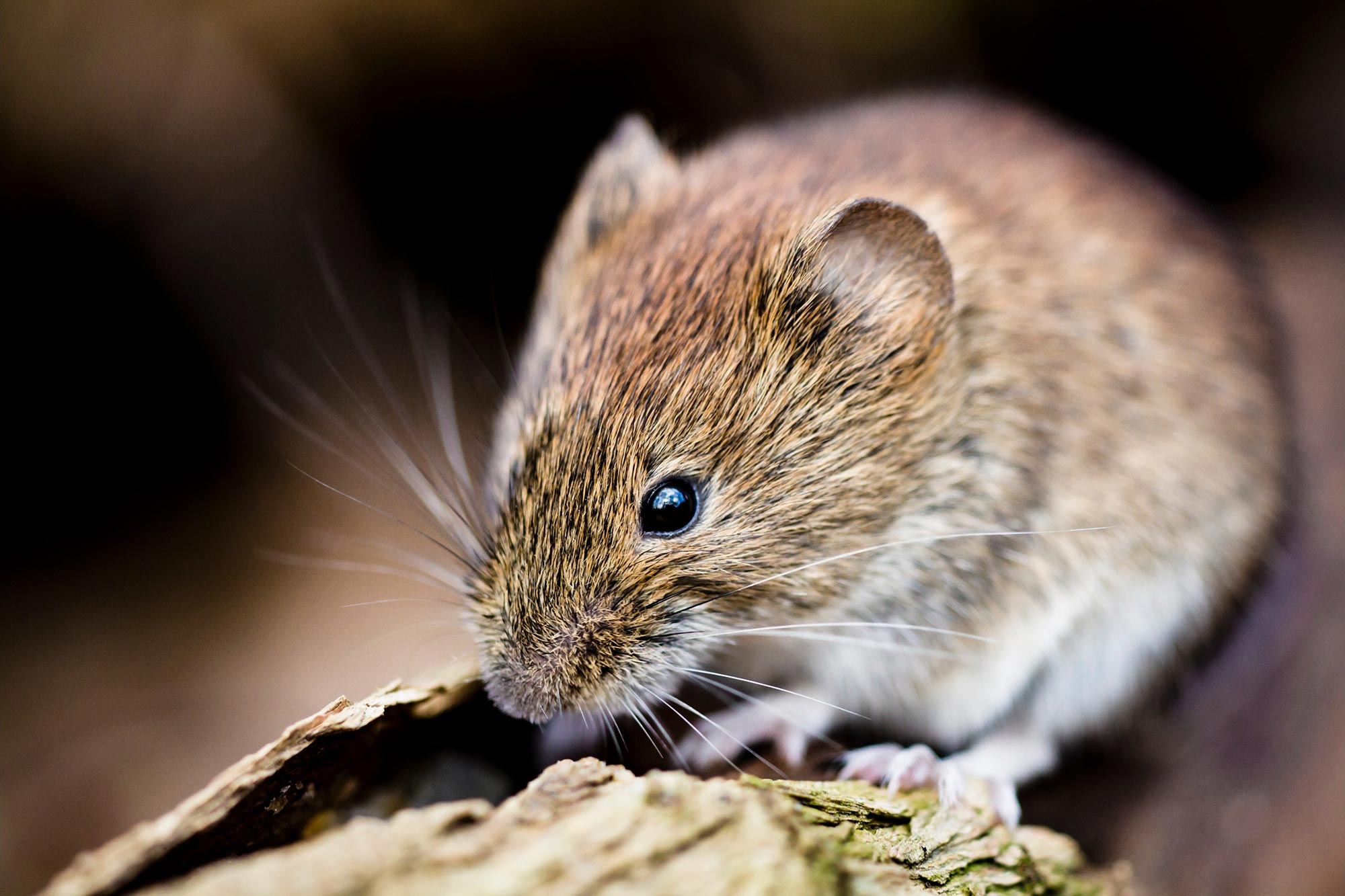
    Bank Vole Close Up
    Bank voles are small rodents that mostly live in woodland areas.

    Researchers from the Zoonosis Science Center at Uppsala University have identified a new coronavirus. Their study of approximately 260 bank voles caught around Grimsö, Örebro County, shows that the virus is well established in Sweden’s red-backed voles. The finding has been published in the journal Viruses.

    Bank voles (Myodes glareolus) are a species of small voles around 3.9 inches (10 cm) in length that live in woodland areas. Voles are small rodents related to hamsters and lemmings that are sometimes called meadow mice or field mice in North America. There are over 150 different species of vole.

    Although still a mystery, SARS-CoV-2, the virus that causes COVID-19, may have originated in bats. However, other coronaviruses are known to originate in rodents including rats, mice, and voles. Scientists in Sweden have now discovered a new coronavirus, called Grimsö Virus, and found it in 3.4% of the voles tested.

    “Between 2015 and 2017, we consistently found what we have called the ‘Grimsö Virus’ in 3.4 percent of these voles, which would suggest that the virus is widespread and common in Sweden’s bank voles,” says Åke Lundkvist, Professor in virology and head of the Zoonosis Science Center at Uppsala University. He led the study together with researchers Jiaxin Ling and Anishia Wasberg, a doctoral student and the first author.

    Role of Rodents in Spreading Viruses

    Researchers from the Zoonosis Science Center (ZSC) map zoonotic viruses to increase the understanding of the interaction between viruses and host animals. Unlike the SARS-CoV and MERS coronaviruses that originate in bats, seasonal coronaviruses, such as HCoV-OC43 and HCoV-HKU1, appear to have spread to humans from rodents like rats, mice, and voles. The objective is to increase knowledge and develop methods that can effectively limit major virus outbreaks and avoid infection spreading from animals to humans.
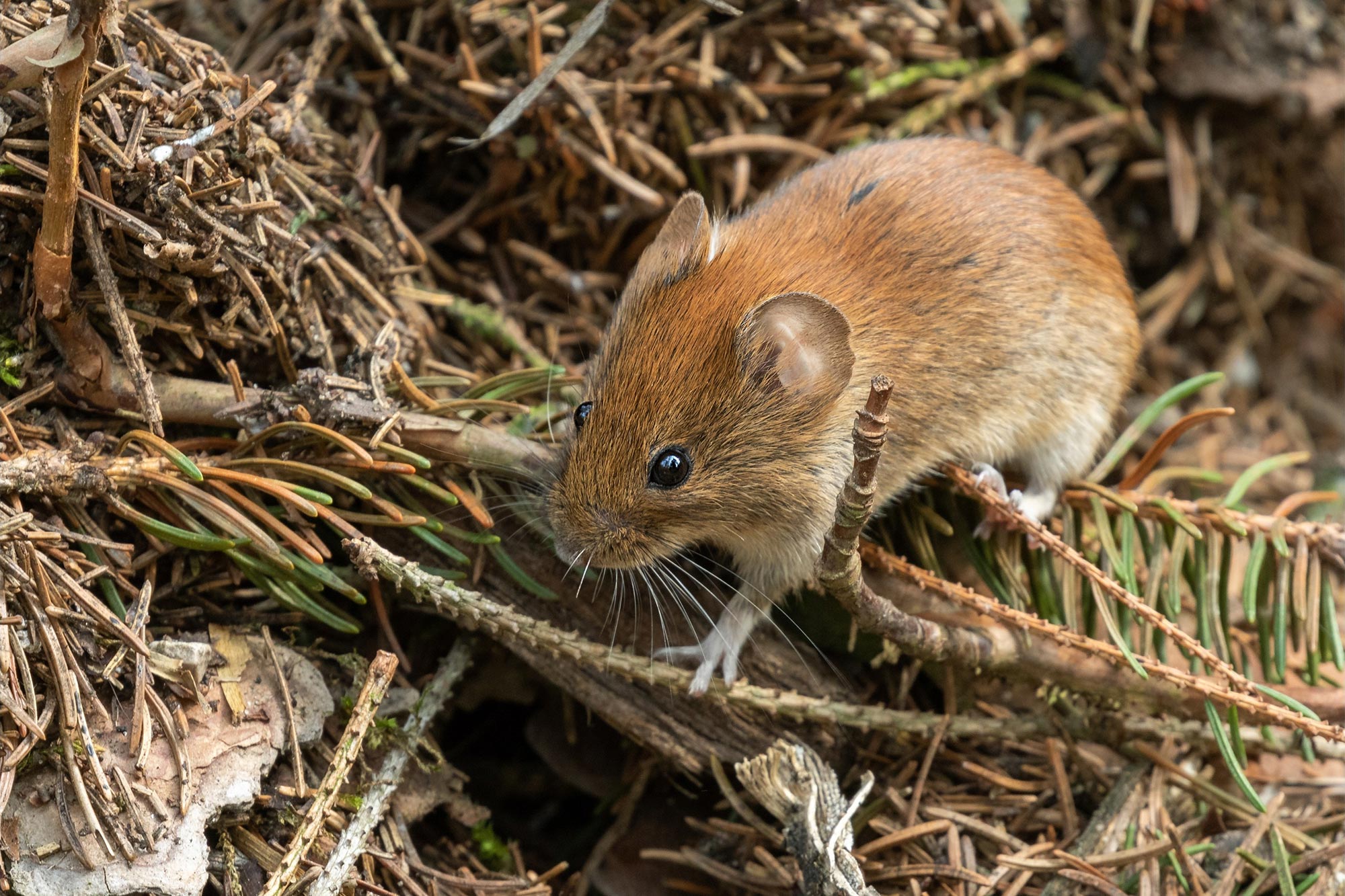
    Bank Vole
    Researchers examined red-backed voles from Grimsö in Örebro County and identified a new coronavirus, the ‘Grimsö Virus,’ belonging to the same family as SARS-CoV, MERS, and SARS-CoV-2.

    In a new study published on June 1, 2022, in the journal Viruses, researchers from ZSC examined red-backed voles caught around Grimsö in Örebro County between 2015 and 2017 and tested them for coronavirus. Using an RNA sequencing method, they identified a new coronavirus known as the ‘Grimsö Virus’ belonging to the betacoronavirus family that also includes SARS-CoV, MERS, and SARS-CoV-2.

    Rodents already carry several zoonotic microorganisms, such as Hantaviruses and Tularemia, meaning they play a key role in how infectious diseases are spread. In recent years, there has been a dramatic increase in infectious diseases that can be linked to small mammals, like rodents, and research around the ecology of these host animals is an essential component in the work to prevent future outbreaks.

    Public Health Implications of Grimsö Virus

    The bank vole (Myodes glareolus) is one of Europe’s most common rodents. Previous studies have found several coronaviruses circulating amongst animals in countries like the United Kingdom, Poland, France and Germany.

    “We still do not know what potential threats the Grimsö Virus may pose to public health. However, based on our observations and previous coronaviruses identified among bank voles, there is good reason to continue monitoring the coronavirus amongst wild rodents,” says Professor Åke Lundkvist.

    Reference: “Discovery of a Novel Coronavirus in Swedish Bank Voles (Myodes glareolus)” by Anishia Wasberg, Jayna Raghwani, Jinlin Li, John H.-O. Pettersson, Johanna F. Lindahl, Åke Lundkvist and Jiaxin Ling, 1 June 2022, Viruses.
    DOI: 10.3390/v14061205

    Never miss a breakthrough: Join the SciTechDaily newsletter.
    Follow us on Google and Google News.

    Infectious Diseases Popular Uppsala University Virology
    Share. Facebook Twitter Pinterest LinkedIn Email Reddit

    Related Articles

    Nitric Oxide a Possible Treatment for COVID-19 – Only Substance to Have a Direct Effect on SARS-CoV-2

    Measles Virus Much Older Than Previously Thought – Genome Sequenced From Century-Old Diseased Lung

    Far-UVC Light Safely Kills 99.9% of Airborne Coronaviruses

    COVID-19 Could Be a Seasonal Illness – Recurring in Periods of Lower Humidity

    Killing COVID-19 Coronavirus With a Handheld UV Light Device

    Possible Virus Achilles Heel Discovered – Could Lead to Treatments for Herpes, Flu and Coronavirus

    How COVID-19 Kills: New Study Explains the Mechanisms of the New Coronavirus

    Vitamin D Linked to Low Coronavirus Death Rate

    Infection Researchers Identify How Coronaviruses From Animals Need to Change to Spread to Humans

    Leave A Reply Cancel Reply

    • Facebook
    • Twitter
    • Pinterest
    • YouTube

    Don't Miss a Discovery

    Subscribe for the Latest in Science & Tech!

    Trending News

    Largest-Ever Study Finds Medicinal Cannabis Ineffective for Anxiety, Depression, PTSD

    250-Million-Year-Old Egg Solves One of Evolution’s Biggest Mysteries

    Living With Roommates Might Be Changing Your Gut Microbiome Without You Knowing

    Century-Old Cleaning Chemical Linked to 500% Increased Risk of Parkinson’s Disease

    What if Your Memories Never Happened? Physicists Take a New Look at the Boltzmann Brain Paradox

    One of the Universe’s Largest Stars May Be Getting Ready To Explode

    Scientists Discover Enzyme That Could Supercharge Ozempic-Like Weight Loss Drugs

    Popular Sweetener Linked to DNA Damage – “It’s Something You Should Not Be Eating”

    Follow SciTechDaily
    • Facebook
    • Twitter
    • YouTube
    • Pinterest
    • Newsletter
    • RSS
    SciTech News
    • Biology News
    • Chemistry News
    • Earth News
    • Health News
    • Physics News
    • Science News
    • Space News
    • Technology News
    Recent Posts
    • Scientists Prove There Are Just Six Degrees of Separation in a Social Network
    • Bee Bacteria Could Fix a Major Flaw in Plant-Based Milk
    • Scientists Discover a Surprising Way To Make Bread Healthier and More Nutritious
    • Natural Compounds Boost Bone Implant Success While Killing Bacteria and Cancer Cells
    • After 60 Years, Scientists Uncover Unexpected Brain Effects of Popular Diabetes Drug Metformin
    Copyright © 1998 - 2026 SciTechDaily. All Rights Reserved.
    • Science News
    • About
    • Contact
    • Editorial Board
    • Privacy Policy
    • Terms of Use

    Type above and press Enter to search. Press Esc to cancel.