
Close Menu
    Facebook X (Twitter) Instagram
    SciTechDaily
    • Biology
    • Chemistry
    • Earth
    • Health
    • Physics
    • Science
    • Space
    • Technology
    Facebook X (Twitter) Pinterest YouTube RSS
    SciTechDaily
    Home»Biology»Newly Discovered Molecular Mechanism May Be Key to Fighting Chronic Infections
    Biology

    Newly Discovered Molecular Mechanism May Be Key to Fighting Chronic Infections

    By Justin Dupuis, McGill UniversityFebruary 5, 2018No Comments3 Mins Read
    Facebook Twitter Pinterest Telegram LinkedIn WhatsApp Email Reddit
    Share
    Facebook Twitter LinkedIn Pinterest Telegram Email Reddit
    Researchers Show How Viruses Disarm the Immune System
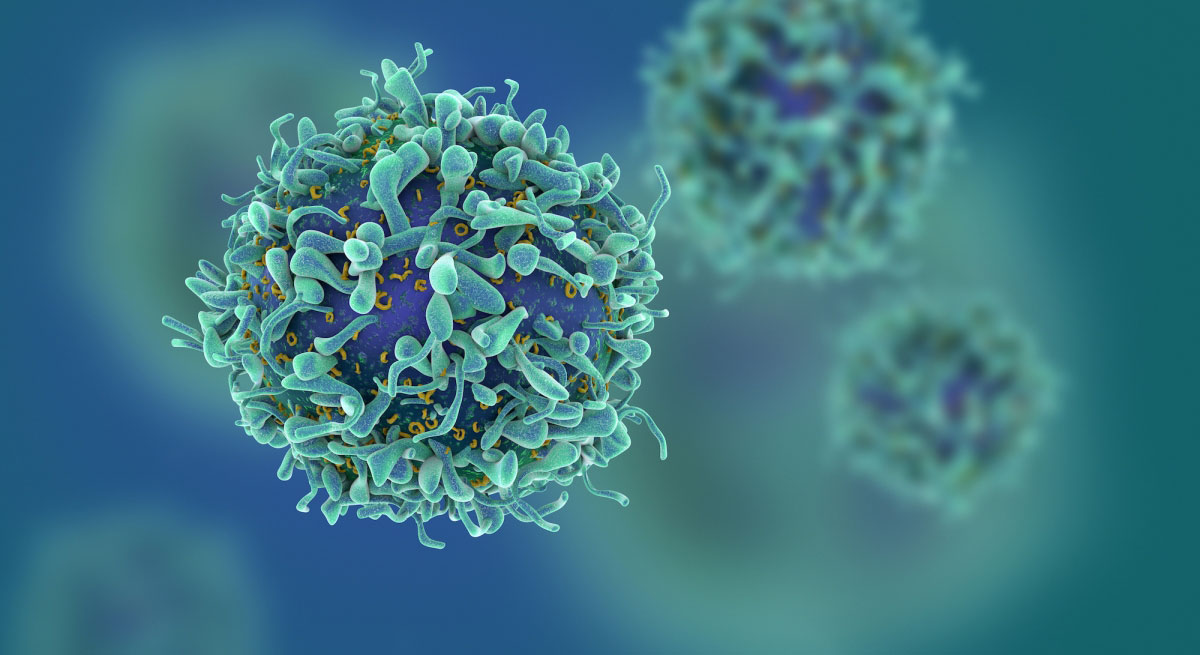
    Certain viruses manipulate the immune response by modifying glycoproteins on CD8+ T cells, which makes them less functional and allows the pathogen to establish a chronic infection. Targeting this pathway can restore some T cell functionality and enhance the capacity to control the infection.

    How do viruses that cause chronic infections, such as HIV or hepatitis c virus, manage to outsmart their hosts’ immune systems?

    The answer to that question has long eluded scientists, but new research from McGill University has uncovered a molecular mechanism that may be a key piece of the puzzle. The discovery could provide new targets for treating a wide range of diseases.

    Fighting off infections depends largely on our bodies’ capacity to quickly recognize infected cells and destroy them, a job carried out by a class of immune cells known as CD8+ T cells. These soldiers get some of their orders from chemical mediators known as cytokines that make them more or less responsive to outside threats. In most cases, CD8+ T cells quickly recognize and destroy infected cells to prevent the infection from spreading.

    “When it comes to viruses that lead to chronic infection, immune cells receive the wrong set of marching orders, which makes them less responsive,” says Martin Richer, an assistant professor at McGill’s Department of Microbiology & Immunology and senior author of the study, published recently in the journal Immunity.

    The research, conducted in Richer’s lab by graduate student Logan Smith, revealed that certain viruses persist by driving the production of a cytokine that leads to modification of glycoproteins on the surface of the CD8+ T cells, making the cells less functional. That maneuver buys time for the pathogen to outpace the immune response and establish a chronic infection. Importantly, this pathway can be targeted to restore some functionality to the T cells and enhance the capacity to control infection.

    The discovery of this regulatory pathway could help identify new therapeutic targets for a variety of diseases. “We might be able to take advantage of the pathways induced by these signals to fight chronic viral infections by making the immune system more responsive,” Richer says. “The findings might also prove useful for diseases like cancer and autoimmunity, where T cells function is poorly regulated.”

    Reference: “Interleukin-10 Directly Inhibits CD8+ T Cell Function by Enhancing N-Glycan Branching to Decrease Antigen Sensitivity” by Logan K. Smith, Giselle M. Boukhaled, Stephanie A. Condotta, Sabrina Mazouz, Jenna J. Guthmiller, Rahul Vijay, Noah S. Butler, Julie Bruneau, Naglaa H. Shoukry, Connie M. Krawczyk and Martin J. Richer, 23 January 2018, Immunity.
    DOI: 10.1016/j.immuni.2018.01.006

    Never miss a breakthrough: Join the SciTechDaily newsletter.
    Follow us on Google and Google News.

    Cell Biology HIV Immunobiology McGill University Medicine Virus
    Share. Facebook Twitter Pinterest LinkedIn Email Reddit

    Related Articles

    Scientists Reveal How An Immune System Protein Helps Suppress HIV

    Researchers Find New Pathway to Regulate Immune Response

    Researchers Discover How to Stop Cell Death Associated with Multiple Diseases

    New Cell Dysfunction Discovery Sheds Light on HIV

    University Biologists Identify Key Step in Viral Replication

    A Powerful New Tool for Studying Complex Biological Events

    Scientists Discover How a Gene Mutation Affects T Cell Function and Successfully Fix It

    New Findings Provide a Design for an HIV Vaccine Germline-Targeting Immunogen

    Yale Researchers Reveal How HIV Spreads in Real Time

    Leave A Reply Cancel Reply

    • Facebook
    • Twitter
    • Pinterest
    • YouTube

    Don't Miss a Discovery

    Subscribe for the Latest in Science & Tech!

    Trending News

    Scientists Discover Game-Changing New Way To Treat High Cholesterol

    This Small Change to Your Exercise Routine Could Be the Secret to Living Longer

    Scientists Discover 430,000-Year-Old Wooden Tools, Rewriting Human History

    AI Could Detect Early Signs of Alzheimer’s in Under a Minute – Far Before Traditional Tests

    What if Dark Matter Has Two Forms? Bold New Hypothesis Could Explain a Cosmic Mystery

    This Metal Melts in Your Hand – and Scientists Just Discovered Something Strange

    Beef vs. Chicken: Surprising Results From New Prediabetes Study

    Alzheimer’s Breakthrough: Scientists Discover Key Protein May Prevent Toxic Protein Clumps in the Brain

    Follow SciTechDaily
    • Facebook
    • Twitter
    • YouTube
    • Pinterest
    • Newsletter
    • RSS
    SciTech News
    • Biology News
    • Chemistry News
    • Earth News
    • Health News
    • Physics News
    • Science News
    • Space News
    • Technology News
    Recent Posts
    • Revolutionary Imaging Technique Unlocks Secrets of Matter at Extreme Speeds
    • Where Does Mass Come From? Scientists Find Evidence of a New Exotic Nuclear State
    • Quantum Breakthrough: Unhackable Keys Sent Over 120 km Using Quantum Dots
    • Researchers Discover Unknown Beetle Species Just Steps From Their Lab
    • Jellyfish Caught Feasting on Exploding Sea Worms for the First Time
    Copyright © 1998 - 2026 SciTechDaily. All Rights Reserved.
    • Science News
    • About
    • Contact
    • Editorial Board
    • Privacy Policy
    • Terms of Use

    Type above and press Enter to search. Press Esc to cancel.