
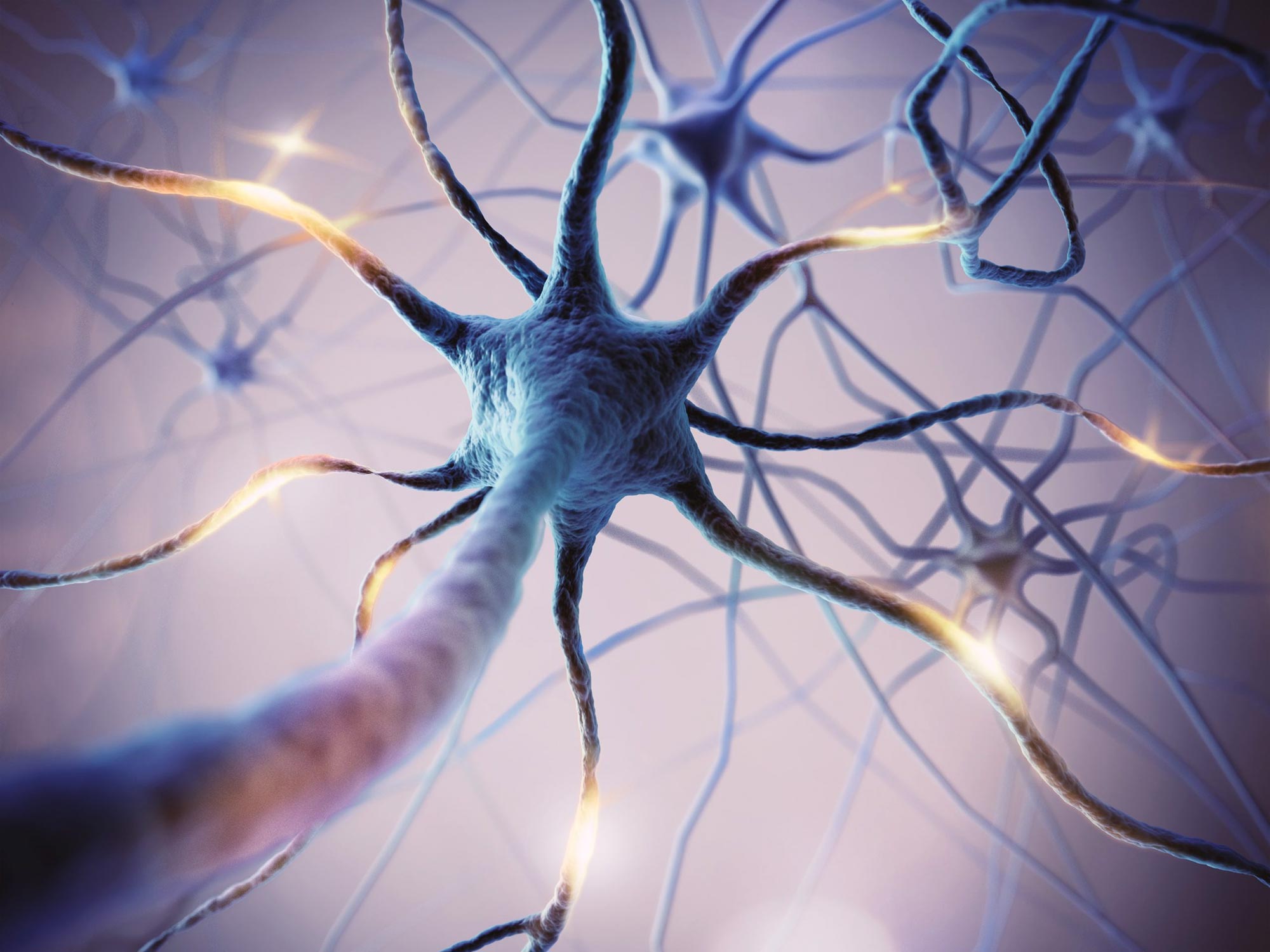
A mouse study funded by the NIH offers insights into how aging may influence genetic activity in brain cells.
New brain mapping research funded by the National Institutes of Health (NIH) reveals that different cell types in the brain age in distinct ways. Scientists found that certain cells, such as a small group responsible for hormone regulation, experience more significant age-related changes in genetic activity compared to others.
Published in Nature, the findings suggest that some cells are more vulnerable to aging and brain-related disorders than others.
“Aging is the most important risk factor for Alzheimer’s disease and many other devastating brain disorders. These results provide a highly detailed map for which brain cells may be most affected by aging,” said Richard J. Hodes, M.D., director of NIH’s National Institute on Aging. “This new map may fundamentally alter the way scientists think about how aging affects the brain and also provide a guide for developing new treatments for aging-related brain diseases.”
Methodology and Key Findings
Scientists used advanced genetic analysis tools to study individual cells in the brains of 2-month-old “young” and 18-month-old “aged” mice. For each age, researchers analyzed the genetic activity of a variety of cell types located in 16 different broad regions — constituting 35% of the total volume of a mouse brain.
Like previous studies, the initial results showed a decrease in the activity of genes associated with neuronal circuits. These decreases were seen in neurons, the primary circuitry cells, as well as in “glial” cells called astrocytes and oligodendrocytes, which can support neural signaling by controlling neurotransmitter levels and electrically insulating nerve fibers. In contrast, aging increased the activity of genes associated with the brain’s immunity and inflammatory systems, as well as brain blood vessel cells.
Further analysis helped spot which cell types may be the most sensitive to aging. For example, the results suggested that aging reduces the development of newborn neurons found in at least three different parts of the brain. Previous studies have shown that some of these newborn neurons may play a role in the circuitry that controls some forms of learning and memory while others may help mice recognize different smells.
The Hypothalamus and Aging Sensitivity
The cells that appeared to be the most sensitive to aging surround the third ventricle, a major pipeline that enables cerebrospinal fluid to pass through the hypothalamus.
Located at the base of the mouse brain, the hypothalamus produces hormones that can control the body’s basic needs, including temperature, heart rate, sleep, thirst, and hunger. The results showed that cells lining the third ventricle and neighboring neurons in the hypothalamus had the greatest changes in genetic activity with age, including increases in immunity genes and decreases in genes associated with neuronal circuitry.
The authors noted that these observations align with previous studies on several different animals that showed links between aging and body metabolism, including those on how intermittent fasting and other calorie-restricting diets can increase life span. Specifically, the age-sensitive neurons in the hypothalamus are known to produce feeding and energy-controlling hormones while the ventricle-lining cells control the passage of hormones and nutrients between the brain and the body.
Implications and Future Research
More research is needed to examine the biological mechanisms underlying the findings, as well as search for any possible links to human health.
The project was led by Kelly Jin, Ph.D., Bosiljka Tasic, Ph.D., and Hongkui Zeng, Ph.D., from the Allen Institute for Brain Science, Seattle. The scientists used brain mapping tools — developed as part of the NIH’s Brain Research Through Advancing Innovative Neurotechnologies® (BRAIN) Initiative – Cell Census Network (BICCN) — to study more than 1.2 million brain cells, or about 1% of total brain cells, from young and aged mice.
“For years scientists studied the effects of aging on the brain mostly one cell at a time. Now, with innovative brain mapping tools – made possible by the NIH BRAIN Initiative – researchers can study how aging affects much of the whole brain,” said John Ngai, Ph.D., director, The BRAIN Initiative®. “This study shows that examining the brain more globally can provide scientists with fresh insights on how the brain ages and how neurodegenerative diseases may disrupt normal aging activity.”
Reference: “Brain-wide cell-type-specific transcriptomic signatures of healthy ageing in mice” by Kelly Jin, Zizhen Yao, Cindy T. J. van Velthoven, Eitan S. Kaplan, Katie Glattfelder, Samuel T. Barlow, Gabriella Boyer, Daniel Carey, Tamara Casper, Anish Bhaswanth Chakka, Rushil Chakrabarty, Michael Clark, Max Departee, Marie Desierto, Amanda Gary, Jessica Gloe, Jeff Goldy, Nathan Guilford, Junitta Guzman, Daniel Hirschstein, Changkyu Lee, Elizabeth Liang, Trangthanh Pham, Melissa Reding, Kara Ronellenfitch, Augustin Ruiz, Josh Sevigny, Nadiya Shapovalova, Lyudmila Shulga, Josef Sulc, Amy Torkelson, Herman Tung, Boaz Levi, Susan M. Sunkin, Nick Dee, Luke Esposito, Kimberly A. Smith, Bosiljka Tasic and Hongkui Zeng, 1 January 2025, Nature.
DOI: 10.1038/s41586-024-08350-8
This study was funded by NIH grants R01AG066027 and U19MH114830.
Researchers can obtain data from the study by going to the following website: https://assets.nemoarchive.org/dat-61kfys3
Never miss a breakthrough: Join the SciTechDaily newsletter.
Follow us on Google and Google News.
1 Comment
{“Aging is the most important risk factor for Alzheimer’s disease and many other devastating brain disorders. These results provide a highly detailed map for which brain cells may be most affected by aging,” said Richard J. Hodes, M.D., director of NIH’s National Institute on Aging.]”
It was ignorant and incompetent on January 1 and it’s ignorant and incompetent on January 6: https://scitechdaily.com/the-hypothalamic-hotspot-revealing-the-brains-secret-to-aging/#comment-869404