
New Research Suggests That It Might
Numerous serious health problems, including heart disease, high blood pressure, obesity, and even sleeplessness, have been related to stress. However, it is generally acknowledged that certain stress can be beneficial, such as when a person is trying to meet a deadline at work. But what if certain levels of stress can actually protect the body?
According to a recent study from the Case Western Reserve University School of Medicine, the immune system may benefit from a measure of stress. The study was recently published in the journal Proceedings of the National Academy of Sciences.
“This one of the few studies showing that chronic stress could have beneficial effects instead of negative effects,” said senior author Fabio Cominelli, professor of medicine and pathology and associate dean for program development at the School of Medicine. “This was a little bit of a surprise for us.”
The Study
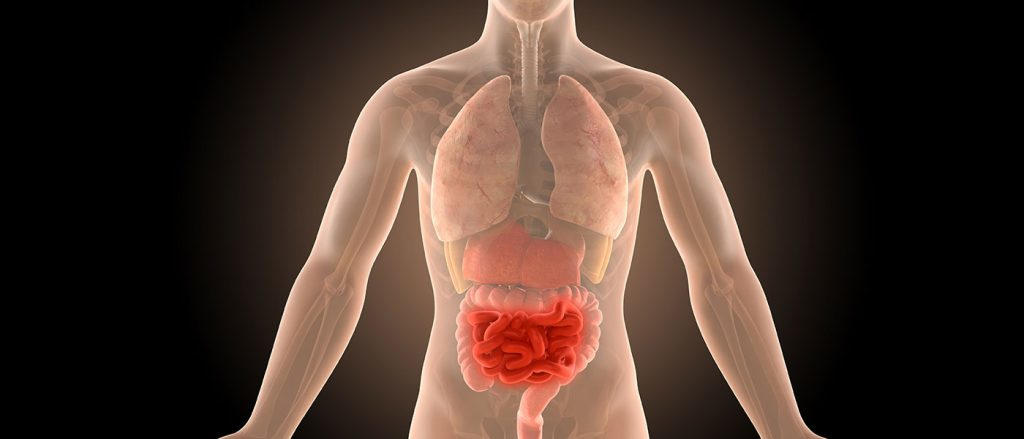
Inflammatory bowel disease (IBD) symptoms have been reported to worsen under conditions of psychological stress. Similarly, more severe inflammation is connected with intestinal tertiary lymphoid organs (TLOs), which are immune cells that arise in response to chronic inflammation or injury. While the role of TLOs and stress in IBD is disputed, TLO formation in the context of stress has not been explored.
In this study, mouse models with Crohn’s disease-like ileitis exhibited dramatically increased TLO formation in the colon as an immunological response after 56 days of stress. Stress did not, however, substantially worsen small or large intestinal inflammation.
The microbiome of the stressed mice was compositionally unchanged from the control. However, owing to inherent flaws in how the microbiome is assessed, researchers opted to do fecal microbiome transplantation. While mice given stressed mice’s microbiome exhibited the same behavioral characteristics as their donors, transplanting did not promote TLO formation.
Instead, stress was found to increase the production of the cytokines IL-23 and IL-22. These two cytokines are a part of the TLO formation pathway. IL-22 plays a protective role in wound healing and tissue regeneration and can have both anti-inflammatory and pro-inflammatory responses.
Stressed mice deficient in the receptor for IL-23 had increased IL-23, but not IL-22, and couldn’t increase TLO formation. This effect was reversed when IL-22 was administered.
Given the association of TLOs with other diseases, the researchers reasoned that stressed mice would be more susceptible to a “second hit” in the colon. However, compared to unstressed mice, stressed mice actually exhibited less severe inflammation after this “second hit.”
“Our findings demonstrate that psychological stress induces the formation of TLOs by increasing the production of IL-23,” Cominelli said. “Furthermore, the stressed mice were protected after a ‘second hit,’ suggesting TLOs may function to improve the mucosal barrier.”
Typically, stress is associated with more severe inflammation. However, not all patients that experience stress have worse disease. Therefore, this study has translational significance because it demonstrates a condition where stress has a beneficial effect, the scientists said.
“What we discovered is that chronic daily stress for six weeks was beneficial against a second injury. The mouse models that were stressed were actually protected,” Cominelli said. “We showed they had stimulation of the immune system, which protects against intestinal inflammation. What needs to be studied is whether this may translate to other diseases and injuries.”
“So do I want to be stressed? It all depends on the definition of stress. ‘Stimulated’ is a better term,” Cominelli said. “The message is that a little bit of stress is good in your life, but you want to be stressed in the right way.”
Reference: “Chronic stress induces colonic tertiary lymphoid organ formation and protection against secondary injury through IL-23/IL-22 signaling” by Adrian Gomez-Nguyen, Nikhilesh Gupta, Harsha Sanaka, Dennis Gruszka, Alaina Pizarro, Luca DiMartino, Abigail Basson, Paola Menghini, Abdullah Osme, Carlo DeSalvo, Theresa Pizarro and Fabio Cominelli, 26 September 2022, Proceedings of the National Academy of Sciences.
DOI: 10.1073/pnas.2208160119
Never miss a breakthrough: Join the SciTechDaily newsletter.
Follow us on Google and Google News.