
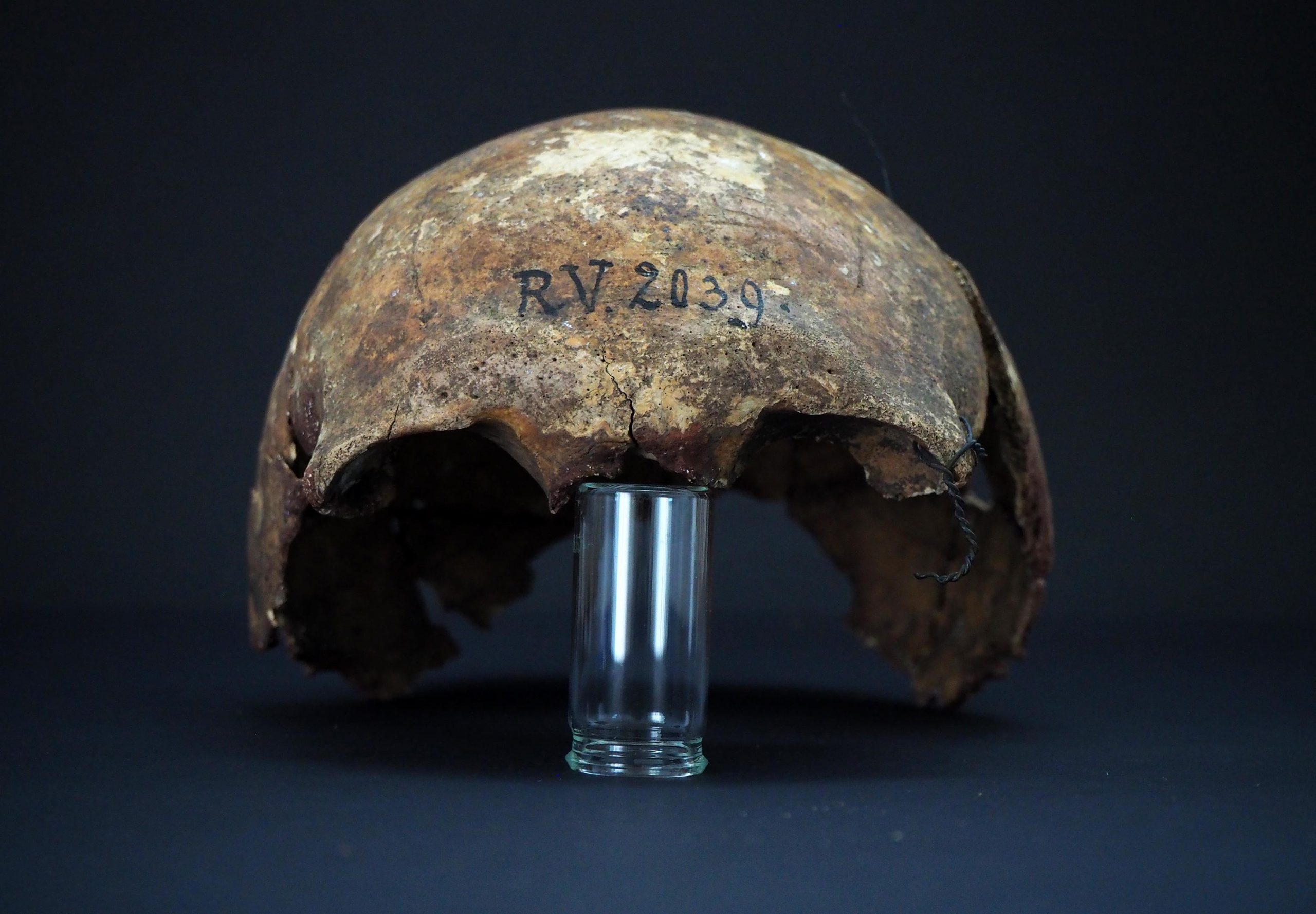
A 5,000-year-old plague strain found in Latvia shows Y. pestis once spread slowly and wasn’t highly contagious.
The oldest strain of Yersinia pestis — the bacteria behind the plague that caused the Black Death, which may have killed as much as half of Europe’s population in the 1300s — has been found in the remains of a 5,000-year-old hunter-gatherer. A genetic analysis published on June 29, 2021, in the journal Cell Reports reveals that this ancient strain was likely less contagious and not as deadly as its medieval version.
“What’s most astonishing is that we can push back the appearance of Y. pestis 2,000 years farther than previously published studies suggested,” says senior author Ben Krause-Kyora, head of the aDNA Laboratory at the University of Kiel in Germany. “It seems that we are really close to the origin of the bacteria.”
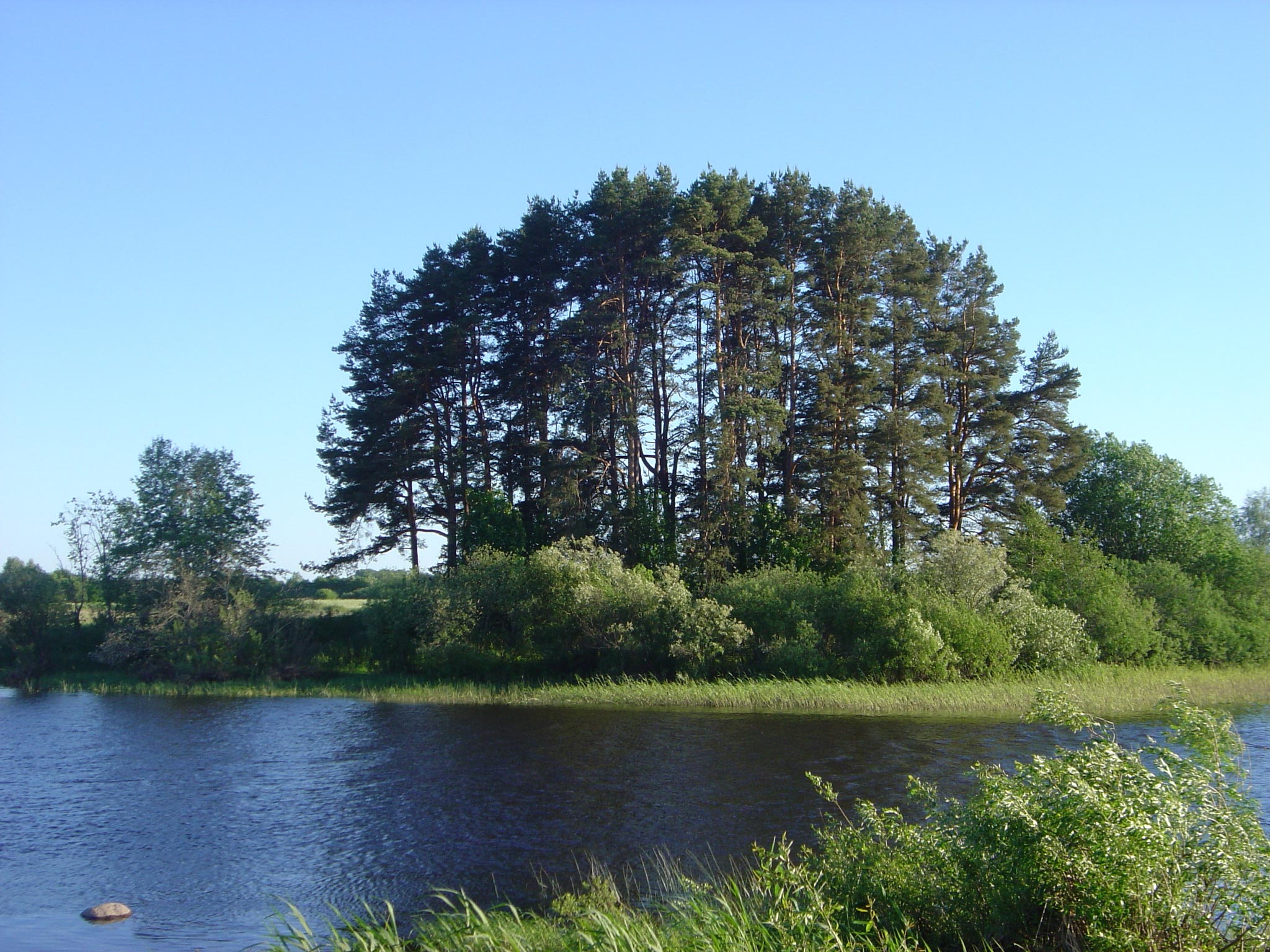
The plague-carrying hunter-gatherer was a 20- to 30-year old man called “RV 2039.” He was one of two people whose skeletons were excavated in the late 1800s in a region called Riņņukalns in present-day Latvia. Soon after, the remains of both vanished until 2011, when they reappeared as part of German anthropologist Rudolph Virchow’s collection. After this re-discovery, two more burials were uncovered from the site for a total of four specimens, likely from the same group of hunter-fisher-gatherers.
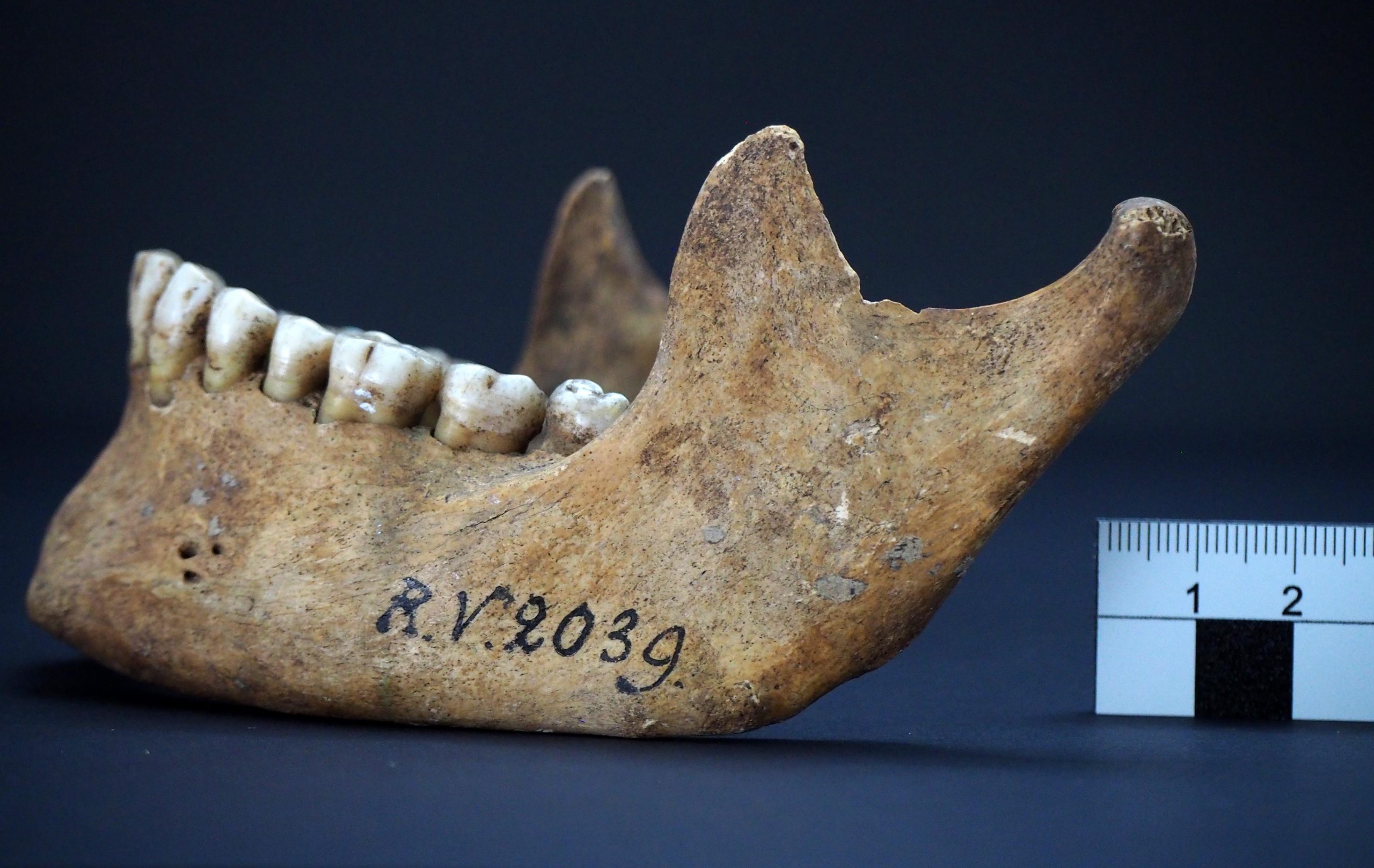
Krause-Kyora and his team used samples from the teeth and bone of all four hunter-gatherers to sequence their genomes and then tested them for bacterial and viral pathogens. They were surprised to find evidence of Y. pestis in RV 2039 — and after reconstructing the bacteria’s genome and comparing it to other ancient strains, the researchers determined that the Y. pestis RV 2039 carried was indeed the oldest strain ever discovered. It was likely part of a lineage that emerged about 7,000 years ago, only a few hundred years after Y. pestis split from its predecessor, Yersinia pseudotuberculosis.
“What’s so surprising is that we see already in this early strain more or less the complete genetic set of Y. pestis, and only a few genes are lacking. But even a small shift in genetic settings can have a dramatic influence on virulence,” says Krause-Kyora.
A Precursor Lacking the Deadliest Gene
In particular, this ancient strain lacked one crucial thing: the gene that first let fleas act as vectors to spread the plague. This gene was responsible for the efficient transmission of the bacterium to human hosts, which resulted in the growth of the infamously grotesque pus-filled buboes in the sick associated with the medieval bubonic plague. The flea-based transmission also required the death of the human host, which means that the appearance of the gene could have driven the evolution of a deadlier disease.
From RV 2039, it likely took more than a thousand years for Y. pestis to acquire all the mutations needed for flea-based transmission. And it’s not clear to what extent RV 2039 experienced the effects of the plague at all.
Y. pestis was found in his bloodstream, meaning he most likely died from the bacterial infection — although, the researchers think the course of the disease might have been fairly slow. They observed that he had a high number of bacteria in his bloodstream at his time of death, and in previous rodent studies, a high bacterial load of Y. pestis has been associated with less aggressive infections. Additionally, the people he was buried near were not infected and RV 2039 was carefully buried in his grave, which the authors say also makes a highly contagious respiratory version of the plague less likely.
Instead, this 5,000-year-old strain likely was transmitted directly via a bite from an infected rodent and probably didn’t spread beyond the infected person. “Isolated cases of transmission from animals to people could explain the different social environments where these ancient diseased humans are discovered. We see it in societies that are herders in the steppe, hunter-gatherers who are fishing, and in farmer communities — totally different social settings but always spontaneous occurrence of Y. pestis cases,” says Krause-Kyora.
Plague’s Role in Early Human History
These conclusions — that the early form of Y. pestis likely was a slow-moving disease and wasn’t very transmissible — challenge many theories about the development of human civilization in Europe and Asia. For example, some historians have suggested that infectious diseases like Y. pestis evolved mostly in megacities of over 10,000 people near the Black Sea. However, 5,000 years ago — the age of RV 2039’s strain — was long before the formation of large cities. Instead, agriculture was just beginning to appear in Central Europe, and populations were much sparser.
This timeline, plus the less contagious and deadly nature of this early Y. pestis strain, also contradicts the hypothesis that Y. pestis led to the large population declines in Western Europe at the end of the Neolithic Age.
The authors say that examining the history of Y. pestis could also potentially shed light on human genomic history. “Different pathogens and the human genome have always evolved together. We know Y. pestis most likely killed half of the European population in a short time frame, so it should have a big impact on the human genome,” says Krause-Kyora. “But even before that, we see major turnover in our immune genes at the end of the Neolithic Age, and it could be that we were seeing a significant change in the pathogen landscape at that time as well.”
Reference: “A 5,000-year-old hunter-gatherer already plagued by Yersinia pestis” by Julian Susat, Harald Lübke, Alexander Immel, Ute Brinker, Aija Macane, John Meadows, Britta Steer, Andreas Tholey, Ilga Zagorska, Guntis Gerhards, Ulrich Schmölcke, Marcis Kalninš, Andre Franke, Elina Petersone-Gordina, Barbara Teßman, Mari Tõrv and Stefan Schreiber, 29 June 2021, Cell Reports.
DOI: 10.1016/j.celrep.2021.109278
This work was supported by the Deutsche Forschungsgemeinschaft (DFG, German Research Foundation) and Germany`s Excellence Strategy. The anthropological and archaeological research on Riņņukalns is funded by the DFG and the University of Latvia.
Never miss a breakthrough: Join the SciTechDaily newsletter.
Follow us on Google and Google News.
1 Comment
Back before the end of the LAST Century (LOL) there were some Biologists who put forth the proposition that Y-pestis mutated in its human host and gave rise to treponema pallidum (Syphilis organism) post 1300s Black Death epidemic. This opinion was overshadowed by the contention that Syphilis was brought back from the New World by Spanish explorers and Conquistadors. Thus its contemporary appellation: The Spanish Pox. However, the first evidence of Syphilis (AKA The French Pox) appeared in Southern France, in the port city of Marseille, in sailors returning from the Eastern Mediterranean in the mid-to-late 1400s; prior to Columbus’ “monumental” voyage. Admittedly, the actual timeframe is illuminated in neutral grey. My opinion at the time held that, if it came from the New World, it might well have arrived in Europe prior to 1492++, on Basque whaling ships returning from their hunting/processing stations in Nova Scotia, Newfoundland and the mouth of the St. Lawrence River. However… subsequent research into New World epidemiology could find no “brick and mortar” (teeth and bones) evidence that the disease was present prior to the European invasion of the New World.
Something wiped out the Caribe Natives in record time. Something that wasn’t present before 1492, when Spanish sailors started “mixing” with the locals.
I love a mystery. This latest “evidence” casts yet ANOTHER light on “things”. Each light DOTH cast another shadow… of Doubt.
🦋