
Close Menu
    Facebook X (Twitter) Instagram
    SciTechDaily
    • Biology
    • Chemistry
    • Earth
    • Health
    • Physics
    • Science
    • Space
    • Technology
    Facebook X (Twitter) Pinterest YouTube RSS
    SciTechDaily
    Home»Biology»Pac-Man-Like Protists Thrive on the Skin of the Earth
    Biology

    Pac-Man-Like Protists Thrive on the Skin of the Earth

    By Smithsonian Tropical Research InstituteJanuary 26, 2020No Comments4 Mins Read
    Facebook Twitter Pinterest Telegram LinkedIn WhatsApp Email Reddit
    Share
    Facebook Twitter LinkedIn Pinterest Telegram Email Reddit
    Soil Samples Contain Microorganisms
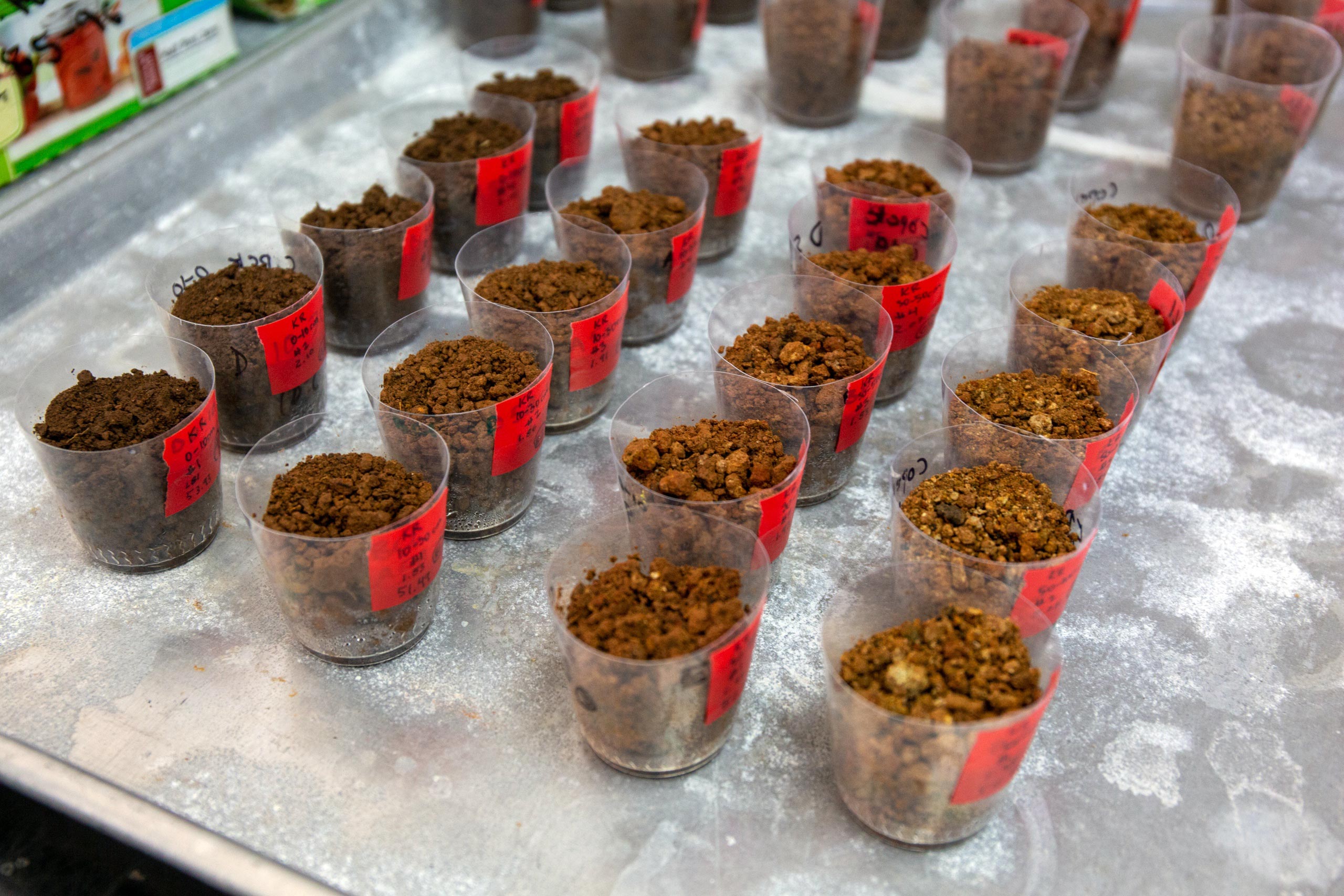
    Even small soil samples contain vast numbers of microorganisms. Soil samples from different layers of soil wait to be analyzed in staff scientist Ben Turner’s lab at the Smithsonian Tropical Research Institute in Panama. Credit: STRI

    Pac-Man, the open-mouthed face of the most successful arcade game ever, is much more well-known than any of the one-celled organisms called protists, at least among people over 30. But the first study to characterize protists in soils from around the world—co-authored by Smithsonian scientists—found that the most common groups of soil protists behave exactly like Pac-Man: moving through the soil matrix, gobbling up bacteria. Their results are published in Science Advances.

    “As part of a bigger project to understand all of the microbes in soil we are characterizing bacteria and fungi, but also a lesser-known, but equally important group called protists,” said Angela Oliverio, former STRI intern and lead author on the paper with professor Noah Fierer and post-doctoral fellow Manuel Delgado-Baquerizo at the University of Colorado, Boulder; staff scientist Ben Turner at the Smithsonian Tropical Research Institute in Panama; researcher Stefan Geisen at the Netherlands Institute of Ecology and professor Fernando Maestre at the Universidad Rey Juan Carlos and the Universidad de Alicante, Spain.
    Ben Turner, Smithsonian Tropical Research Institute
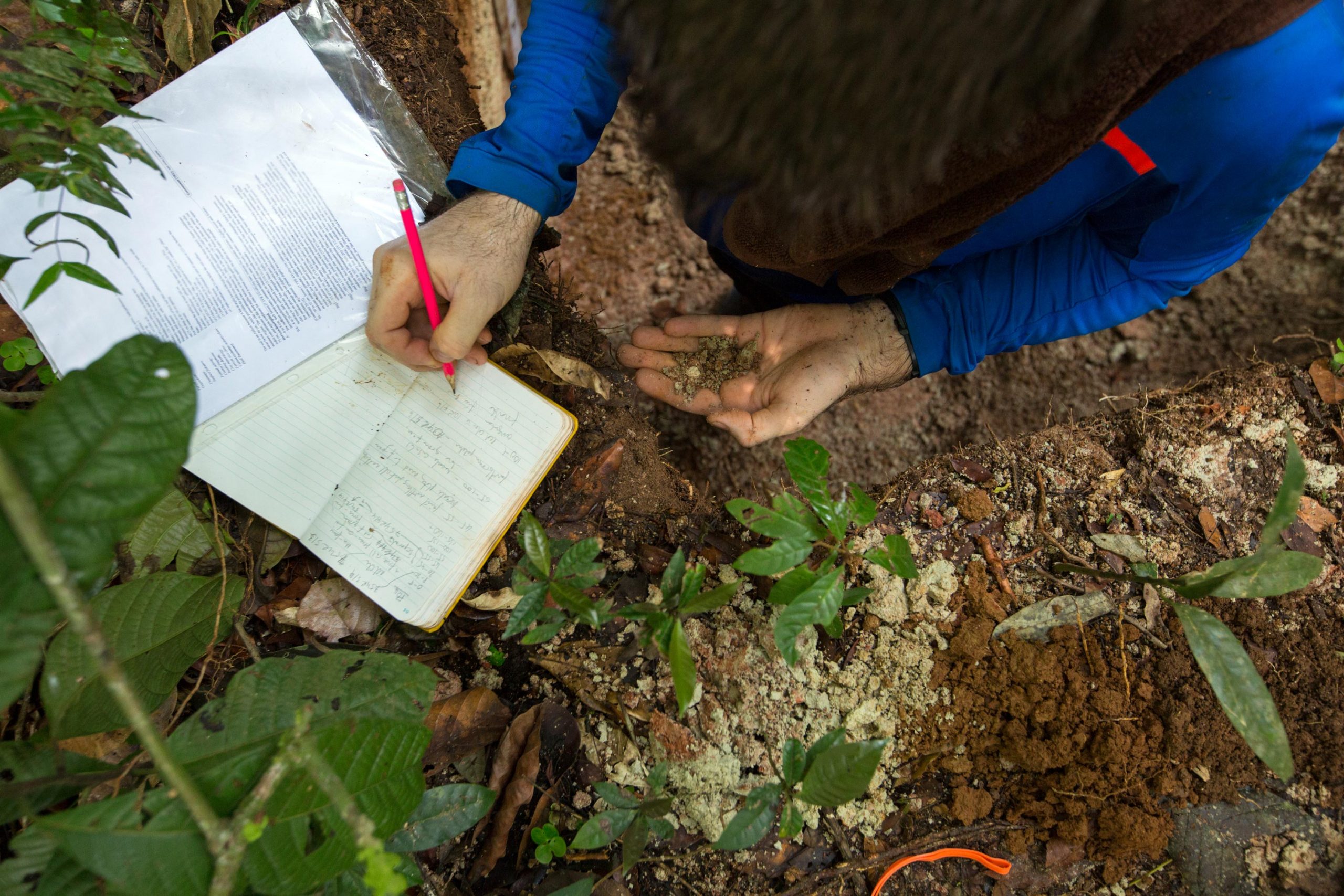
    Little is known about tropical soils but new molecular biology techniques are making it possible to understand more about tiny soil organisms like protists. Ben Turner, staff scientist at the Smithsonian Tropical Research Institute in Panama, records soil characteristics in his field notebook. Credit: STRI

    Protists reproduce quickly and are probably much more responsive to climate change than larger forms of life. Like the cartoon character Sheldon Plankton in Spongebob Squarepants, protists are not plants, animals or fungi. They are single-celled organisms but, unlike bacteria, they have a nucleus. They move through water using whip-like flagellae and tiny hairs called cilia. Some of the nastier protists cause sleeping sickness, malaria and red tide, but nearly all play important, if mysterious, roles in the energy- and nutrient-trading relationships that connect ecosystems.

    Identifying millions of miniscule protists in soil used to be impossible, but recently-developed technology to classify protists based on their genetic code makes it possible to characterize them on a large scale. The team sequenced the 18S ribosomal RNA studied from soil samples from across six continents to better understand the ecological roles of the protists in the below-ground ecosystem.
    Dayana Agudo
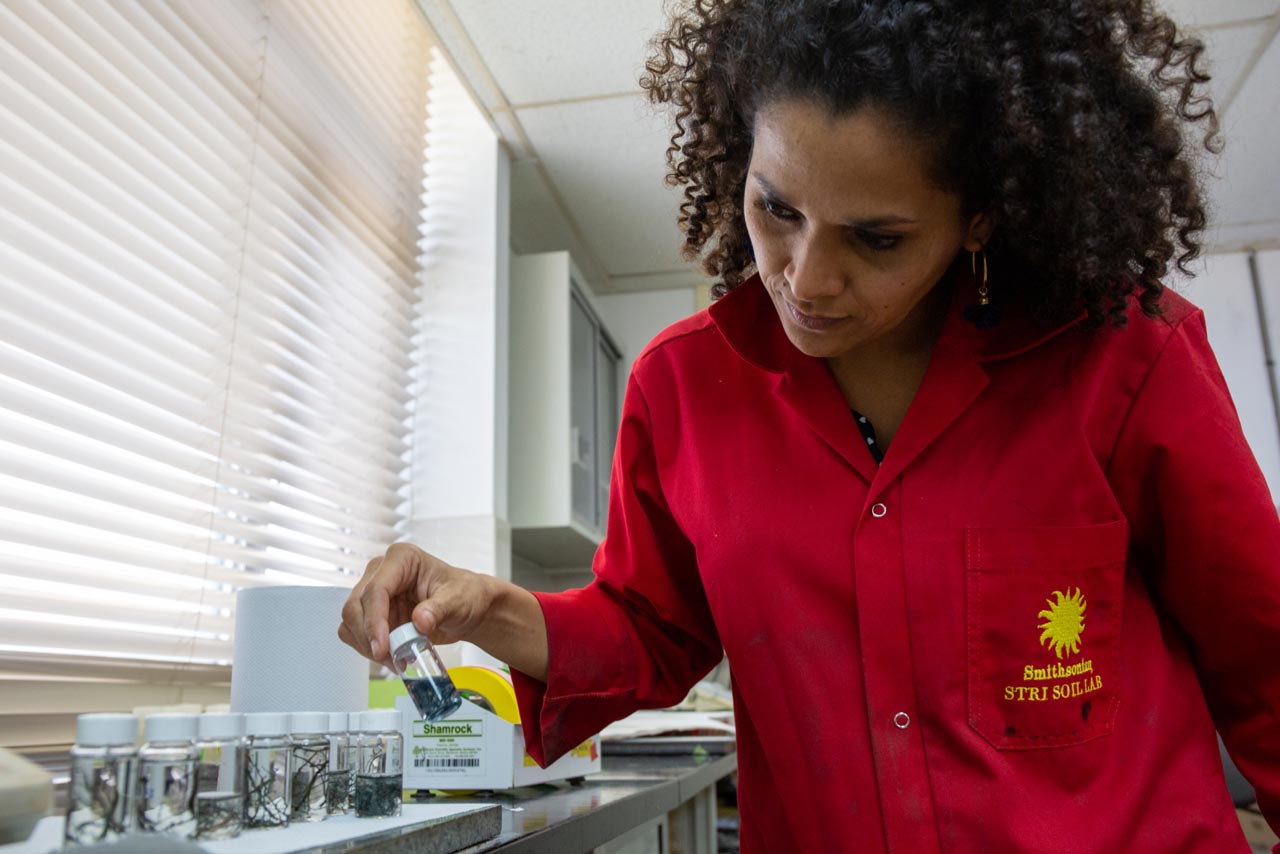
    Dayana Agudo, lab manager in staff scientist Ben Turner’s soil lab at the Smithsonian Tropical Research Institute in Panama. Credit: STRI

    They discovered that most of the protists are the Pac-Man type that consume other, smaller organisms. But in tropical soils, a larger number of protists were parasites, living inside other organisms. In desert soils, there were more protists capable of photosynthesizing and using sunlight directly as an energy source. The best predictor of what types of protists exist in a sample is the annual precipitation at the site. This may seem intuitive because protists depend on water to move, but it was a surprise, since soil acidity, rather than precipitation, is what usually predicts which bacteria and fungi are in soil.

    “Soils are home to an astonishing diversity of organisms, the lives of which we are only beginning to understand,” said Ben Turner, STRI staff scientist and co-author of the study. “Soil protists are an understudied group, so this work provides a foundation for future research on their ecology in ecosystems worldwide.”
    Ben Turner in Soil Pit
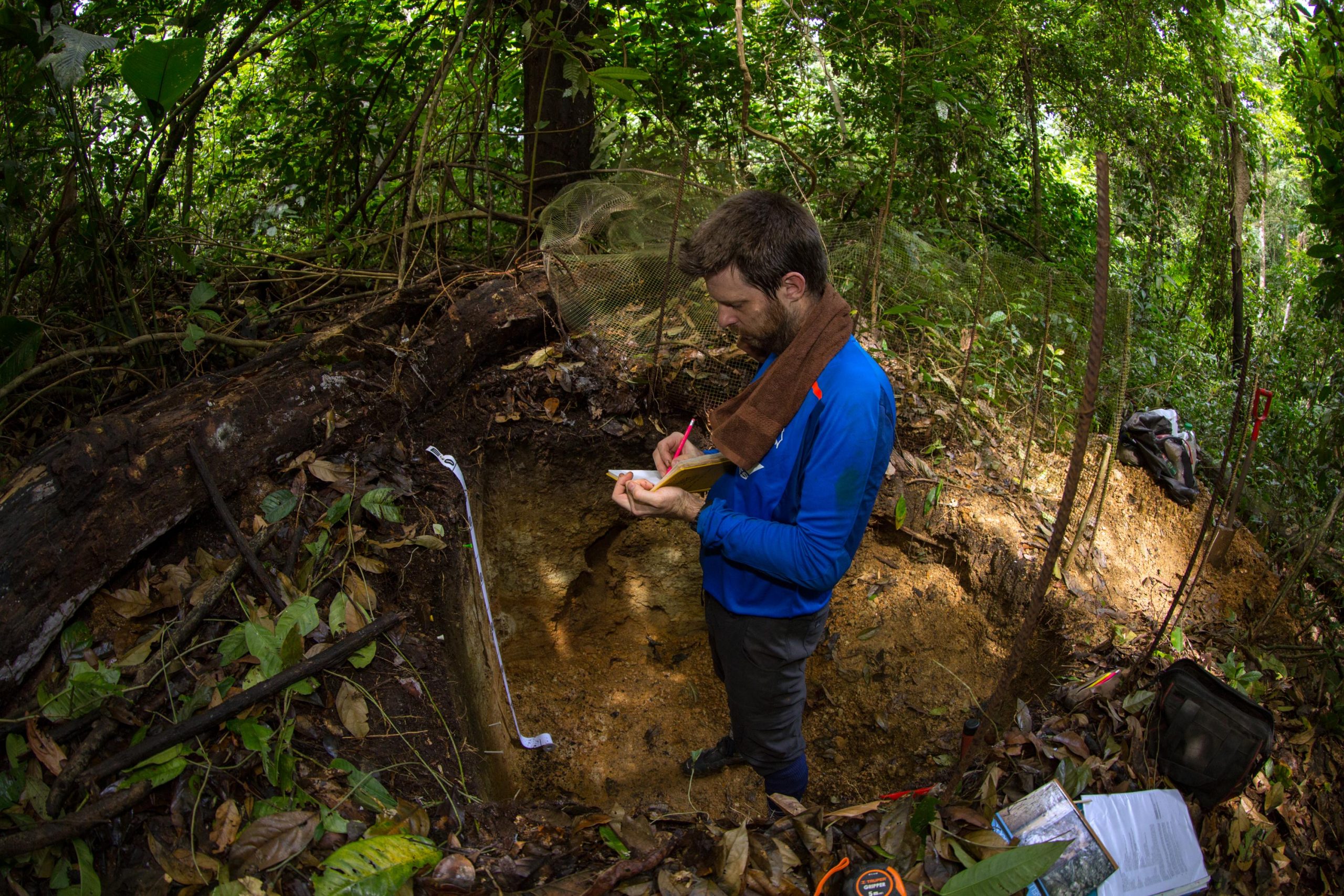
    Soils collected at sites with high and low rainfall make it possible how the presence of water changes the soil microbiome. Ben Turner, staff scientist at the Smithsonian Tropical Research Institute, in a soil profile pit on Barro Colorado Island in Panama. Credit: STRI

    Funding from this study was provided by the Simons Foundation, STRI, a U.S. National Science Foundation Graduate Research Fellowship, a Graduate Fellowship from the Cooperative Institute for Research in Environmental Sciences at the University of Colorado Boulder, the Netherlands Organisation for Scientific Research, the Marie Sklodowska-Curie Actions of the Horizon 2020 Framework Programme and the European Research Council.

    Reference: “The global-scale distributions of soil protists and their contributions to belowground systems” by Angela M. Oliverio, Stefan Geisen, Manuel Delgado-Baquerizo, Fernando T. Maestre, Benjamin L. Turner and Noah Fierer, 24 January 2020, Science Advances.
    DOI: 10.1126/sciadv.aax8787

    Never miss a breakthrough: Join the SciTechDaily newsletter.
    Follow us on Google and Google News.

    Agriculture Geology Microbiology Smithsonian Tropical Research Institute
    Share. Facebook Twitter Pinterest LinkedIn Email Reddit

    Related Articles

    Alternative to Conventional Fertilizers: Fungi Could Manipulate Bacteria to Enrich Soil With Nutrients

    Common Weed Killers Can Increase the Prevalence of Antibiotic Resistant Bacteria

    Plants Control the Genetics of Microbes With Which They Live in Symbiosis

    Rebooting 50 Years of Plant Advice to Solve One of Nature’s Biggest Challenges

    Scientists Solve the Mystery Behind an Enigmatic Organelle, the Pyrenoid

    Microbiologists Discover Bacteria That Feed on Metal, Ending a Century-Long Search

    How Some Crops Replenish Their Own Fertilizer Through Bacteria in Their Roots – A Surprisingly Complex Interaction

    Deadliest Crop Killing Viruses Revealed at High Resolution for the First Time

    Widespread Presence of Antibiotic Resistant Bacteria in Agricultural Soils

    Leave A Reply Cancel Reply

    • Facebook
    • Twitter
    • Pinterest
    • YouTube

    Don't Miss a Discovery

    Subscribe for the Latest in Science & Tech!

    Trending News

    Millions Take These IBS Drugs, But a New Study Finds Serious Risks

    Scientists Unlock Hidden Secrets of 2,300-Year-Old Mummies Using Cutting-Edge CT Scanner

    Bread Might Be Making You Gain Weight Even Without Eating More Calories

    Scientists Discover Massive Magma Reservoir Beneath Tuscany

    Europe’s Most Active Volcano Just Got Stranger – Here’s Why Scientists Are Rethinking It

    Alzheimer’s Symptoms May Start Outside the Brain, Study Finds

    Millions Take This Popular Supplement – Scientists Discover a Concerning Link to Heart Failure

    The Universe Is Expanding Too Fast and Scientists Can’t Explain Why

    Follow SciTechDaily
    • Facebook
    • Twitter
    • YouTube
    • Pinterest
    • Newsletter
    • RSS
    SciTech News
    • Biology News
    • Chemistry News
    • Earth News
    • Health News
    • Physics News
    • Science News
    • Space News
    • Technology News
    Recent Posts
    • Scientists Say a Hidden Structure May Exist Inside Earth’s Core
    • Doctors Surprised by the Power of a Simple Drug Against Colon Cancer
    • Why Popular Diabetes Drugs Like Ozempic Don’t Work for Everyone: The “Genetic Glitch”
    • Scientists Create Improved Insulin Cells That Reverse Diabetes in Mice
    • Scientists Stunned After Finding Plant Thought Extinct for 60 Years
    Copyright © 1998 - 2026 SciTechDaily. All Rights Reserved.
    • Science News
    • About
    • Contact
    • Editorial Board
    • Privacy Policy
    • Terms of Use

    Type above and press Enter to search. Press Esc to cancel.