
Close Menu
    Facebook X (Twitter) Instagram
    SciTechDaily
    • Biology
    • Chemistry
    • Earth
    • Health
    • Physics
    • Science
    • Space
    • Technology
    Facebook X (Twitter) Pinterest YouTube RSS
    SciTechDaily
    Home»Health»Personalized Soundscape To Help People With Dementia With Time and Place Recognition
    Health

    Personalized Soundscape To Help People With Dementia With Time and Place Recognition

    By Acoustical Society of AmericaJune 9, 2021No Comments2 Mins Read
    Facebook Twitter Pinterest Telegram LinkedIn WhatsApp Email Reddit
    Share
    Facebook Twitter LinkedIn Pinterest Telegram Email Reddit
    Arezoo Talebzadeh: Soundscape Design for People With Dementia
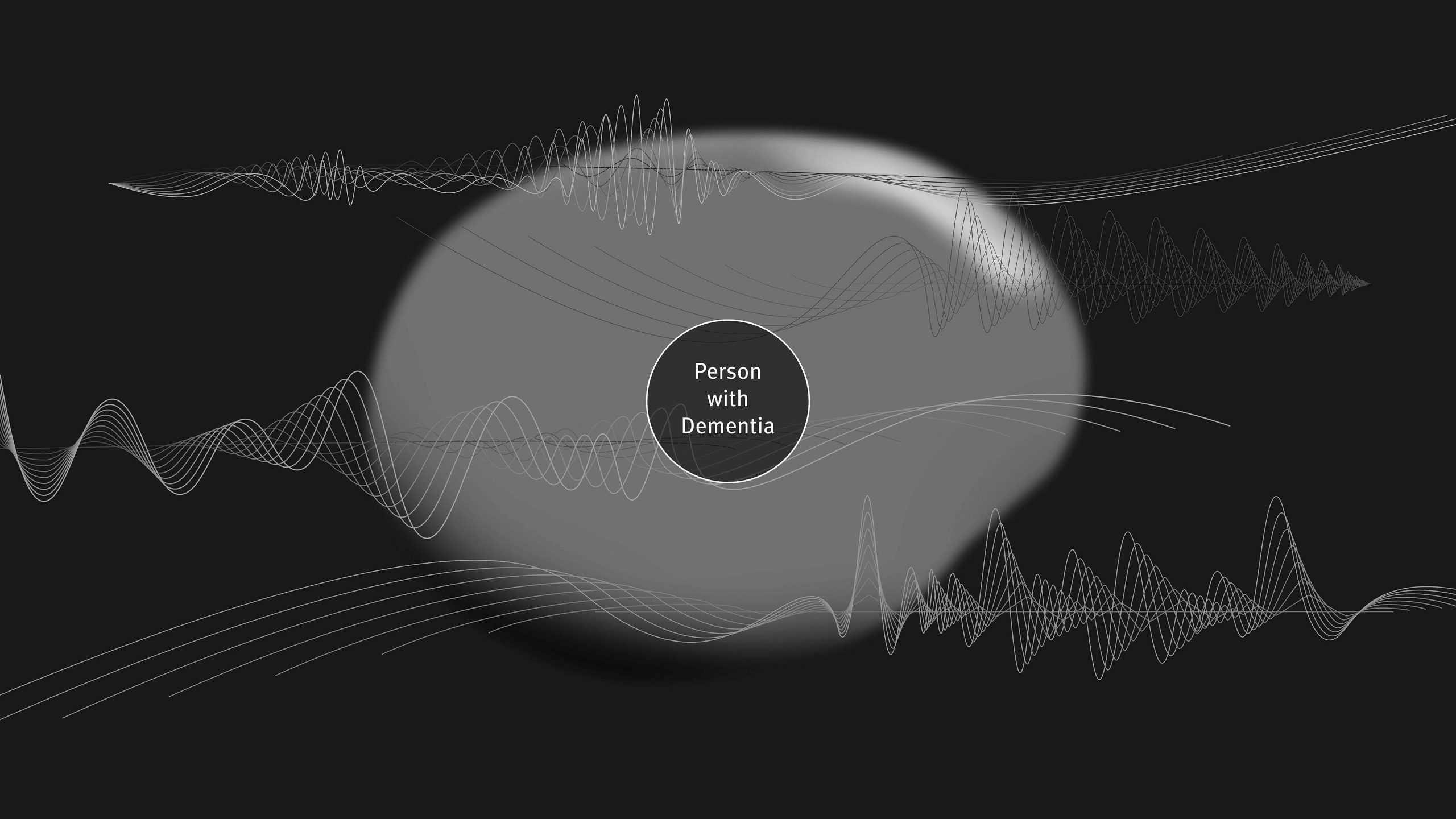
    During the 180th ASA Meeting, Arezoo Talebzadeh from Ghent University will show how a personalized soundscape can help those with dementia by providing clues regarding time of day and place. Credit: Arezoo Talebzadeh, Ghent University

    Acoustical environments can prevent, reduce behavioral and psychological symptoms.

    Designing a soundscape to improve the quality of life for an individual is centered on putting their perception at the heart of the process. It becomes trickier for people who have diminished cognitive capacities.

    During the 180th Meeting of the Acoustical Society of America, which will be held virtually June 8-10, Arezoo Talebzadeh, from Ghent University, will show how a personalized soundscape can help those with dementia by providing clues regarding time of day and place. The session, “Soundscape design for people with dementia; the correlation between psychoacoustic parameter and human perception,” will take place Wednesday, June 9, at 9:35 a.m. Eastern U.S.

    Using a system called AcustiCare, a personalized soundscape is created with a customized algorithm that plays scheduled sounds at specific moments throughout the day. Through feedback, the system can refine the sounds to be played the next day, helping to reinforce time and space for dementia patients.

    sychoacoustic Cues for Time and Place Awareness

    “The sounds consist of a collection of natural sounds, birdsongs, outdoor sounds, water/rain sounds and kitchen sounds, music, bell sound, and similar,” Talebzadeh said. “From these sounds, psychoacoustic parameters and metadata is used to obtain similarity information between the different sounds. This information is used to suggest a new sound related to the feedback findings.”

    Talebzadeh said his research aims to discover the correlation between psychoacoustic environments and mood change, hoping to trigger responses that elicit feelings of safety. The soundscape could improve the quality of life of people with dementia by improving sleep quality, reducing agitation, anxiety, and distress and reduce behavioral and psychological symptoms of dementia, the use of psychoactive drugs, and stress on caregivers and staff.

    “One of the environmental factors is the infrastructure of care facilities,” Talebzadeh said. “Various modifications are possible to support a dementia-friendly environment that can also contribute to preventing or reducing behavioral and psychological symptoms of dementia. Sound is one of the environmental factors.”

    Never miss a breakthrough: Join the SciTechDaily newsletter.
    Follow us on Google and Google News.

    Acoustical Society of America Acoustics Behavioral Science Dementia Neuroscience Perception
    Share. Facebook Twitter Pinterest LinkedIn Email Reddit

    Related Articles

    Marijuana Concentrates Boost THC Levels but Not Impairment – Mobile Lab Offers First Glimpse of Real-World Use

    The Combination of Foods You Eat Together May Raise Dementia Risk

    An Aspirin a Day Does Not Keep Dementia at Bay – No Difference Than Placebo

    Scientists Can See the Bias in Your Brain – Even Before You Make Your Decision

    Questions About What It Means to Be Conscious After Discovery That EEG Doesn’t Always Track Being Awake

    Burps in “Rick and Morty” Analyzed for Latent Linguistic Meaning

    UC Berkeley Study Links Sleep Deprivation to Junk Food Cravings

    ‘Healthy Neuroticism’ Lowers Risk of Chronic Disease

    Ketamine Produces Rapid Antidepressant Responses

    Leave A Reply Cancel Reply

    • Facebook
    • Twitter
    • Pinterest
    • YouTube

    Don't Miss a Discovery

    Subscribe for the Latest in Science & Tech!

    Trending News

    Scientists Say This Natural Hormone Reverses Obesity by Targeting the Brain

    35-Million-Year-Old Mystery: Strange Arachnid Discovered Preserved in Amber

    Is AI Really Just a Tool? It Could Be Altering How You See Reality

    JWST Reveals a “Forbidden” Planet With a Baffling Composition

    The Protein “Sabotaging” Aging Muscle Recovery Could Be Key to Surviving Aging

    This Diet–Gut Interaction Could Transform Fat Into a Calorie-Burning Machine

    Scientists Discover Hidden Virus Linked to Colorectal Cancer

    Scientists Discover 132-Million-Year-Old Dinosaur Tracks on South Africa’s Coast

    Follow SciTechDaily
    • Facebook
    • Twitter
    • YouTube
    • Pinterest
    • Newsletter
    • RSS
    SciTech News
    • Biology News
    • Chemistry News
    • Earth News
    • Health News
    • Physics News
    • Science News
    • Space News
    • Technology News
    Recent Posts
    • Beyond “Safe Levels”: Study Challenges What We Know About Pesticides and Cancer
    • Researchers Have Found a Dietary Compound That Increases Longevity
    • 5 Things Experts Say You’re Getting Wrong About Protein
    • Scientists Create “Optical Tornadoes” That Twist Light Into a Swirling Vortex
    • Scientists Uncover Hidden Superconductivity in Material Once Thought Only Magnetic
    Copyright © 1998 - 2026 SciTechDaily. All Rights Reserved.
    • Science News
    • About
    • Contact
    • Editorial Board
    • Privacy Policy
    • Terms of Use

    Type above and press Enter to search. Press Esc to cancel.