
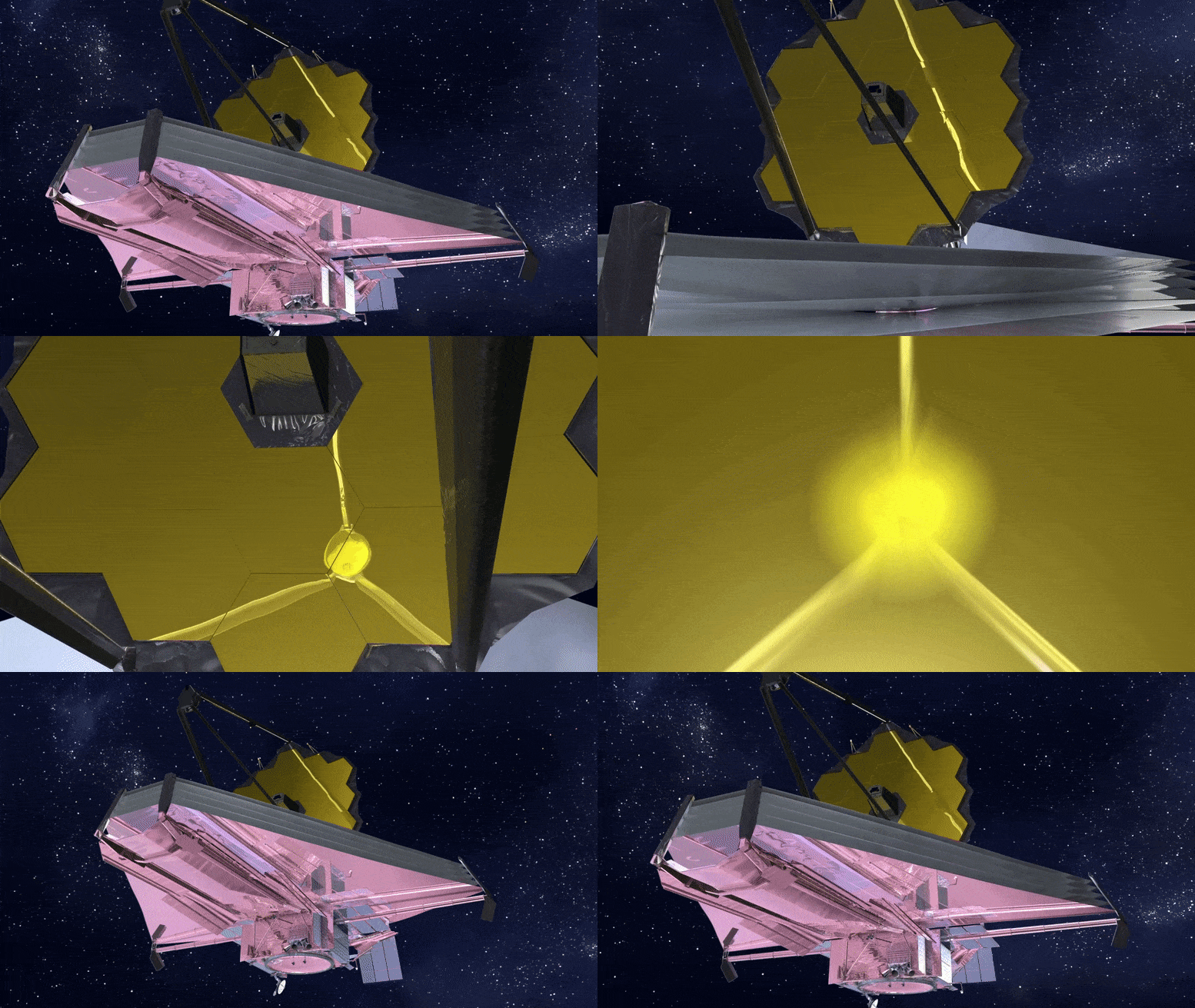
Now begins the process of aligning all 18 mirror segments so that they work together as one.
Since the arrival of NASA’s James Webb Space Telescope at its orbital destination January 24, the mission operations team has successfully powered on all of the telescope’s science instruments, including its primary camera, the Near Infrared Camera, or NIRCam, built by a team of researchers and engineers led by University of Arizona astronomer Marcia Rieke.
Turning the instruments on is the first in a series of critical steps that also includes turning off heaters to begin a long cool-down process for the instruments and aligning the telescope’s mirrors over a period of months.
Launched on December 25, Webb is NASA’s top science priority, and UArizona astronomers played key roles in designing and developing the telescope’s infrared eyes. NIRCam and MIRI, which stands for Mid-Infrared Instrument, will allow Webb to peer deeper into the cosmos than ever before and collect light from the earliest stars, galaxies, nebulous stellar nurseries, planetary atmospheres, and more.
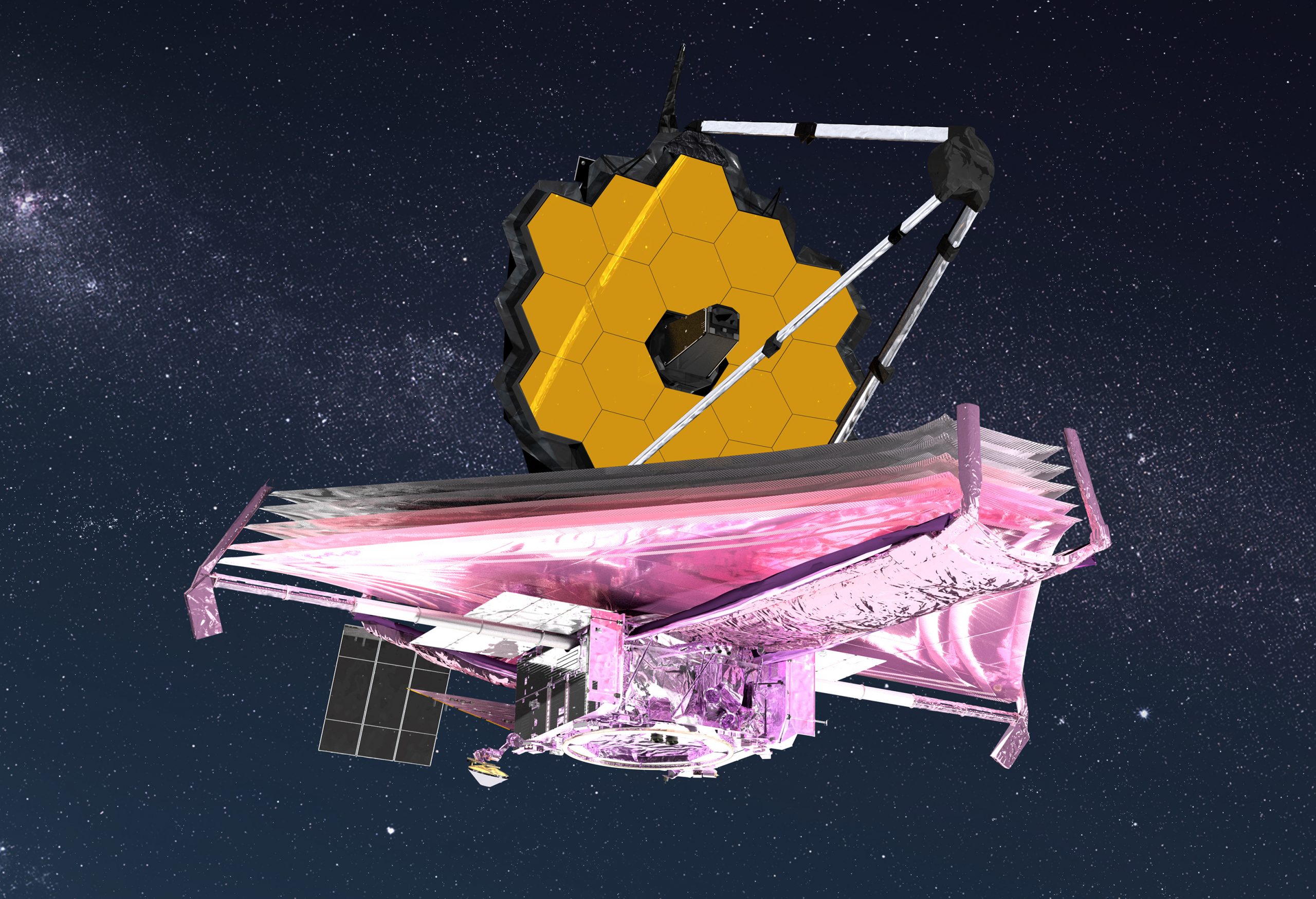
Marcia Rieke, a University of Arizona Regents Professor of Astronomy, is principal investigator for NIRCam. Her husband, George Rieke, also a Regents Professor of Astronomy, is the science team lead for MIRI.
While MIRI and some components of the telescope’s other instruments were powered on in the weeks after Webb’s December 25 launch, the final three instruments – including NIRCam – turned on in the past few days.
After the powered-on instruments undergo initial checks, the mission operations team’s next major step is to turn off instrument heaters. The heaters keep critical optics warm to protect them from water and ice condensation. As the instruments meet predefined criteria for overall temperatures, the team will shut off the heaters to allow the instruments to cool to final temperatures that will allow the infrared detectors to see faint objects in the night sky.
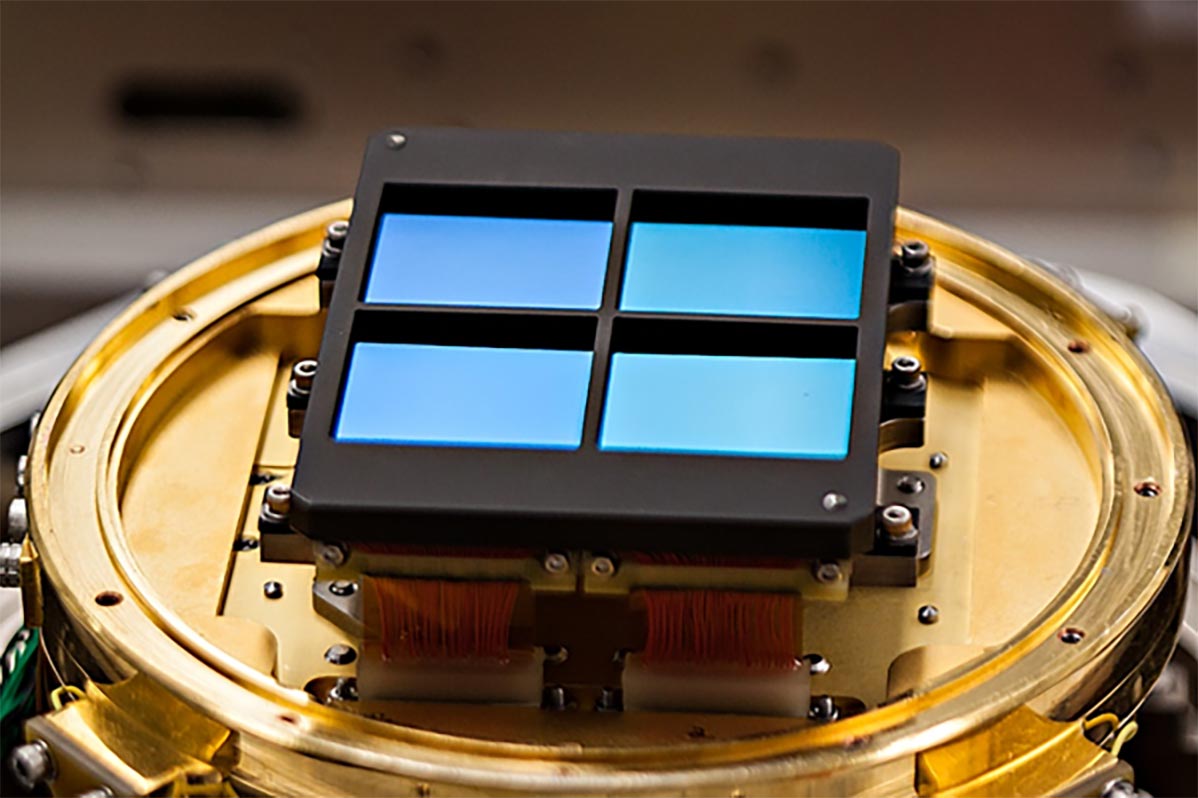
When NIRCam reaches about minus 244 degrees Fahrenheit, likely later this week, Webb’s optics team will be ready to begin meticulously aligning the telescope’s 18 primary mirror segments to work together as a single mirror surface. NASA is targeting star HD84406 to begin this process. It will be the first object NIRCam sees when photons of light hit the instrument’s powered-on detectors. However, it won’t be the first image that is shared with the public. That object has not been chosen yet, and NASA will likely release the image this summer.
NIRCam was assigned the task of aligning the telescope because it was built to observe shorter wavelengths of light than the other onboard instruments. Because of this, it can discern the most detail and is the most sensitive to misalignment.
“These first photos mean that we finally get starlight moving through the system and detected by NIRCam,” Marcia Rieke said. “NIRCam has not been turned on since before launch; this will prove the launch didn’t introduce issues for how it can work.”
Since the 18 mirror segments are not working in tandem yet, the alignment process will first create an image of 18 random, blurry points of light as the telescope points at star HD84406.
For the first few weeks of mirror alignment, the team will keep NIRCam trained on the star while making microscopic adjustments to Webb’s mirror segments. Ultimately, that collection of 18 blurry dots will become a focused image of a single star.
Cooling of the telescope and instruments will continue over the next month, with NIRCam ultimately reaching nearly minus 400 degrees Fahrenheit.
NASA has allotted 13% of Webb’s total observing time to UArizona astronomers. This gives the university more viewing time than any other astronomy center in the world. The National Science Foundation has ranked the University of Arizona No. 1 in astronomy and astrophysics research expenditures each year since 1988.
Never miss a breakthrough: Join the SciTechDaily newsletter.
Follow us on Google and Google News.
4 Comments
🔭🔭😊😏😒🤔🤓class today field trip is jwebbtelescope….😱😱🤖😷😱🤭😆
An exciting milestone. (Now, please fix the incorrect form of “its” appearing twice in the second picture caption. Should be without apostrophe; “it’s” always means “it is.”)
Lots of codes, 18′ and 88’s, yeah we’ve figured it out
use