
Close Menu
    Facebook X (Twitter) Instagram
    SciTechDaily
    • Biology
    • Chemistry
    • Earth
    • Health
    • Physics
    • Science
    • Space
    • Technology
    Facebook X (Twitter) Pinterest YouTube RSS
    SciTechDaily
    Home»Space»Public Safety Analysis of Mars 2020 Rover Launch Accident
    Space

    Public Safety Analysis of Mars 2020 Rover Launch Accident

    By NASANovember 24, 2019No Comments3 Mins Read
    Facebook Twitter Pinterest Telegram LinkedIn WhatsApp Email Reddit
    Share
    Facebook Twitter LinkedIn Pinterest Telegram Email Reddit
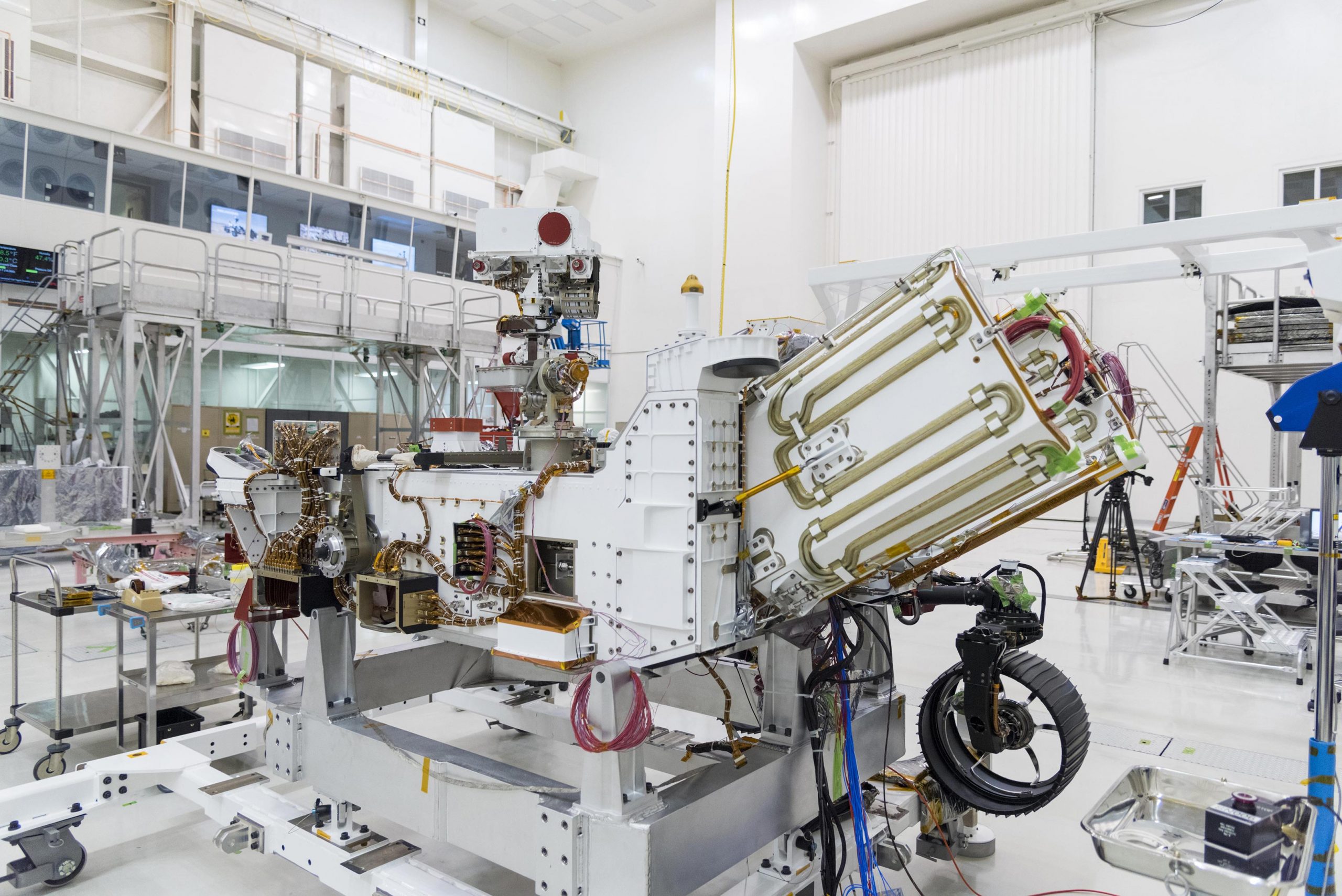
    NASA Mars 2020 MMRTG
    The electricity needed to operate NASA’s Mars 2020 rover (pictured here) is provided by a power system called a Multi-Mission Radioisotope Thermoelectric Generator, or MMRTG. Not pictured in this image, the MMRTG will be placed in the aft of the rover. Credit: NASA/JPL-Caltech

    As NASA continues preparations for the summer 2020 Florida launch of its Mars 2020 rover, including the recent completion of testing the spacecraft in Mars-like conditions, public safety remains a top priority.

    Detailed analysis of the potential radiological risks associated with launching a spacecraft powered by a radioisotope thermoelectric generator is part of standard operating procedures for NASA missions like Mars Curiosity and Pluto New Horizons. These missions use this type of power system to explore where solar power alone is not enough to get the job done.

    For Mars 2020 that analysis started years ago, resulting in NASA’s 2015 decision to use a radioisotope power system to provide electrical power for the rover, given that the risks were small. NASA and the Department of Energy (DOE) have continued to evaluate the potential radiological impacts of the launch and have completed a more detailed risk analysis.

    On October 25, 2019, that analysis and other updated information were released for public comment in a draft Supplemental Environmental Impact Statement (SEIS). The draft SEIS is available now for public review and comment. Public meetings on the draft were held in the Cape Canaveral area and online during the week of November 11, 2019.

    The new analysis finds that the most probable outcome for Mars 2020 is a successful launch. An accident during launch is unlikely, and the estimated chance of an accident with a release of radiological material from the rover’s power system is small: 1 in 960 across all possible accident scenarios. In the case of a release, the resulting estimated maximum radiation dose for an exposed individual in the launch area who takes no protective actions would be low, equivalent to approximately eight months of natural background radiation for the average U.S. resident.

    The launch period for the Mars 2020 mission opens on July 17, 2020. After the spacecraft lands on the Martian surface on February 18, 2021, the rover will search for signs of past microbial life, characterize the planet’s climate and geology, and collect samples for future return to Earth.

    The system that provides electrical power for Mars 2020 and its scientific equipment is essentially a nuclear battery that uses the natural radioactive decay from plutonium dioxide as a heat source to produce power and warm internal systems. NASA has a long and successful record of performance with these power systems. The system on Mars 2020, known as the Multi-Mission Radioisotope Thermoelectric Generator (MMRTG), is the same as the one on the Curiosity rover, which launched from Cape Canaveral in 2011 and continues to operate on Mars. Similar power systems have flown on more than two dozen U.S. space missions since 1961.

    Even though the chances of launch accidents are small, NASA prepares response plans for all of its launches to be ready to protect the public. To manage the response to an accident with a possible release of radioactive material in the launch area, NASA establishes an assessment and operations center staffed by a variety of subject matter experts that deploys monitoring devices and field teams equipped with specialized instruments prior to launch. NASA also assembles a multi-agency communications team that serves as a clearinghouse for timely and accessible information updates on accident conditions and any recommendations on precautionary measures.

    Never miss a breakthrough: Join the SciTechDaily newsletter.
    Follow us on Google and Google News.

    JPL Mars 2020 Perseverance Rover NASA
    Share. Facebook Twitter Pinterest LinkedIn Email Reddit

    Related Articles

    Lasers, Gas Blasts, and Hidden Water: How Perseverance Cracked Mars’ Stubborn Rock

    Inside Krokodillen: NASA Hunts Signs of Life in Mars’ Oldest Rocks

    NASA’s Perseverance Mars Rover Hits a Geologic Goldmine at Jezero Crater Rim

    From Light Stones to Dark Mysteries: Perseverance’s Thrilling Hunt on Mars

    Dark, Pitted, and Possibly Alien: The Skull Hill Rock That Has Scientists Stumped

    Shocking Spherules on Mars: NASA’s Perseverance Rover Finds a Rock That Defies Explanation

    NASA’s Perseverance Rover Captures Rare Martian Dust Devil Collision in Stunning Detail

    How Mars Is Shredding Spacesuits: NASA’s Perseverance Tests the Future of Astronaut Gear

    NASA’s Perseverance Rover Conquers Jezero Crater Rim Revealing Mars’ Hidden History

    Leave A Reply Cancel Reply

    • Facebook
    • Twitter
    • Pinterest
    • YouTube

    Don't Miss a Discovery

    Subscribe for the Latest in Science & Tech!

    Trending News

    Massive Study Warns Marijuana Use in Teens Is Linked to Serious Mental Illness

    Scientists Discover a Completely Unexpected Way T Cells Kill Cancer

    Scientists Just Found the Solar System’s Original “Planet Factory”

    Study Warns Widely Used Food Preservatives Linked to High Blood Pressure and Heart Disease

    New Treatment Could Reverse Osteoarthritis Within Weeks

    Physicists Have Measured “Negative Time” in Bizarre Quantum Experiment

    The Deadly Tapeworm Spreading Across America Has Reached the Pacific Northwest

    Could Low Vitamin D Be Making Your Pain Worse?

    Follow SciTechDaily
    • Facebook
    • Twitter
    • YouTube
    • Pinterest
    • Newsletter
    • RSS
    SciTech News
    • Biology News
    • Chemistry News
    • Earth News
    • Health News
    • Physics News
    • Science News
    • Space News
    • Technology News
    Recent Posts
    • Scientists Discover Mysterious Creature Living in the Great Salt Lake – and It Exists Nowhere Else on Earth
    • It’s Alive? Surprising Discovery Changes What We Know About Fog
    • Simple Family Routines May Be the Secret to a Smoother Start at School
    • Brain Study Overturns Long-Held Beliefs About How Humans Learn Speech
    • Ancient Goose Fossil Challenges Long-Held Theories About New Zealand Birds
    Copyright © 1998 - 2026 SciTechDaily. All Rights Reserved.
    • Science News
    • About
    • Contact
    • Editorial Board
    • Privacy Policy
    • Terms of Use

    Type above and press Enter to search. Press Esc to cancel.