
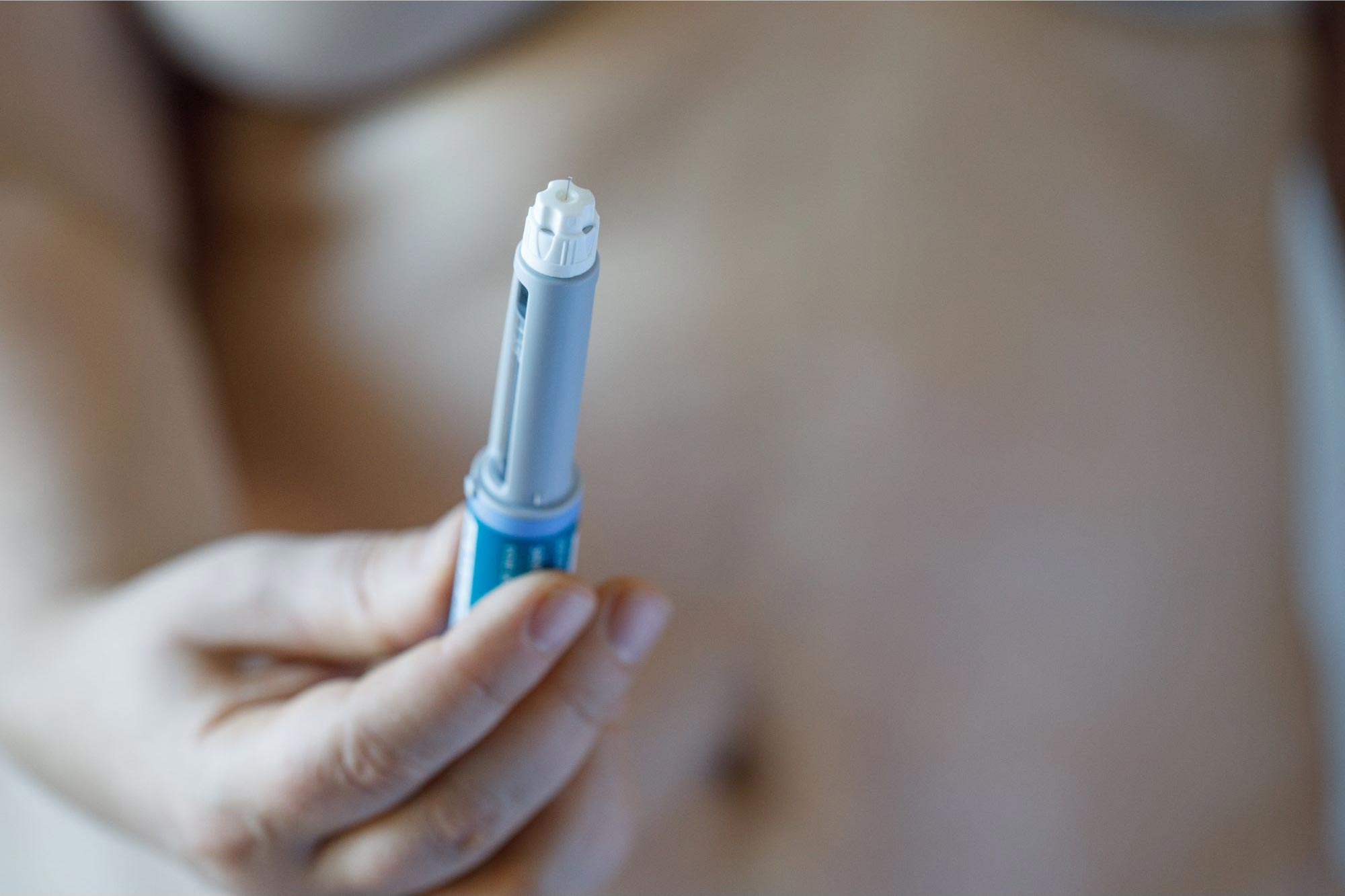
A sweeping analysis of global studies reveals that stopping weight loss drugs, including well-known treatments like Ozempic and Wegovy, often triggers a rapid return of lost pounds.
People who use prescription medications to lose weight may see the pounds return once they stop treatment, according to a meta-analysis published in BMC Medicine. The research examined data from 11 randomized clinical trials involving patients who had taken weight loss drugs. While the degree of weight regain differed between medications, the findings show a consistent pattern of weight coming back after the course of treatment ended.
FDA-Approved Anti-Obesity Medications
In the United States, six anti-obesity medications (AOMs) have FDA approval to aid in weight loss. These include orlistat, phentermine-topiramate, and semaglutide. Glucagon-like peptide-1 (GLP-1), originally developed to treat diabetes, has also become a common prescription for weight management. However, recent research indicates that many patients regain weight in the months after discontinuing these drugs.
Researchers Xiaoling Cai, Linong Ji, and their team reviewed results from 11 international studies that tracked weight changes after patients stopped taking AOMs. Altogether, the analysis covered 1,574 people in treatment groups and 893 in control groups. Weight changes were assessed using both body weight and BMI measurements after medication ended. Among the included studies, six examined GLP-1 receptor agonists (RAs), one studied GLP-1 and GLP dual RAs, one looked at orlistat, two focused on phentermine-topiramate, and one investigated naltexone-bupriopion.
Patterns and Timing of Weight Regain
The authors controlled for different contributing factors, including medication type, the presence of diabetes, and the presence or absence of lifestyle changes like diet or exercise. Their analysis found that AOMs were associated with significant weight loss while being used, followed by weight regain starting eight weeks after AOM discontinuation, with weight regain then continuing for an average of 20 weeks before plateauing. Weight regain varied with follow-up, with study participants experiencing significant periods of weight regain at eight, 12, and 20 weeks after AOM discontinuation.
The amount of weight regained depended on several factors, including the type of medication taken by participants and the consistency of their lifestyle change. For example, participants who completed a 36-week treatment of tirzepatide, a commercially available GLP-1 RA, regained almost half the weight previously lost after switching to a placebo.
Limitations and Broader Weight Regain Trends
The authors note the meta-analysis did not include studies of lifestyle interventions and bariatric surgery, reducing the degree to which different weight loss approaches could be compared within the context of the study. They also note that weight regain has been reported with other weight loss methods, such as gastric bypass and vertical banded gastroplasty.
Reference: “Trajectory of the body weight after drug discontinuation in the treatment of anti-obesity medications” by Han Wu, Wenjia Yang, Tong Guo, Xiaoling Cai and Linong Ji, 22 July 2025, BMC Medicine.
DOI: 10.1186/s12916-025-04200-0
Never miss a breakthrough: Join the SciTechDaily newsletter.
Follow us on Google and Google News.
2 Comments
So how fast?
Ya but that absolutely happens with any weight loss. I have lost 30 to 60 pounds like 8 times using normal means and it always comes back during the Midwest winter months.