
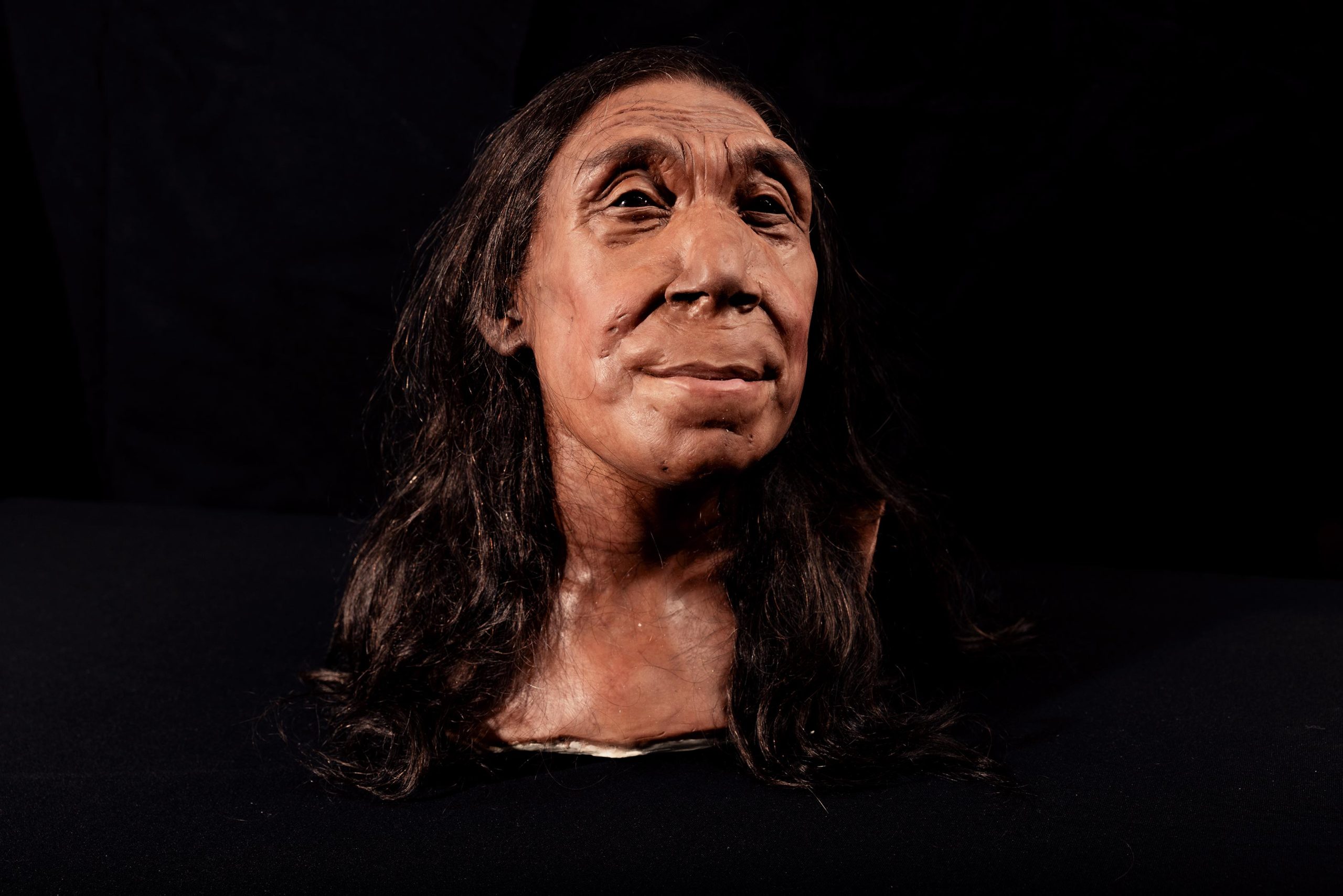
A new Netflix documentary, “Secrets of the Neanderthals,” has reconstructed the face of a 75,000-year Neanderthal Woman, providing new insights into the life and burial practices of Neanderthals.
The crushed skull of a Neanderthal woman, named “Shanidar Z” after the cave she was discovered in, was found and rebuilt by a team of archaeologists and conservators led by the University of Cambridge.
They discovered the skull during an excavation inside Shanidar Cave. Shanidar Cave, located in Iraqi Kurdistan, served as a burial ground for the Neanderthals. It grew to fame in the late 1950s after archaeologists discovered the remains of several Neanderthals who appeared to have been buried in quick succession.
Netlifix’s new documentary, “Secrets of the Neanderthals,” follows a team led by the University of Cambridge and Liverpool John Moores University as they resume their excavations at Shanidar Cave.
Unmasking Our Ancestors: Bridging the Physical Divide Between Neanderthals and Modern Humans
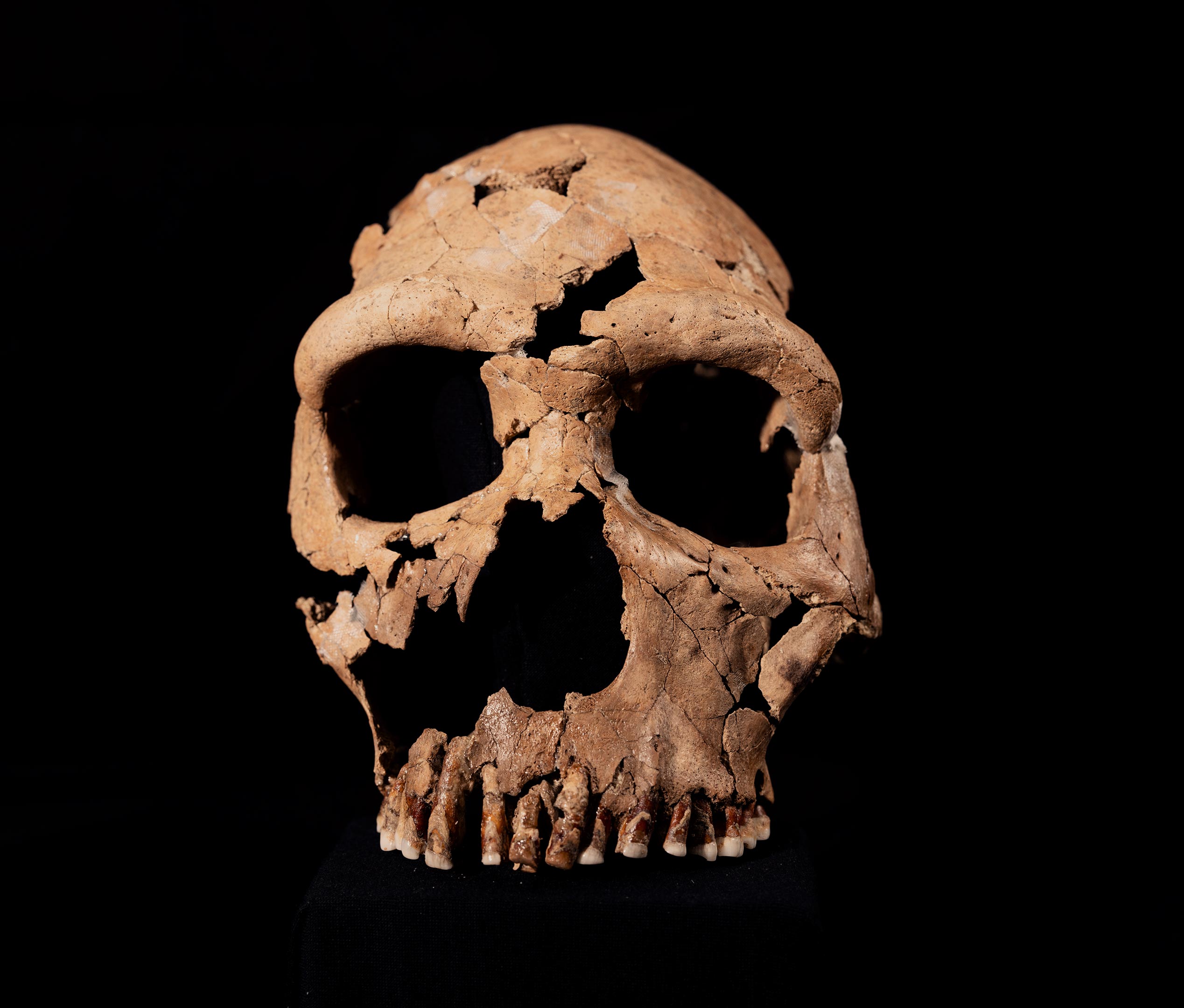
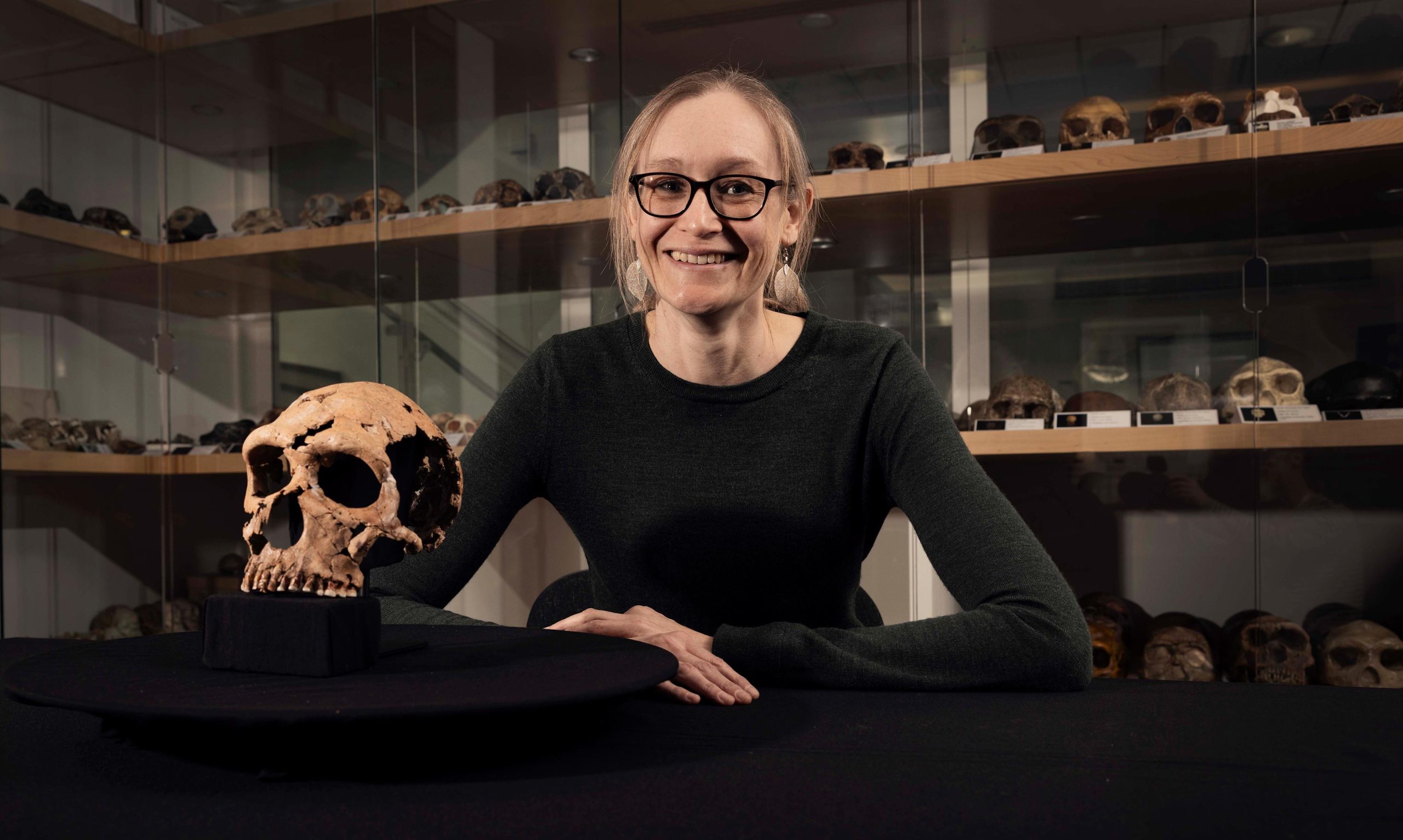
The physical distinction between the skeletal remains of Neanderthals and that of humans is abundantly clear. “The skulls of Neanderthals and humans look very different,” explained Dr. Emma Pomeroy, a palaeo-anthropologist from Cambridge’s Department of Archaeology who features in the documentary.
“Neanderthal skulls have huge brow ridges and lack chins, with a projecting midface that results in more prominent noses.” However, the reconstructed face indicates that those differences were less pronounced in life.
“It’s perhaps easier to see how interbreeding occurred between our species, to the extent that almost everyone alive today still has Neanderthal DNA.”
The Reconstruction of Shanidar Z
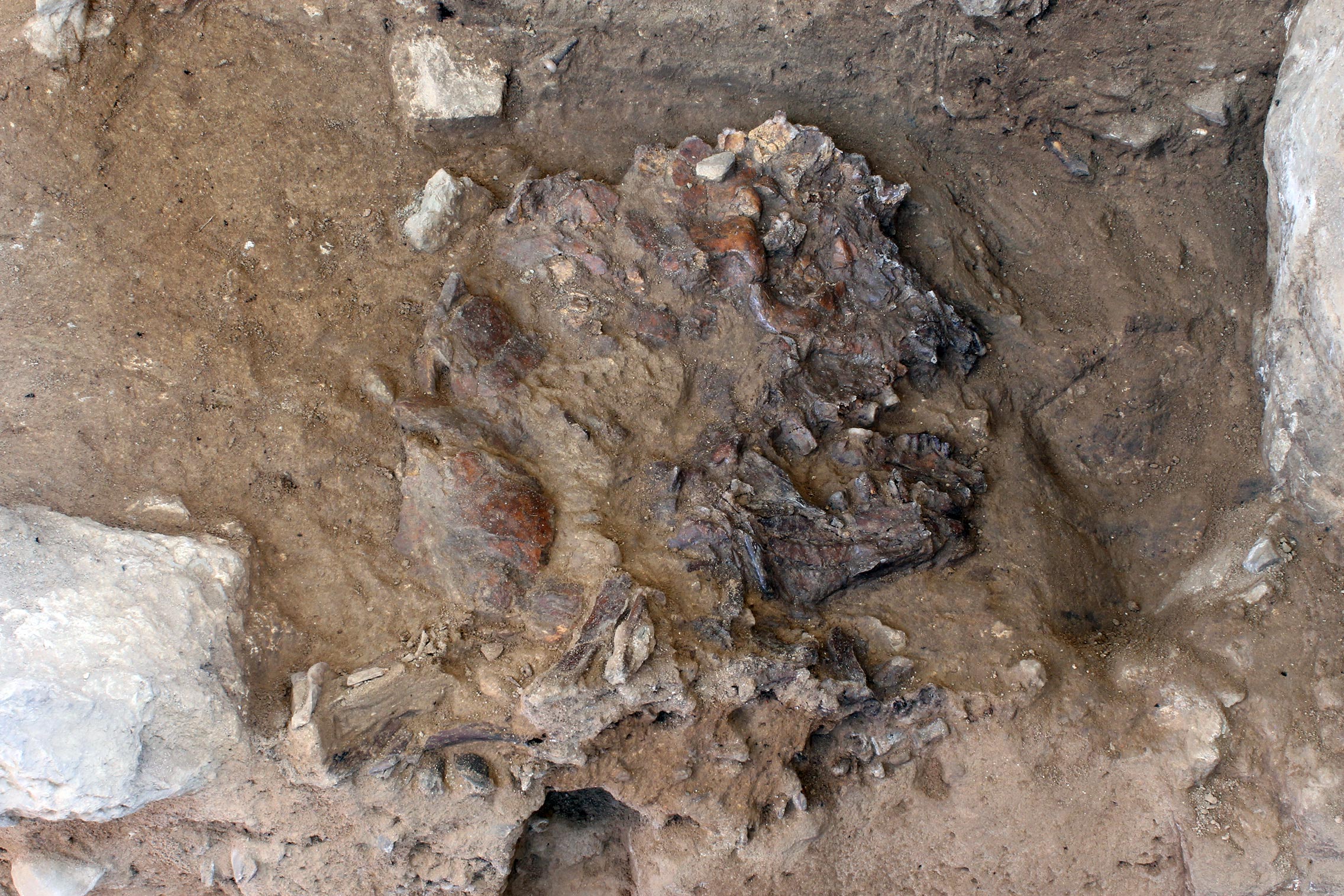
The discovery of Neanderthals, who are thought to have died out approximately 40,000 years ago, is exceedingly rare. Shanidar Z is the first Neanderthal that has been discovered in the Shanidar cave in the past 50 years and is perhaps the most well-preserved. Although the skull was found in the 2018 excavation, researchers think it may be the top half of an individual excavated in 1960.
The head had been crushed, possibly by rockfall, relatively soon after death – after the brain decomposed but before the cranium filled with dirt – and then compacted further by tens of thousands of years of sediment.
When archaeologists found it, the skull was flattened to around two centimeters thick.

The team carefully exposed the remains, including an articulated skeleton almost to the waist, and used a glue-like consolidant to strengthen the bones and surrounding sediment. They removed Shanidar Z in dozens of small foil-wrapped blocks from under seven and a half meters of soil and rock within the heart of the cave.
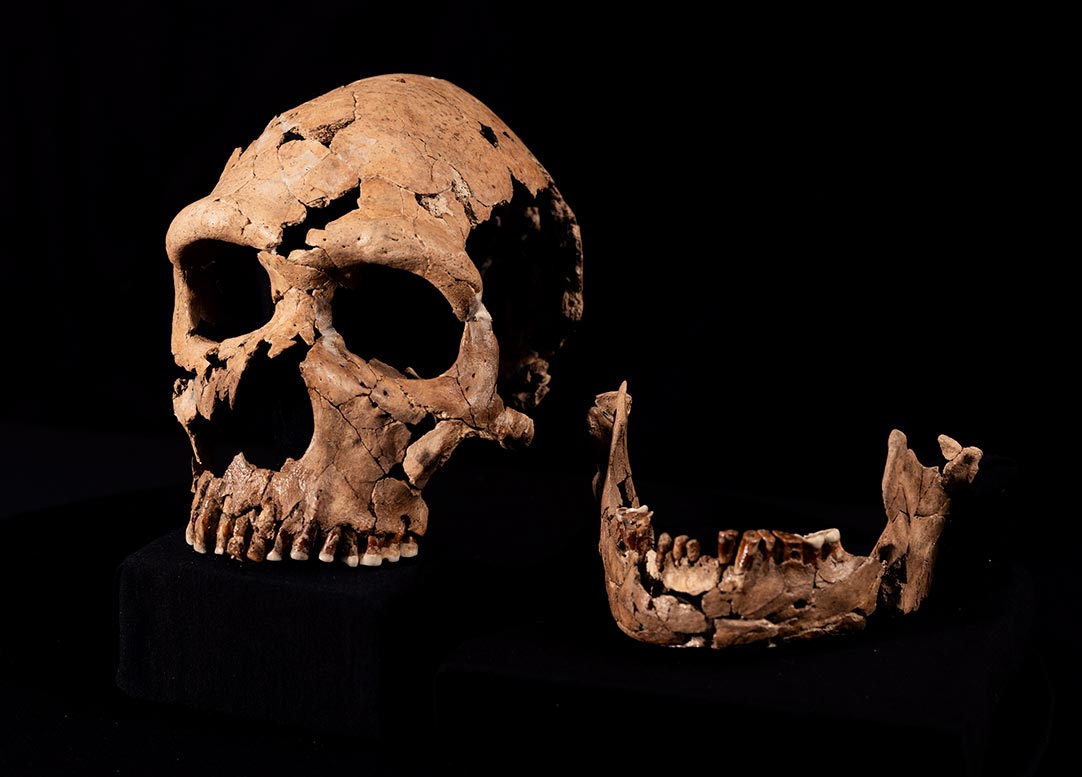
In the Cambridge lab, researchers took micro-CT scans of each block before gradually diluting the glue and using the scans to guide the extraction of bone fragments. Lead conservator Dr. Lucía López-Polín pieced over 200 bits of skull together freehand to return it to its original shape, including upper and lower jaws.
“Each skull fragment is gently cleaned while glue and consolidant are re-added to stabilize the bone, which can be very soft, similar in consistency to a biscuit dunked in tea,” said Pomeroy. “It’s like a high-stakes 3D jigsaw puzzle. A single block can take over a fortnight to process.”
The team even referred to forensic science – studies on how bones shift after blunt force trauma and during decomposition – to help them understand if remains had been buried, and the ways in which teeth had pinged from jawbones.
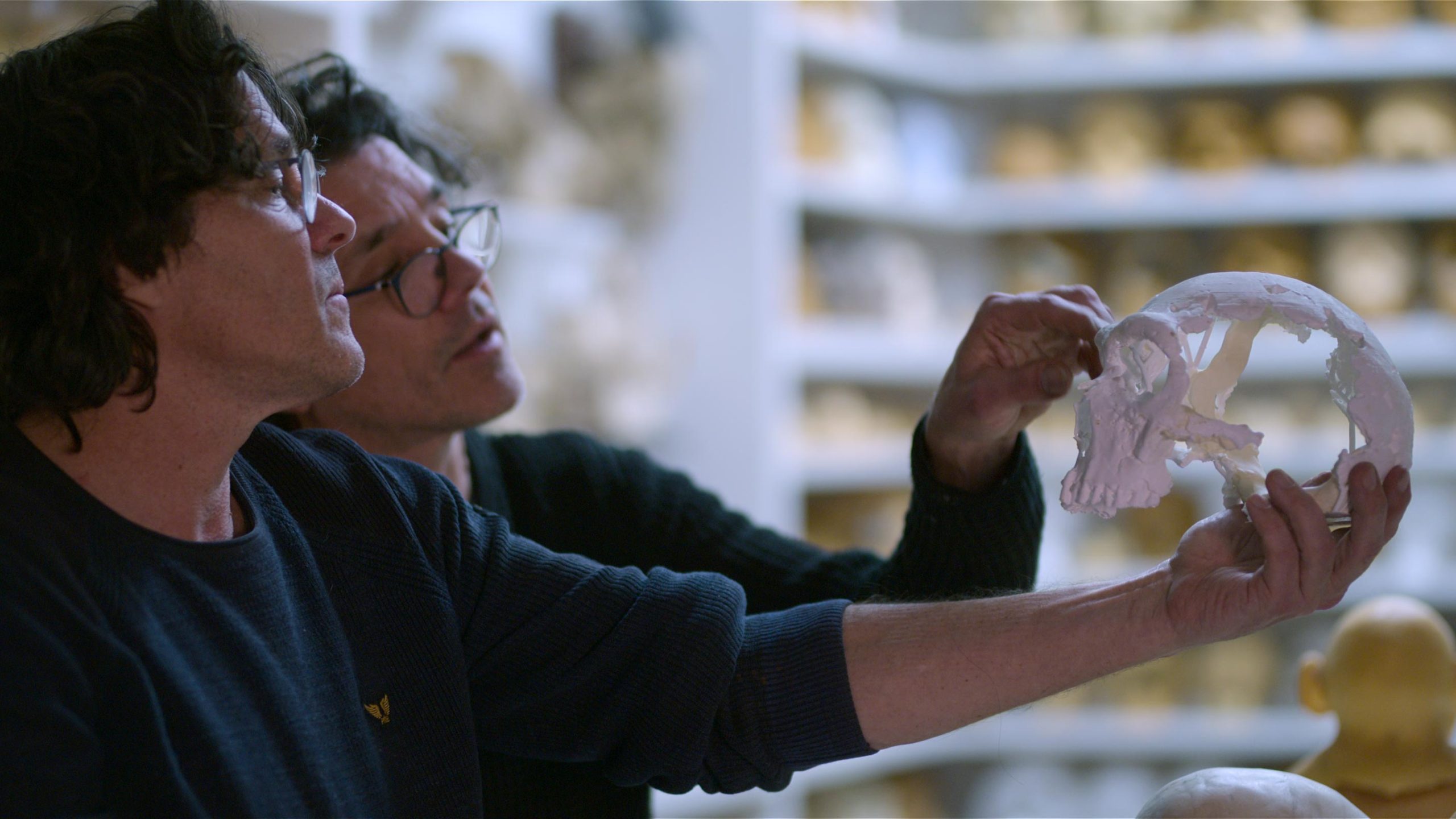
The rebuilt skull was surface scanned and 3D-printed, forming the basis of a reconstructed head created by world-leading paleoartists and identical twins Adrie and Alfons Kennis, who built up layers of fabricated muscle and skin to reveal a face.
The new analysis strongly suggests that Shanidar Z was an older female, perhaps in her mid-forties according to researchers – a significant age to reach so deep in prehistory.
Without pelvic bones, the team relied on sequencing tooth enamel proteins to determine her sex. Teeth were also used to gauge her age through levels of wear and tear – with some front teeth worn down to the root. At around five feet tall, and with some of the smallest adult arm bones in the Neanderthal fossil record, her physique also implies a female.
Neanderthal Burial Practices and Attitudes Towards Death
While remnants of at least ten separate Neanderthals have now come from the cave, Shanidar Z is the fifth to be found in a cluster of bodies buried at a similar time in the same location: right behind a huge vertical rock, over two meters tall at the time, which sits in the center of the cave.
The rock had come down from the ceiling long before the bodies were interred. Researchers say it may have served as a landmark for Neanderthals to identify a particular site for repeated burials.
“Neanderthals have had a bad press ever since the first ones were found over 150 years ago,” said Professor Graeme Barker from Cambridge’s McDonald Institute for Archaeological Research, who leads the excavations at the cave.
“Our discoveries show that the Shanidar Neanderthals may have been thinking about death and its aftermath in ways not so very different from their closest evolutionary cousins – ourselves.”
The other four bodies in the cluster were discovered by archaeologist Ralph Solecki in 1960. One was surrounded by clumps of ancient pollen. Solecki and pollen specialist Arlette Leroi-Gourhan argued the finds were evidence of funerary rituals where the deceased was laid to rest on a bed of flowers.
Revisiting Shandiar: New Insights From the Recent Excavations
This archaeological work was among the first to suggest Neanderthals were far more sophisticated than the primitive creatures many had assumed, based on their stocky frames and ape-like brows.
Decades later, the Cambridge-led team retraced Solecki’s dig, aiming to use the latest techniques to retrieve more evidence for his contentious claims, as well as the environment and activities of the Neanderthals and later modern humans who lived there, when they uncovered Shanidar Z.
“Shanidar Cave was used first by Neanderthals and then by our own species, so it provides an ideal laboratory to tackle one of the biggest questions of human evolution,” said Barker.
“Why did Neanderthals disappear from the stage around the same time as Homo sapiens spread over regions where Neanderthals had lived successfully for almost half a million years?”
A study led by Professor Chris Hunt of Liverpool John Moores University now suggests the pollen was left by bees burrowing into the cave floor. However, remains from Shanidar Cave still show signs of an empathetic species. For example, one male had a paralyzed arm, deafness, and head trauma that likely rendered him partially blind, yet had lived a long time, so must have been cared for.
Site analysis suggests that Shanidar Z was laid to rest in a gully formed by running water that had been further hollowed out by hand to accommodate the body. Posture indicates she had been leaned against the side, with her left hand curled under her head, and a rock behind the head like a small cushion, which may have been placed there.
While Shanidar Z was buried within a similar timeframe as other bodies in the cluster, researchers cannot say how contemporaneous they are, only that they all date to around 75,000 years ago.
In fact, while filming on site for the new Netflix documentary, “Secrets of the Neanderthals”, in 2022, the team found remains of yet another individual in the same burial cluster, uncovering the left shoulder blade, some ribs, and a fairly complete right hand.
In the sediments several feet above, another three Neanderthals dating to around 50,000 years had been found by Solecki, more of which have been recovered by the current team.
Further research since Shanidar Z was found has detected microscopic traces of charred food in the soil around the older body cluster. These carbonized bits of wild seeds, nuts, and grasses, suggest not only that Neanderthals prepared food – soaking and pounding pulses – and then cooked it, but did so in the presence of their dead.
“The body of Shanidar Z was within arm’s reach of living individuals cooking with fire and eating,” said Pomeroy. “For these Neanderthals, there does not appear to be that clear separation between life and death.”
“We can see that Neanderthals are coming back to one particular spot to bury their dead. This could be decades or even thousands of years apart. Is it just a coincidence, or is it intentional, and if so what brings them back?”
“As an older female, Shanidar Z would have been a repository of knowledge for her group, and here we are seventy-five thousand years later, learning from her still,” Pomeroy said.
Never miss a breakthrough: Join the SciTechDaily newsletter.
Follow us on Google and Google News.
4 Comments
It looks like she has a chin. I didn’t think neanderthals had china.
…chins…, not “china”.
Same thought. Sure looks like a chin.
MTG