
Close Menu
    Facebook X (Twitter) Instagram
    SciTechDaily
    • Biology
    • Chemistry
    • Earth
    • Health
    • Physics
    • Science
    • Space
    • Technology
    Facebook X (Twitter) Pinterest YouTube RSS
    SciTechDaily
    Home»Biology»Regeneration and Beyond: Scientists Discover Starfish Secrets to Limb Loss and Regrowth
    Biology

    Regeneration and Beyond: Scientists Discover Starfish Secrets to Limb Loss and Regrowth

    By Queen Mary University of LondonAugust 29, 2024No Comments3 Mins Read
    Facebook Twitter Pinterest Telegram LinkedIn WhatsApp Email Reddit
    Share
    Facebook Twitter LinkedIn Pinterest Telegram Email Reddit
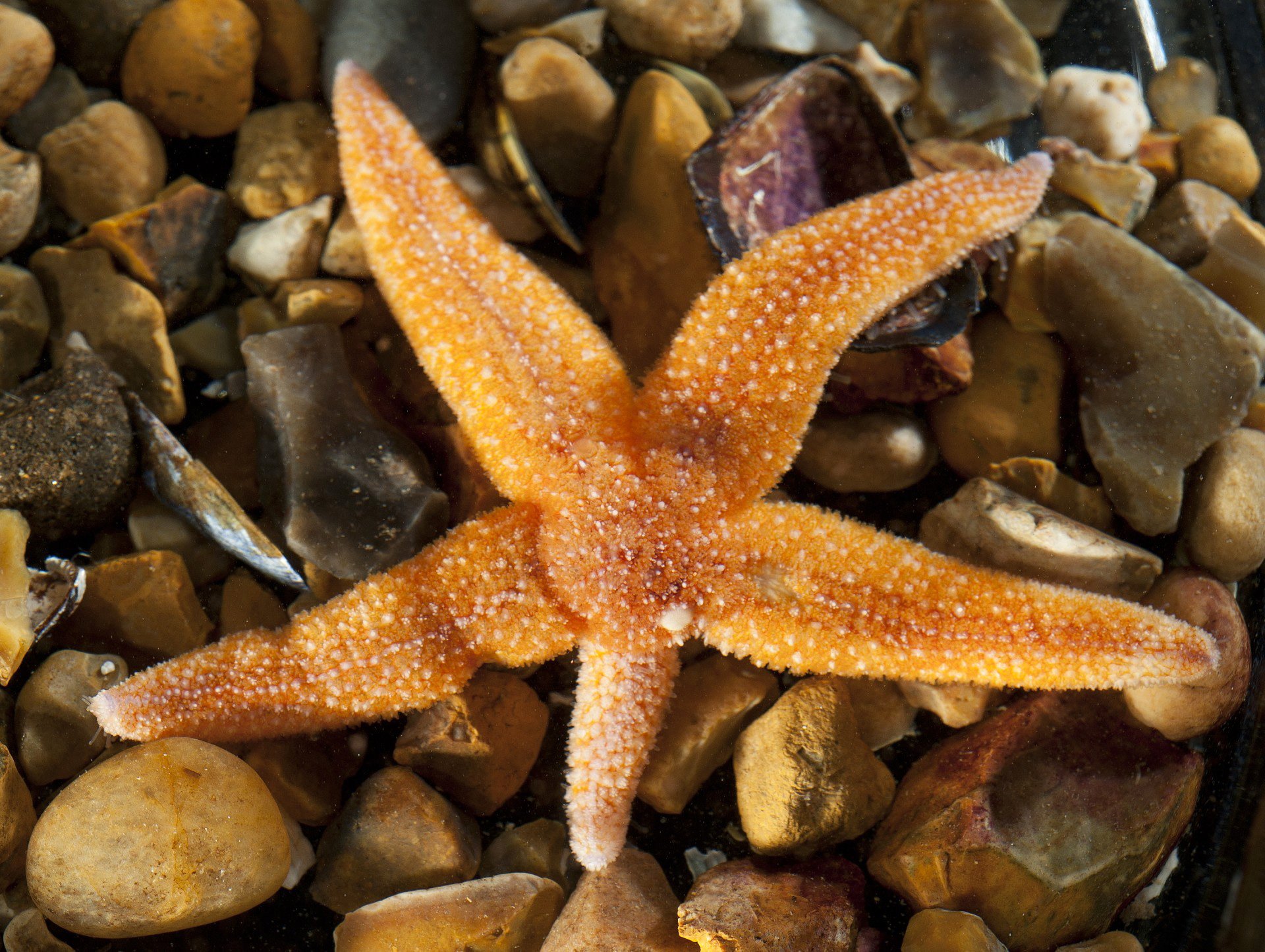
    Asterias rubens With a Regenerating Arm
    Photograph of a specimen of the common European starfish Asterias rubens with a regenerating arm. Starfish shed arms (autotomy) when attacked by predators and then regenerate a new arm to replace the lost arm. Research by scientists at Queen Mary University of London has uncovered the mechanisms of autotomy by identifying a neurohormone that promotes arm loss in starfish. Credit: Professor Maurice Elphick / Queen Mary University of London

    Researchers have discovered a neurohormone in starfish that triggers limb detachment during predator attacks, offering insights that could benefit regenerative medical treatments.

    Scientists at Queen Mary University of London have made a groundbreaking discovery about how starfish manage to survive predatory attacks by shedding their own limbs. The team has identified a neurohormone responsible for triggering this remarkable feat of self-preservation.

    Unveiling the Mechanisms of Autotomy

    Autotomy, the ability of an animal to detach a body part to evade predators, is a well-known survival strategy in the animal kingdom. While lizards shedding their tails are a familiar example, the mechanisms behind this process remain largely mysterious.

    Now, scientists have unveiled a key piece of the puzzle. By studying the common European starfish, Asterias rubens, they identified a neurohormone akin to the human satiety hormone, cholecystokinin (CCK), as a regulator of arm detachment. Furthermore, the scientists propose that when this neurohormone is released in response to stress, such as a predator attack, it stimulates the contraction of a specialized muscle at the base of the starfish’s arm, effectively causing it to break off.

    Insights Into Regenerative Potential

    Remarkably, starfish possess incredible regenerative abilities, allowing them to grow back lost limbs over time. Understanding the precise mechanisms behind this process could hold significant implications for regenerative medicine and the development of new treatments for limb injuries.

    Dr. Ana Tinoco, a member of the London-based research group who is now working at the University of Cadiz in Spain, explained, “Our findings shed light on the complex interplay of neurohormones and tissues involved in starfish autotomy. While we’ve identified a key player, it’s likely that other factors contribute to this extraordinary ability.”

    Professor Maurice Elphick, Professor Animal Physiology and Neuroscience at Queen Mary University of London, who led the study, emphasised its broader significance. “This research not only unveils a fascinating aspect of starfish biology but also opens doors for exploring the regenerative potential of other animals, including humans. By deciphering the secrets of starfish self-amputation, we hope to advance our understanding of tissue regeneration and develop innovative therapies for limb injuries.”

    Reference: “Discovery of a neuropeptide that acts as an autotomy-promoting factor” by Ana B. Tinoco, Vyshnavie Kirupakaran, Delia Capatina, Michaela Egertová and Maurice R. Elphick, 29 August 2024, Current Biology.
    DOI: 10.1016/j.cub.2024.08.003

    The study, published in the journal Current Biology, was funded by the BBSRC and Leverhulme Trust.

    Never miss a breakthrough: Join the SciTechDaily newsletter.
    Follow us on Google and Google News.

    Queen Mary University of London Regeneration Regenerative Biology Regenerative Medicine
    Share. Facebook Twitter Pinterest LinkedIn Email Reddit

    Related Articles

    Scientists Crack a 50-Year Tissue Mystery With Major Cancer Implications

    Blindness Breakthrough? This Snail Regrows Eyes in 30 Days

    This Fish Can Regrow Its Hearing Cells – And Scientists Just Found Out How

    Anti-Aging Treatment Breakthrough: Japanese Scientists’ Regenerative Gene Transfer Success

    Regenerative Superpower Uncovered: How Jellyfish Tentacles Grow Back in Days

    From Aging to Regeneration: The Unexpected Benefits of Senescent “Zombie” Cells

    Stem Cells Help Lizard Regenerate a Perfect Tail for First Time in More Than 250 Million Years

    Whitehead Institute Biologists Uncover a Blueprint for Regeneration

    Geneticists Fully Decode a New Genome for Regeneration Research

    Leave A Reply Cancel Reply

    • Facebook
    • Twitter
    • Pinterest
    • YouTube

    Don't Miss a Discovery

    Subscribe for the Latest in Science & Tech!

    Trending News

    Popular Sugar-Free Sweetener Linked to Liver Disease, Study Warns

    What Is Hantavirus? The Deadly Disease Raising Alarm Worldwide

    Scientists Just Discovered How the Universe Builds Monster Black Holes

    Scientists Unveil New Treatment Strategy That Could Outsmart Cancer

    A Simple Vitamin May Hold the Key to Treating Rare Genetic Diseases

    Scientists Think the Real Fountain of Youth May Be Hiding in Your Gut

    Ravens Don’t Follow Wolves, They Predict Them

    This Common Knee Surgery May Be Doing More Harm Than Good

    Follow SciTechDaily
    • Facebook
    • Twitter
    • YouTube
    • Pinterest
    • Newsletter
    • RSS
    SciTech News
    • Biology News
    • Chemistry News
    • Earth News
    • Health News
    • Physics News
    • Science News
    • Space News
    • Technology News
    Recent Posts
    • Why Are So Many New Fathers Dying? Scientists Say the U.S. Has a Dangerous Blind Spot
    • Scientists Identify Simple Supplement That Greatly Reduces Alzheimer’s Damage
    • You May Have a Dangerous Type of Cholesterol Even if Your Tests Look Normal
    • Study Reveals Dangerous Flaw in AI Symptom Checkers
    • New MRI Breakthrough Captures Stunningly Clear Images of the Eye and Brain
    Copyright © 1998 - 2026 SciTechDaily. All Rights Reserved.
    • Science News
    • About
    • Contact
    • Editorial Board
    • Privacy Policy
    • Terms of Use

    Type above and press Enter to search. Press Esc to cancel.