
Close Menu
    Facebook X (Twitter) Instagram
    SciTechDaily
    • Biology
    • Chemistry
    • Earth
    • Health
    • Physics
    • Science
    • Space
    • Technology
    Facebook X (Twitter) Pinterest YouTube RSS
    SciTechDaily
    Home»Biology»Researchers Discover People Forage for Memories in the Same Way Birds Forage for Food
    Biology

    Researchers Discover People Forage for Memories in the Same Way Birds Forage for Food

    By University of WarwickFebruary 15, 2012No Comments3 Mins Read
    Facebook Twitter Pinterest Telegram LinkedIn WhatsApp Email Reddit
    Share
    Facebook Twitter LinkedIn Pinterest Telegram Email Reddit
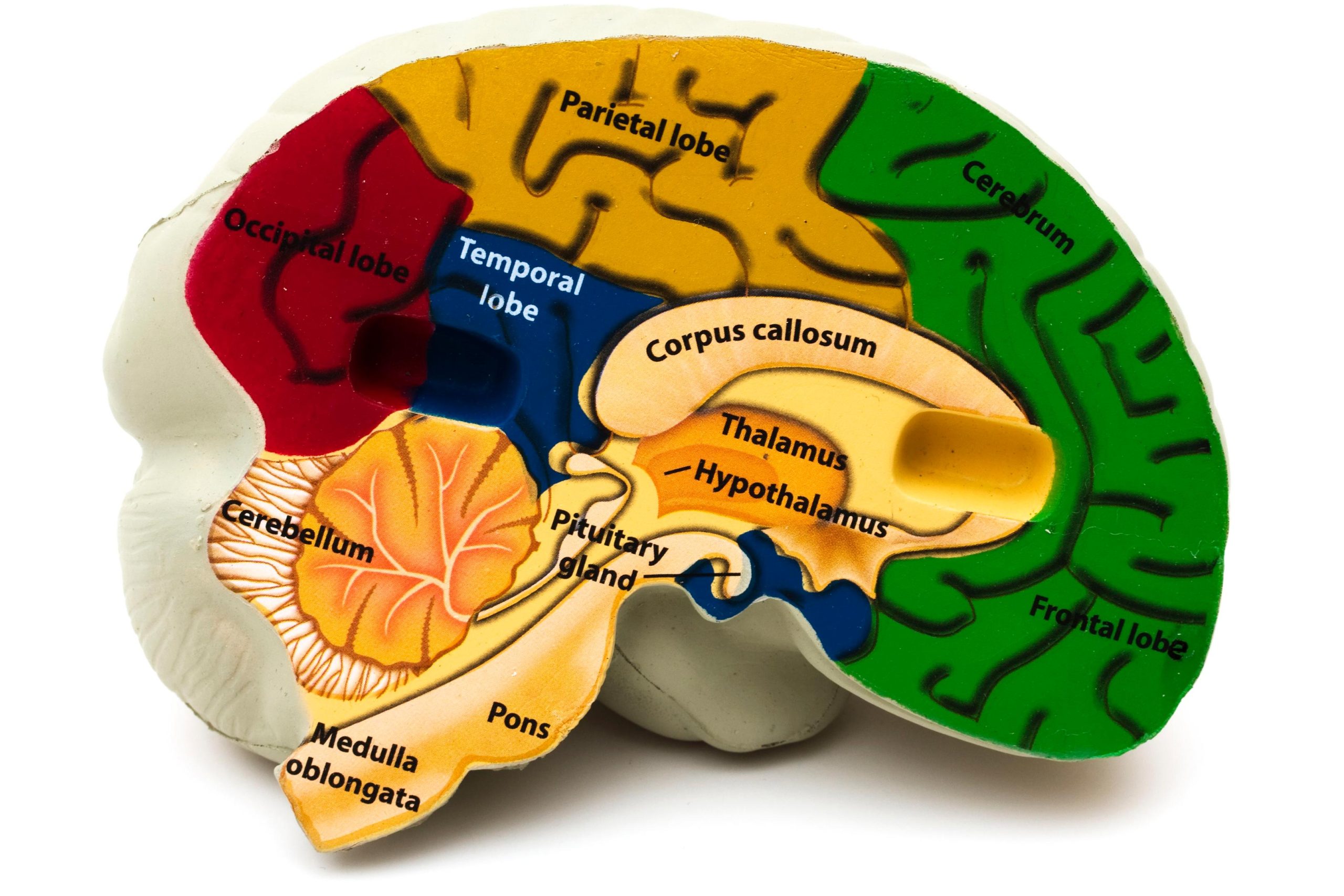
    Human Brain Model Labeled
    Human Brain Model. Credit: University of Warwick

    Researchers at Indiana University and the University of Warwick found that people use the marginal value theorem to forage for memories much the same way as birds use it while foraging for berries on a bush.

    Humans move between ‘patches’ in their memory using the same strategy as bees flitting between flowers for pollen or birds searching among bushes for berries.

    Researchers at the University of Warwick and Indiana University have identified parallels between animals looking for food in the wild and humans searching for items within their memory – suggesting that people with the best ‘memory foraging’ strategies are better at recalling items.

    Scientists asked people to name as many animals as they could in three minutes and then compared the results with a classic model of optimal foraging in the real world, the marginal value theorem, which predicts how long animals will stay in one patch before jumping to another.

    Dr. Thomas Hills, associate professor in the psychology department at the University of Warwick, said: “A bird’s food tends to be clumped together in a specific patch – for example on a bush laden with berries.

    “But when the berries on a bush are depleted to the point where the bird’s energy is best focused on another more fruitful bush, it will move on.

    “This kind of behavior is predicted by the marginal value theorem, for a wide variety of animals.

    “Because of the way human attention has evolved, we wondered if humans might use the same strategies to forage in memory. It turns out, they do.

    “When faced with a memory task, we focus on specific clusters of information and jump between them like a bird between bushes. For example, when hunting for animals in memory, most people start with a patch of household pets—like dog, cat, and hamster.

    “But then as this patch becomes depleted, they look elsewhere. They might then alight on another semantically distinct ‘patch’, for example, predatory animals such as lion, tiger, and jaguar.”

    The study shows that people who either stay too long or not long enough in one ‘patch’ did not recall as many animals as those who better judged the best time to switch between patches.

    In other words, people who most closely adhered to the marginal value theorem produced more items.

    The study “Optimal Foraging in Semantic Memory,” published in Psychological Review, asked 141 undergraduates (46 men and 95 women) at Indiana University to name as many animals as they could in three minutes.

    They then analyzed the responses using a categorization scheme and also a semantic space model, called BEAGLE, which identifies clusters in the memory landscape based on the way words are related to one another in natural language.

    Reference: “Optimal foraging in semantic memory” by T. T. Hills, M. N. Jones and P. M. Todd, 2012, Psychological Review.
    DOI: 10.1037/a0027373

    Never miss a breakthrough: Join the SciTechDaily newsletter.
    Follow us on Google and Google News.

    Brain Activity Memory Neuroscience Psychology University of Warwick
    Share. Facebook Twitter Pinterest LinkedIn Email Reddit

    Related Articles

    Neuroscientists Reveal How the Brain Encodes Time and Place

    Scientists Confirm Cellular Basis for Memory by Implanting and Erasing Fear in Rats

    Nostalgia Makes Us Warm & Colder Temperatures Make Us Nostalgic

    Why Older People Are More Susceptible to Fraud

    Study Suggests That Astrocytes Are Critically Important for Processing Sensory Information

    Scientists Identify the Characteristic Brain Activities of Lucid Awareness

    PRKCA Gene Links to Post-Traumatic Stress Disorder and Emotional Memory Formation

    Scientists Discover Link Between TBI and PTSD

    Synchronized Brain Oscillations Crucial for Short-Term Memory

    Leave A Reply Cancel Reply

    • Facebook
    • Twitter
    • Pinterest
    • YouTube

    Don't Miss a Discovery

    Subscribe for the Latest in Science & Tech!

    Trending News

    Collapsing Plasma May Hold the Key to Cosmic Magnetism

    This Breakthrough Solar Panel Generates Power From Both Sunlight and Raindrops

    Scientists Uncover New Metabolic Effects Beyond Weight Loss of Mounjaro

    Scientists Discover Cancer Tumors Are “Addicted” to This Common Antioxidant

    1,800 Miles Down: Scientists Uncover Mysterious Movements at the Edge of Earth’s Core

    Scientists Discover Hidden “Good Fats” in Green Rice That Could Transform Nutrition

    Your Child’s Clothes Could Contain Toxic Lead, Study Finds

    Researchers Break a 150-Year-Old Math Law With a Surprising Donut Discovery

    Follow SciTechDaily
    • Facebook
    • Twitter
    • YouTube
    • Pinterest
    • Newsletter
    • RSS
    SciTech News
    • Biology News
    • Chemistry News
    • Earth News
    • Health News
    • Physics News
    • Science News
    • Space News
    • Technology News
    Recent Posts
    • The Mystery of the Notes: Why No One Knows How This 120-Year-Old Song Should Sound
    • Scientists Discover 132-Million-Year-Old Dinosaur Tracks on South Africa’s Coast
    • Scientists Uncover the Secret Ingredient Behind the Spark That May Have Started Life on Earth
    • Natural Oils vs. Antibiotics: The Swine Study That Could Change Farming
    • The Biggest Volcanic Event in Earth’s History Transformed an Entire Oceanic Plate
    Copyright © 1998 - 2026 SciTechDaily. All Rights Reserved.
    • Science News
    • About
    • Contact
    • Editorial Board
    • Privacy Policy
    • Terms of Use

    Type above and press Enter to search. Press Esc to cancel.