
Close Menu
    Facebook X (Twitter) Instagram
    SciTechDaily
    • Biology
    • Chemistry
    • Earth
    • Health
    • Physics
    • Science
    • Space
    • Technology
    Facebook X (Twitter) Pinterest YouTube RSS
    SciTechDaily
    Home»Biology»Revolutionizing Clean Energy? Yale Scientists Discover How Bacteria “Breathe” Minerals
    Biology

    Revolutionizing Clean Energy? Yale Scientists Discover How Bacteria “Breathe” Minerals

    By Yale UniversityJanuary 22, 20251 Comment2 Mins Read
    Facebook Twitter Pinterest Telegram LinkedIn WhatsApp Email Reddit
    Share
    Facebook Twitter LinkedIn Pinterest Telegram Email Reddit
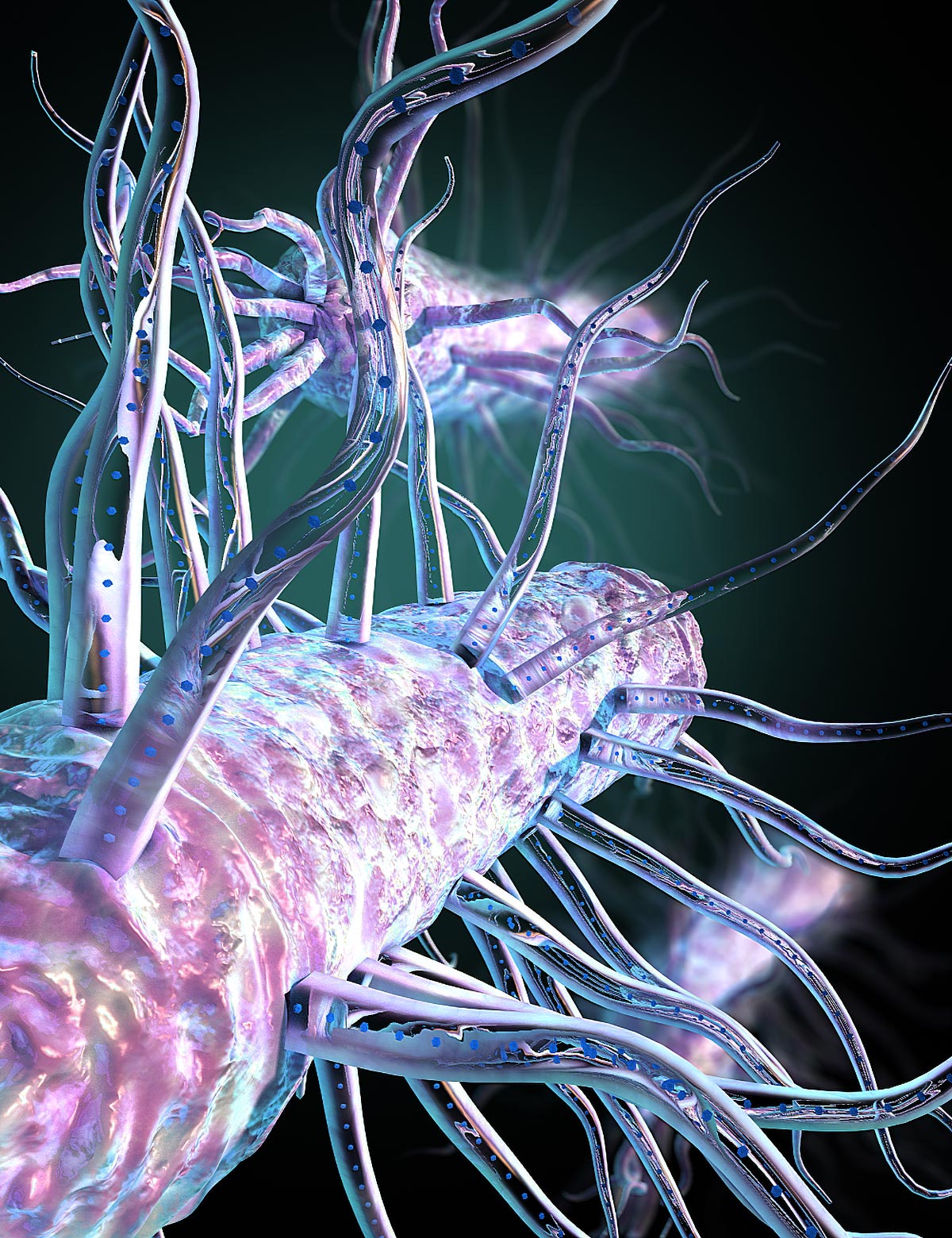
    Bacteria nanowires
    Scientists discovered how microbes build protein nanowires, enabling breakthroughs in energy, pollution control, and methane reduction. Credit: Yale University

    Yale researchers uncovered the molecular machinery behind nanowire assembly in microbes, enabling advances in electricity production, pollution mitigation, and methane reduction.

    Almost all living organisms breathe oxygen to remove excess electrons generated during the conversion of nutrients into energy.

    However, many microbes that play a crucial role in mitigating pollution and climate change lack access to oxygen. Instead, these bacteria—found buried underground or deep beneath oceans—have evolved a unique method of expelling electrons. They “breathe” minerals in the soil using tiny protein filaments known as nanowires.

    Unveiling the Machinery Behind Nanowires

    In previous research, a team led by Nikhil Malvankar, Associate Professor of Molecular Biophysics and Biochemistry at Yale’s Microbial Sciences Institute, showed that nanowires are made up of a chain of heme molecules, just like hemoglobin in our blood, thrust into the environment to move electrons.

    To leverage the power of these microbes, however, scientists need to know how those nanowires are assembled.

    The Yale team led by Cong Shen has now discovered the machinery that assembles the nanowires, making practical applications possible.

    Of the 111 heme proteins, only three are known to polymerize to become nanowires. Not only did the team identify the surrounding machinery that makes it possible for these proteins to become nanowires, but they also demonstrated that changing some of the machinery’s components can accelerate nanowire reproduction and bacterial growth.

    This is an important next step in engineering bacteria to efficiently produce electricity, clean pollutants from water, and lower atmospheric methane levels.

    Reference: “A widespread and ancient bacterial machinery assembles cytochrome OmcS nanowires essential for extracellular electron transfer” by Cong Shen, Aldo I. Salazar-Morales, Wonhyeuk Jung, Joey Erwin, Yangqi Gu, Anthony Coelho, Kallol Gupta, Sibel Ebru Yalcin, Fadel A. Samatey and Nikhil S. Malvankar, 15 January 2025, Cell Chemical Biology.
    DOI: 10.1016/j.chembiol.2024.12.013

    Never miss a breakthrough: Join the SciTechDaily newsletter.
    Follow us on Google and Google News.

    Bacteria Biotechnology Energy Microbiology Nanowires Yale University
    Share. Facebook Twitter Pinterest LinkedIn Email Reddit

    Related Articles

    Nanowire Made by Bacteria Provides Important Clues to Combating Climate Change

    Uncovering Novel Genomes From Earth’s Microbiomes – Expands Known Diversity of Bacteria and Archaea by 44%

    Viral Dark Matter Exposed in Pioneering Research

    A Small Answer to One of the Biggest Problems on the Planet

    New Light-Activated Coating Kills Bacteria in Low Intensity, Ambient Light

    MIT Uses Artificial Intelligence to Identify Powerful New Antibiotic

    New Study Solves Longstanding Nanowire Mystery

    Sugar Targets Microbe Linked to Lean and Healthy People

    Yale Researchers Engineer a System to Deliver a Safer Vaccine

    1 Comment

    1. Doctoray staronomy kesiri on January 22, 2025 9:34 am

      How many angstrones are intestinal bacteria? How many types of bacteria in the intestine help absorb food?

      Reply
    Leave A Reply Cancel Reply

    • Facebook
    • Twitter
    • Pinterest
    • YouTube

    Don't Miss a Discovery

    Subscribe for the Latest in Science & Tech!

    Trending News

    Popular Vitamin B3 Supplements May Help Cancer Cells Survive, Scientists Warn

    Scientists Discover Strange Property of Rice and Turn It Into a Smart Material

    NASA Artemis II Skips Burn As Astronaut Captures Stunning View of Earth

    NASA’s Artemis II: Humans Just Left Earth Orbit for the First Time Since 1972

    What Causes Chronic Pain? Scientists Identify Key Culprit in the Brain

    Semaglutide Shows Surprising Mental Health Benefits in Massive 100,000-Person Study

    This Liquid Snapped Instead of Flowing and Scientists Were Shocked

    Breakthrough Alzheimer’s Drug Rewires the Brain Instead of Just Clearing Plaques

    Follow SciTechDaily
    • Facebook
    • Twitter
    • YouTube
    • Pinterest
    • Newsletter
    • RSS
    SciTech News
    • Biology News
    • Chemistry News
    • Earth News
    • Health News
    • Physics News
    • Science News
    • Space News
    • Technology News
    Recent Posts
    • Scientists Uncover the Secret “Glue” That Helps Soil Hold Water
    • Climate Change Is Altering a Key Greenhouse Gas in a Way Scientists Didn’t Expect
    • Why Antarctic Sea Ice Suddenly Collapsed After Decades of Growth
    • Astronomers Discover the Most Pristine Star Ever Found
    • New Study Suggests Gravitational Waves May Have Created Dark Matter
    Copyright © 1998 - 2026 SciTechDaily. All Rights Reserved.
    • Science News
    • About
    • Contact
    • Editorial Board
    • Privacy Policy
    • Terms of Use

    Type above and press Enter to search. Press Esc to cancel.