
Close Menu
    Facebook X (Twitter) Instagram
    SciTechDaily
    • Biology
    • Chemistry
    • Earth
    • Health
    • Physics
    • Science
    • Space
    • Technology
    Facebook X (Twitter) Pinterest YouTube RSS
    SciTechDaily
    Home»Biology»Scent Trails of Dung and Urine Could Boost Elephant Conservation
    Biology

    Scent Trails of Dung and Urine Could Boost Elephant Conservation

    By University of ExeterMay 26, 2021No Comments3 Mins Read
    Facebook Twitter Pinterest Telegram LinkedIn WhatsApp Email Reddit
    Share
    Facebook Twitter LinkedIn Pinterest Telegram Email Reddit
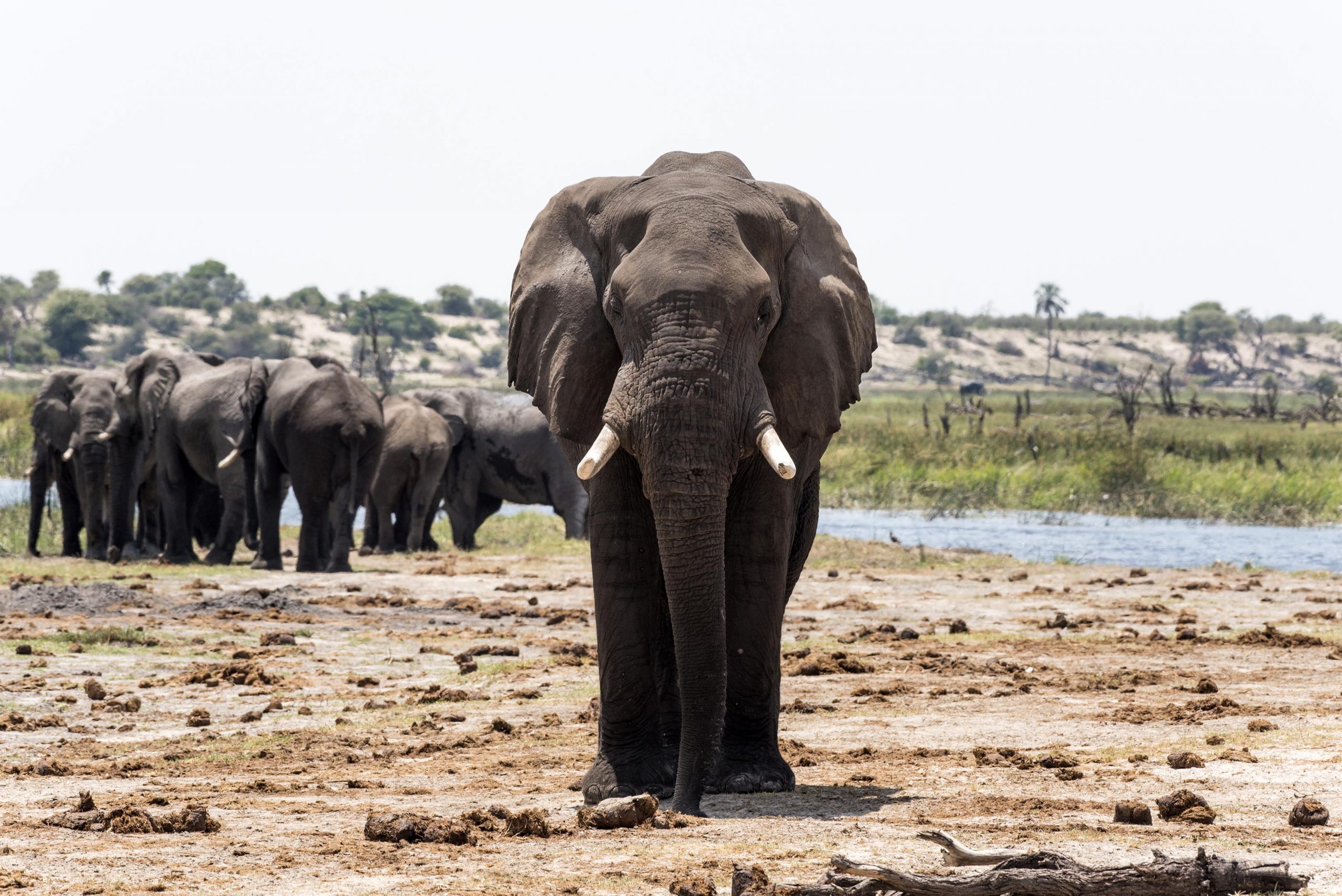
    Elephant Investigating Dung With His Trunk
    An elephant investigating elephant dung with his trunk at the Boteti River. Credit: Connie Allen

    Elephants follow scent trails of dung and urine, using them as public cues to navigate and gather social information. Researchers suggest these trails could be manipulated to divert elephants from human settlements or connect fragmented populations.

    Traveling elephants pay close attention to scent trails of dung and urine left by other elephants, new research shows.

    Scientists monitored well-used pathways and found that wild African savannah elephants — especially those traveling alone — were “highly attentive,” sniffing and tracking the trail with their trunks.

    This suggests these scents act as a “public information resource,” according to researchers from the University of Exeter and Elephants for Africa.

    More research is now needed to find out whether humans can create artificial elephant trails to divert elephants away from farms and villages, where conflict with humans can cause devastation to communities.

    Alternatively, scent trails could be placed to improve the efficiency of routes connecting elephant populations between protected areas.
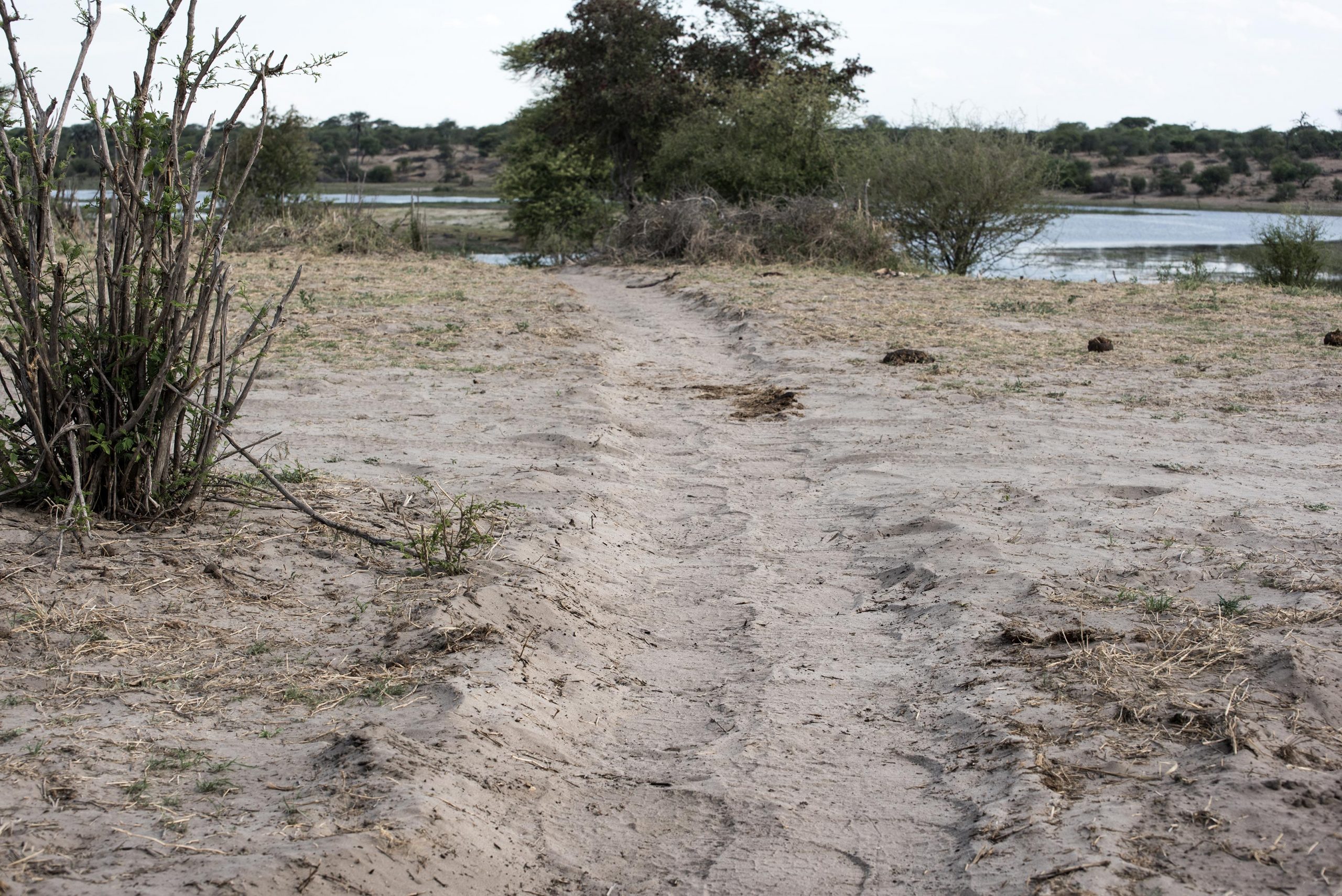
    Elephant Pathway
    An elephant pathway. Credit: Connie Allen

    “Our findings suggest an important role of an elephant’s sense of smell in long-distance navigation,” said lead author Connie Allen, of Exeter’s Centre for Research in Animal Behaviour.

    “As elephants follow these trails, they deposit their own urine and dung, which reinforces the pathway’s presence for future elephants.

    Applying Scent Pathways to Human-Wildlife Conflict

    “We see great potential for these findings to be applied to elephant management and conservation — primarily as a method for manipulating elephant movements.

    “We carried out this study in Botswana, where the main threat to elephants is conflict with humans. By removing the existing scent paths that lead elephants to close contact with humans in problem areas, and redirecting them, perhaps we could reduce such conflicts happening.”
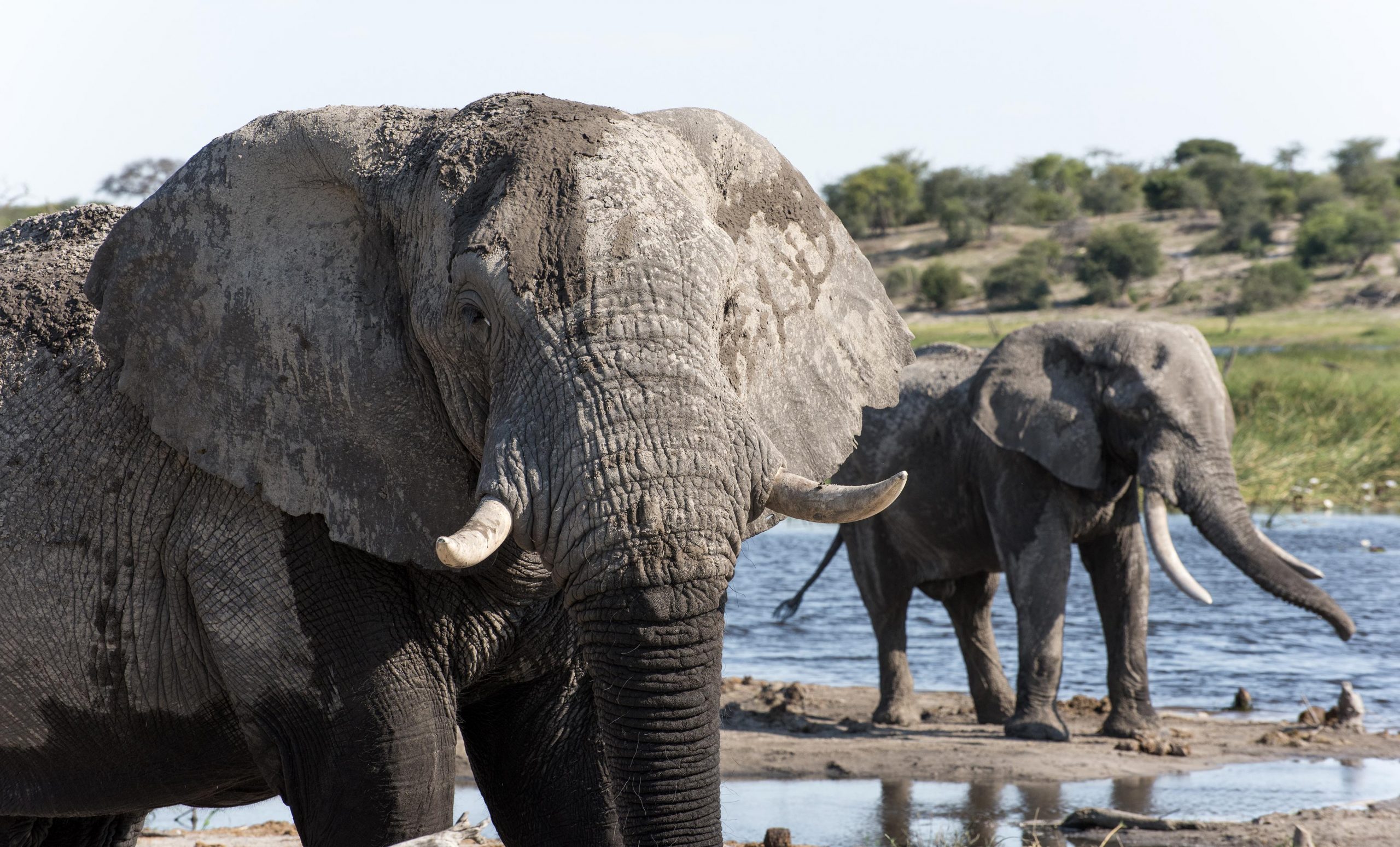
    Male Elephants
    Male elephants in the Makgadikgadi. Credit: Connie Allen

    The proposed technique could also aid efforts in Botswana to reconnect elephants with populations across southern Africa.

    The study, which examined a predominantly male population, also found that urine deposits from adult elephants were more likely to attract attention than that of younger (subadult) males.

    “African elephants may therefore be able to discern the age and maturity of individuals they can expect to encounter from remote urine cues on pathways,” Allen explained.

    Reference: “Field evidence supporting monitoring of chemical information on pathways by male African elephants” by Connie R.B. Allen, Lauren J.N. Brent, Thatayaone Motsentwa and Darren P. Croft, 26 May 2021, Animal Behaviour.
    DOI: 10.1016/j.anbehav.2021.04.004

    The study received funding from the Leverhulme Trust.

    Never miss a breakthrough: Join the SciTechDaily newsletter.
    Follow us on Google and Google News.

    Conservation Ecology Elephants Evolution Popular University of Exeter Zoology
    Share. Facebook Twitter Pinterest LinkedIn Email Reddit

    Related Articles

    African Forest Elephants Are Now Critically Endangered – Here’s How to Count Them

    Pace of Life: Friends and Enemies “Make Sense” for Long-Lived Animals

    Ivory Coast Without Ivory? Massive Extinction of African Forest Elephants in Côte d’Ivoire

    Wild Animals Lose Fear of Predators Quickly After They Start Encountering Humans

    Air Conditioning Is Failing for Glacier National Park’s Iconic Mountain Goats

    Elephants Are More Likely to Die at the Hands of Humans Than From Natural Causes

    A Fifth of All Invertebrates on Earth Threatened by Extinction

    Rediscovery Sheds New Light on the Behavior of the Proboscis Anole

    Marine Worm Thrives on Steady Diet of Deadly Poisons

    Leave A Reply Cancel Reply

    • Facebook
    • Twitter
    • Pinterest
    • YouTube

    Don't Miss a Discovery

    Subscribe for the Latest in Science & Tech!

    Trending News

    Artificial Sweeteners May Harm Future Generations, Study Suggests

    Splashdown! NASA Artemis II Returns From Record-Breaking Moon Mission

    What If Consciousness Exists Beyond Your Brain

    Scientists Finally Crack the 100-Million-Year Evolutionary Mystery of Squid and Cuttlefish

    Beyond “Safe Levels”: Study Challenges What We Know About Pesticides and Cancer

    Researchers Have Found a Dietary Compound That Increases Longevity

    Scientists Baffled by Bizarre “Living Fossil” From 275 Million Years Ago

    Your IQ at 23 Could Predict Your Wealth at 27, Study Finds

    Follow SciTechDaily
    • Facebook
    • Twitter
    • YouTube
    • Pinterest
    • Newsletter
    • RSS
    SciTech News
    • Biology News
    • Chemistry News
    • Earth News
    • Health News
    • Physics News
    • Science News
    • Space News
    • Technology News
    Recent Posts
    • What if Dark Matter Has Two Forms? Bold New Hypothesis Could Explain a Cosmic Mystery
    • Researchers Expose Hidden Chemistry of “Ore-Forming” Elements in Biology
    • Geologists Reveal the Americas Collided Earlier Than We Thought
    • 20x Difference: Study Reveals True Source of Airborne Microplastics
    • Scientists Uncover Hidden Force Powering Yellowstone’s Supervolcano
    Copyright © 1998 - 2026 SciTechDaily. All Rights Reserved.
    • Science News
    • About
    • Contact
    • Editorial Board
    • Privacy Policy
    • Terms of Use

    Type above and press Enter to search. Press Esc to cancel.