
Close Menu
    Facebook X (Twitter) Instagram
    SciTechDaily
    • Biology
    • Chemistry
    • Earth
    • Health
    • Physics
    • Science
    • Space
    • Technology
    Facebook X (Twitter) Pinterest YouTube RSS
    SciTechDaily
    Home»Chemistry»Science, Art, and Sustainability: How To Tie-Dye Cotton With Acorns and Rust
    Chemistry

    Science, Art, and Sustainability: How To Tie-Dye Cotton With Acorns and Rust

    By American Chemical SocietyMay 29, 20221 Comment2 Mins Read
    Facebook Twitter Pinterest Telegram LinkedIn WhatsApp Email Reddit
    Share
    Facebook Twitter LinkedIn Pinterest Telegram Email Reddit
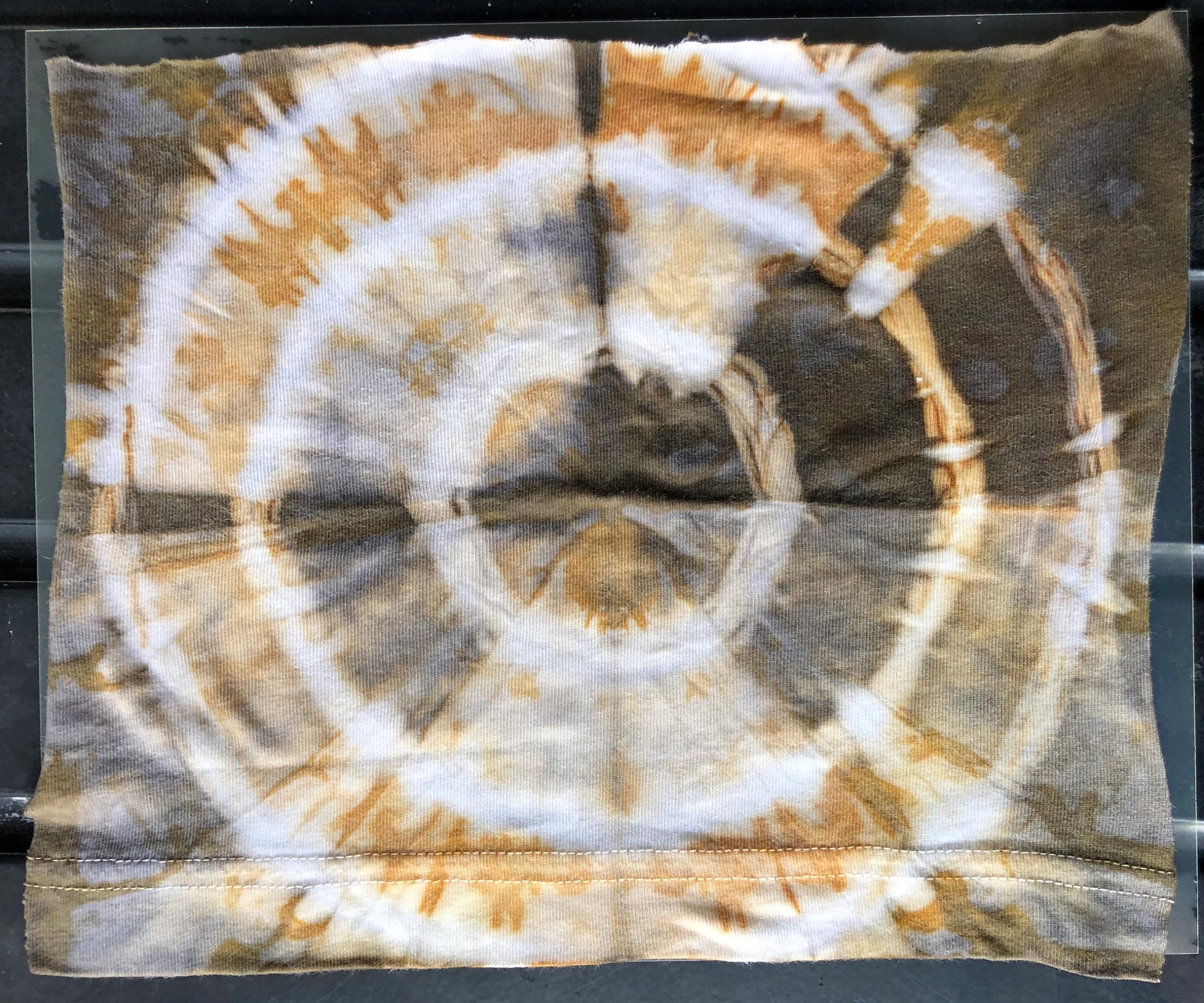
    Tie-Dyeing Cotton Fabric With Acorn and Rust
    Tie-dyeing cotton fabric with acorn and rust solutions turns it brown, orange, blue, and black. Credit: Adapted from Journal of Chemical Education 2022, DOI: 10.1021/acs.jchemed.2c00086

    Tie-dyeing is a fun activity that can spice up clothing, such as t-shirts, with colorful patterns. Although tie-dye kits are available to buy in stores, nature provides dyes that can be extracted from items that may be found in one’s own backyard — for example, acorns and rust.

    In the American Chemical Society’s Journal of Chemical Education, researchers present a “green” process for tie-dyeing cotton with renewable resources and wastes that undergraduate students can easily do under minimal supervision. The activity links together science, art, and sustainability.

    For thousands of years, materials found in nature have been used as dyes and mordants, which are substances that help affix compounds to fibers. And brown-colored tannins from acorns can bind to orange-colored iron mordant, generating a dark blue, or almost black, color on fabrics.

    So, Julian Silverman and colleagues wanted to show how these natural dyes can be used in tie-dyeing to produce unique designs of white, brown, orange, and bluish-black colors on cotton napkins. The resulting patterns depended on how the napkins were wrapped in rubber bands and the order in which they were soaked in an acorn dye bath and dipped in a rust and vinegar solution.

    Even though all of the dyeing solutions are safe to dump down the drain, the researchers say that gloves, lab coats, and goggles will keep the dyes from staining skin or other clothing.

    Reference: “Tie-Dyeing with Foraged Acorns and Rust: A Workshop Connecting Green Chemistry and Environmental Science” by Christian Machado, Anton O. Oliynyk and Julian R. Silverman, 12 May 2022, Journal of Chemical Education.
    DOI: 10.1021/acs.jchemed.2c00086

    The authors acknowledge funding from the Manhattan College School of Science.

    Never miss a breakthrough: Join the SciTechDaily newsletter.
    Follow us on Google and Google News.

    American Chemical Society Education Sustainability
    Share. Facebook Twitter Pinterest LinkedIn Email Reddit

    Related Articles

    This New Device Turns Carbon Emissions Into a Valuable Chemical

    The Surprising Truth: How Long “Biodegradable” Straws Last in Ocean Waters

    Sunglasses for Your Windows: Chameleon Coatings for Smarter, Cooler Living Spaces

    From Cardboard Waste to Sustainable Foam: Revolutionizing Packaging

    Scientists Transform Flies Into Biodegradable Plastic

    Rocks: The Unexpected Powerhouse of Sustainable Solar Energy Storage

    Stay Cold Without the Cost: Scientists Create Colorful Cooling Films

    Scientists Have Developed a Living “Bio-Solar Cell” That Runs on Photosynthesis

    Protonic Ceramic Fuel Cells Demonstrate Exceptional Power Density and Stability

    1 Comment

    1. vishu verma on May 30, 2022 10:38 pm

      Tlt website is one of the best website for ca foundation, ca intermediate and ca advance preparation

      Reply
    Leave A Reply Cancel Reply

    • Facebook
    • Twitter
    • Pinterest
    • YouTube

    Don't Miss a Discovery

    Subscribe for the Latest in Science & Tech!

    Trending News

    The Universe Is Expanding Too Fast and Scientists Can’t Explain Why

    “Like Liquid Metal”: Scientists Create Strange Shape-Shifting Material

    Early Warning Signals of Esophageal Cancer May Be Hiding in Plain Sight

    Common Blood Pressure Drug Shows Surprising Power Against Deadly Antibiotic-Resistant Superbug

    Scientists Uncover Dangerous Connection Between Serotonin and Heart Valve Disease

    Scientists Discover a “Protector” Protein That Could Help Reverse Hair Loss

    Bone-Strengthening Discovery Could Reverse Osteoporosis

    Scientists Uncover Hidden Trigger Behind Stem Cell Aging

    Follow SciTechDaily
    • Facebook
    • Twitter
    • YouTube
    • Pinterest
    • Newsletter
    • RSS
    SciTech News
    • Biology News
    • Chemistry News
    • Earth News
    • Health News
    • Physics News
    • Science News
    • Space News
    • Technology News
    Recent Posts
    • Scientists Overcome Major Quantum Bottleneck, Potentially Transforming Teleportation and Computing
    • Quantum Physics’ Strangest Problem May Hold the Key to Time Itself
    • Scientists Create “Liquid Gears” That Spin Without Touching
    • The Simple Habit That Could Help Prevent Cancer
    • Forgotten Medicinal Plant Shows Promise in Fighting Dangerous Superbugs
    Copyright © 1998 - 2026 SciTechDaily. All Rights Reserved.
    • Science News
    • About
    • Contact
    • Editorial Board
    • Privacy Policy
    • Terms of Use

    Type above and press Enter to search. Press Esc to cancel.