
Close Menu
    Facebook X (Twitter) Instagram
    SciTechDaily
    • Biology
    • Chemistry
    • Earth
    • Health
    • Physics
    • Science
    • Space
    • Technology
    Facebook X (Twitter) Pinterest YouTube RSS
    SciTechDaily
    Home»Technology»Science Made Simple: What Is Artificial Intelligence?
    Technology

    Science Made Simple: What Is Artificial Intelligence?

    By U.S. Department of EnergyDecember 23, 2021No Comments3 Mins Read
    Facebook Twitter Pinterest Telegram LinkedIn WhatsApp Email Reddit
    Share
    Facebook Twitter LinkedIn Pinterest Telegram Email Reddit
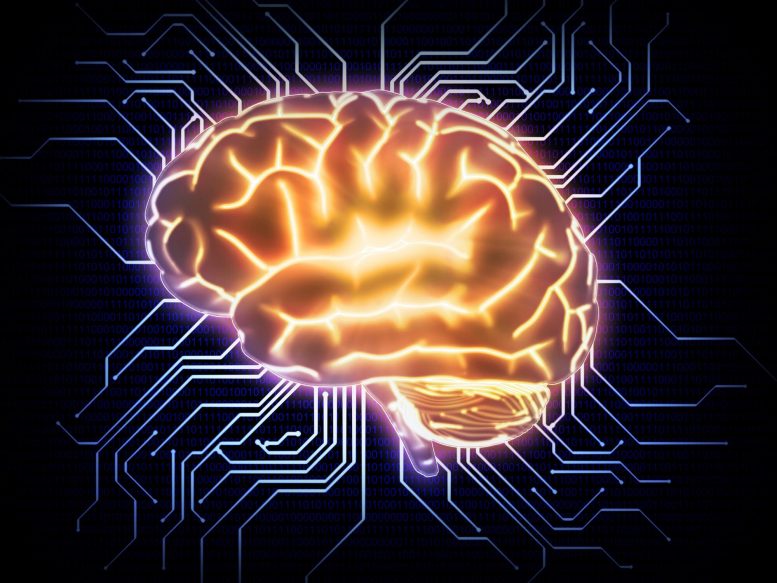
    Human Thinking Artificial Intelligence Concept
    Artificial intelligence was coined as a term and established as a formal field of research in 1956. Early efforts in the field resulted in the development of new tools for solving mathematical problems.

    What Is Artificial Intelligence?

    Artificial Intelligence (AI) simply means intelligence in machines, in contrast to natural intelligence found in humans and other natural organisms. Artificial intelligence gained its name and became a formal field of research in 1956, and initial work led to new tools for solving mathematical problems. However, researchers discovered that creating an AI is incredibly difficult, and progress slowed in the 1970s. More recently, increases in computing power and availability of massive data sets have set the groundwork for advances in AI.

    In particular, scientists have made giant strides in one particular application of AI, machine learning. Machine learning involves systems that automatically learn from the data they analyze and the results they obtain to improve their ability to work with that data in the future. For example, machine learning powers applications that estimate how long a trip will take and then provide guidance on the route. Applications such as Google Maps use machine learning to analyze shifting traffic conditions and incorporate user-reported data to reduce travel times and suggest fuel-efficient routes. Machine learning is best for these types of specific, well-defined tasks that can be broken down into logical steps.
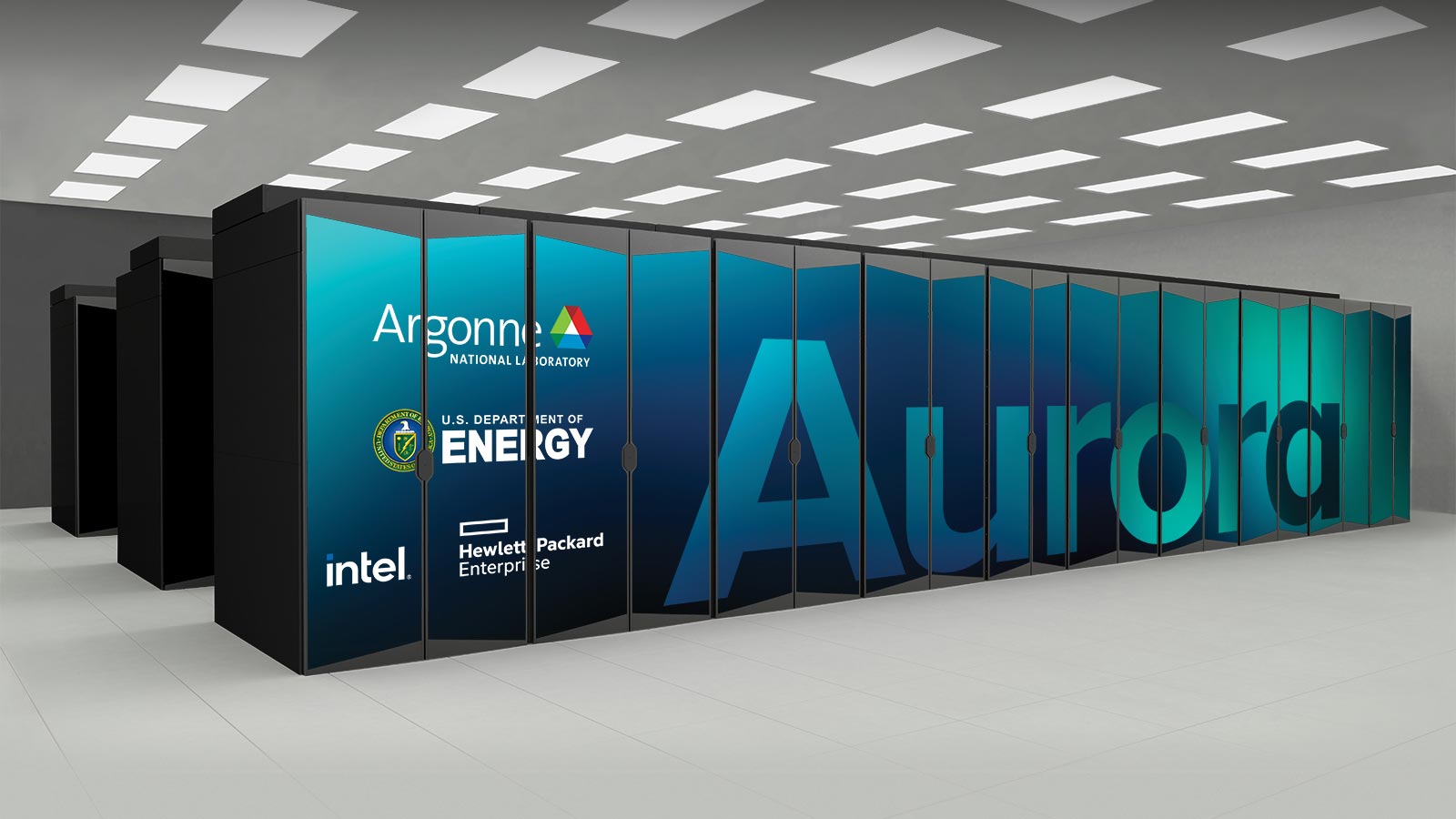
    Aurora Supercomputer DOE Argonne Leadership Computing Facility
    Supercomputers like the Department of Energy’s Aurora at the Argonne Leadership Computing Facility will help make artificial intelligence more and more powerful. Credit: Image courtesy of Argonne Leadership Computing Facility

    The next level of AI application is known as deep learning. Deep learning involves complex tasks with many hard to nail down variables. It makes use of neural networks, which seek to build computers that operate like our brains. Deep learning leverages many neural networks stacked on top of each other to create a large, complex neural network. Deep learning demands a lot of computing power to both train the model from copious amounts of data and use the trained models to make decisions. One example is digital assistants like Amazon Alexa, Apple Siri, and Google Assistant. Deep learning is what allows these assistants to listen to you and figure out what information you want or task you need them to perform.

    Artificial Intelligence Facts

    One of the ways we can understand advances in AI is how well it performs at games.

    • In 2011, IBM’s Watson won the U.S. game show Jeopardy!
    • In 2016, the Google DeepMind AlphaGo AI beat a human grandmaster at the complex Chinese game of Go.
    • But humans say AI isn’t so good at games involving teamwork.

    DOE Office of Science: Contributions to Artificial Intelligence

    The Advanced Scientific Computing Research (ASCR) program in the Department of Energy Office of Science (DOE SC) has been working on AI since the 1960s. ASCR developed several technologies—including massively parallel input/output systems and linear algebra routines—that led to today’s AI systems. More recently, ASCR’s role in high-performance computing and exascale computing will help build the hardware and software needed to power future generations of AI. The ASCR program also provides support to other DOE SC programs that are using AI to accomplish their goals. For example, the DOE SC Fusion Energy Science program is deploying AI to help control fusion reactions with the goal of making fusion energy production a commercial reality.

    Never miss a breakthrough: Join the SciTechDaily newsletter.
    Follow us on Google and Google News.

    Artificial Intelligence DOE Machine Learning
    Share. Facebook Twitter Pinterest LinkedIn Email Reddit

    Related Articles

    Hunting Cosmic Blobs: New AI Program Unveils Elusive Plasmoids

    Science Simplified: What Is Autonomous Discovery?

    Science Simplified: What Is Artificial Intelligence?

    Supercomputers and AI Unlock Secret Materials for Next-Gen Carbon Capture

    Google Scientists Discovered 380,000 New Materials Using Artificial Intelligence

    A Leap in Performance – New Breakthrough Boosts Quantum AI

    Science Made Simple: What Is Machine Learning?

    X-ray Experiments and Machine Learning Innovation Could Trim Years off Battery R&D

    Machine-Learning System Uses Physics to Identify Habitable Planets

    Leave A Reply Cancel Reply

    • Facebook
    • Twitter
    • Pinterest
    • YouTube

    Don't Miss a Discovery

    Subscribe for the Latest in Science & Tech!

    Trending News

    Scientists Discover Cheap, Natural Remedy for High Blood Pressure

    Earth’s Upper Atmosphere Is Cooling Fast and Scientists Finally Know Why

    32,000 Olympic Pools of Magma Nearly Erupted Beneath Atlantic Island

    Exercise Changes the Heart in a Way Researchers Never Expected

    Too Much Sleep May Age Your Body Faster, New Study Warns

    Scientists Uncover Promising New Strategy To Stop Parkinson’s in Its Tracks

    Experts Reveal the Surprising Cancer Link Behind a Common Vitamin

    This Strange “Golden Orb” Found 2 Miles Deep Stumped Scientists for Years

    Follow SciTechDaily
    • Facebook
    • Twitter
    • YouTube
    • Pinterest
    • Newsletter
    • RSS
    SciTech News
    • Biology News
    • Chemistry News
    • Earth News
    • Health News
    • Physics News
    • Science News
    • Space News
    • Technology News
    Recent Posts
    • Canada’s Billion-Year-Old Rocks Could Hold the Future of Clean Energy
    • Climate Change Is Quietly Choking Rivers Across the Planet
    • Scientists Finally Solve the Mystery of “Clockwork” Earthquakes
    • Your Immune System Remembers Obesity for up to a Decade, Study Finds
    • Breakthrough Parkinson’s Drug Targets Disease at Its Genetic Roots
    Copyright © 1998 - 2026 SciTechDaily. All Rights Reserved.
    • Science News
    • About
    • Contact
    • Editorial Board
    • Privacy Policy
    • Terms of Use

    Type above and press Enter to search. Press Esc to cancel.