
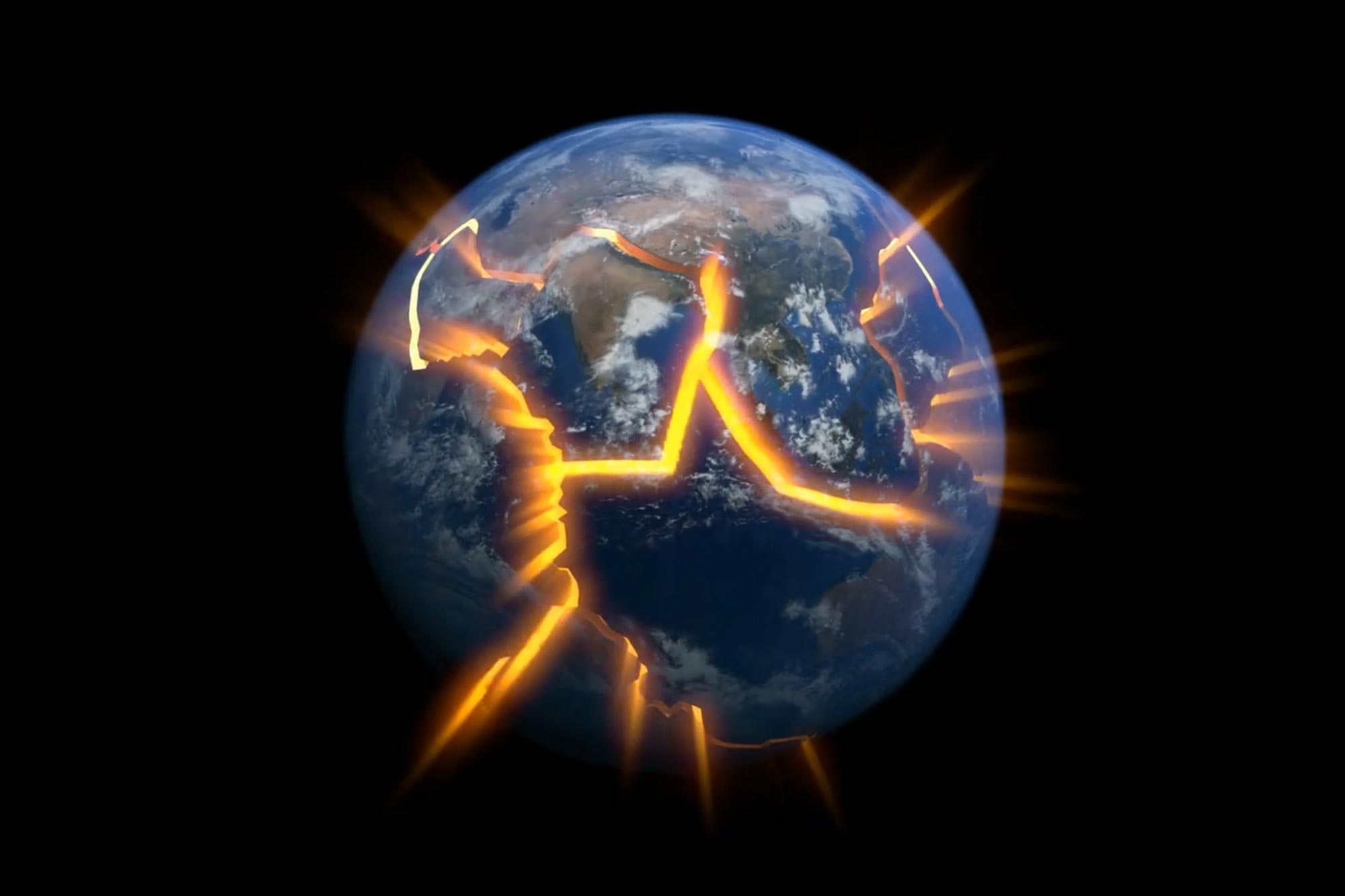
Scientists have uncovered a hidden geological process where fragments of continents are slowly stripped from below and swept deep into the oceanic mantle, sparking volcanic activity in unexpected ocean regions.
Earth scientists have uncovered a hidden geological process showing that parts of continents slowly detach from below, feeding volcanic activity deep beneath the oceans.
The study, led by the University of Southampton, reveals that fragments of continental crust are gradually pulled away from the base of continents and carried into the oceanic mantle – the hot, largely solid layer that moves sluggishly beneath the seafloor. Once there, this material can continue to drive volcanic activity for tens of millions of years.
This finding helps resolve a long-standing puzzle: how ocean islands located far from tectonic plate boundaries can contain chemical signatures that resemble continental rocks, despite being surrounded by vast stretches of ocean.
Published in Nature Geoscience, the research involved scientists from the University of Southampton, the GFZ Helmholtz Centre for Geosciences in Potsdam (Germany), the University of Potsdam, Queen’s University (Canada), and Swansea University.
Ancient chemical trails in the mantle
Many volcanic islands, including Christmas Island in the northeast Indian Ocean, contain unusually high levels of certain “enriched” chemical elements typically found in continental crust. Scientists have long suspected that this enrichment occurs because powerful processes deep within Earth blend ancient, recycled material into the mantle, much like a mixer folding ingredients together in a cake batter.
Until now, scientists believed these enriched elements originated from sediments recycled as oceanic plates sank into the mantle, or from upwelling columns of hot rock called mantle plumes that rise from deep within the planet.
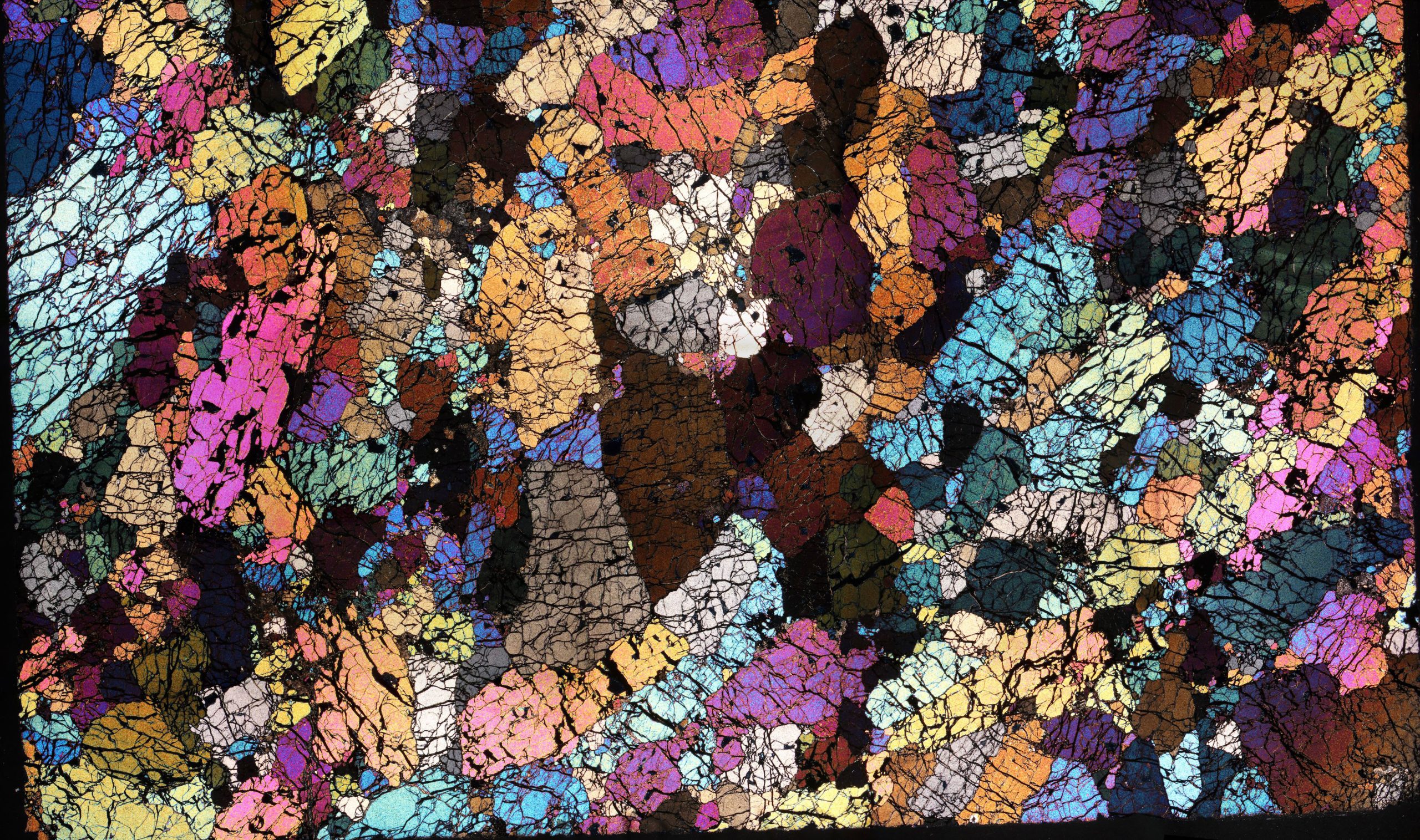
But these explanations fall short, as some volcanic regions show little sign of crustal recycling, while others appear too cool and shallow to be driven by mantle plumes.
“We’ve known for decades that parts of the mantle beneath the oceans look strangely contaminated, as if pieces of ancient continents somehow ended up in there,” said Thomas Gernon, Professor of Earth Science at the University of Southampton, and lead author of the study. “But we haven’t been able to adequately explain how all that continental material got there.”
The continents are peeling from below
The study proposes a novel answer: continents don’t just rift apart at the surface – they also peel away from below, and over much greater distances than previously thought possible.
The scientists developed simulations to mimic the behavior of continents and mantle as they are stretched by tectonic forces.
Their work builds on their previous research showing that when continents break apart, deep tectonic forces trigger a wave of instabilities – a ‘mantle wave’ – that sweeps along the continents’ base, disturbing their roots at depths of 150 to 200 km.
This sweeping movement unfolds at an incredibly slow pace, just a millionth the speed of a snail, gradually stripping material from the deep roots of continents.
These peeled fragments are then swept sideways – sometimes over more than 1,000 km – into the oceanic mantle, where they feed volcanic eruptions in the ocean over tens of millions of years.
Study co-author Professor Sascha Brune, of GFZ in Potsdam, said: “We found that the mantle is still feeling the effects of continental breakup long after the continents themselves have separated. The system doesn’t switch off when a new ocean basin forms – the mantle keeps moving, reorganizing, and transporting enriched material far from where it originated.”
Evidence from the Indian Ocean
The team analyzed geochemical data from areas of the Earth including the Indian Ocean Seamount Province, a chain of volcanic features formed after the supercontinent Gondwana broke apart over 100 million years ago.
Through simulations and chemical analysis, they discovered that soon after Gondwana broke apart, a burst of unusually enriched magma rose to the surface.
Over tens of millions of years, that chemical signal faded as the flow of material from beneath the continent waned. This happened without a mantle plume coming from deep in the Earth, which geologists had long assumed must be responsible.
Professor Gernon explained: “We’re not ruling out mantle plumes, but this discovery points to a completely new mechanism that also shapes the composition of the Earth’s mantle. Mantle waves can carry blobs of continental material far into the oceanic mantle, leaving behind a chemical signature that endures long after the continents have broken apart.”
The study builds on the team’s recent discovery that mantle waves can also stir dramatic changes deep within continents. Their earlier work showed that these slow, rolling movements in the Earth’s mantle can help trigger diamond eruptions and even reshape landscapes thousands of kilometers from the edges of tectonic plates.
Reference: “Enriched mantle generated through persistent convective erosion of continental roots” by T. M. Gernon, S. Brune, T. K. Hincks, M. R. Palmer, C. J. Spencer, E. J. Watts and A. Glerum, 11 November 2025, Nature Geoscience.
DOI: 10.1038/s41561-025-01843-9
Never miss a breakthrough: Join the SciTechDaily newsletter.
Follow us on Google and Google News.