

Researchers at DTU have developed a natural and straightforward method for producing vitamin B2 by gently heating lactic acid bacteria. This innovation could significantly impact developing countries, where vitamin B2 deficiency is a widespread issue.
Researchers at the Technical University of Denmark have developed a natural and straightforward method for producing vitamin B2: gently heating lactic acid bacteria. Unlike many vitamins that are synthetically made in chemical factories, this innovative approach offers a simpler, natural alternative. It holds particular promise for developing countries, where vitamin B2 deficiency is common, as it could allow for direct fortification of foods in local kitchens.
Most vitamins today are manufactured in factories using either synthetic processes or microorganisms not approved for food use. These methods often demand extensive and complex purification steps to isolate the vitamin from non-food-grade materials, making the process expensive and energy-intensive.
Researchers from the Technical University of Denmark (DTU) have now developed a groundbreaking, cost-effective, and environmentally friendly way to produce vitamin B2 (riboflavin) at scale. Their approach utilizes a food-approved lactic acid bacterium that can efficiently produce vitamin B2 when exposed to heat, offering a simpler and more sustainable alternative.
“I think it’s beautiful that something as simple as gentle heating and lactic acid bacteria can be used to produce vitamin B2. The method allows for food to be fortified with vitamin B2 in an easy way, for example, during the production of yogurt or sourdough,” says Associate Professor Christian Solem from DTU National Food Institute, who led the research.
Vitamin B2 is essential for energy production and for maintaining a normal immune function. It also plays an important role in iron absorption, and deficiency has wide-ranging effects.
Fortification with B2 as part of food preparation
This innovative method integrates vitamin production into the food fermentation process. Vitamins can thus be produced and added locally. By using riboflavin-producing bacteria in food production, manufacturers can improve the nutritional value of traditional foods economically, enhancing public health while reducing environmental impact.
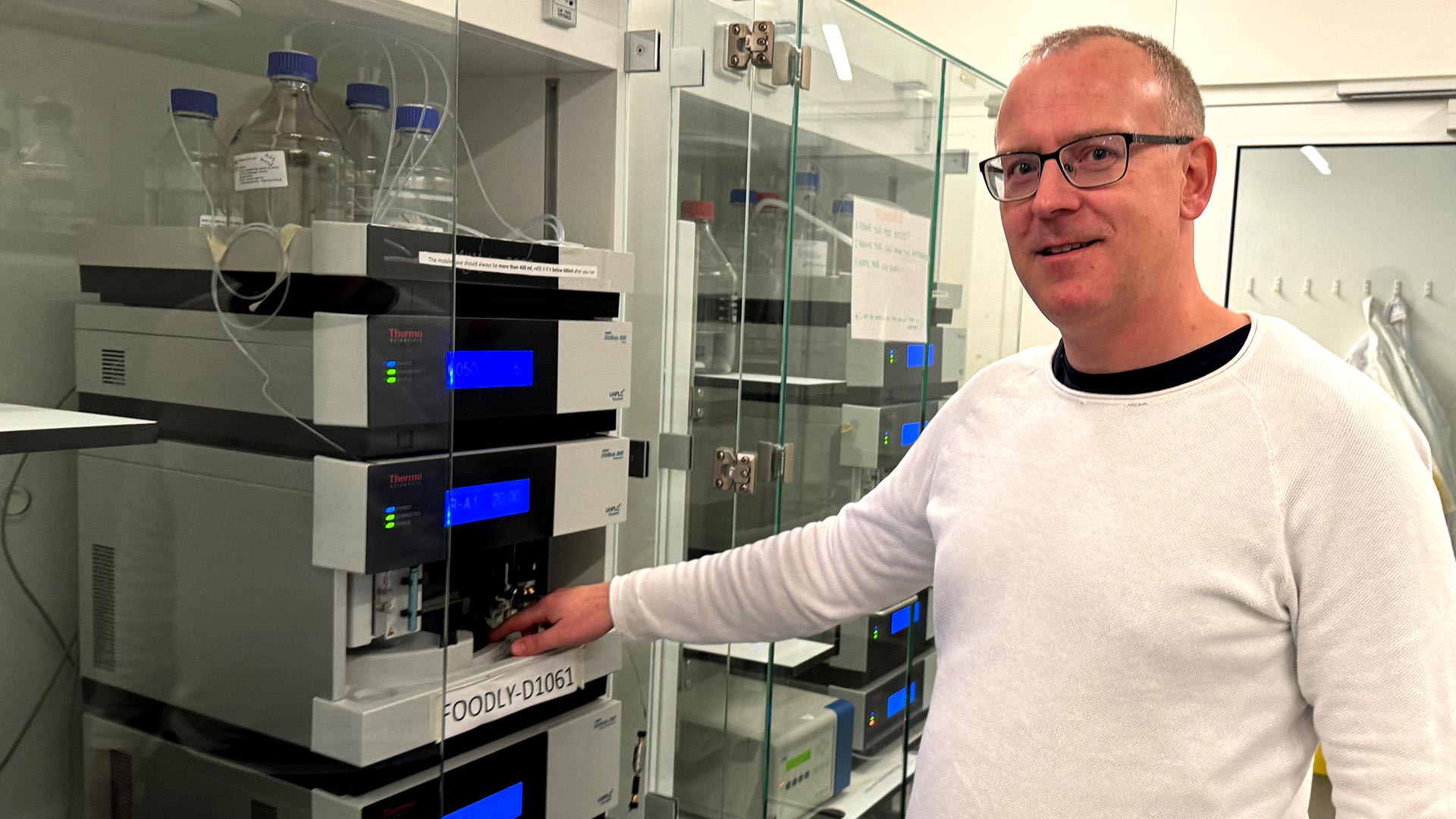
The method differs from existing technologies by being natural—without genetic modification—and consuming less energy and fewer chemicals compared to traditional synthetic vitamin production. Fortification only requires basic fermentation tools, which are already common in many households.
How the researchers stressed the bacteria
The team subjected lactic acid bacteria to “oxidative stress,” a natural pressure that compels bacteria to produce more riboflavin to protect themselves.
“We used the microorganism Lactococcus lactis, commonly known from cheese and cultured milk, to produce vitamin B2. Lactococcus thrives best at around 30°C, but we heated the bacteria to 38–39°C, which they didn’t like. Bacteria adapt to new conditions, and to defend themselves against the oxidative stress caused by the heat, they started producing vitamin B2,” explains Christian Solem.
The researchers optimized the vitamin production process by adding various nutrients, achieving a production of 65 milligrams of vitamin B2 per liter of fermented substrate—nearly 60 times the daily human requirement for the vitamin.
Cultural compatibility and future potential
“It would be ideal to package these B2-producing lactic acid bacteria as a starter culture that can be added to foods like milk, maize, or cassava for fermentation. When these foods are fermented using the starter culture, which includes specially selected lactic acid bacteria along with traditional ones, they automatically produce riboflavin while maintaining the traditional flavor and texture of the food,” says Christian Solem.
Many developing countries already have strong traditions of fermenting foods, which extends shelf life and reduces waste.
The method could potentially be expanded to produce other essential vitamins and nutrients, such as folic acid (B9) and vitamin B12, which are often lacking in plant-based diets. It could also be applied to various food types, including sauerkraut.
Reference: “Harnessing Oxidative Stress to Obtain Natural Riboflavin Secreting Lactic Acid Bacteria for Use in Biofortification” by Emmelie Joe Freudenberg Rasmussen, Norbert Acs, Peter Ruhdal Jensen and Christian Solem, 14 November 2024, Journal of Agricultural and Food Chemistry.
DOI: 10.1021/acs.jafc.4c08881
The research is funded by the Independent Research Fund Denmark through the project Bioshuttle.
Never miss a breakthrough: Join the SciTechDaily newsletter.
Follow us on Google and Google News.