
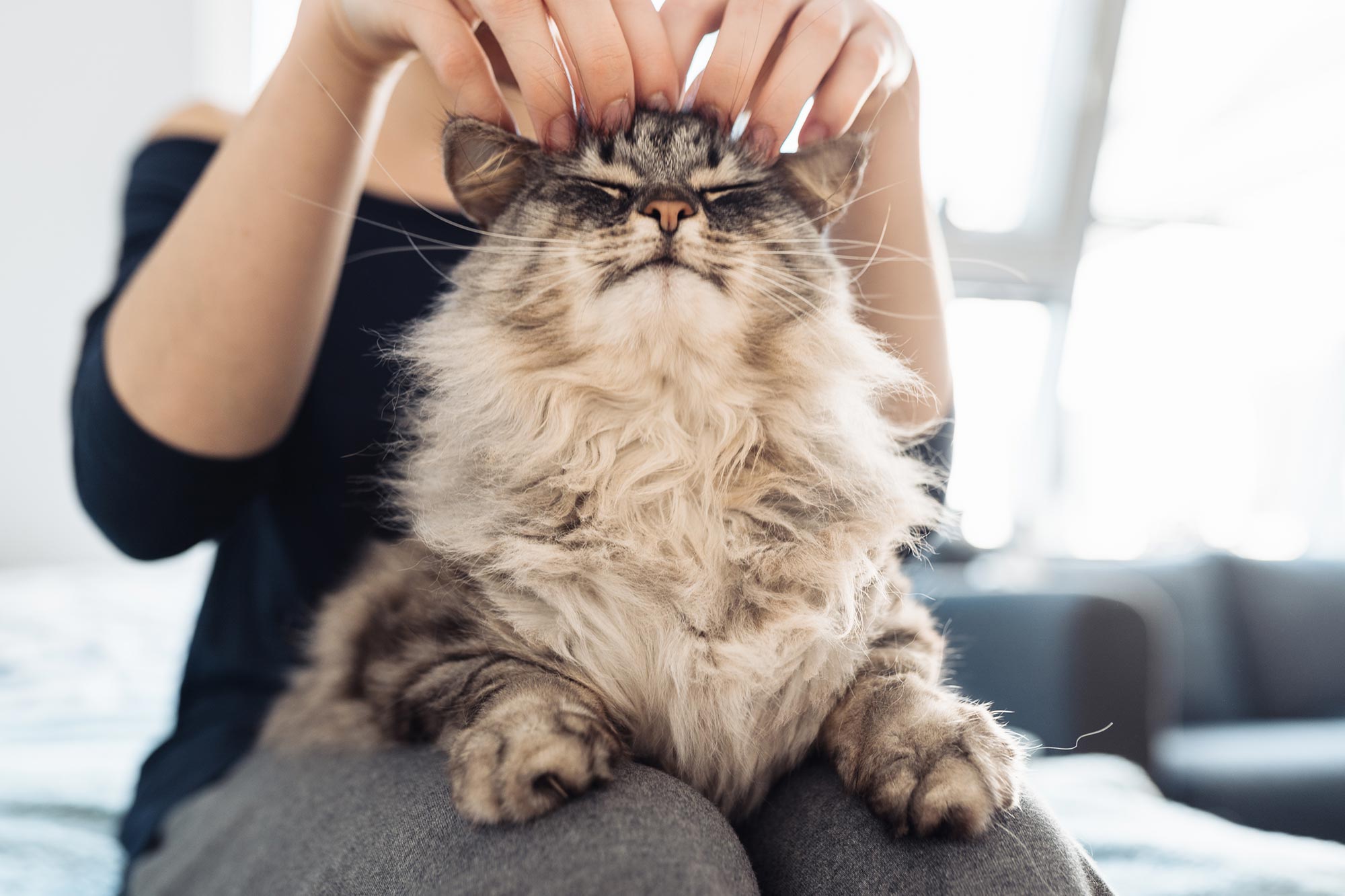
A cat’s purr carries a consistent vocal signature, while meows evolved to be flexible tools for interacting with humans.
A new study led by scientists at the Museum für Naturkunde Berlin and the University of Naples Federico II finds that a domestic cat’s purr is a far more reliable signal of individual identity than its meow. Meows change substantially depending on context, while purring stays consistent and uniquely tied to each cat.
By applying automatic speech-recognition methods and using recordings from the Animal Sound Archive at the Berlin Natural History Museum, the researchers examined vocalizations from both domestic and wild cats and showed that domestication has greatly increased how variable meowing can be.
Purrs carry individual identity
“People pay most attention to meowing because cats mainly use these vocalizations toward us,” explains the study’s first author, Danilo Russo. “But once we examined the acoustic structure closely, the even, rhythmic purr turned out to be the better cue for identifying individual cats.”
The team, which also included bioacoustician Mirjam Knörnschild from the Museum für Naturkunde Berlin, analyzed meows and purrs using tools originally designed for automatic speech recognition in humans. They asked how accurately a computer could match each sound to the correct cat based only on its acoustic features. Both types of calls contained individual signatures, but purrs were noticeably more reliable.
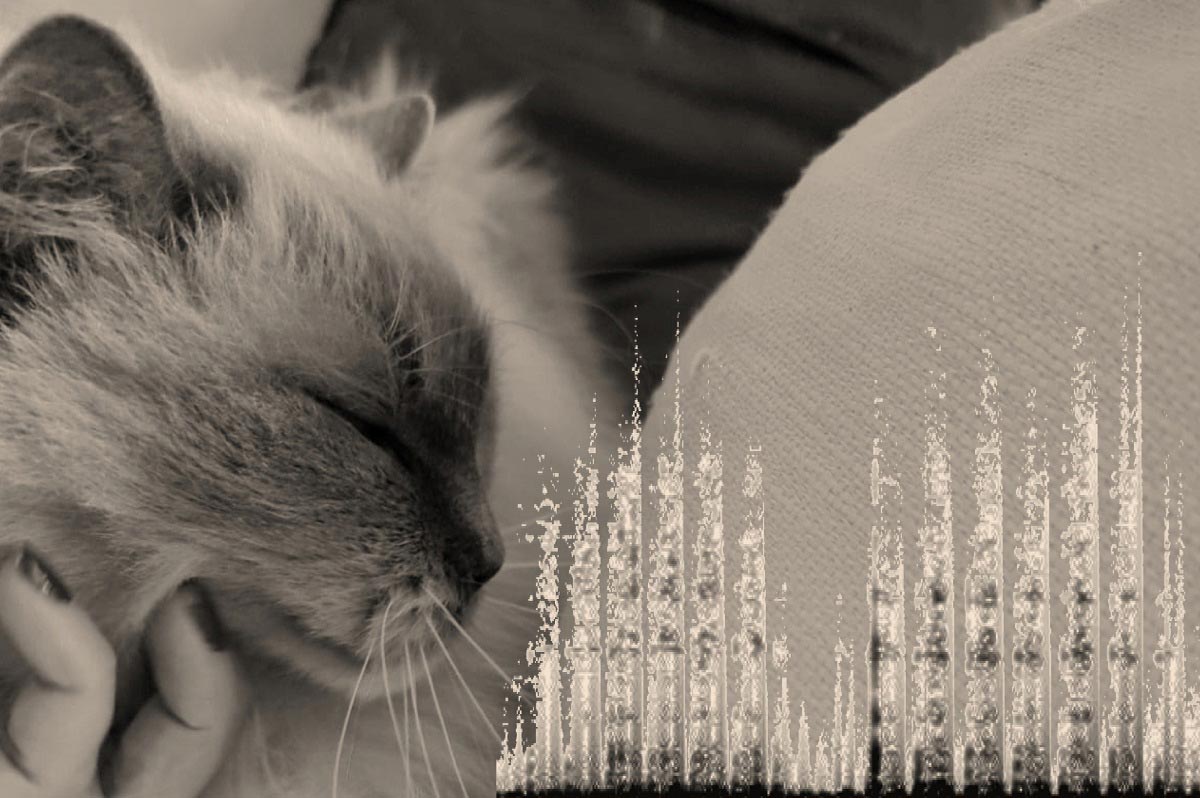
“Every cat in our study had its own characteristic purr,” says co-author Anja Schild. “Purring often occurs in relaxed situations, such as during petting or close contact with a familiar person. It also is used for communication between the mother and her kittens shortly after birth. Meowing, on the other hand, is famous for its versatility.” Cats use meows in many different situations, particularly when interacting with humans, including asking for food, seeking attention, or even “complaining.”
This adaptability showed up clearly in the data, with meows displaying far greater variation within the same individual.
Domestication reshaped the cat voice
To place the results in an evolutionary context, the researchers also compared the meows of five wild cat species – African wildcat, European wildcat, jungle cat, cheetah, and cougar – with those of domestic cats, drawing on the extensive collection of vocalizations in the Animal Sound Archive of the Museum für Naturkunde. The meows of domestic cats showed far greater variability than those of their wild relatives.
“Living with humans – who differ greatly in their routines, expectations, and responses – likely favored cats that could flexibly adjust their meows. Our results support the idea that meows have evolved into a highly adaptable tool for negotiating life in a human-dominated world,” says senior author Mirjam Knörnschild.
The study paints a nuanced picture of feline vocal communication and highlights how domestication has likely promoted vocal flexibility: purrs, stereotyped and low-frequency, serve as reliable identity cues that can help both cats and humans recognize familiar individuals in close social contexts. Meows, in contrast, prioritize flexibility over recognizability, allowing cats to express different needs and emotions to their human caregivers.
Reference: “Meows encode less individual information than purrs and show greater variability in domestic than in wild cats” by Danilo Russo, Anja Birgit Schild and Mirjam Knörnschild, 9 December 2025, Scientific Reports.
DOI: 10.1038/s41598-025-31536-7
This work was supported by a grant from the Leibniz-Gemeinschaft (P122/2020) to M.K.
Never miss a breakthrough: Join the SciTechDaily newsletter.
Follow us on Google and Google News.