
Close Menu
    Facebook X (Twitter) Instagram
    SciTechDaily
    • Biology
    • Chemistry
    • Earth
    • Health
    • Physics
    • Science
    • Space
    • Technology
    Facebook X (Twitter) Pinterest YouTube RSS
    SciTechDaily
    Home»Biology»Scientists Discovered a Fly That Sheds Its Wings and Sacrifices Its Sight
    Biology

    Scientists Discovered a Fly That Sheds Its Wings and Sacrifices Its Sight

    By AberystwythJune 17, 20261 Comment3 Mins Read
    Facebook Twitter Pinterest Telegram LinkedIn WhatsApp Email Reddit
    Share
    Facebook Twitter LinkedIn Pinterest Telegram Email Reddit
    Deer Ked Fly Leech
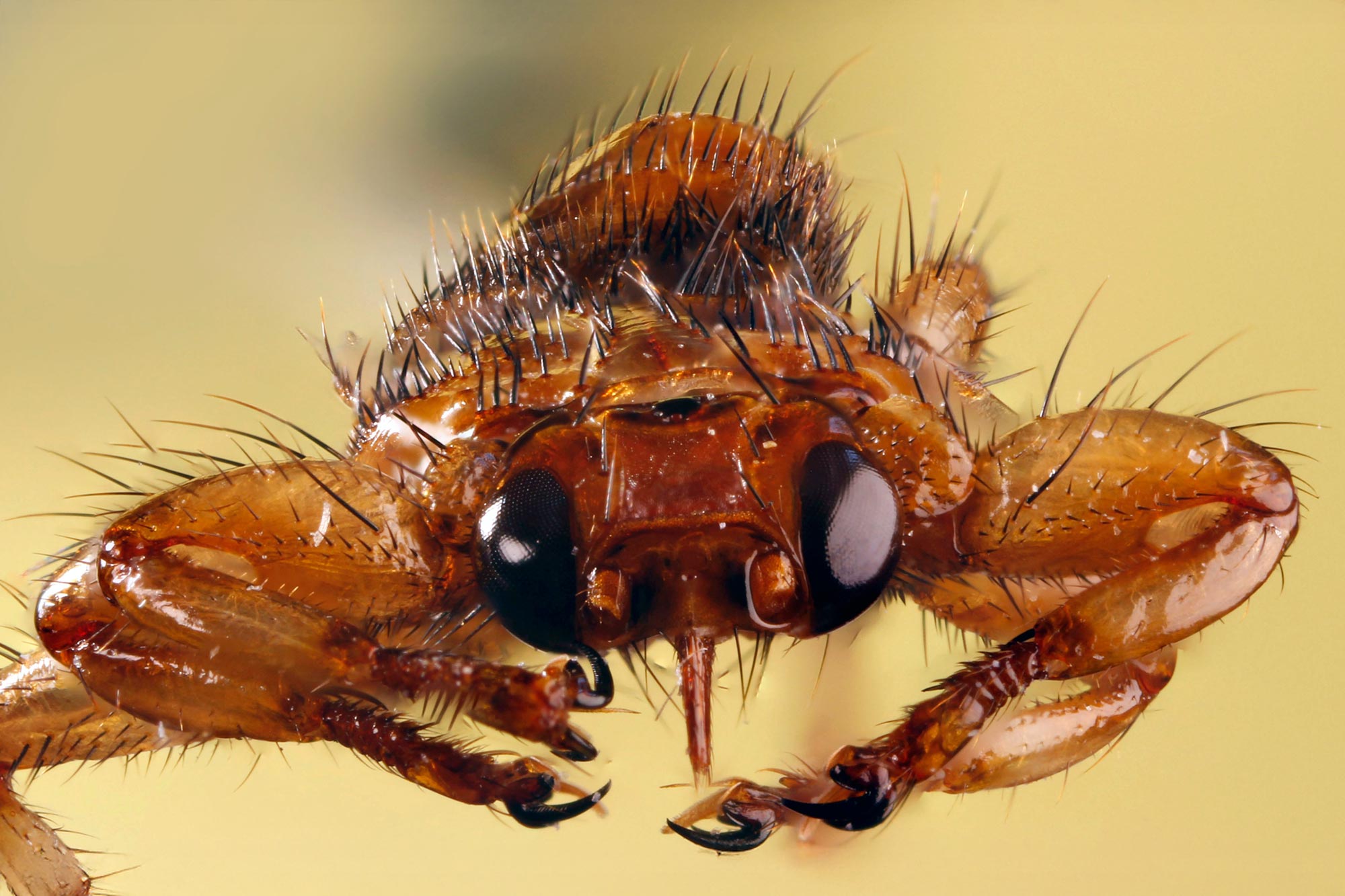
    A bizarre blood-feeding fly undergoes a dramatic transformation after finding a host. Deer keds use flight and keen vision to locate animals such as deer, but once they land, they permanently shed their wings and spend the rest of their lives feeding on blood. Credit: Shutterstock

    After finding a host and shedding its wings for good, a blood-feeding fly appears to sacrifice some of its vision to better support its parasitic lifestyle.

    Researchers from Aberystwyth University and the University of Florence have discovered that this major shift in behavior is accompanied by a significant change in the insects’ sensory systems.

    Deer Keds Reduce Investment in Vision

    After establishing themselves on a host, deer keds appear to redirect resources away from maintaining highly sensitive vision. Scientists believe this may help conserve energy for functions that become more important once the flies stop flying and begin living as parasites.

    Dr. Roger Santer from the Department of Life Sciences at Aberystwyth University, who led the study, said:

    “Vision plays a vital role in animal behavior, but it is also energetically expensive. Evolution favors sensory systems that are efficiently matched to an animal’s way of life. Some blood-feeding flies rely heavily on vision, while others live permanently on hosts and have little need for it. Deer keds are especially interesting because they switch between these two lifestyles.”
    Deer Ked
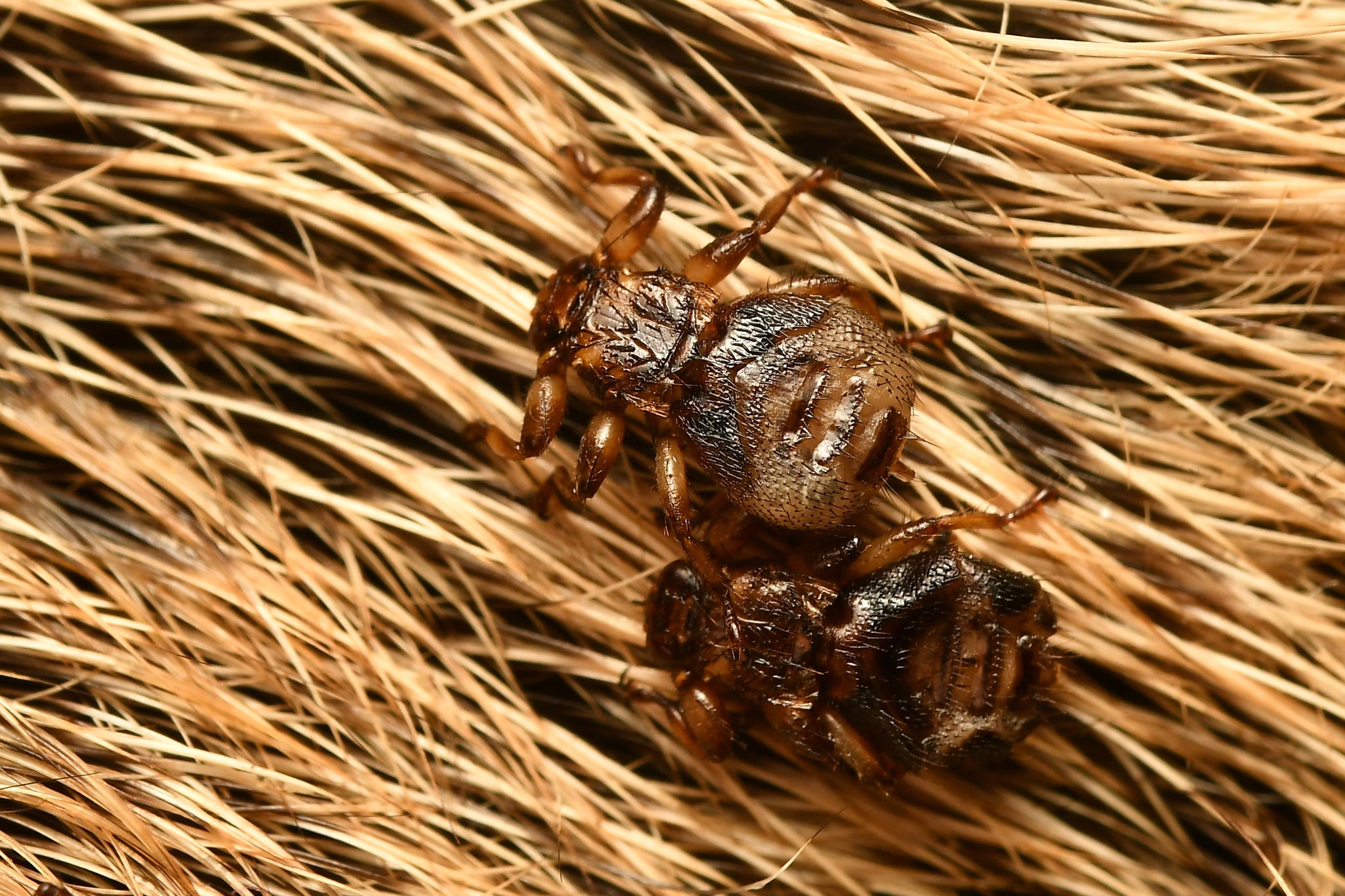
    Deer ked photo by iNaturalist user François-Xavier Taxil. Credit: François-Xavier Taxil, CC BY-NC 4.0

    Comparing Flying and Wingless Deer Keds

    To investigate how the insects adapt to this transition, the researchers examined deer keds at different stages of their lives. This included winged adults captured while searching for hosts and wingless adults collected from deer after they had adopted their parasitic lifestyle.

    The team focused on genes involved in visual sensitivity, known as opsins. By comparing gene activity before and after the flies shed their wings, the scientists were able to see how the insects’ visual systems respond to such a sudden lifestyle change.

    Vision Declines After the Flies Find a Host

    Dr. Santer said, “We found that a flying deer ked’s visual system is much like that of a tsetse fly, which famously hunt out mammal hosts in Africa. However, after a deer ked loses its wings and becomes an ectoparasite, activity of its opsin genes reduces to around half the previous level. This suggests that the flies do not lose vision entirely, but that their visual sensitivity is reduced. We think the fly might be sacrificing sight to conserve energy for functions such as digestion and reproduction.”

    The findings suggest that deer keds retain the ability to see after settling on a host, but their visual sensitivity becomes much lower than it was during their host-seeking stage.

    Published in the Journal of Experimental Biology, the study offers new insights into how parasites adjust their sensory systems when their lifestyles undergo dramatic changes.

    Researchers say a better understanding of how deer keds and other biting flies use their senses could eventually contribute to improved monitoring and control methods.

    Reference: “Visual adaptation of a biting fly that permanently foregoes flight” by Roger D. Santer, David C. Wilcockson, Martin T. Swain, Annalisa Andreani, Anita Nencioni and Patrizia Sacchetti, 31 May 2026, Journal of Experimental Biology.
    DOI: 10.1242/jeb.251571

    Never miss a breakthrough: Join the SciTechDaily newsletter.
    Follow us on Google and Google News.

    Flies Parasites
    Share. Facebook Twitter Pinterest LinkedIn Email Reddit

    Related Articles

    Metabolic Manipulators: How Parasitic Archaea Transform Their Hosts From the Inside Out

    Unlocking the Ocean’s Secrets With Four Decades of Canned Salmon

    “Fascinating” New Animal Discovery Could Protect Crops Without Pesticides

    Challenging Ecological Norms: Why “A Crab Is Never Just a Crab”

    Bloodlines and Bloodsuckers: Tracing Human Migration and Colonization in the Americas Through Lice

    Genetic Thieves: New Research Reveals How Parasites Hijack Host Behavior With Stolen DNA

    Scientists Discover a Completely New Type of Enzyme That Helps Fight Genomic Parasites

    Scientists Discover 16 Strange New Species of of Parasitoid Wasp in Vietnam

    Bizarre “Mind Controlling” Parasitic Hairworms Are Missing Genes Found in Every Other Animal

    1 Comment

    1. kamir bouchareb st on June 17, 2026 2:59 pm

      gooooooooood

      Reply
    Leave A Reply Cancel Reply

    • Facebook
    • Twitter
    • Pinterest
    • YouTube

    Don't Miss a Discovery

    Subscribe for the Latest in Science & Tech!

    Trending News

    Scientists Say Love Follows Mathematical Patterns

    “Zombie Cells” Reveal a Hidden Weakness That Could Help Fight Aging

    Alien Signals May Be Hiding in a Radio Band SETI Has Barely Explored

    Earth’s Hidden Thermostat Has Regulated Climate for 60 Million Years

    This 518-Million-Year-Old Creature Reveals How Spiders Got Their Bite

    Scientists Built a Programmable Chip That Can Slow Light on Command

    The Backyard “Silly Sprinkler” That Cracked One of Physics’ Biggest Puzzles

    This Common Sleep Habit Could Be Making You Gain Weight

    Follow SciTechDaily
    • Facebook
    • Twitter
    • YouTube
    • Pinterest
    • Newsletter
    • RSS
    SciTech News
    • Biology News
    • Chemistry News
    • Earth News
    • Health News
    • Physics News
    • Science News
    • Space News
    • Technology News
    Recent Posts
    • Where on Earth Was This Fossil 200 Million Years Ago?
    • A 25,000-Year-Old Ritual Tradition Was Hidden Beneath This Cave Floor
    • A Hidden Source of Metal-Mining Emissions Could Be 10x Larger Than Estimated
    • Plant Compounds in Berries, Tea, and Cocoa May Support Healthy Brain Aging
    • Scientists Find a Way To Keep Cancer-Fighting T Cells From Burning Out
    Copyright © 1998 - 2026 SciTechDaily. All Rights Reserved.
    • Science News
    • About
    • Contact
    • Editorial Board
    • Privacy Policy
    • Terms of Use

    Type above and press Enter to search. Press Esc to cancel.