
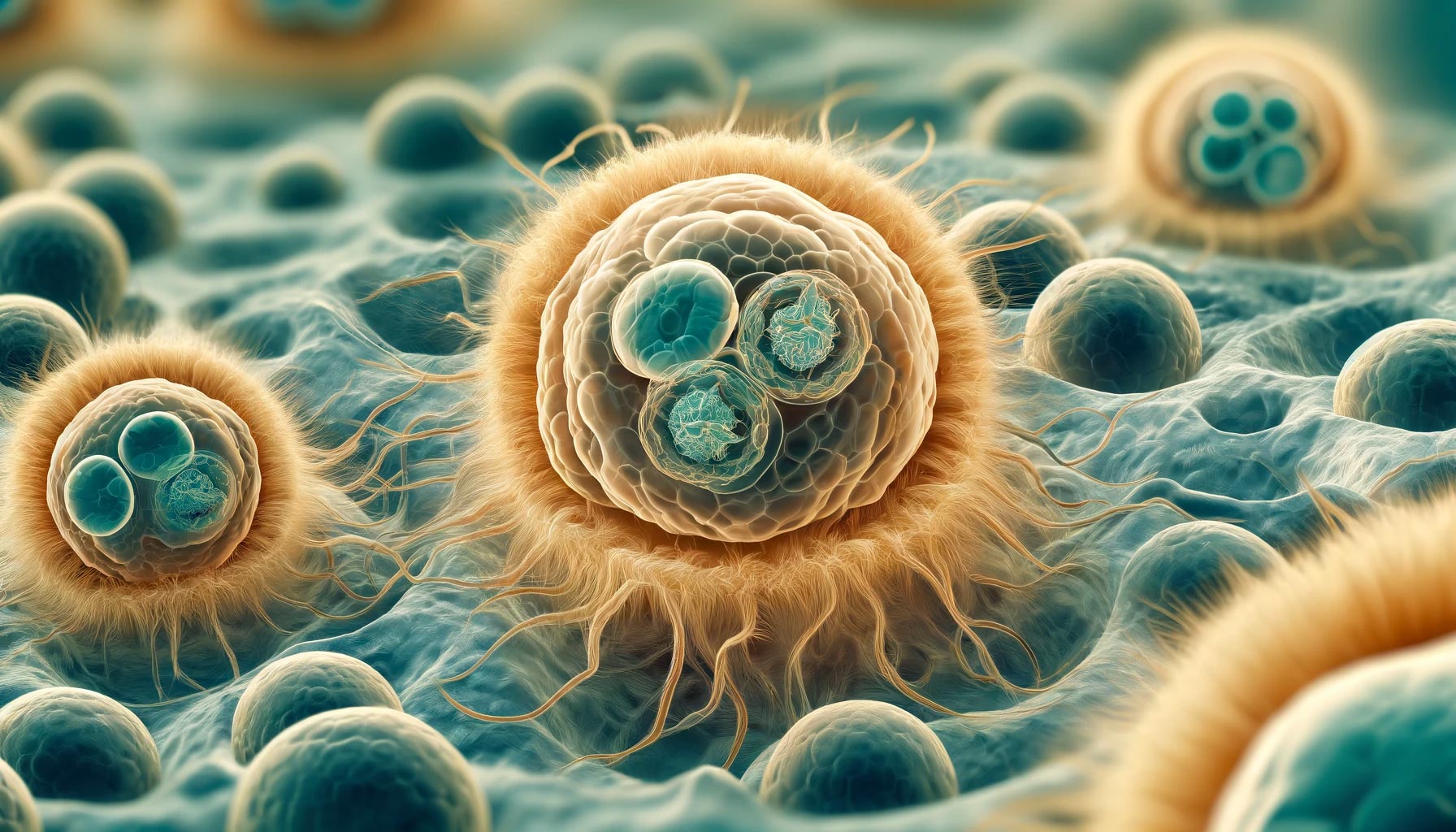
Microbiologists from NIOZ, the Royal Netherlands Institute for Sea Research, have discovered that certain parasitic microbes, specifically a group known as DPANN archaea, not only feed on their hosts but also change the host’s metabolism and biology. Their study reveals that these archaea selectively consume certain lipids from their hosts, potentially causing the hosts to alter their metabolic processes.
The research team, which includes Su Ding, Joshua Hamm, Nicole Bale, Jaap Damsté, and Anja Spang, published these findings in a recent Nature Communications article.
Understanding Archaea
Archaea are a distinct group of single-celled organisms that, like bacteria, do not have a nucleus with DNA, or other organelles within their cells. The study focuses on DPANN archaea, which are characterized by their tiny cell size and limited genetic material. These archaea are dependent on other microbes for survival, attaching to them and extracting lipids to construct their own cellular membranes.
Selective Feeding
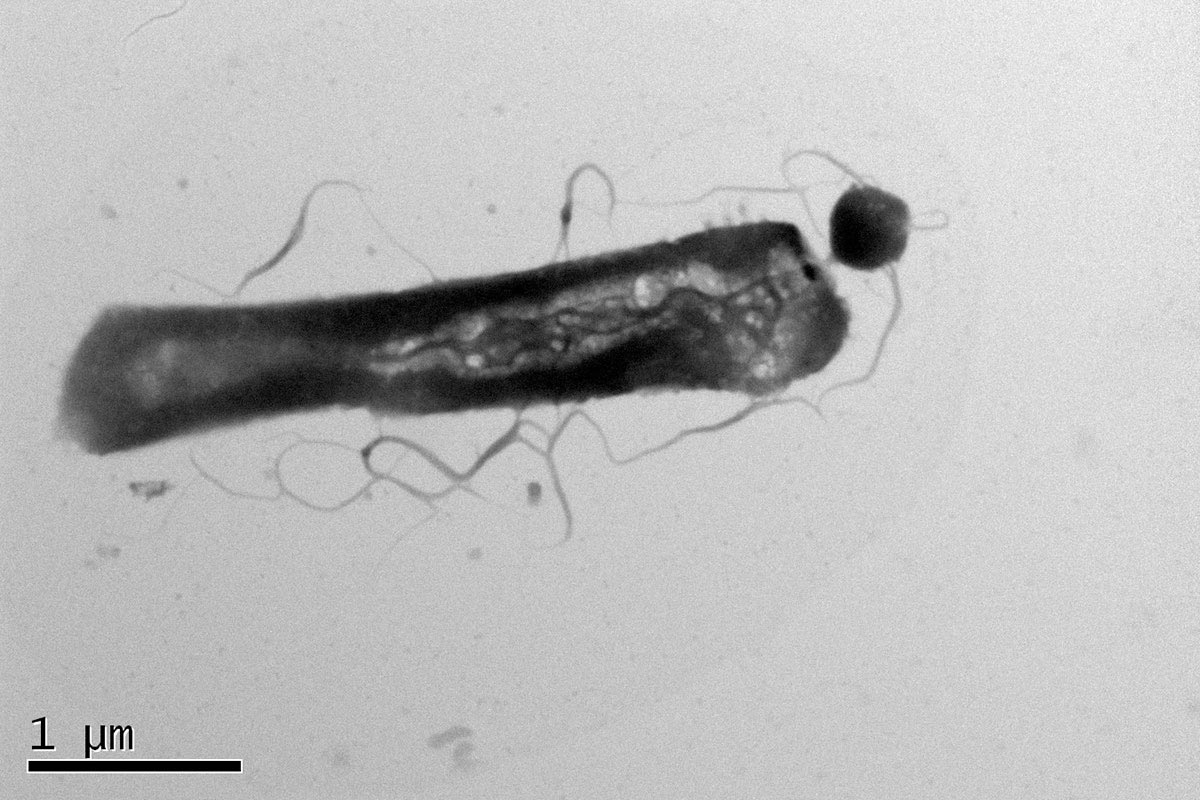
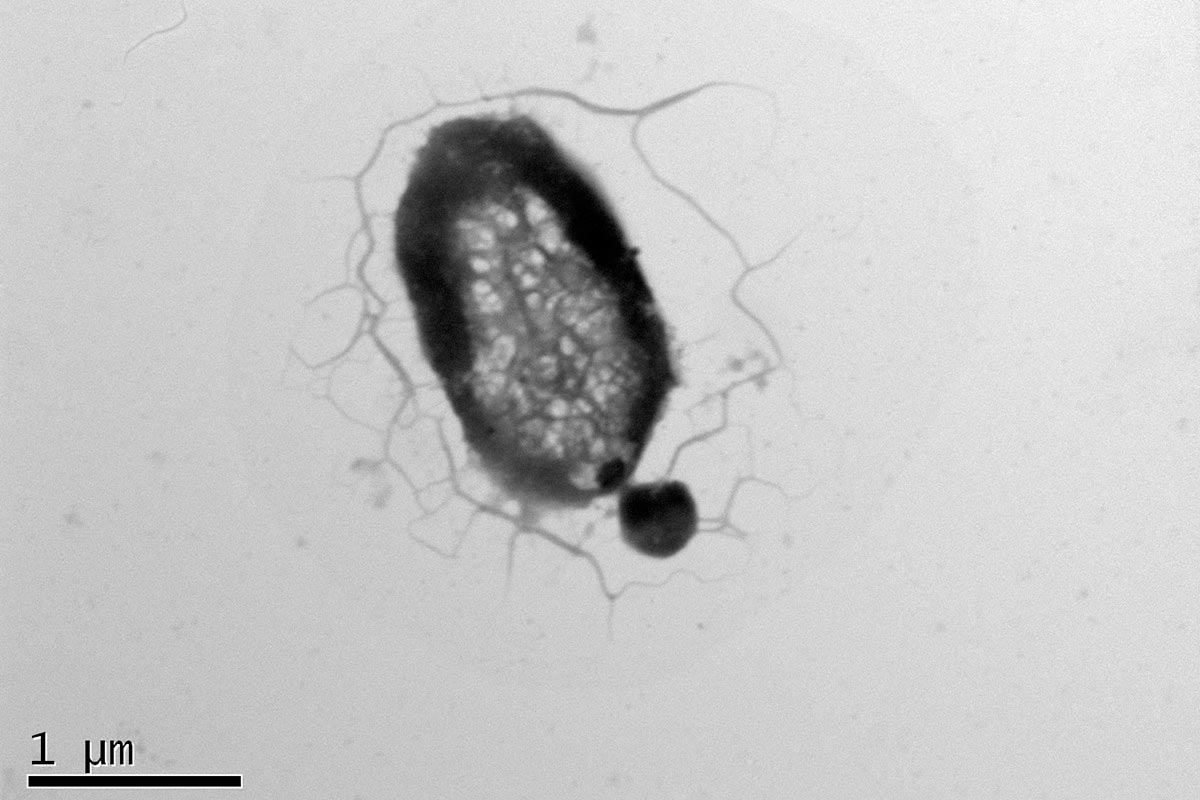
Contrary to the previous belief that these parasitic archaea indiscriminately consume any lipids from their hosts for their membranes, recent findings by Ding and Hamm indicate a more selective behavior. Specifically, the parasitic archaeon Candidatus Nanohaloarchaeum antarcticus selectively incorporates only certain lipids from its host, Halorubrum lacusprofundi. Hamm summarizes, “In other words: Ca. N. antarcticus is a picky eater.”
Archaea, Bacteria and Higher Organisms
Archaea are single celled organisms that were long believed to be a specific group of bacteria. Similar to bacteria, they do not have a nucleus with dna, or other organelles within their cells. As of the 1970’s, however, microbiologists no longer consider archaea bacteria, but classify them as a separate domain in all life forms. So, now we have archaea, bacteria, and eukaryotes, the latter including all animals and plants, that have a nucleus with genetic material in their cells.
Host Adaptations to Parasitic Activity
By analyzing the lipids of the hosts both with and without parasites, Ding and Hamm were able to show that hosts adapt to the presence of parasites by altering their membranes. This involves changing both the types and quantities of lipids used, as well as modifying the lipids to change their behavior, leading to increased metabolism and a more resilient membrane that is tougher for the parasite to penetrate. According to Hamm, this could have serious consequences for the host.“If the membrane of the host changes, this could have an impact on how these hosts can respond to environmental changes, in for example temperature or acidity,” he explains.
Revolutionary Analytical Techniques
Another groundbreaking aspect of this research was the development of a new analytical technique by Su Ding at NIOZ. Previously, lipid analysis required prior knowledge of the lipid groups to be targeted. Ding’s new technique allows for the examination of all lipids simultaneously, including unknown types, facilitating the discovery of changes in lipid composition. “We probably wouldn’t have been able to see the changes in the lipids if we had used a classical approach, but the new approach made it straightforward,” says Hamm.
Implications for Microbial Ecology
These findings offer profound insights into microbial interactions and ecology. “Not only does it shed a first light on the interactions between different archaea; it gives a totally new insight into the fundamentals of microbial ecology,” Hamm remarks. He emphasizes the importance of future research to determine how these interactions might affect the stability of microbial communities under changing environmental conditions.
Reference: “Selective lipid recruitment by an archaeal DPANN symbiont from its host” by Su Ding, Joshua N. Hamm, Nicole J. Bale, Jaap S. Sinninghe Damsté and Anja Spang, 22 April 2024, Nature Communications.
DOI: 10.1038/s41467-024-47750-2
Never miss a breakthrough: Join the SciTechDaily newsletter.
Follow us on Google and Google News.