
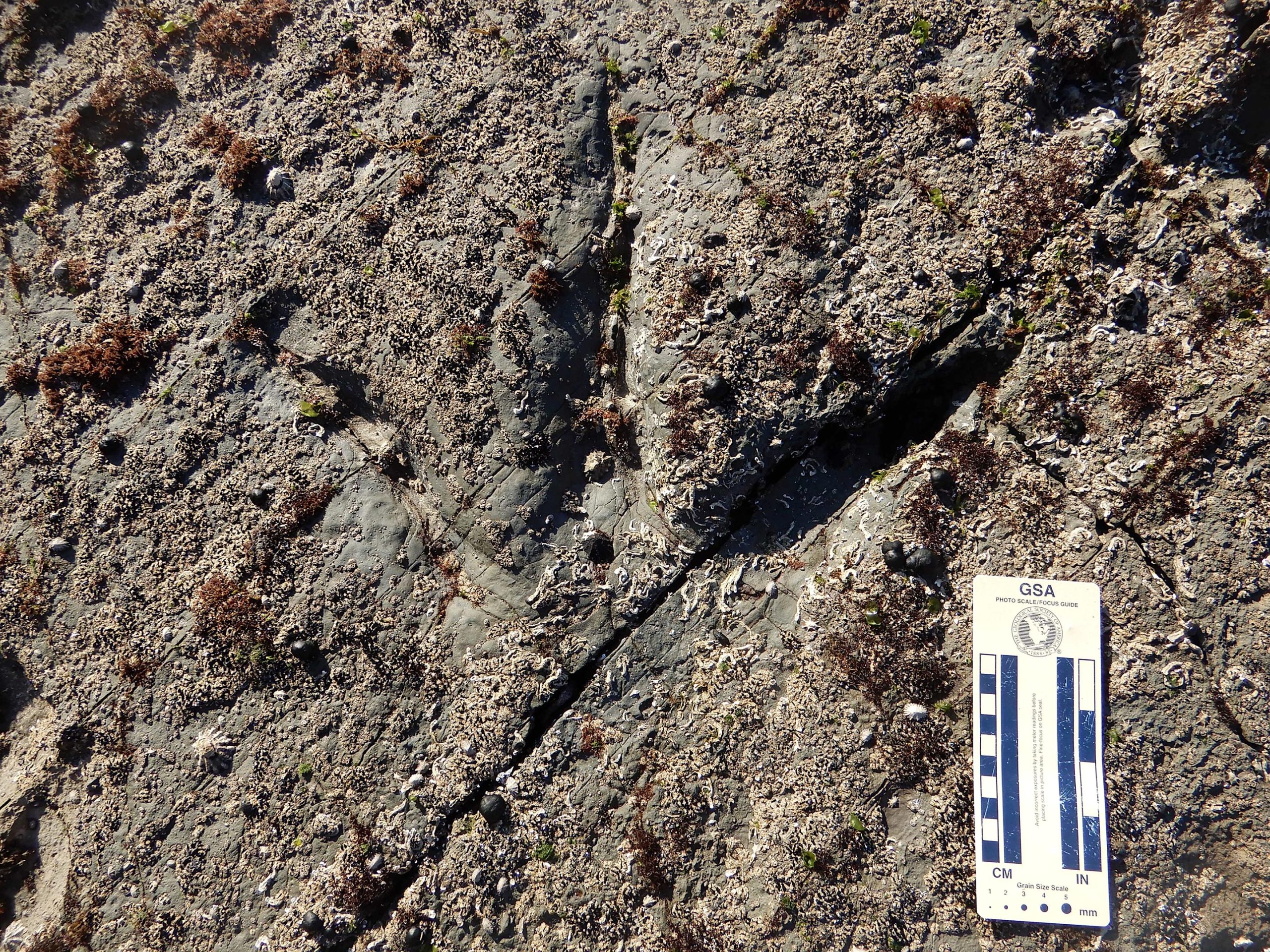
New theropod and ornithopod dinosaur tracks from the Early Cretaceous period in Australia’s Wonthaggi Formation illustrate a rich polar dinosaur ecosystem, highlighting the adaptability and diversity of these ancient creatures.
A recent discovery of dinosaur tracks on Australia’s southern coast, dating back to the Early Cretaceous when Australia was still connected to Antarctica, suggests that large theropod dinosaurs thrived in this polar environment, prowling the river floodplains when the ice thawed during the summers.
In a study published in the journal Alcheringa, researchers analyzed the tracks made in the Wonthaggi Formation south of Melbourne between 120 million and 128 million years ago. The find includes 18 theropod tracks and four tracks made by ornithopods — small, herbivorous dinosaurs that may have been prey for the theropods.
Insights from the Theropod and Ornithopod Tracks
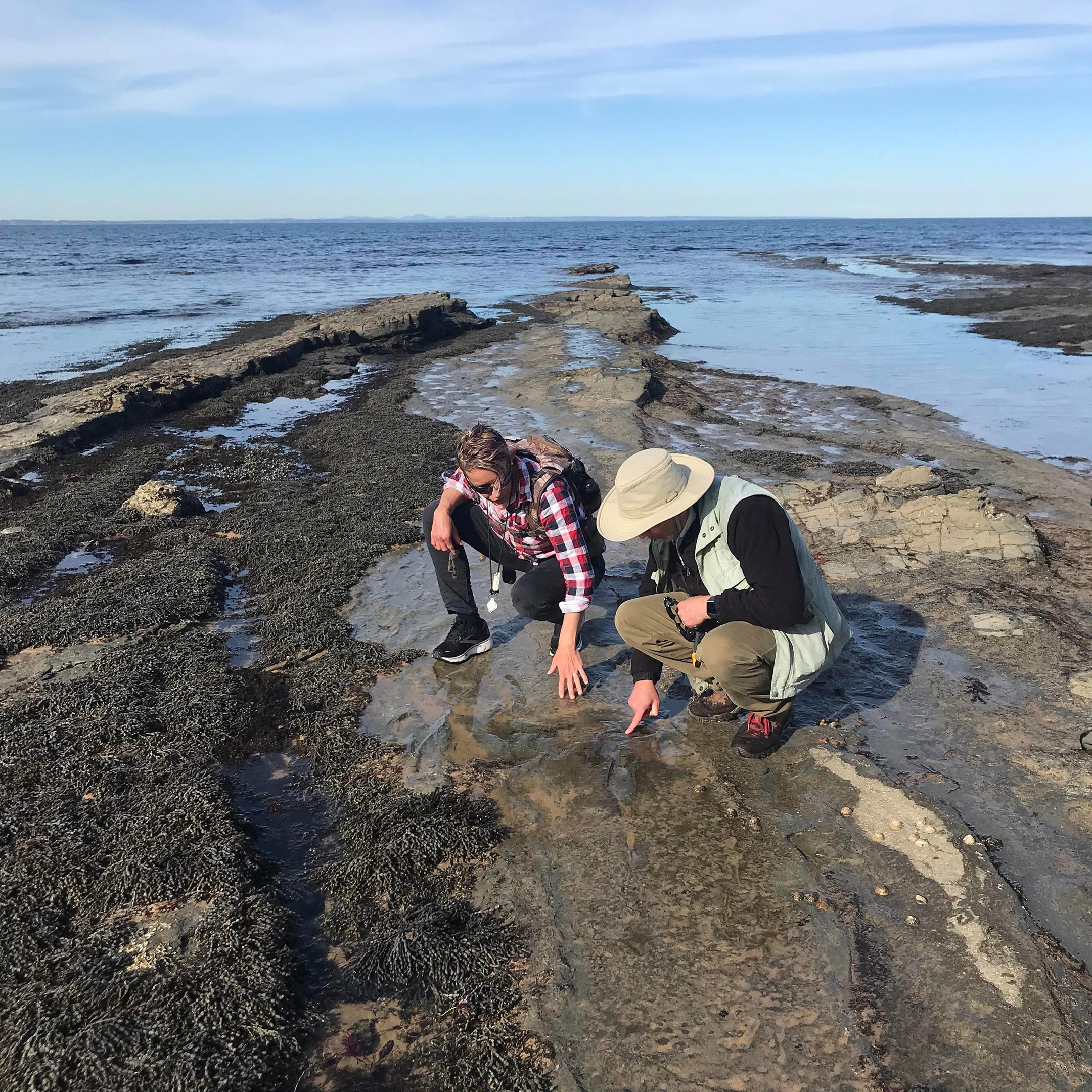
“These numerous tracks are the best evidence yet that these former polar environments supported large carnivores,” says Anthony Martin, first author of the study and a professor in Emory University’s Department of Environmental Sciences. “The large theropods would likely have fed on prey such as smaller dinosaurs, fish and turtles.”
Theropods, from the ancient Greek for “wild beast foot,” are a dinosaur clade characterized by walking on two legs and feet with three, clawed toes. They belong to the same evolutionary group as Allosaurus, Tyrannosaurus rex, and Velociraptor.
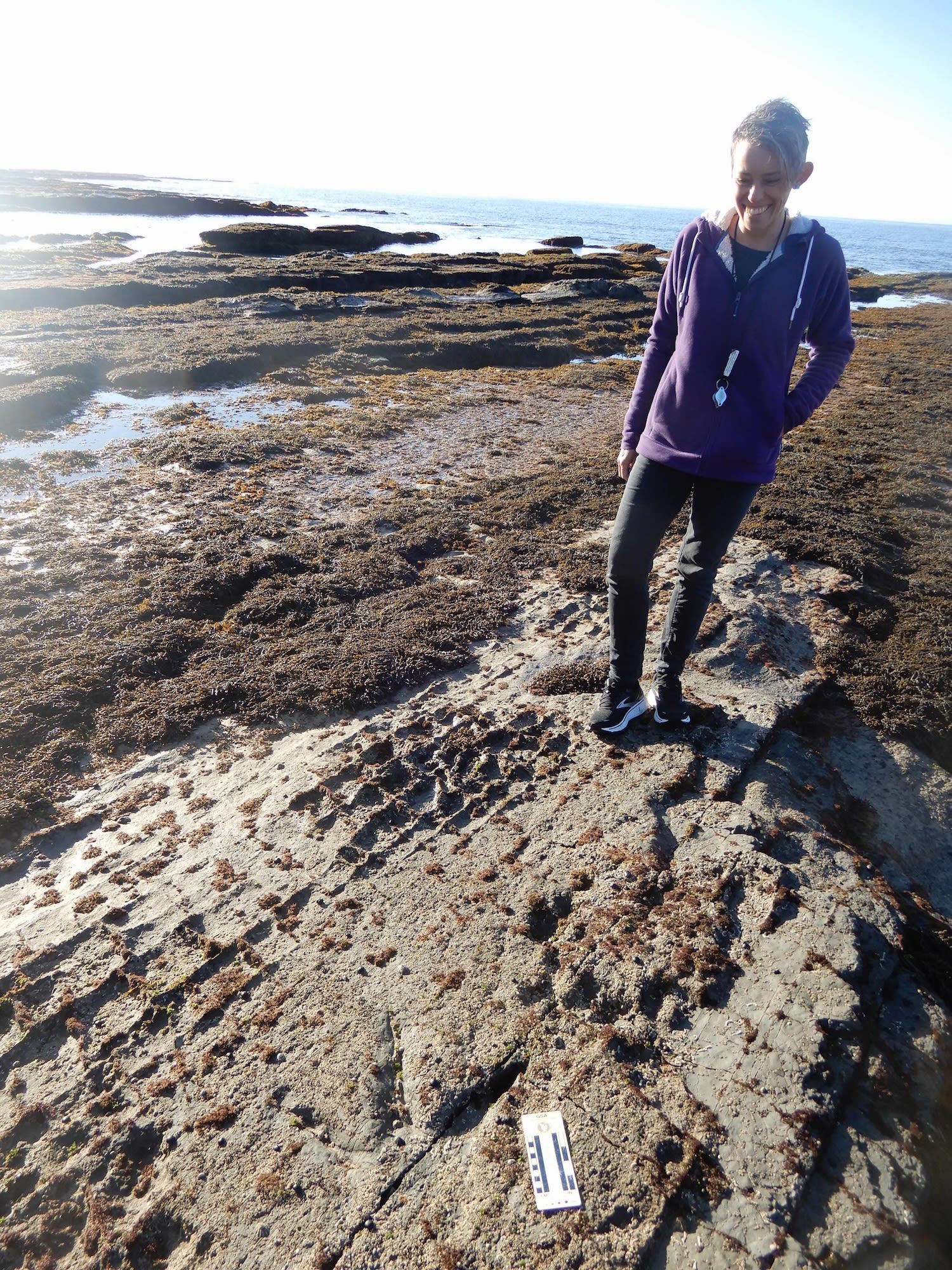
The largest track from the current find was 18.5 inches long. “The hip height of that theropod would have been about the same as the full height of a tall, modern-day human — or a bit more than six feet tall,” Martin says.
Martin is a geologist and paleontologist focused primarily on ichnology — the study of traces of life such as tracks, burrows, nests, and tooth marks.
Co-authors include Patricia Vickers-Rich, professor of paleontology at Monash University, and Thomas Rich, curator of vertebrate paleontology at Museums Victoria Research Institute. The couple have led a major effort since the 1970s to uncover fossils in the Australian state of Victoria.
Challenges in Fossil Preservation and Identification
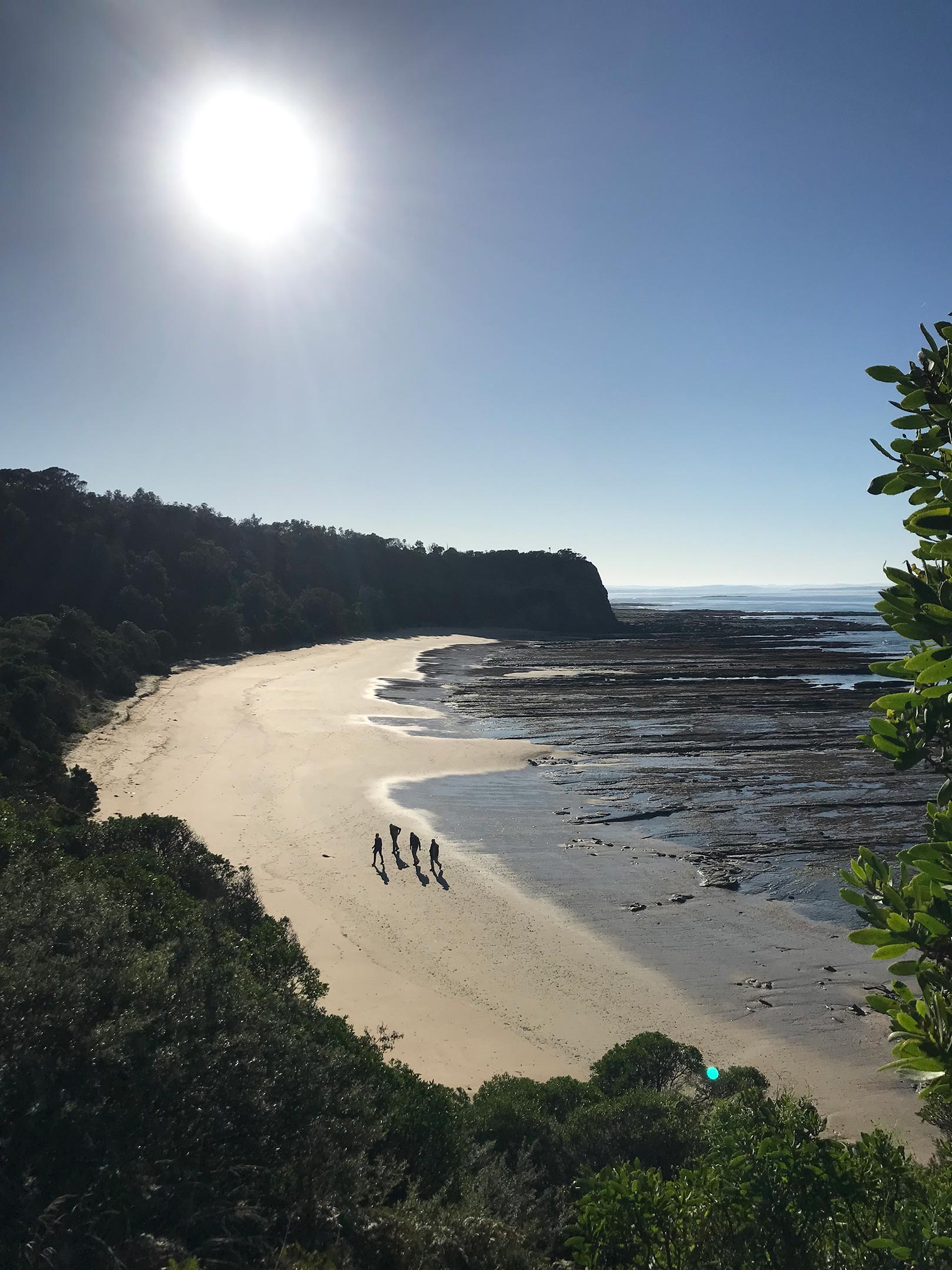
The state’s rocky coastal strata mark where the ancient supercontinent Gondwana began to break up around 100 million years ago, separating Australia from Antarctica. The polar environment at that time was a rift valley with braided rivers. Although the mean annual air temperature was higher during the Cretaceous than today, during the polar winters the ecosystems experienced deep freezing temperatures and months of darkness.
The Wonthaggi Formation has yielded one of the best assemblages of polar dinosaur body fossils in the Southern Hemisphere, but most of these remains are small fragments of bones and teeth. These fragments may have been carried to the site where they were buried by torrential spring floods.
“Our find of so many theropod tracks, however, confirms that a variety of dinosaurs actually lived and walked on the ground where their bones were found,” Martin says. “Dinosaur tracks are actually much more common at the site than we previously realized.”
The Role of Fossil Hunters During the Pandemic
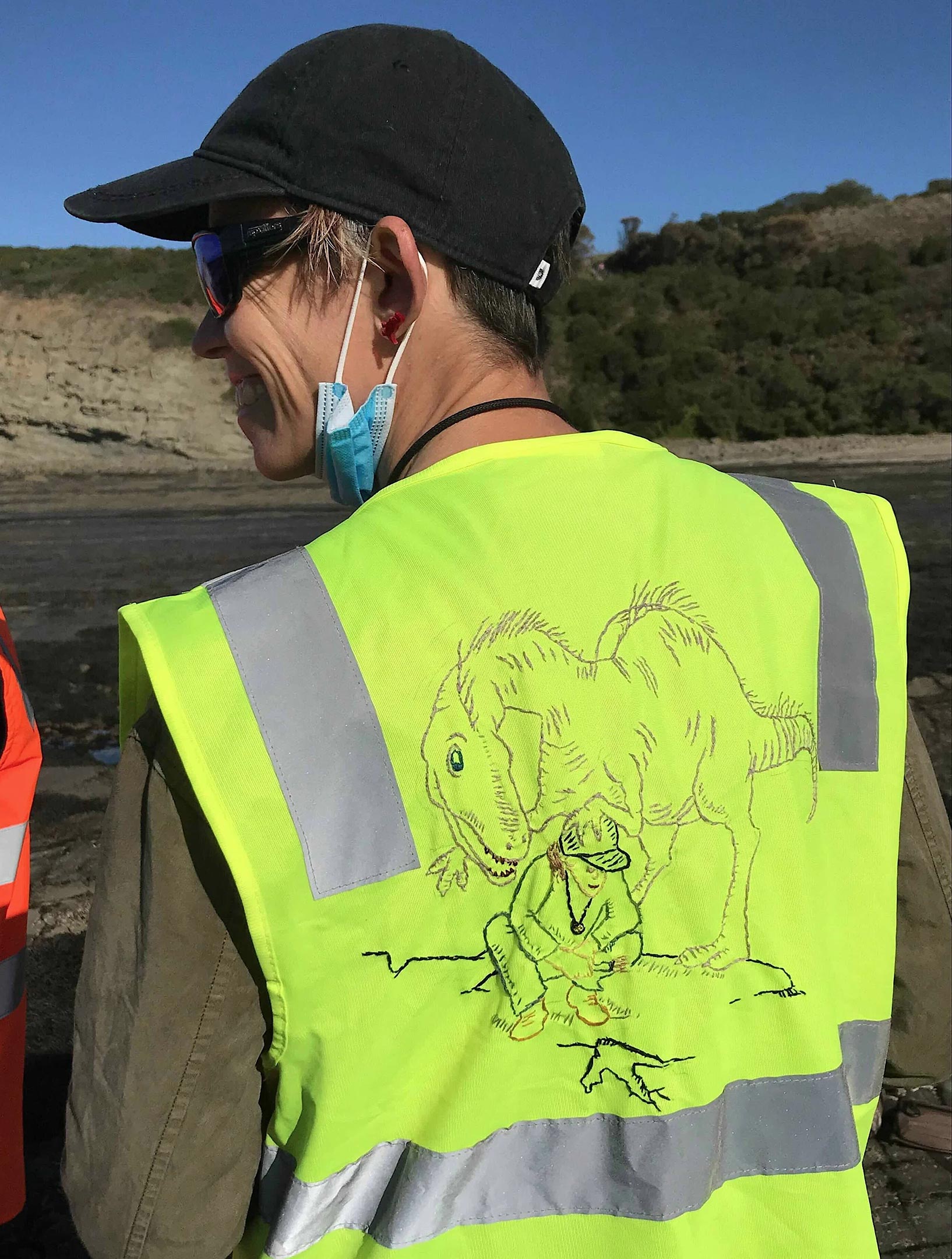
In 2007, Martin and his colleagues published the discovery of three theropod tracks in the Wongthaggi Formation. It took the dedication of co-author Melissa Lowery — and the social disruptions of the COVID-19 pandemic — to discover more. A volunteer fossil hunter for Monash University, Lowery is known as “the doyenne of dinosaur discovery” for her hundreds of finds.
“Melissa had a lot more time to go prospecting during the height of the pandemic,” Martin says. “While many of us were home watching reruns of ‘Jurassic Park,’ she was out finding dinosaur tracks. She has this incredible eye that allows her to pick out distinctive patterns from surrounding materials. I call it ‘ichno-vision.’ It’s her superpower.”
Analysis and Preservation of Dinosaur Tracks
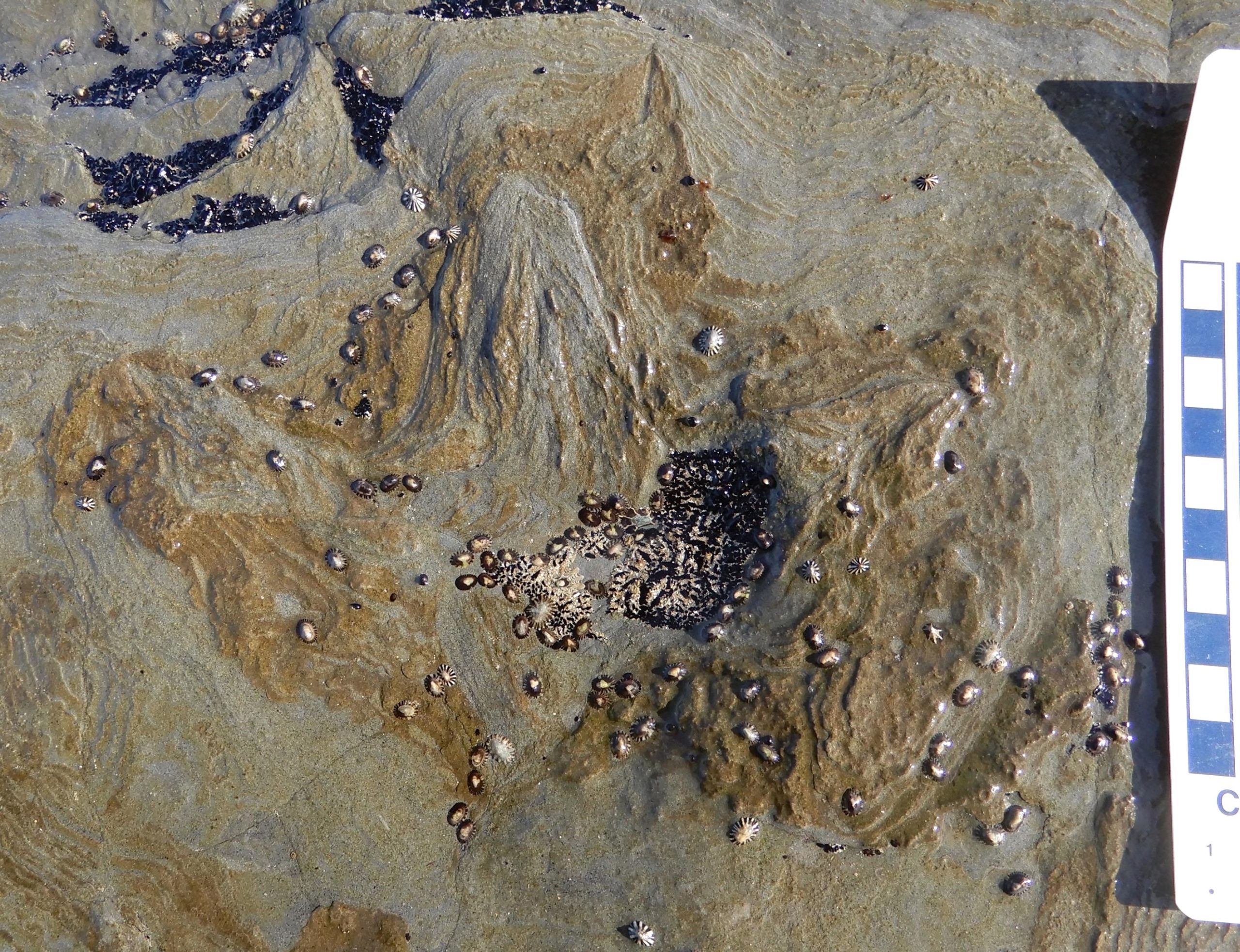
The tracks she discovered for the current paper were likely made when the dinosaurs were walking on wet sand or mud in the floodplain. Gooey substances like mud can collapse into a fresh footprint leading to messy fossil tracks that are missing a toe or other identifying mark, adding to the challenge of spotting them.
“Another problem with identifying these tracks is that many of them are underwater twice in a 24-hour period when the tide comes in,” Martin says. “All sorts of modern marine life, including algae, tube worms, barnacles and clams have encrusted on, and partially eroded, some of the tracks.”
Of the 24 tracks reported in the paper, two are of uncertain origin and 18 are theropod tracks ranging in length from seven to 18.5 inches. They are distinguished by relatively thin toes tipped with sharp claws.
Four tracks were made by ornithopods — the first reported from the Wonthaggi Formation — and range in size from four to seven inches.
Ornithopod is from the Greek for “bird feet,” in reference to their three toes, which are thicker than those of theropods and capped with blunter claws. These early, bipedal herbivores grew to about three feet in length.
Research Team and Their Contributions
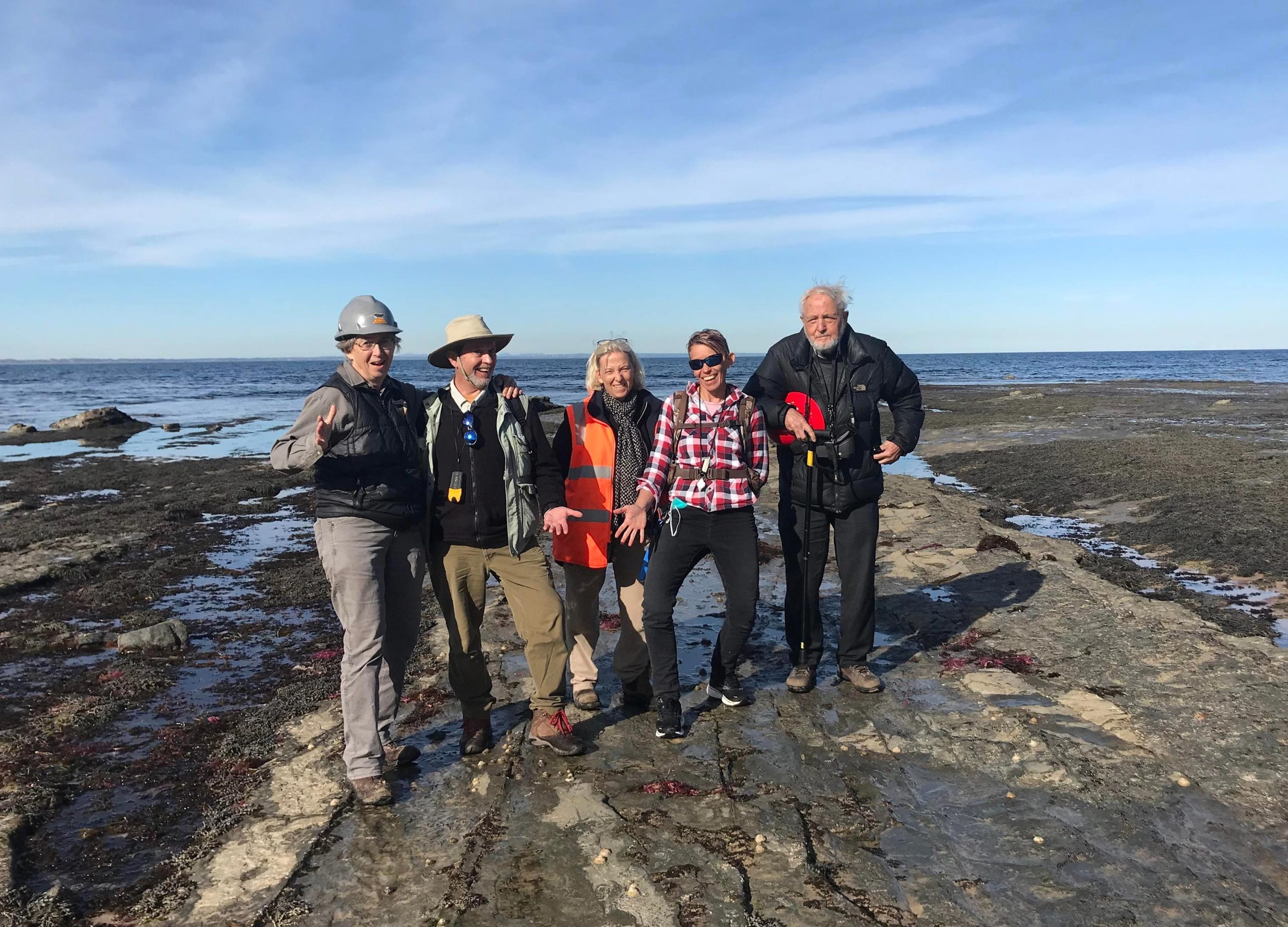
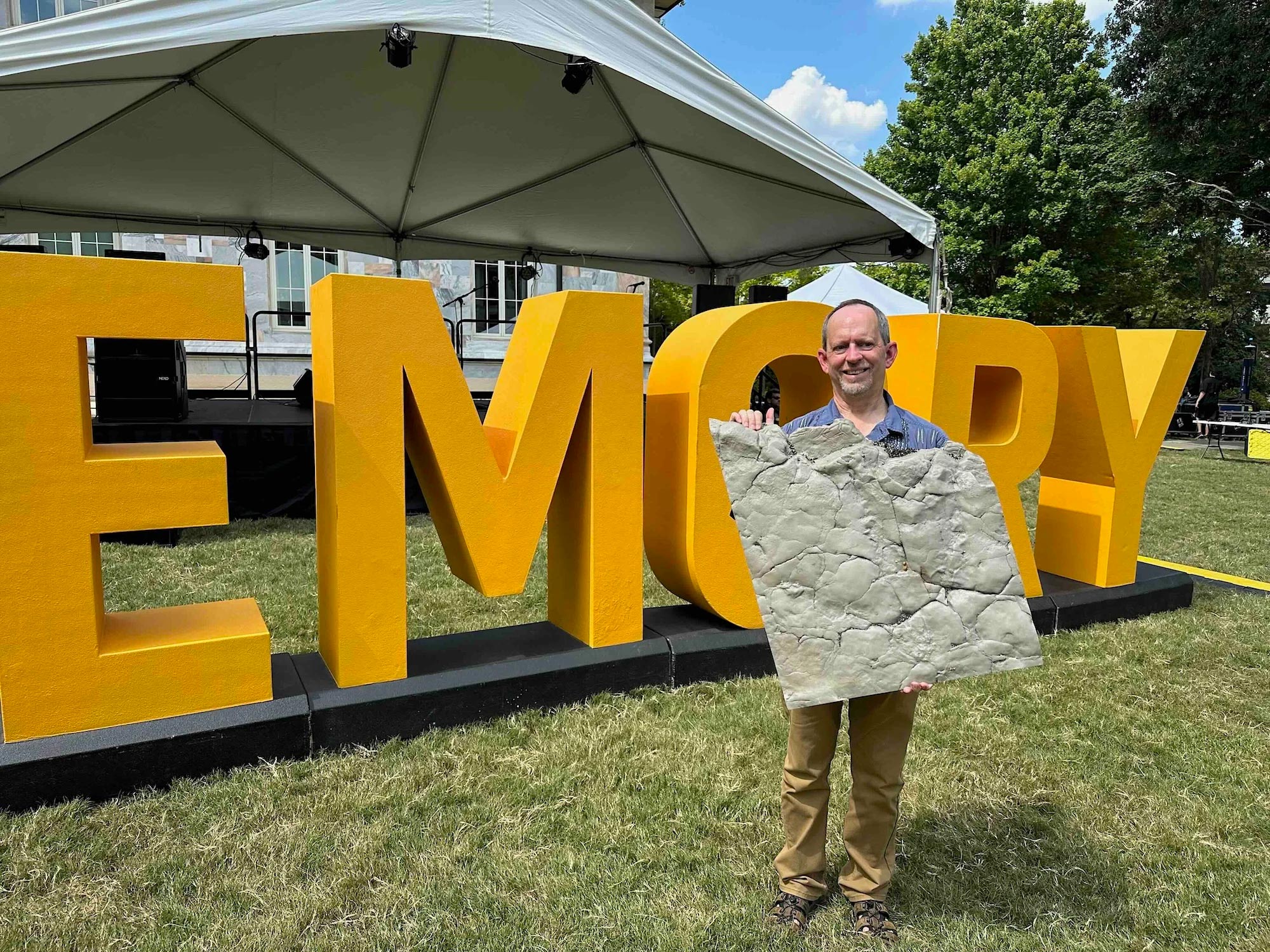
Peter Swinkels, a taxidermist at Museums Victoria Research Institute, preserved the track specimens by going into the field to make moldings and casts.
Martin conducted analyses at the field site in May 2022, after pandemic travel restrictions to Australia were lifted.
Doris Seegets-Villiers, a paleontologist at Swinburne University of Technology in Victoria, helped with data collection and mapping of the tracks in the field.
John Broomfield, manager of media production at Museums Victoria, produced 3D digital images of the tracks to further help with data analyses.
Implications for Understanding Ancient Ecosystems
The tracks are preserved in floodplain strata next to channel sandstones, Martin notes, which suggests they were made by dinosaurs traveling through the landscape after spring-thaw flooding, during polar summers.
“Were the dinosaurs living in this environment during the winter? We don’t know,” Martin says. “It would have been frozen over and dinosaurs walking on ice don’t leave tracks.”
The range in sizes of the tracks suggests a mix of juvenile and adult ornithopods and theropods. “That indicates that these dinosaurs may have nested and raised their young in the polar environment,” Martin notes.
The current paper follows on the heels of the authors’ 2023 report of bird tracks from the Early Cretaceous found at the same site — the oldest-known evidence for birds so far south.
“We’re continuing to discover more tracks in the area,” Martin says. “The more we find, the clearer picture we hope to get of these ancient polar ecosystems.”
Reference: “Polar dinosaur tracks of the Wonthaggi Formation (Lower Cretaceous), Victoria, Australia and their palaeontological significance” by Anthony J. Martin, Melissa Lowery, Michael Hall, Thomas H. Rich, Doris E. Seegets-Villiers, Peter Swinkels, John Broomfield and Patricia Vickers-Rich, 8 September 2024, Alcheringa: An Australasian Journal of Palaeontology.
DOI: 10.1080/03115518.2024.2392498
Never miss a breakthrough: Join the SciTechDaily newsletter.
Follow us on Google and Google News.
1 Comment
Velociraptor is a bird it’s not a dinosaur .bird like velociraptor lost there first toe .diinosaur has there first toe .today dinosaur modern crocodilian can take cold they live in desert they are native of North Carolina they have cat eye that glow it’s a predator of the night allso live in the mountain that why they have fossil of gator in Canada island