

A map built from more than 14,000 embryo cells reveals what stem cell models get right about early human development and where researchers could improve them.
Under a microscope, a cluster grown from stem cells can resemble a human embryo in its first days of development. These structures, called blastoids, offer scientists a way to investigate the biology behind fertility and pregnancy success. Their appearance, however, cannot establish whether the cells inside are developing as they would in a real embryo.
University of Sydney researchers have now looked beyond that resemblance, developing a computational framework to evaluate models produced by four leading methods. Their study, published in Cell Systems, found that some reproduced important features of early development relatively well, but none fully matched the biology of a natural human embryo.
Studying donated human embryos involves technical and ethical constraints that have long made the earliest stages of development difficult to investigate. Growing models from stem cells gives researchers another way to explore those stages, provided they understand what the models can reliably reproduce. Blastoids are research models, not actual human embryos, and current models cannot develop into a human embryo.
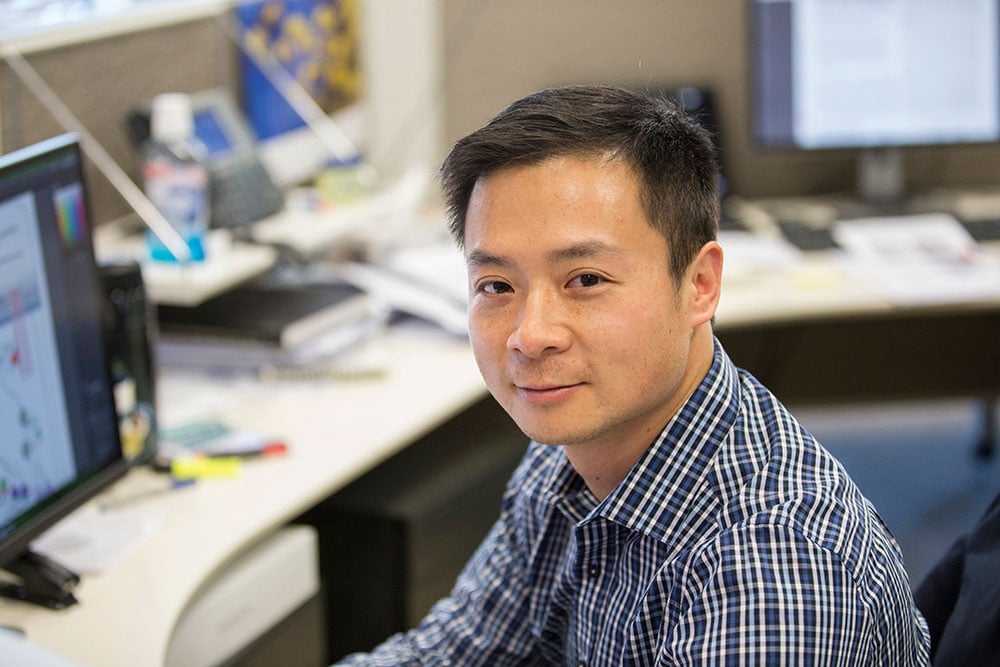
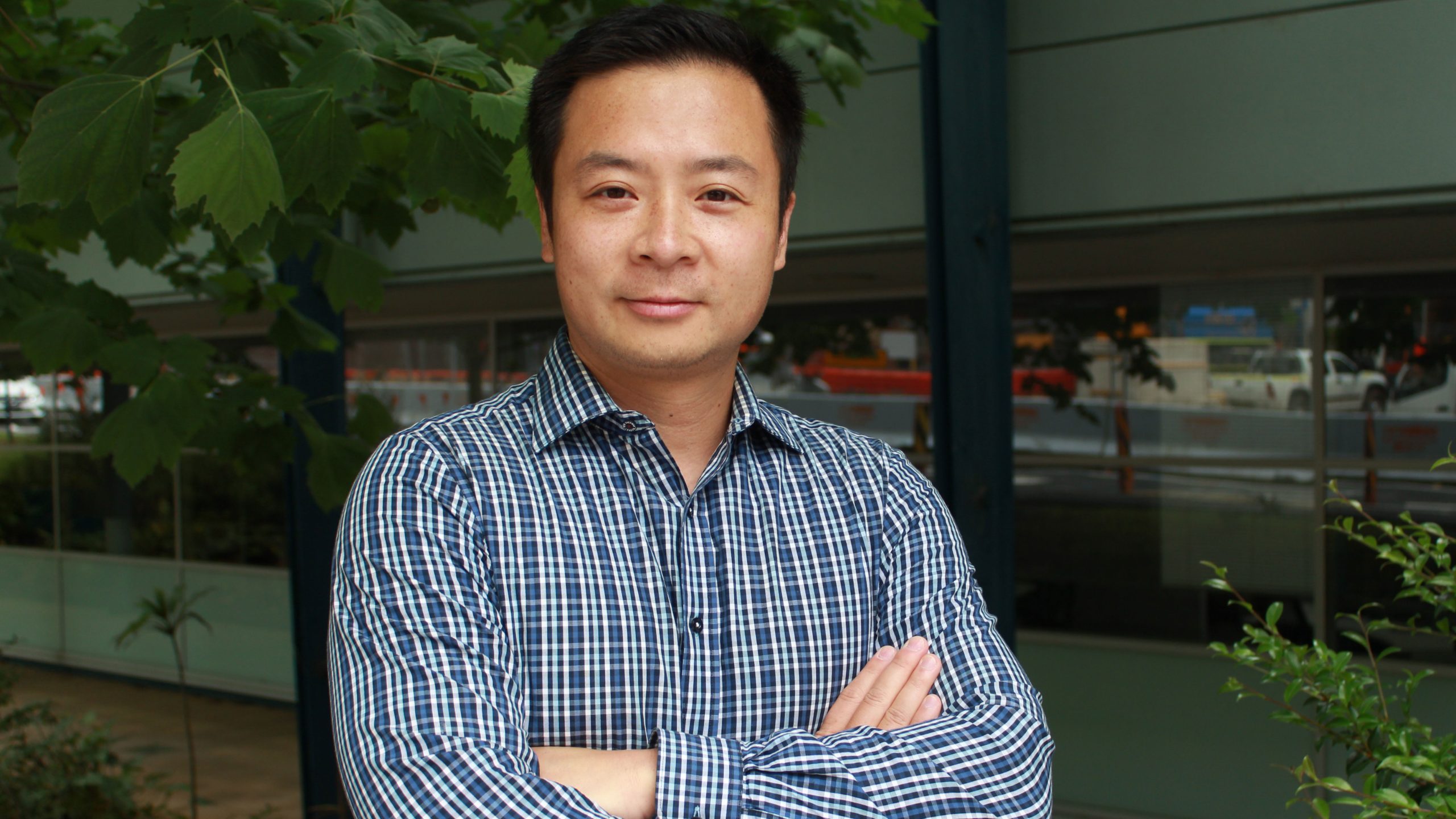
“If we’re going to use these systems to answer important biological questions, we first need to know what they can reliably tell us,” said lead author Associate Professor Pengyi Yang, an ARC Future Fellow in the University of Sydney’s School of Mathematics and Statistics and Unit Head of Computational Systems Biology at the Children’s Medical Research Institute. Yang also leads the Trans-Regulatory Biology group at the Charles Perkins Center.
Tracing development through 14,000 embryo cells
Yang and his colleagues assembled more than 14,000 single-cell transcriptomes from human embryos at key developmental stages. Each transcriptome records the RNA molecules in an individual cell, providing clues about which genes are active. Bringing these datasets into a common framework allowed the researchers to follow molecular differences that an embryo’s outward appearance alone cannot reveal.
The resulting reference map traces how cells specialize and organize themselves during the days immediately before and after implantation, when an embryo attaches to the lining of the uterus. It gives researchers a detailed biological reference against which to examine the cells in their models.
“Our framework allows researchers to compare these models against a detailed biological reference and determine which cell types and developmental processes are faithfully reproduced, and which are not.”
Some cells have no clear embryonic match
The team compared that reference with blastoids generated using four widely used protocols developed by international research groups. They examined the cells’ molecular identities, the timing of their development, and how they were distributed among developmental branches known as lineages. A model could therefore be assessed on several aspects of its biology, beyond whether its overall shape looked convincing.
Cells in some models corresponded relatively well to all three major lineages found in a natural human blastocyst, the early embryonic stage that blastoids are designed to resemble. Other models represented certain cell types poorly or contained large numbers of cells that could not be confidently matched to any known embryonic state. The differences meant that each model had its own strengths and gaps.
“But our study also shows that current models are not biologically equivalent to real human embryos, and researchers need to be careful about the conclusions they draw from them,” Yang said.
A shared standard for future blastoids
Researchers worldwide can now examine those gaps using the team’s publicly available reference datasets and benchmarking tools. Testing new models against the same reference could make their strengths and limitations easier to compare. The team hopes that this shared benchmark will also help researchers improve models more quickly and evaluate them more rigorously.
“Our work provides a roadmap for improving embryo models and ensuring scientific claims remain grounded in what the models can actually support.”
As researchers grow the next generation of blastoids, the clusters taking shape under their microscopes will have to meet a more demanding benchmark for how closely their cells reproduce early human development.
Reference: “Systematic transcriptomic evaluation of blastoid models of early human development” by Siqu Long, Hani Jieun Kim, Nazmus Salehin, Hao Huang, Xinran Zhang, Raja Jothi and Pengyi Yang, 2 October 2026, Cell Systems.
DOI: 10.1016/j.cels.2026.101738
The work was supported by a National Health and Medical Research Council Investigator Grant and a Metcalf Prize for Stem Cell Research to Pengyi Yang. Raja Jothi was supported by the Intramural Research Program of the National Institutes of Health (USA) and National Institute of Environmental Health Sciences (USA).
Never miss a breakthrough: Join the SciTechDaily newsletter.
Follow us on Google and Google News.