
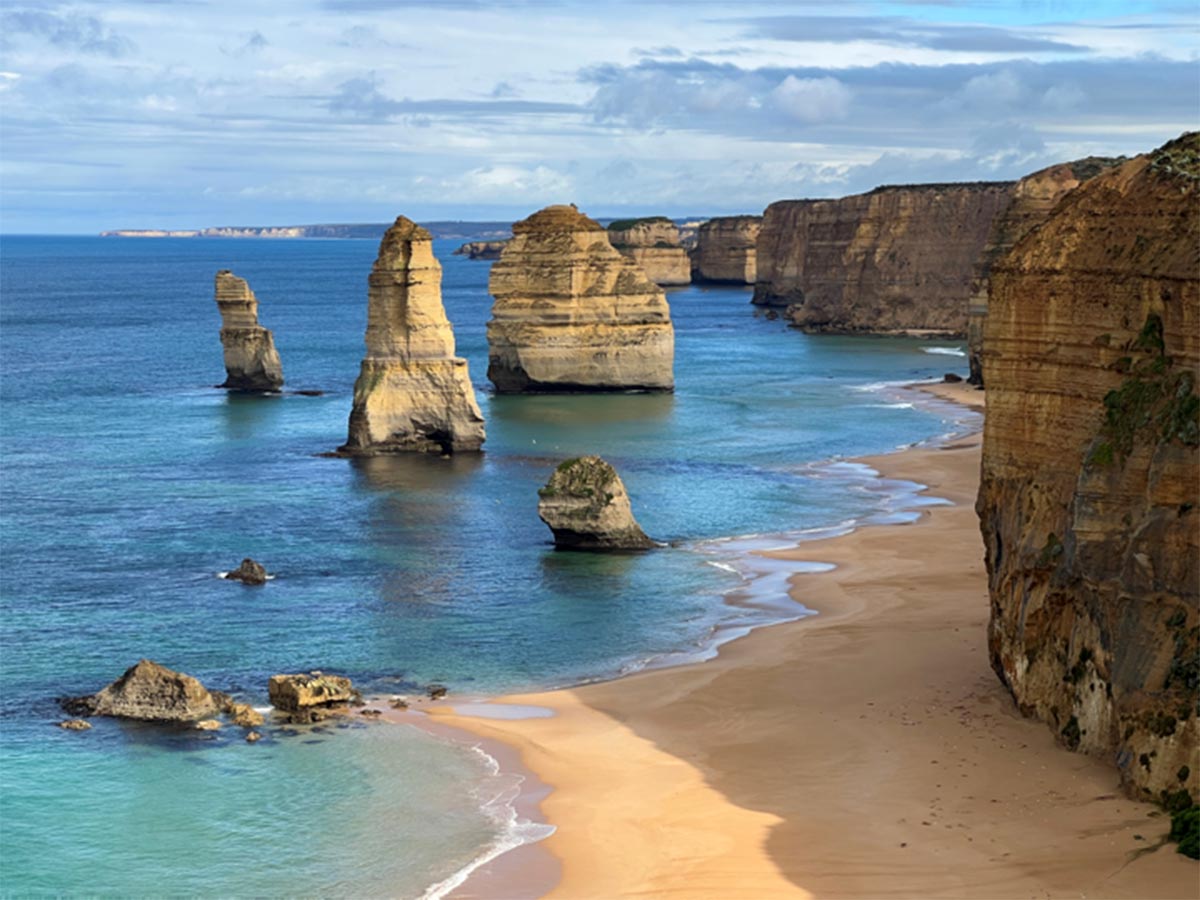
Australia’s Twelve Apostles are towering time capsules, lifted by tectonics and carved by the sea.
Researchers at the University of Melbourne have, for the first time, explained how Australia’s famous Twelve Apostles came to be. Their study shows that slow movements of tectonic plates over millions of years lifted and tilted these massive limestone formations up from the ocean floor.
Until now, scientists had only a limited understanding of how the Twelve Apostles developed.
A Geological Record of Ancient Climate and Sea Levels
Associate Professor Stephen Gallagher, lead author of the study from the University of Melbourne’s School of Geography, Earth and Atmospheric Sciences, said this geological process turned the Apostles into one of the most complete and accessible records of Earth’s past environments.
“Much like an environmental time capsule, each layer of these giant structures preserved information about the Earth’s climate, tectonic activity, plants, and animals over millions of years, including a key time about 13.8 million years ago when the climate was much warmer than what it is today,” Associate Professor Gallagher explained.
He added, “We are using this ‘window back in time’ to understand where temperatures and sea levels may be heading on our current path of climate change. With only eight of the twelve Apostles remaining, we need to study and learn from them while we can.”
New Dating Methods Reveal Younger Age
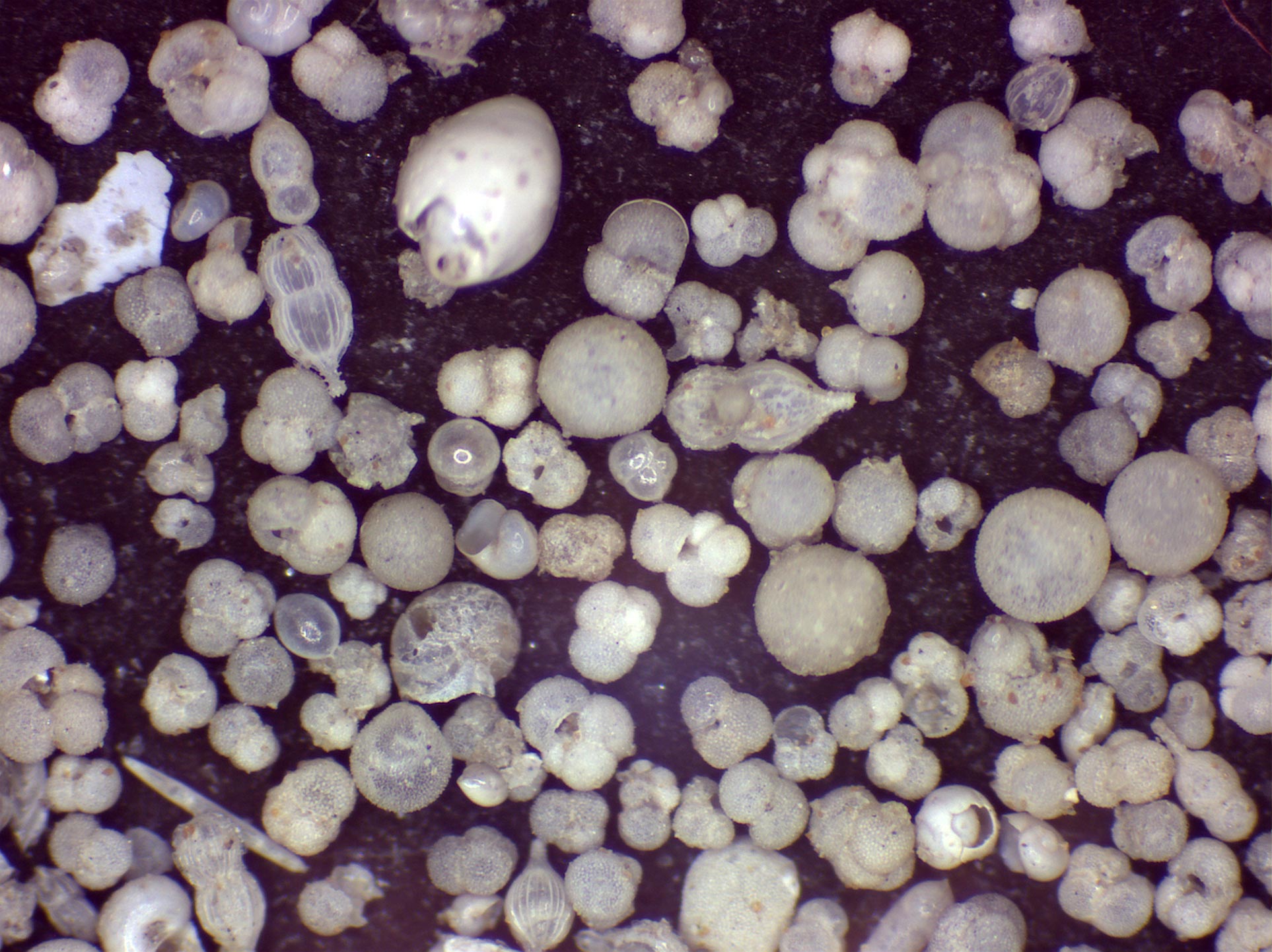
The rock layers, similar to tree rings, have allowed researchers to refine estimates of the Apostles’ age. The findings show the formations are younger than earlier studies suggested.
“Early preliminary research indicated the ancient limestone layers ranged between seven to fifteen million years old, but we discovered microscopic fossils that more accurately dated the layers as 8.6 to 14 million years old,” Associate Professor Gallagher said.
The study was published in the Australian Journal of Earth Sciences.
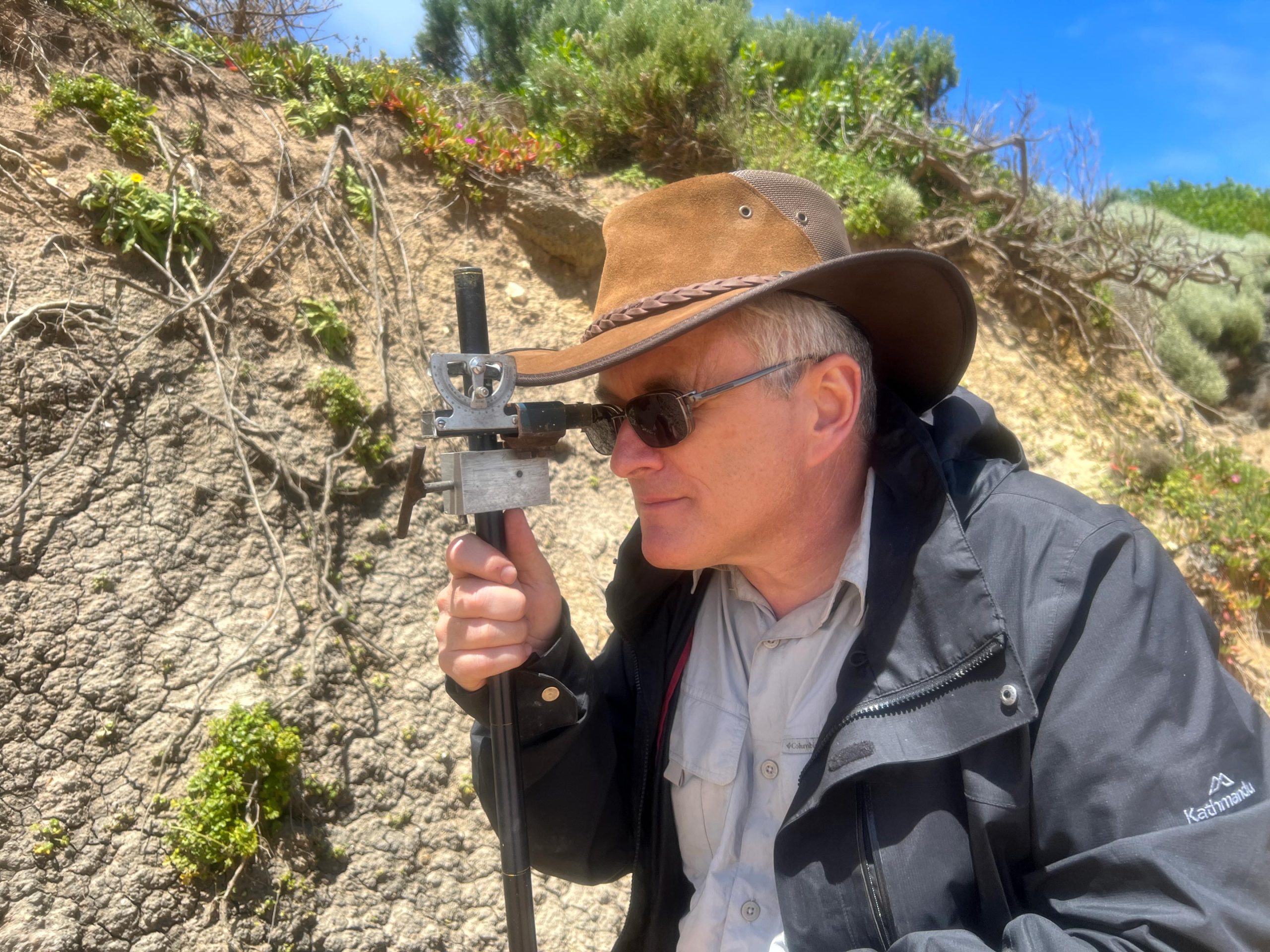
From Ocean Floor to Coastal Landmarks
The research also clarifies how the formations reached their current shape. Tectonic forces gradually pushed the rock layers upward over millions of years. However, the dramatic pillars visible today only emerged much later.
Following the last Ice Age, coastal erosion exposed and carved the limestone into the towering stacks seen along the shoreline today.
Tilted Layers Reveal Ancient Earthquakes
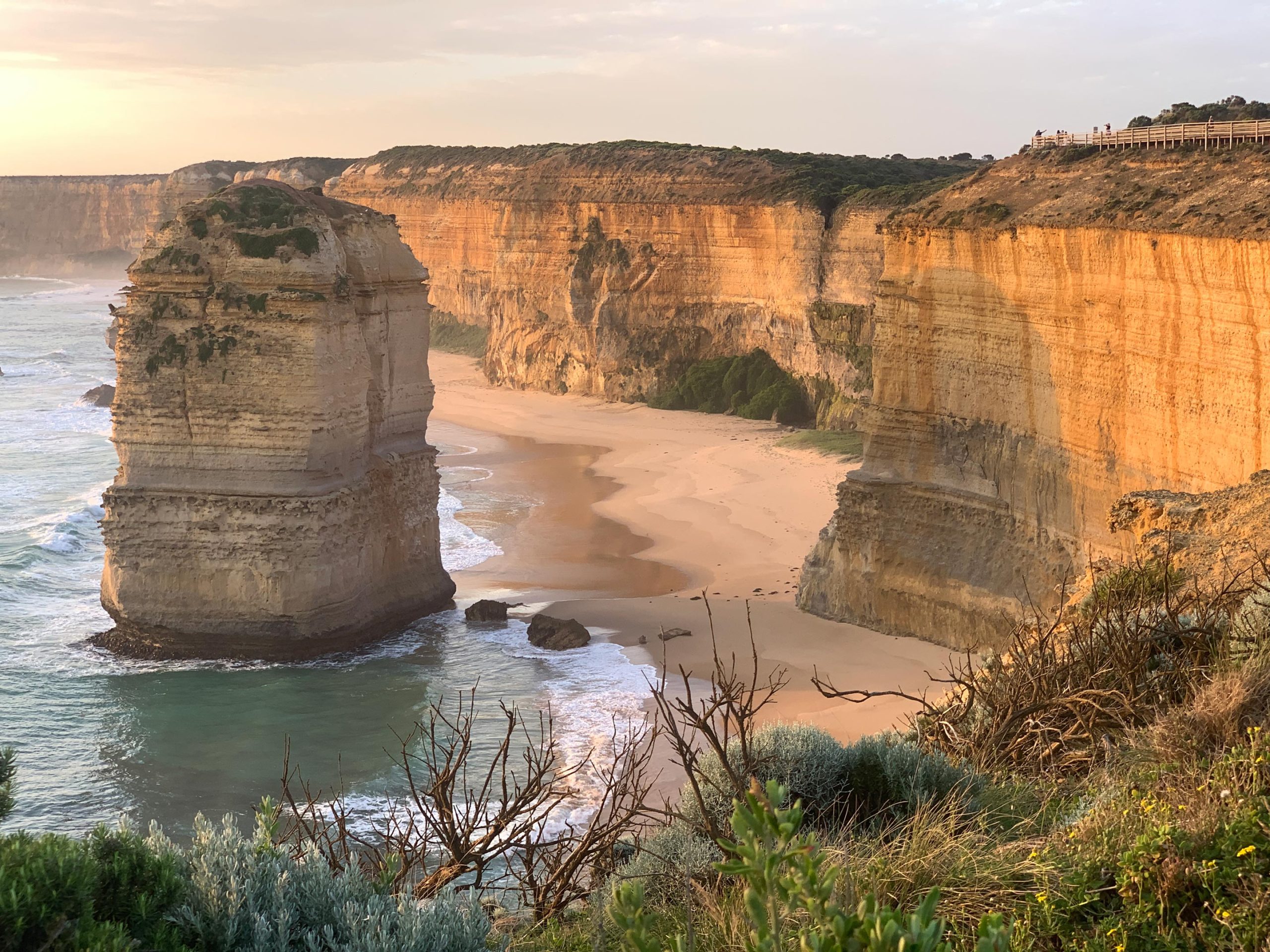
The team found that the uplift was uneven. Instead of rising in a straight, uniform way, the rock layers were bent and fractured as they moved.
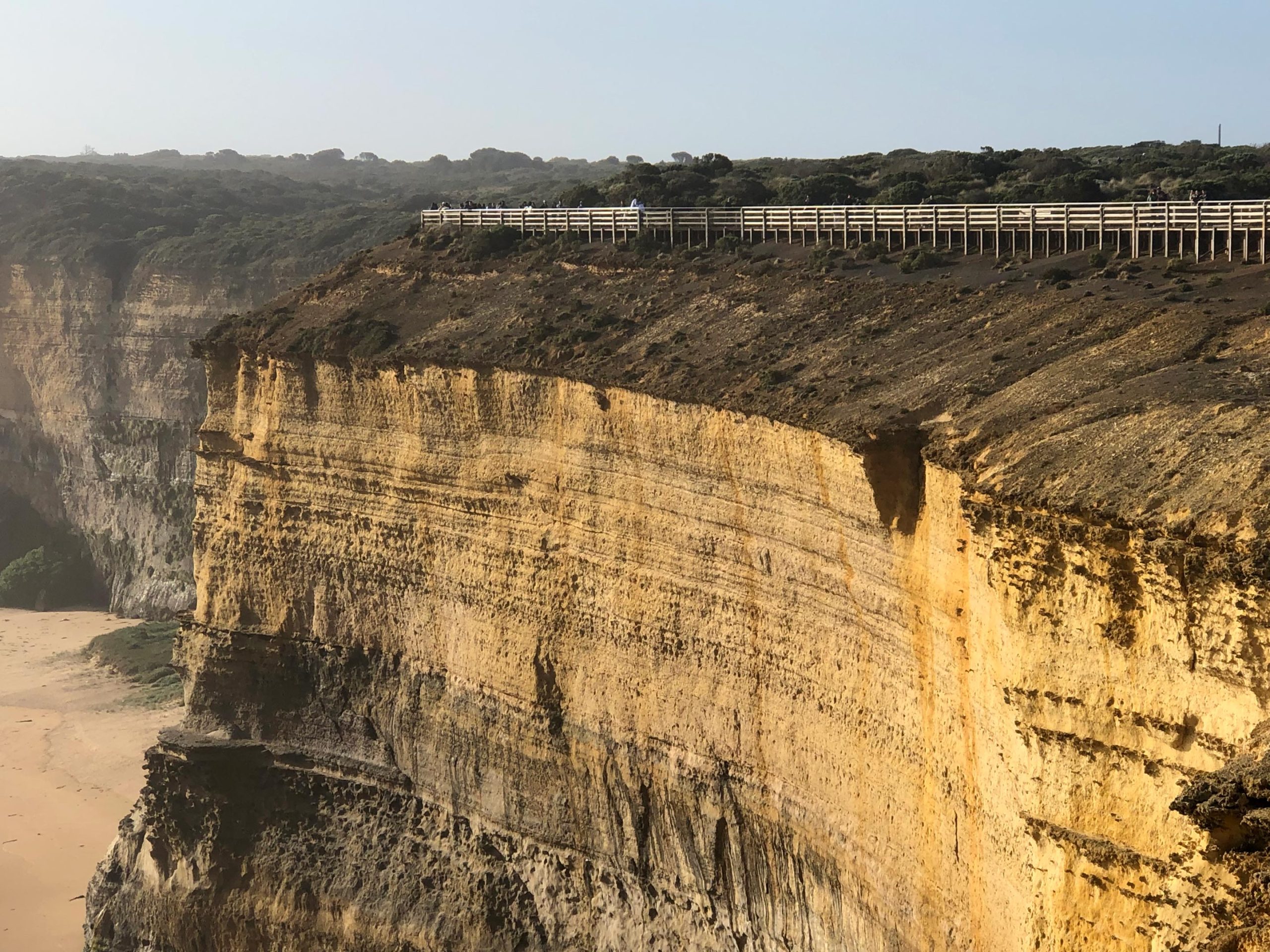
“We also uncovered that the tectonic movements didn’t push up the Apostles perfectly straight. Instead, they forced layers to tilt and break along the way. If you look closely at the cliffs around the Twelve Apostles today, you can see the limestone layers are not flat but are, in fact, tilted by a few degrees. Small fault lines can also be seen, which are records of ancient earthquakes,” Associate Professor Gallagher said.
Ongoing Research Into Climate and Coastal Change
Scientists are now analyzing individual layers in more detail to reconstruct past climates, ocean conditions, and sea levels. This work aims to better understand how ancient geological processes continue to shape modern coastlines and drive ongoing coastal erosion.
Reference: “The geology of the Twelve Apostles in the Port Campbell Embayment in southeast Australia” by S. J. Gallagher, C. W. Mallett, R. Soman, G. Auer and A. Herries, 23 April 2026, Australian Journal of Earth Sciences.
DOI: 10.1080/08120099.2026.2638817
Never miss a breakthrough: Join the SciTechDaily newsletter.
Follow us on Google and Google News.