
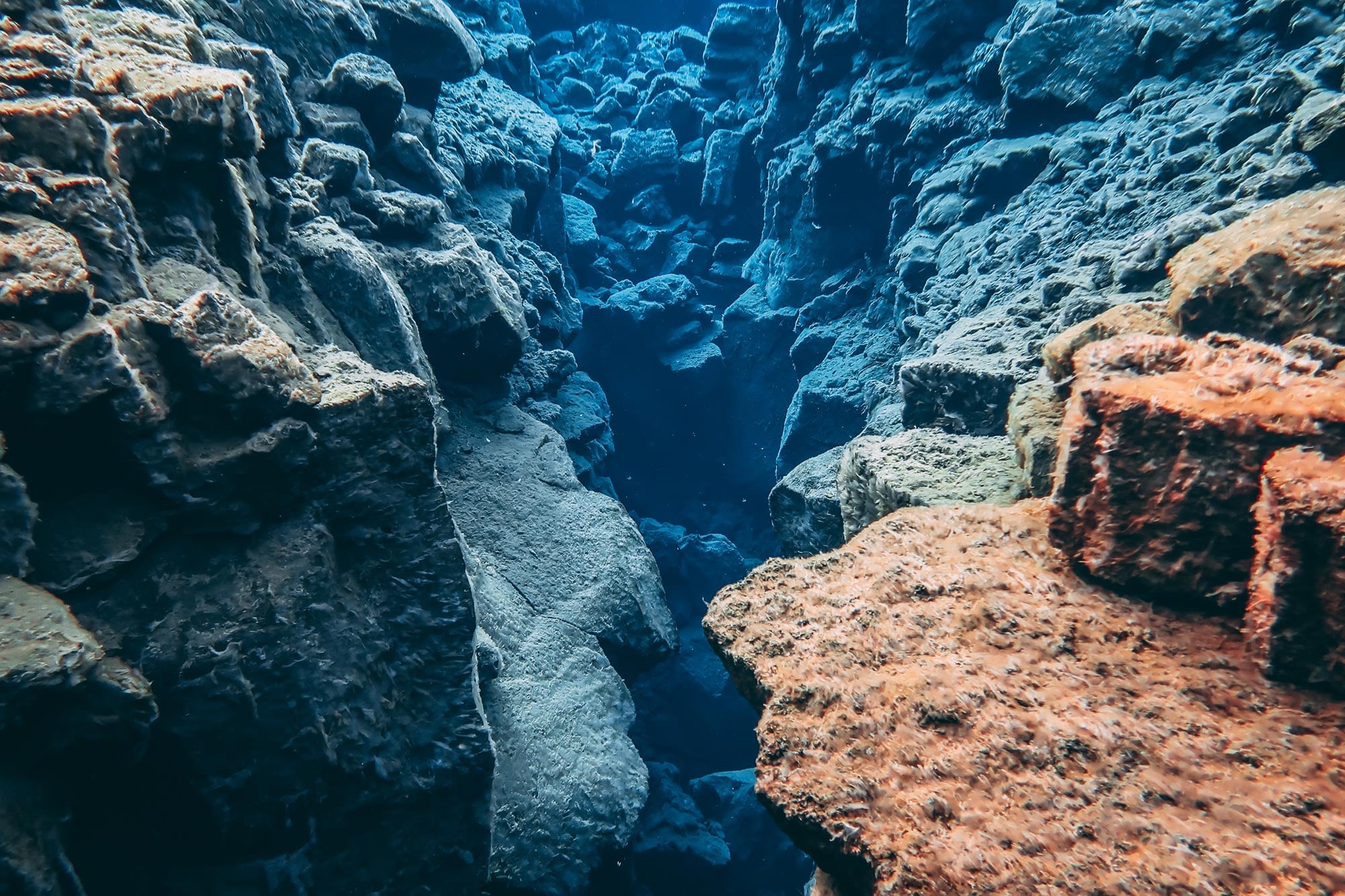
Deep beneath island arcs, new research suggests that gold enrichment originates from repeated, high-degree melting of a hydrous mantle rather than a single process.
Far below the ocean floor, Earth’s “gold kitchen” is at work. Volcanic island arcs form above subduction zones, where one oceanic plate sinks beneath another, and these regions are often unusually rich in gold. Scientists have long debated why.
A team led by Dr. Christian Timm, a marine geologist at GEOMAR Helmholtz Centre for Ocean Research Kiel, offers new answers. “Our research shows that hydrous mantle melting beneath island arcs is a key driver of gold enrichment,” says Timm. “In these settings, the mantle behaves like a multi-stage melting system that progressively concentrates gold.”
Clues from Glass on the Seafloor
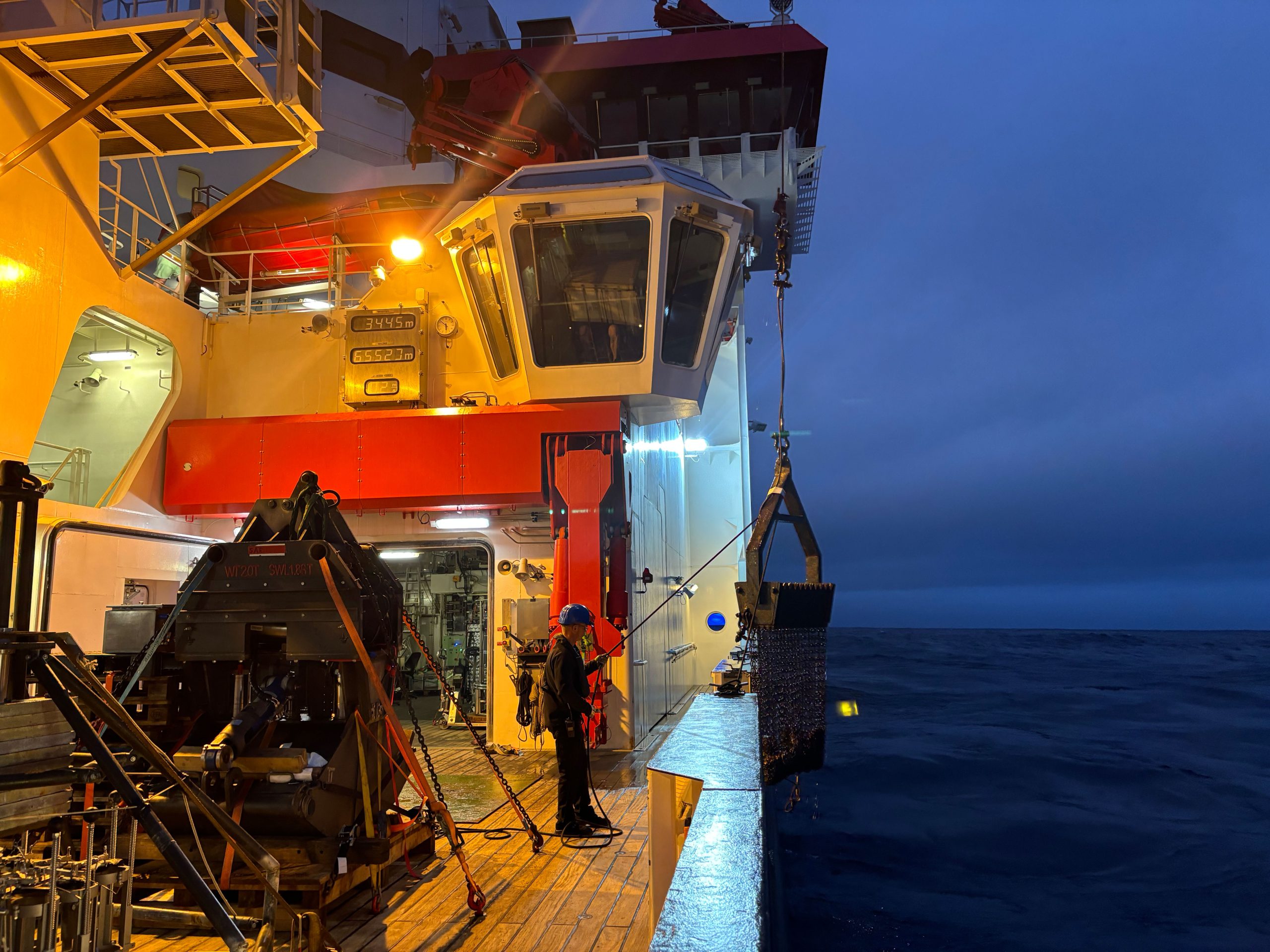
To understand how gold and other noble metals behave during mantle melting, the researchers examined 66 volcanic glass samples collected from the seafloor along the Kermadec island arc and the nearby Havre Trough north of New Zealand. These glasses form when lava cools quickly underwater, preserving the original chemical makeup of the magma.
Some of the most revealing samples were “primitive glasses,” which reflect magma before it changes through crystallization. “When we analyzed these samples, we found that their gold concentrations are often several times higher than those of comparable magmas from mid-ocean ridges,” says Timm. “This raised the key question: which processes are responsible for this enrichment?”
The team measured gold alongside other chalcophile (“sulfur-loving”) elements such as silver, copper, selenium, and platinum. Because these elements behave similarly during melting, they help reveal conditions deep within the mantle.
Reading the Mantle’s Chemical Signals
The results show that the mantle beneath the Kermadec Arc melts in the presence of water at relatively high temperatures, above the sulfide liquidus. Under these conditions, magmas display silver-to-copper ratios similar to those found in the mantle.
At the same time, the researchers detected original gold concentrations of up to six nanograms per gram of rock. The gold-to-copper ratios are also much higher than those in fertile mantle and typical mid-ocean ridge basalts.
These patterns suggest that the mantle had already been depleted and later melted again. Repeated, high-degree melting of a hydrous and oxidized mantle appears to be the main process concentrating gold in these magmas.
Although these levels are high in geological terms, they are far too low for mining. Economically useful deposits would require concentrations several orders of magnitude greater.
When the Mantle melts again and again
“We initially assumed that water released from the subduction zone directly controlled gold enrichment,” says Timm. “However, our data show that water mainly facilitates mantle melting. The key factor for high gold concentrations is the high – and in part repeated – degree of melting.”
Gold’s chemical form also plays an important role. “Gold in the mantle is commonly bound in sulfide minerals,” Timm explains. “At high degrees of melting, these minerals break down, releasing their gold completely into the melt.”
“Our results demonstrate that gold enrichment is not the result of a single melting event, but of multiple stages,” he adds. “Only repeated melting allows gold to become strongly concentrated in the magma.”
The First Step in Gold’s Journey
This study sheds new light on how gold-rich deposits form in intra-oceanic island arcs like the Kermadec Arc. It shows that repeated, water-assisted mantle melting controls how much gold enters rising magmas.
The findings shift attention deeper underground, highlighting that the mantle’s chemical evolution plays a major role alongside near-surface processes in shaping gold deposits.
They may also help explain why hydrothermal sulphide deposits along submarine island arcs are often rich in gold. “The mechanism we identify could contribute to the elevated gold contents observed in hydrothermal systems in subduction zones,” says Timm. “However, this link still needs to be investigated further.”
“We are effectively looking at the first step in the life cycle of gold,” concludes Timm. “It begins with the transfer of gold from the mantle into a melt that eventually forms volcanoes. The alchemy starts long before the metal reaches the surface.”
Reference: “Hydrous multi-stage mantle melting controls gold enrichment in mafic Kermadec arc magmas” by Christian Timm, Maxim Portnyagin, Cornel E. J. de Ronde, Mark D. Hannington, Dieter Garbe-Schönberg, Kaj Hoernle, Philipp A. Brandl, Dan Layton-Matthews, Matthew Leybourne, Nadezhda M. Sushchevskaya, Rex N. Taylor and Richard J. Arculus, 24 March 2026, Communications Earth & Environment.
DOI: 10.1038/s43247-026-03338-w
Never miss a breakthrough: Join the SciTechDaily newsletter.
Follow us on Google and Google News.