
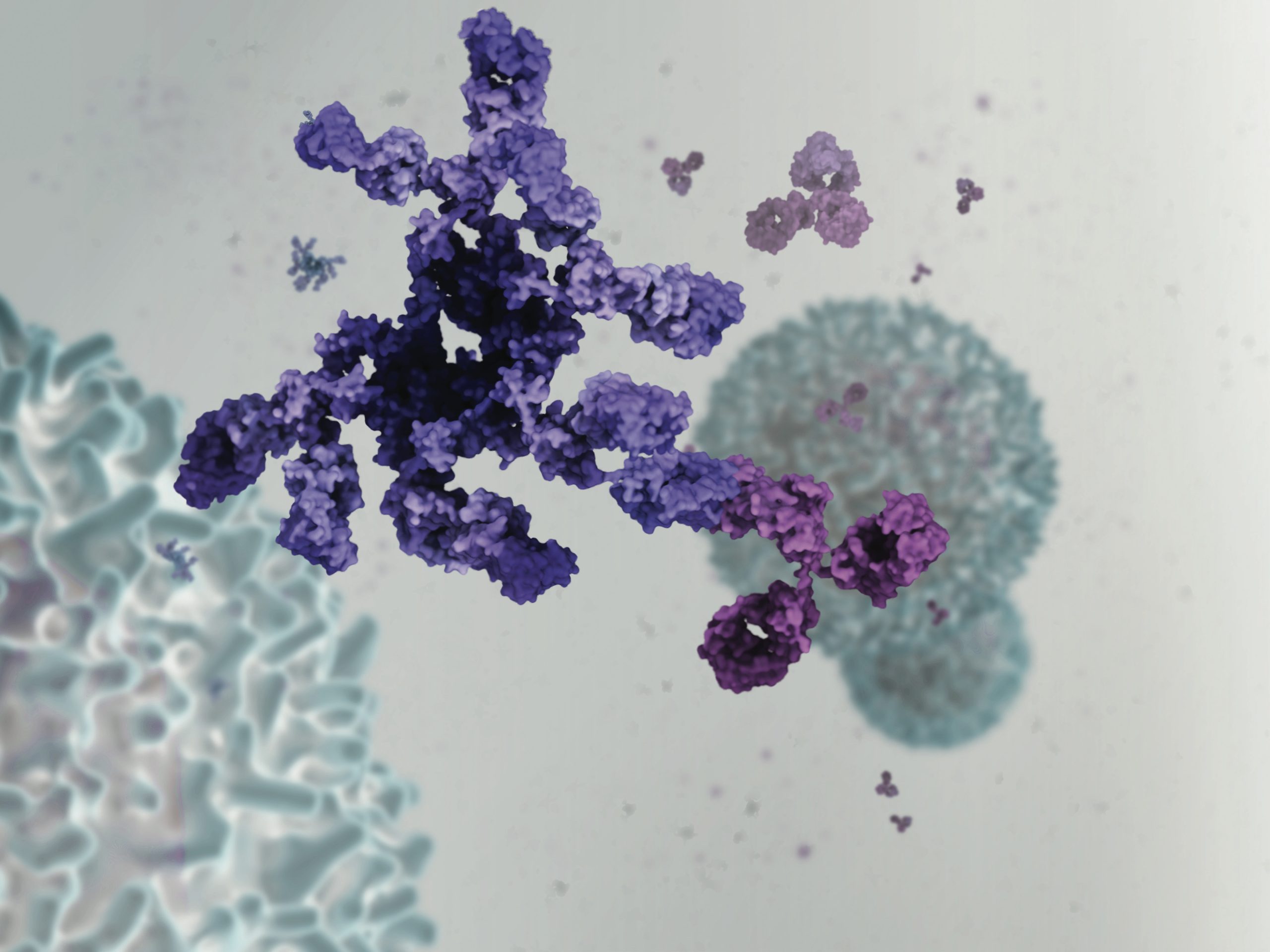
New insights into the impact of checkpoint inhibitors on the immune system may enhance cancer treatment strategies.
A multinational team, co-led by the Garvan Institute of Medical Research, has identified a possible reason why some cancer patients treated with checkpoint inhibitor immunotherapy may become more vulnerable to common infections.
The findings, published in the journal Immunity, provide new insights into immune responses and reveal a potential approach to preventing the common cancer therapy side effect.
“Immune checkpoint inhibitor therapies have revolutionized cancer treatment by allowing T cells to attack tumors and cancer cells more effectively. But this hasn’t been without side effects – one of which is that approximately 20% of cancer patients undergoing checkpoint inhibitor treatment experience an increased incidence of infections, a phenomenon that was previously poorly understood,” says Professor Stuart Tangye, co-senior author of the study and Head of the Immunology and Immunodeficiency Lab at Garvan.
“Our findings indicate that while checkpoint inhibitors boost anti-cancer immunity, they can also handicap B cells, which are the cells of the immune system that produce antibodies to protect against common infections. This understanding is a critical first step in understanding and reducing the side effects of this cancer treatment on immunity.”
Insights to improve immunotherapy
The researchers focused on the molecule PD-1, which acts as a ‘handbrake’ on the immune system, preventing the overactivation of T cells. Checkpoint inhibitor therapies work by releasing this molecular ‘handbrake’ to enhance the immune system’s ability to fight cancer.
The study, which was conducted in collaboration with Rockefeller University in the USA and Kyoto University Graduate School of Medicine in Japan, examined the immune cells of patients with rare cases of genetic deficiency of PD-1, or its binding partner PD-L1, as well as animal models lacking PD-1 signaling. The researchers found that impaired or absent PD-1 activity can significantly reduce the diversity and quality of antibodies produced by memory B cells – the long-lived immune cells that ‘remember’ past infections.

“We found that people born with a deficiency in PD-1 or PD-L1 have reduced diversity in their antibodies and fewer memory B cells, which made it harder to generate high-quality antibodies against common pathogens such as viruses and bacteria,” says Dr Masato Ogishi, first author of the study, from Rockefeller University.
Professor Tangye adds: “This dampening of the generation and quality of memory B cells could explain the increased rates of infection reported in patients with cancer receiving checkpoint inhibitor therapy.”
Co-author Dr Kenji Chamoto, from Kyoto University, says, “PD-1 inhibition has a ‘yin and yang’ nature: it activates anti-tumour immunity but at the same time impedes B-cell immunity. And this duality seems to stem from a conserved mechanism of immune homeostasis.”
New recommendation for clinicians
The researchers say the findings highlight the need for clinicians to monitor B cell function in patients receiving checkpoint inhibitors and point to preventative interventions for those at higher risk of infections.
Co-senior author Dr Stéphanie Boisson-Dupuis, from Rockefeller University, says, “Although PD-1 inhibitors have greatly improved cancer care, our findings indicate that clinicians need to be aware of the potential trade-off between enhanced anti-tumour immunity and impaired antibody-mediated immunity.”
“One potential preventative solution is immunoglobulin replacement therapy (IgRT), an existing treatment used to replace missing antibodies in patients with immunodeficiencies, which could be considered as a preventative measure for cancer patients at higher risk of infections,” she says.
From rare cases to insights to benefit all
“Studying cases of rare genetic conditions such as PD-1 or PD-L1 deficiency enables us to gain profound insights into how the human immune system normally works, and how our own manipulation of it can affect it. Thanks to these patients, we’ve found an avenue for fine-tuning cancer immunotherapies to maximize benefit while minimizing harm,” says Professor Tangye.
Looking ahead, the researchers will explore ways to refine checkpoint inhibitor treatments to maintain their powerful anti-cancer effects while preserving the immune system’s ability to fight infections.
“This research highlights the potential for cancer, genomics, and immunology research to inform one another, enabling discoveries that can benefit the broader population,” says Professor Tangye.
Reference: “Impaired development of memory B cells and antibody responses in humans and mice deficient in PD-1 signaling” by Masato Ogishi, Koji Kitaoka, Kim L. Good-Jacobson, Darawan Rinchai, Baihao Zhang, Jun Wang, Vincent Gies, Geetha Rao, Tina Nguyen, Danielle T. Avery, Taushif Khan, Megan E. Smithmyer, Joseph Mackie, Rui Yang, Andrés Augusto Arias, Takaki Asano, Khoren Ponsin, Matthieu Chaldebas, Peng Zhang, Jessica N. Peel, Jonathan Bohlen, Romain Lévy, Simon J. Pelham, Wei-Te Lei, Ji Eun Han, Iris Fagniez, Maya Chrabieh, Candice Laine, David Langlais, Conor Gruber, Fatima Al Ali, Mahbuba Rahman, Caner Aytekin, Basilin Benson, Matthew J. Dufort, Clara Domingo-Vila, Kunihiko Moriya, Mark Shlomchik, Gulbu Uzel, Paul E. Gray, Daniel Suan, Kahn Preece, Ignatius Chua, Satoshi Okada, Shunsuke Chikuma, Hiroshi Kiyonari, Timothy I. Tree, Dusan Bogunovic, Philippe Gros, Nico Marr, Cate Speake, Richard A. Oram, Vivien Béziat, Jacinta Bustamante, Laurent Abel, Bertrand Boisson, Anne-Sophie Korganow, Cindy S. Ma, Matthew B. Johnson, Kenji Chamoto, Stéphanie Boisson-Dupuis, Tasuku Honjo, Jean-Laurent Casanova and Stuart G. Tangye, 26 November 2024, Immunity.
DOI: 10.1016/j.immuni.2024.10.014
Never miss a breakthrough: Join the SciTechDaily newsletter.
Follow us on Google and Google News.
1 Comment
I’d be interested to know
I’d be interested to know how information about such an important development in the quality & overall effectiveness of immunotherapy flows from researchers to the beyond-broad, multidisciplinary teams on the front-line of the war against cancer.
I’ve chanced upon this article (and been impressed enough to write a rare comment) and I’m sincerely concerned whether my friend’s oncologist and thoracic surgeon will have and/or take time to read (in-depth, as deserves) or remain the mainstay of those on the fringe of the fight who have 10 minutes between patients being assisted into place before they take a series of X-ray pics or vials of the red stuff with “just a little prick”.
I’d be interested to know.