

Researchers from Mainz, Oxford, and Innsbruck have used carbonate fragments to unravel the complex history of the Arles aqueduct system.
A team of researchers from Johannes Gutenberg University Mainz (JGU), the University of Oxford, and the University of Innsbruck has reconstructed the intricate history of the ancient aqueduct system in Arles, located in Provence.
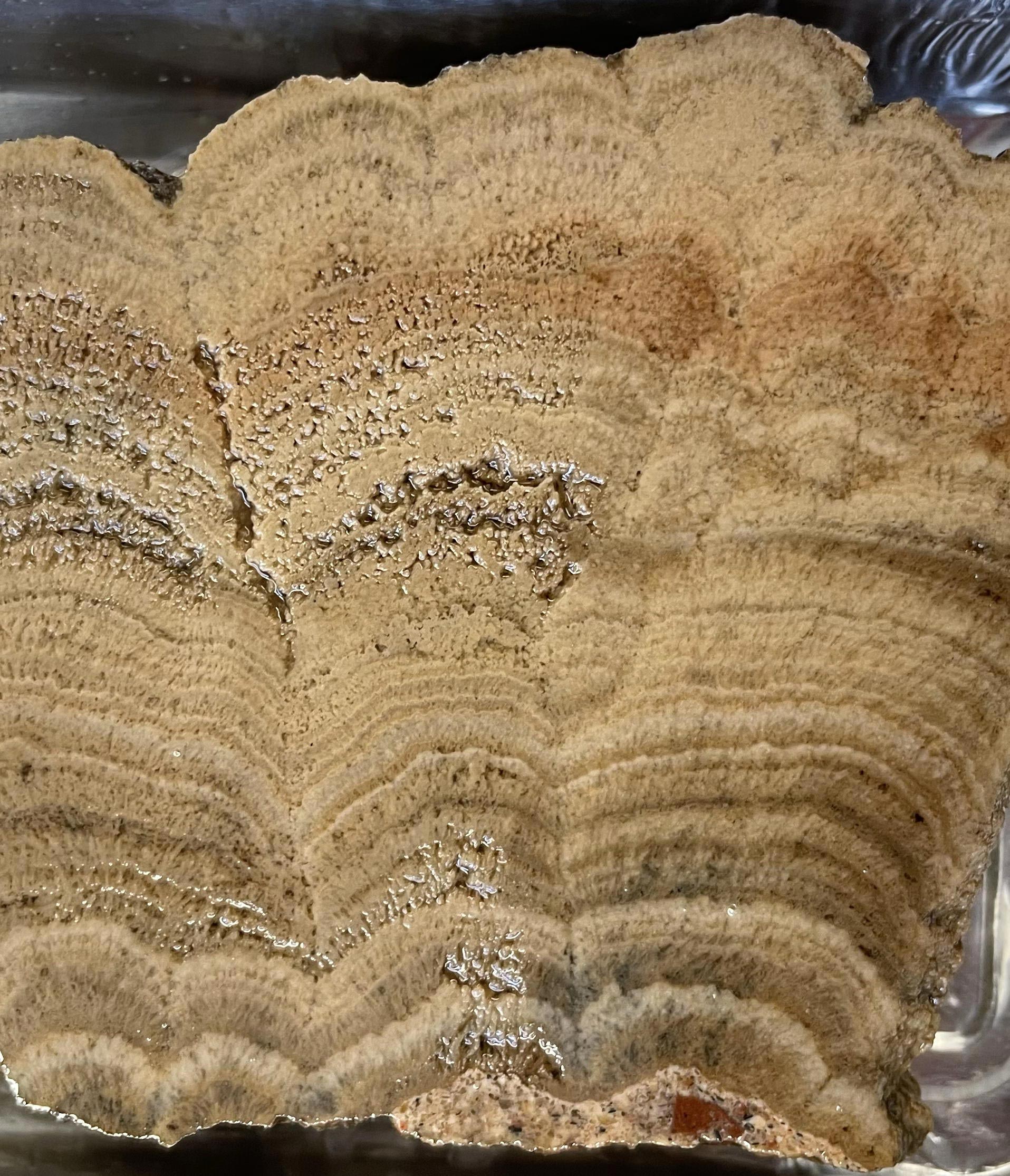
Their analysis focused on aqueduct carbonates—limescale deposits—that had built up over time in channels, basins, and lead pipes, as well as on fragments of carbonate used as construction material in the roof of the Baths of Constantine. The results of their study were published on June 28, 2025, in the scientific journal Geoarchaeology.
Carbonates for the Complete Picture
“This study provides a clear example of how a Roman aqueduct functioned over several centuries, undergoing multiple phases of transformation, maintenance, and adaptation by Roman engineers. It stands out as one of the best-documented cases of sustainable water management in the ancient world,” explained Dr. Gül Sürmelihindi from the Institute of Geosciences at Johannes Gutenberg University Mainz (JGU), who led the research.
“Unlike previous studies that focused on individual aqueducts, we examined the entire water supply network of ancient Arles, which included several aqueducts, a shared basin, and interconnected urban water structures,” added Professor Dr. Cees Passchier, also from the Institute of Geosciences at JGU, who collaborated on the study.
Although historians had previously hypothesized connections between different components of the system, the team was now able to confirm these links using physical evidence from carbonate deposits found throughout the Arles water infrastructure, offering strong proof of the aqueduct’s longevity.
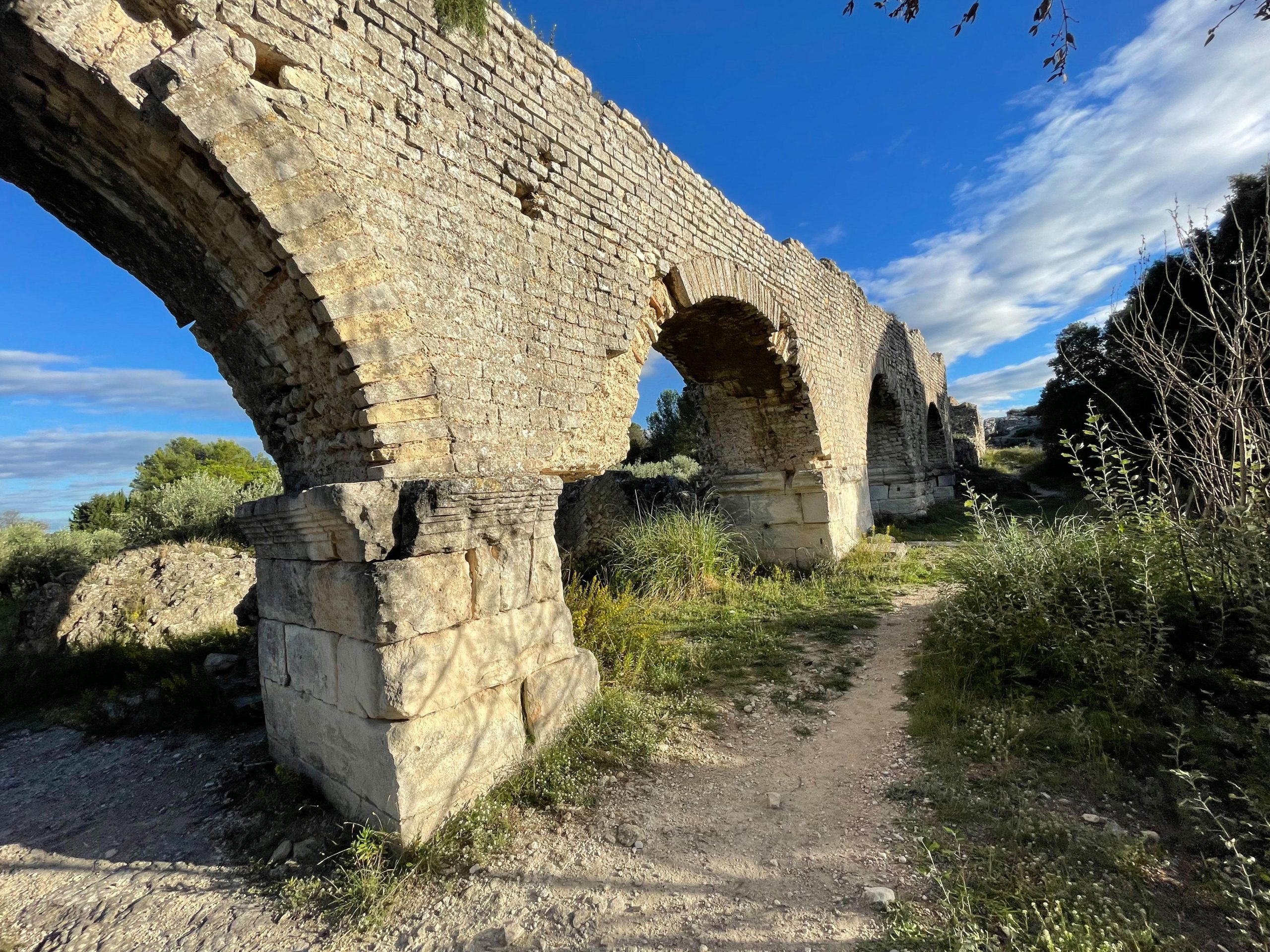
Beginning in 3 BCE, Arles received its water from an aqueduct that drew from the southern slopes of the Alpilles hills. Nearly a century later, a second aqueduct was constructed to bring water from the northern side of the same range.
The new flow merged with the original system at a basin that had been part of the initial aqueduct infrastructure. Once the northern aqueduct became operational, the original southern channel was repurposed to power a large 16-wheel watermill complex at nearby Barbegal—a change previously identified by the team in an earlier study through analysis of carbonate layers.
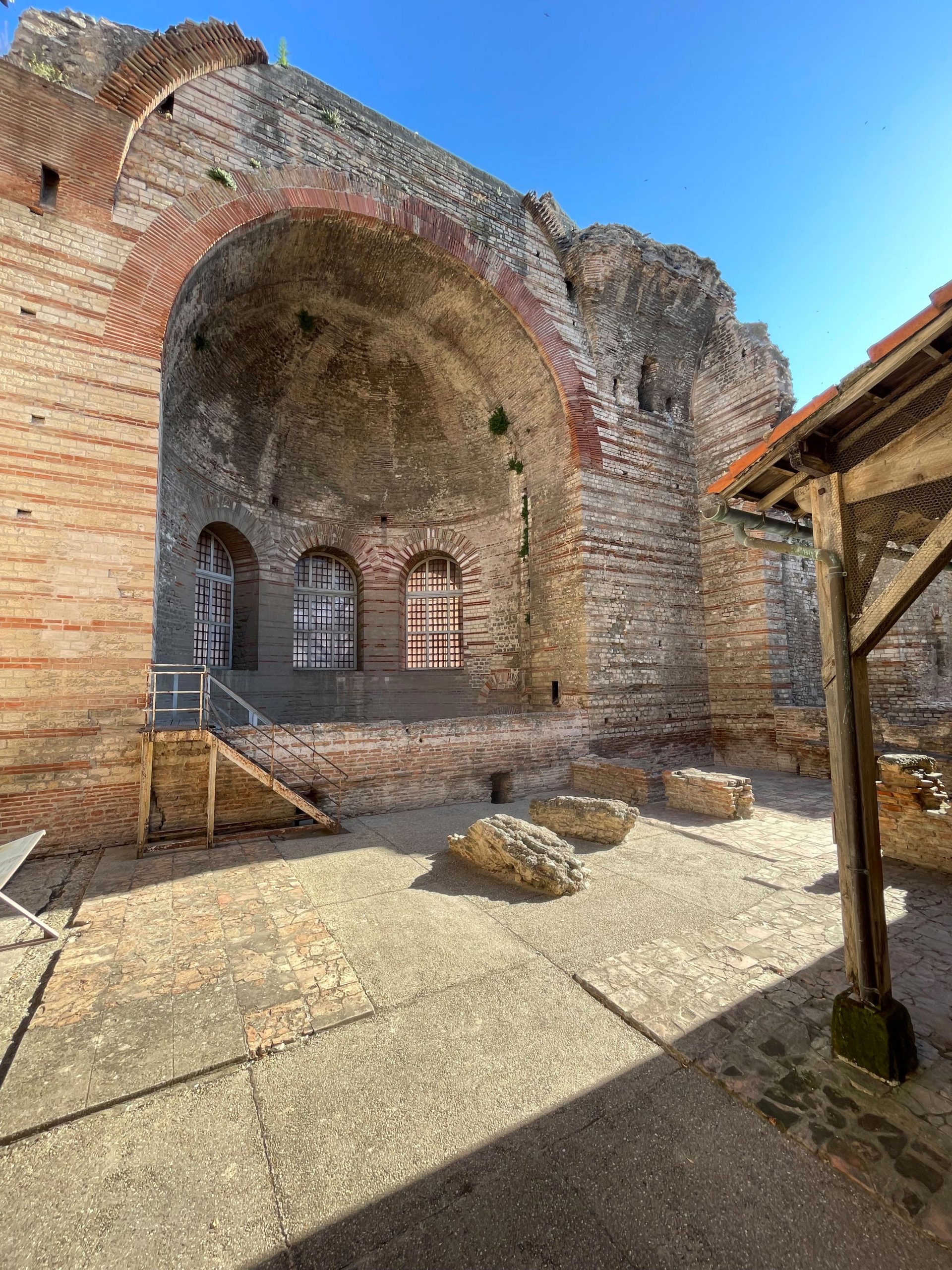
The researchers also confirmed that the original basin had served as a header basin, positioned before an arcade bridge. Such basins allowed sand and other sediments to settle before the water continued downstream. Architectural evidence revealed that the northern aqueduct was added later in a makeshift fashion, as seen in its higher entrance point into the basin. Another key discovery came from fragments of the collapsed ceiling of the Baths of Constantine in Arles. Until now, the source of water for these baths had remained a mystery.
“We found carbonate deposits in the ceiling debris that matched those from the northern aqueduct,” said Sürmelihindi. “This indicates that when the baths were constructed in the early fourth century AD under Emperor Constantine, the aqueduct was not only still in use but had likely been restored, with carbonate removed from the channels repurposed as roofing material.”
These findings help resolve the question of how the baths were supplied with water and indicate that the Roman aqueduct continued to function until at least the early fourth century—and likely remained in service into the fifth century AD, until disruptions caused by the arrival of the Franks and Burgundians.
The role of large lead pipes from Roman times that ran across the bed of the Rhône River and were discovered in the 19th century was also debated for a long time. In which direction did these pipes transport water? The researchers were also able to solve this with the help of carbonates: deposits with similar isotopic composition to those found in the aqueducts in the north and south branches were also found in the lead pipes, confirming that an inverted siphon from the Arles aqueduct was supplying the Trinquetaille quarter on the opposite side of the river.
Isotope analysis provides insight into the deposition period
“Without the aqueduct carbonate archives, it would be impossible to reconstruct these relationships,” said Passchier. “But because the deposits are heavily contaminated with clay, they cannot be dated using standard dating technologies. Instead, we analyzed stable oxygen and carbon isotopes from the carbonates and cross-correlated the isotopic profiles to see the times of their simultaneous deposition,” added Sürmelihindi.
“This allowed us to identify the same annual layers in the carbonates and thus determine their relative depositional periods and thus the historical timing of modifications and changes made to the Arles water supply system.”
Reference: “The Roman Water Management of Arles as Read in Aqueduct Carbonate Archives” by Gül Sürmelihindi, Cees Passchier, Andrew Wilson and Christoph Spötl, 28 June 2025, Geoarchaeology.
DOI: 10.1002/gea.70020
Never miss a breakthrough: Join the SciTechDaily newsletter.
Follow us on Google and Google News.
1 Comment
This is some incredible research and surprising they didn’t look into these deposits earlier.