
A newly discovered monumental basin in Gabii hints at how early Romans experimented with city planning long before Rome’s own layers were buried.
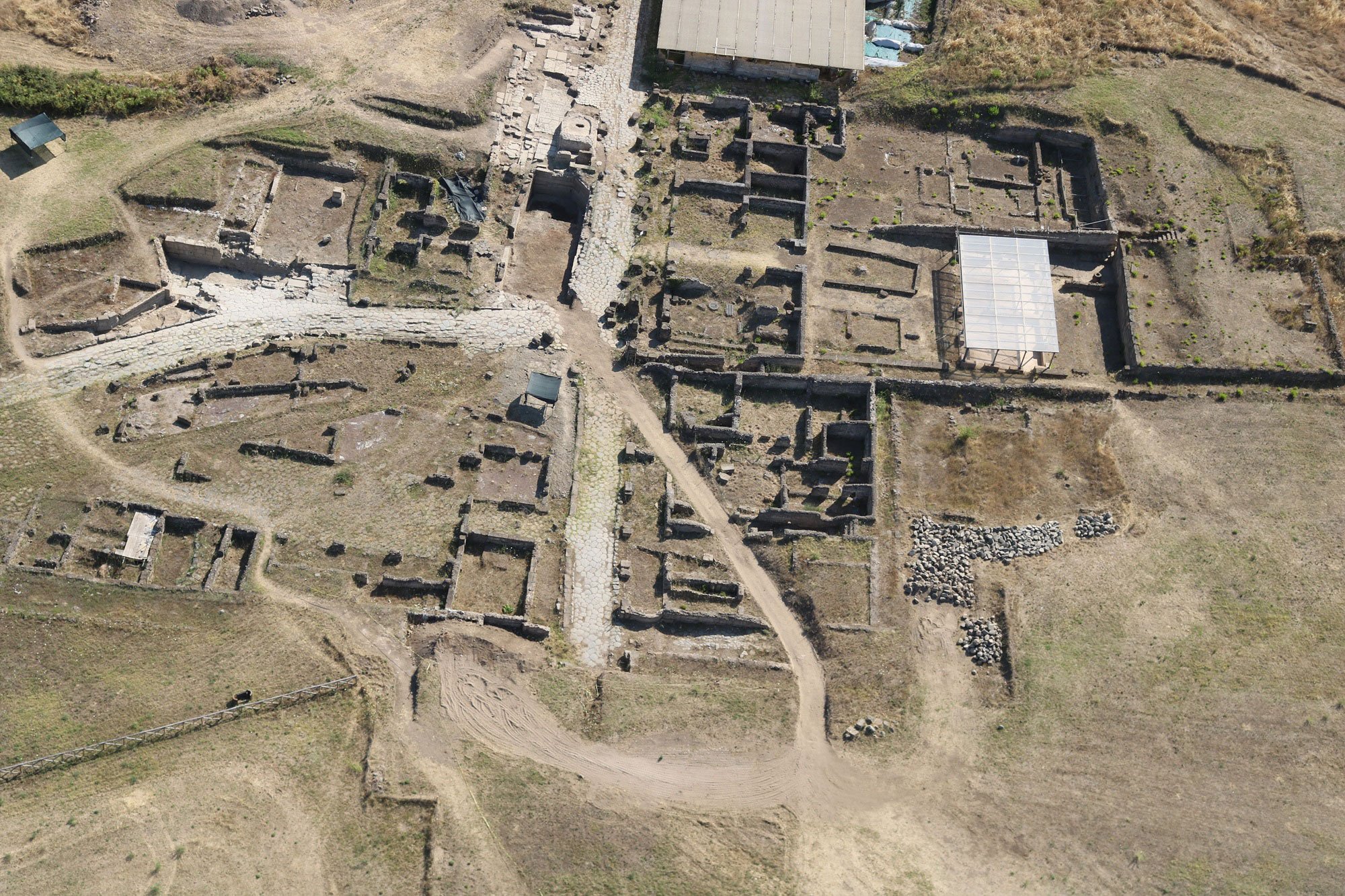
In the center of the ancient city of Gabii, just 11 miles east of Rome, archaeologists led by University of Missouri professor Marcello Mogetta have uncovered an extraordinary find: a large stone-lined basin cut partly into the natural rock.
The structure dates to around 250 B.C., and some sections may be even older. Researchers believe it could represent one of the earliest forms of Roman monumental architecture beyond temples and defensive walls.
According to Mogetta, who leads Mizzou’s Department of Classics, Archaeology and Religion, such large-scale construction served purposes that extended beyond practicality.
“This discovery gives us a rare look at how the early Romans experimented with city planning,” he said. “Its location — at the center of the city near the main crossroads — suggests it may have been a monumental pool that was part of the city’s forum, or the heart of public life in Roman towns. Since archaeologists still don’t fully know what the early Roman Forum truly looked like, Gabii provides an invaluable window into its development.”
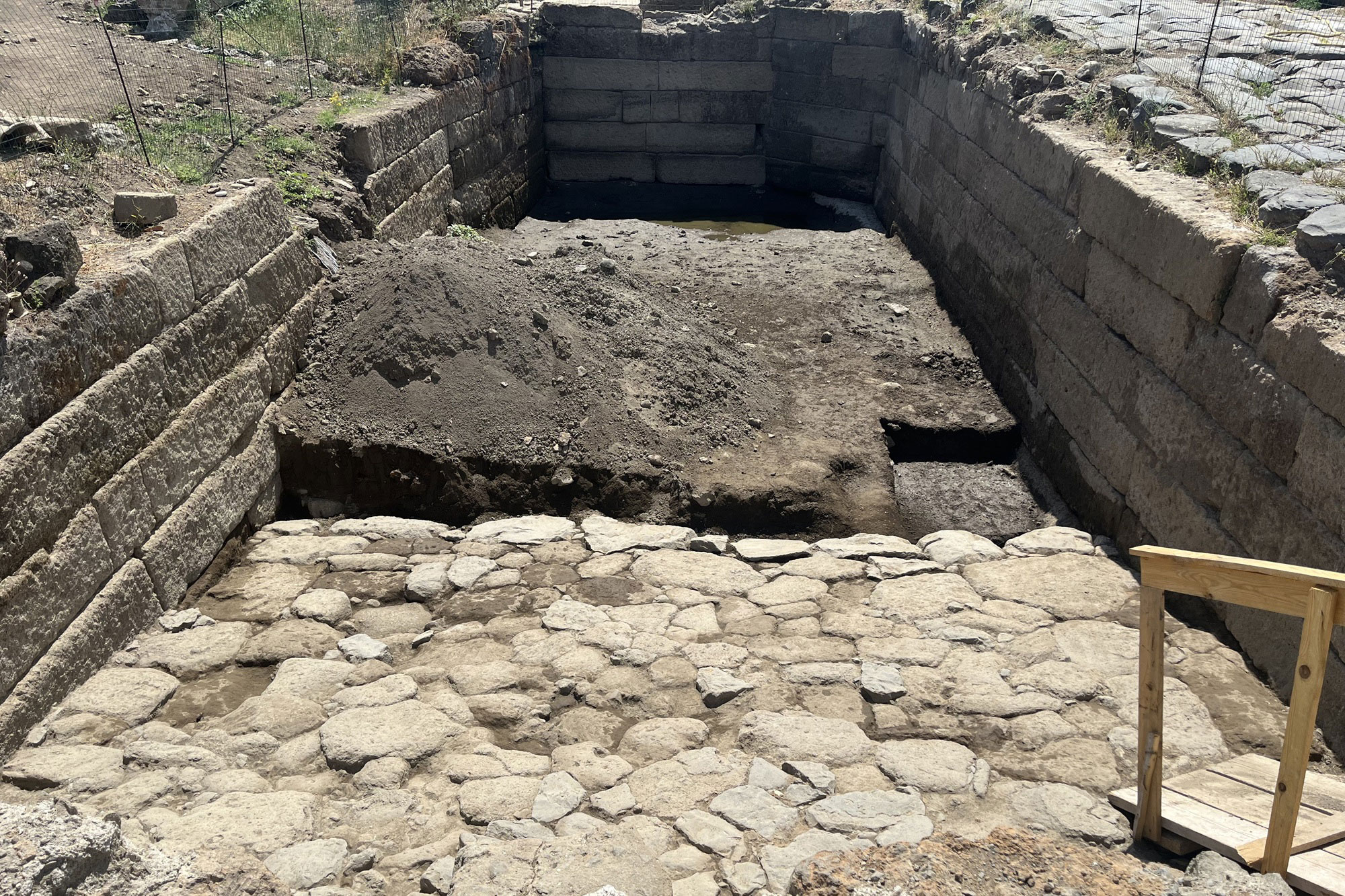
The discovery adds to the team’s previous findings at Gabii, which include the “Area F Building,” a stepped architectural complex cut into the side of the ancient volcanic crater that shaped the city’s layout.
Taken together, these results illustrate the influence of Greek design on early Roman construction. Greek sites such as the Parthenon and the Agora introduced paved gathering spaces, bold terracing, and prominent public areas that balanced visual impact with practical use — ideas that early Roman builders adapted for their own urban environments.
What’s next
Gabii occupies a special place in Roman history.
“While Rome’s earliest layers were buried beneath centuries of later construction, Gabii — a once-powerful neighbor and rival of Rome, first settled in the Early Iron Age — was largely abandoned by 50 B.C. and later reoccupied on a much smaller scale,” Mogetta, whose appointment is in Mizzou’s College of Arts and Science, said. “Because of this, Gabii’s original streets and building foundations are unusually well preserved, offering a rare glimpse into early Roman life.”
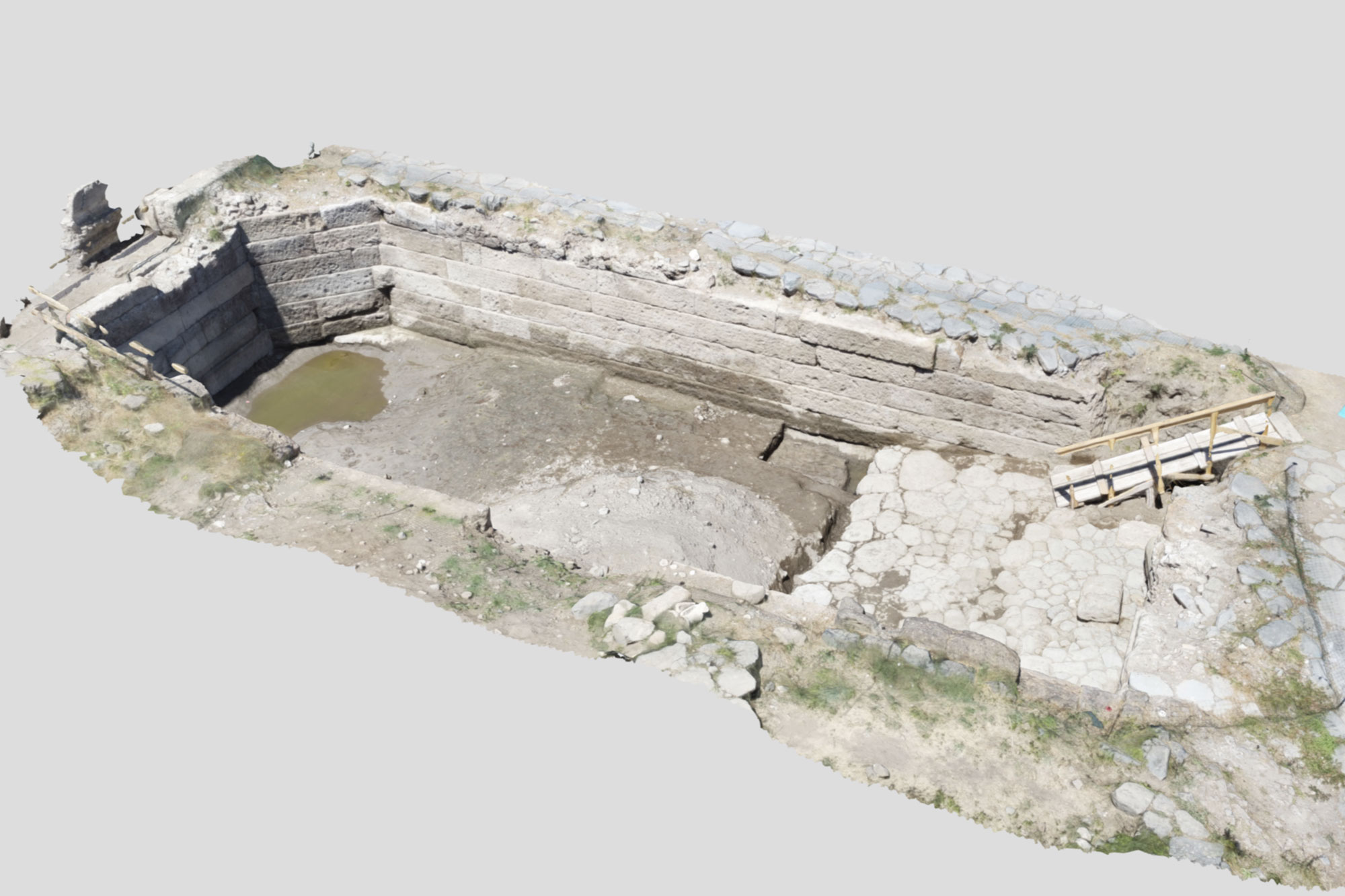
Recognizing the historical and cultural significance of the ancient city, Italy’s Ministry of Culture established Gabii as an archaeological park — now part of an autonomous institute, the Musei e Parchi Archeologici di Praeneste e Gabii. This designation has allowed researchers, including an international venture called the Gabii Project, to carefully explore and excavate the site. Last year, Mogetta became the research group’s new director.
Next summer, with support from the General Directorate of Museums in Italy, Gabii Project archaeologists will continue excavating what has accumulated in the basin over time and the area around it — featuring a large stone-paved area. In the future, they also plan to investigate a mysterious “anomaly” near the basin site. Initially revealed through thermal imaging scans, it could possibly be a temple or another type of large civic building.
“If it’s a temple, it could help us explain some of the artifacts we’ve already found in the abandonment levels of the basin, such as intact vessels, lamps, perfume containers, and cups inscribed with unusual markings,” Mogetta said. “Some of these objects may have been deliberately placed there as religious offerings or discarded in connection with the ritual closing of the pool around 50 C.E. — thus underscoring the crucial role played by water management in ancient cities.”
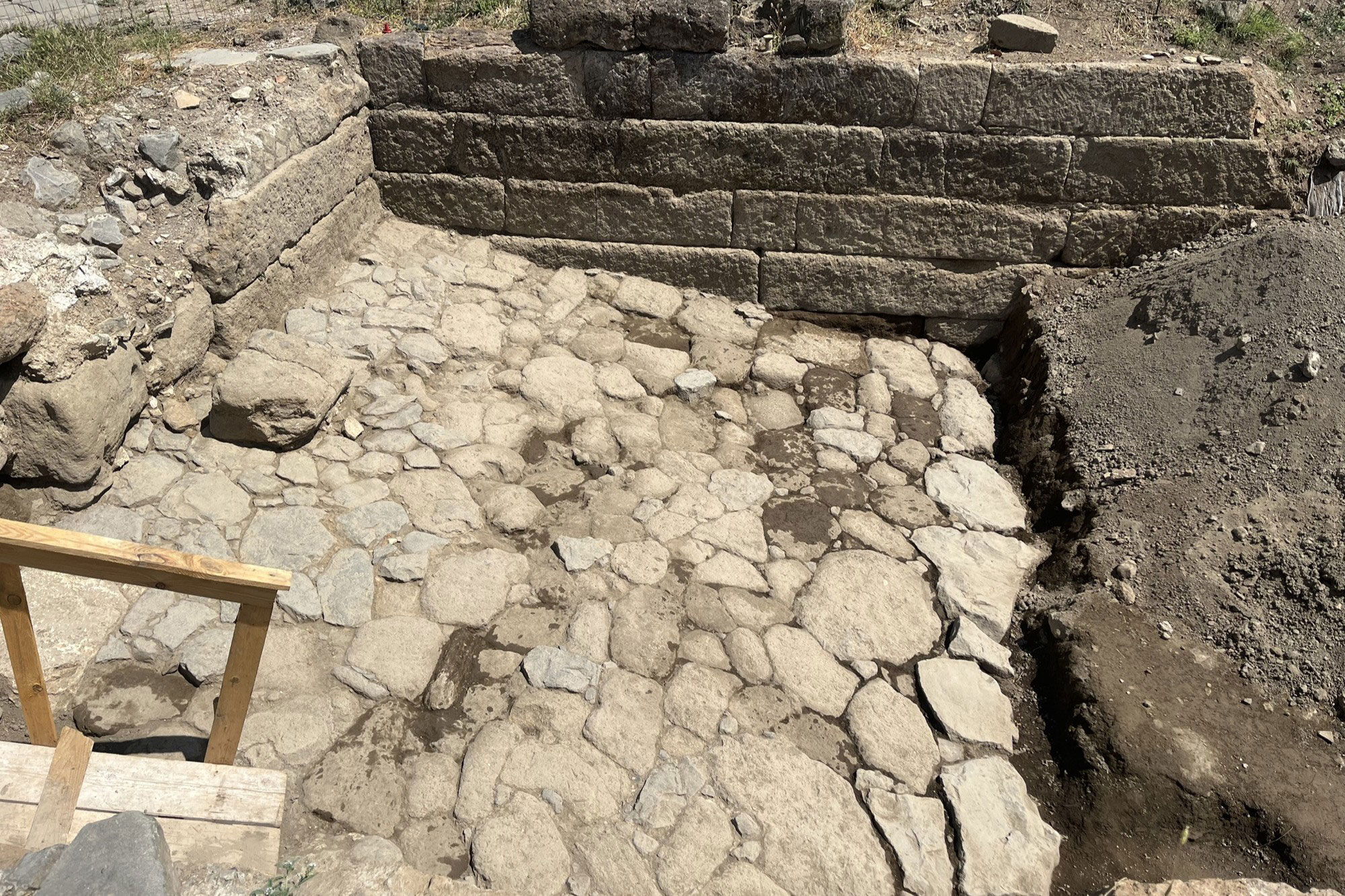
The Gabii Project’s ongoing work helps ensure the city’s ancient history is preserved, studied, and shared with visitors for generations to come.
One key question remains: whether civic spaces emerged before religious centers, or vice versa. What researchers find could help reveal whether politics or worship played a larger role in shaping the Roman people’s earliest monumental landscapes.
By piecing together these clues, Mogetta and his team hope to reconstruct not only the story of Gabii — how it grew, flourished, and eventually vanished — but also the deeper story of Roman architecture and its influence on the modern world.
Never miss a breakthrough: Join the SciTechDaily newsletter.
Follow us on Google and Google News.