

An unusual material could help us make better use of the sun’s energy, offering new possibilities for more efficient solar power and fuel production.
Generating more electricity from sunlight does not necessarily mean installing more solar panels. Finding ways to extract more energy from the light that already reaches them could make solar power a more practical source of electricity. Part of the challenge lies in what happens inside a solar cell in the moments after it absorbs sunlight.
Solar cells contain materials called semiconductors, which use the energy from sunlight to free negatively charged electrons, leaving behind positively charged gaps known as holes. Both charges must be collected to generate electricity. If an electron and a hole meet and cancel each other out, a process known as recombination, the energy they carry is lost. Unfortunately, materials that are particularly good at absorbing sunlight also tend to lose these charges more quickly.
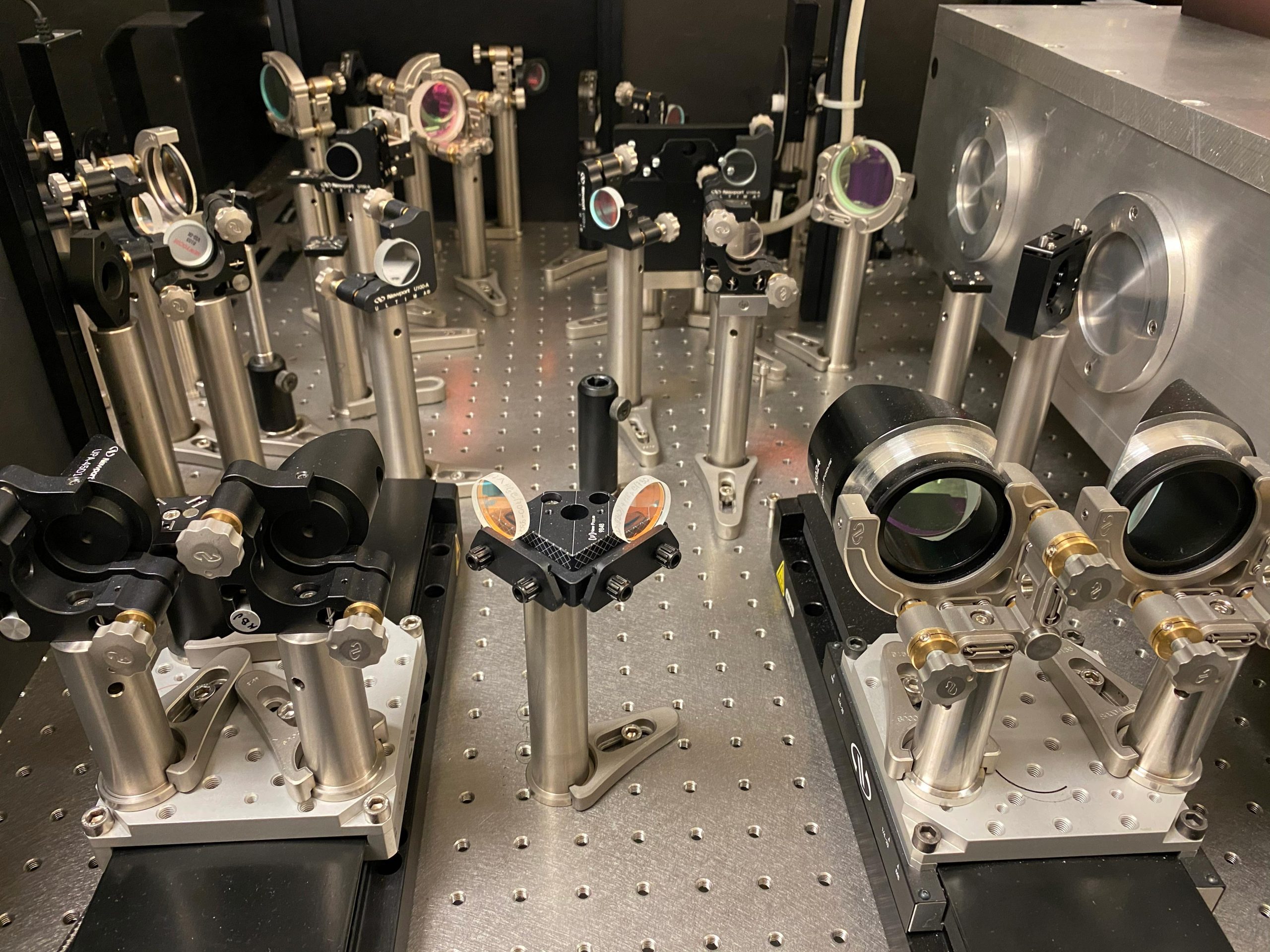
A study led by the University of Oxford has identified a promising exception in a semiconductor called bismuth sulfide. Published October 28, 2026, in Nature, the research examined how the material’s unusual electronic structure could help overcome this longstanding limitation in solar energy technology.
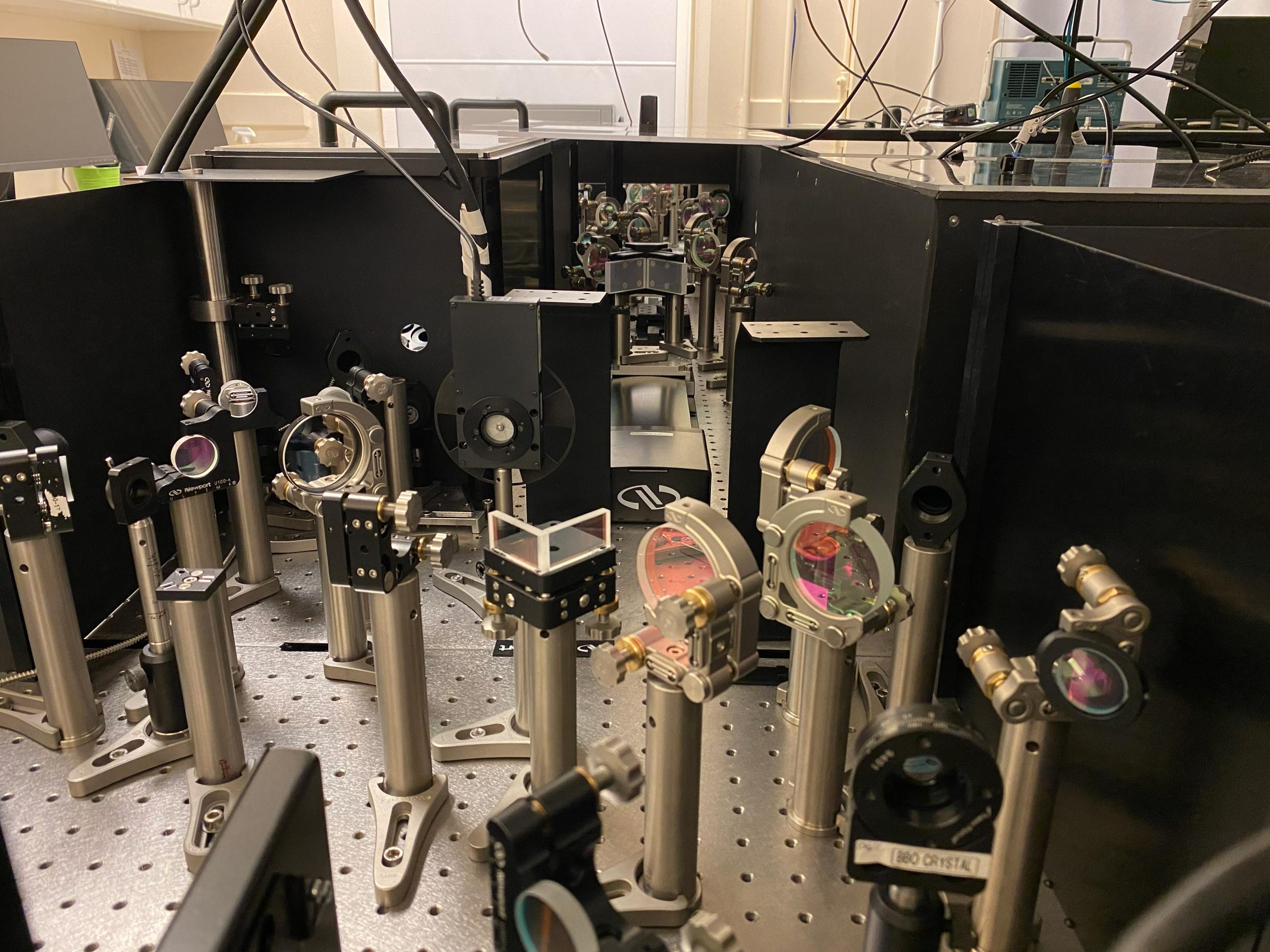
To investigate how long electrical charges survive in bismuth sulfide, the researchers exposed thin films of the material to extremely short laser pulses. They then tracked how quickly the charges disappeared using a technique called ultrafast terahertz spectroscopy, conducting measurements at temperatures ranging from room temperature to just above absolute zero.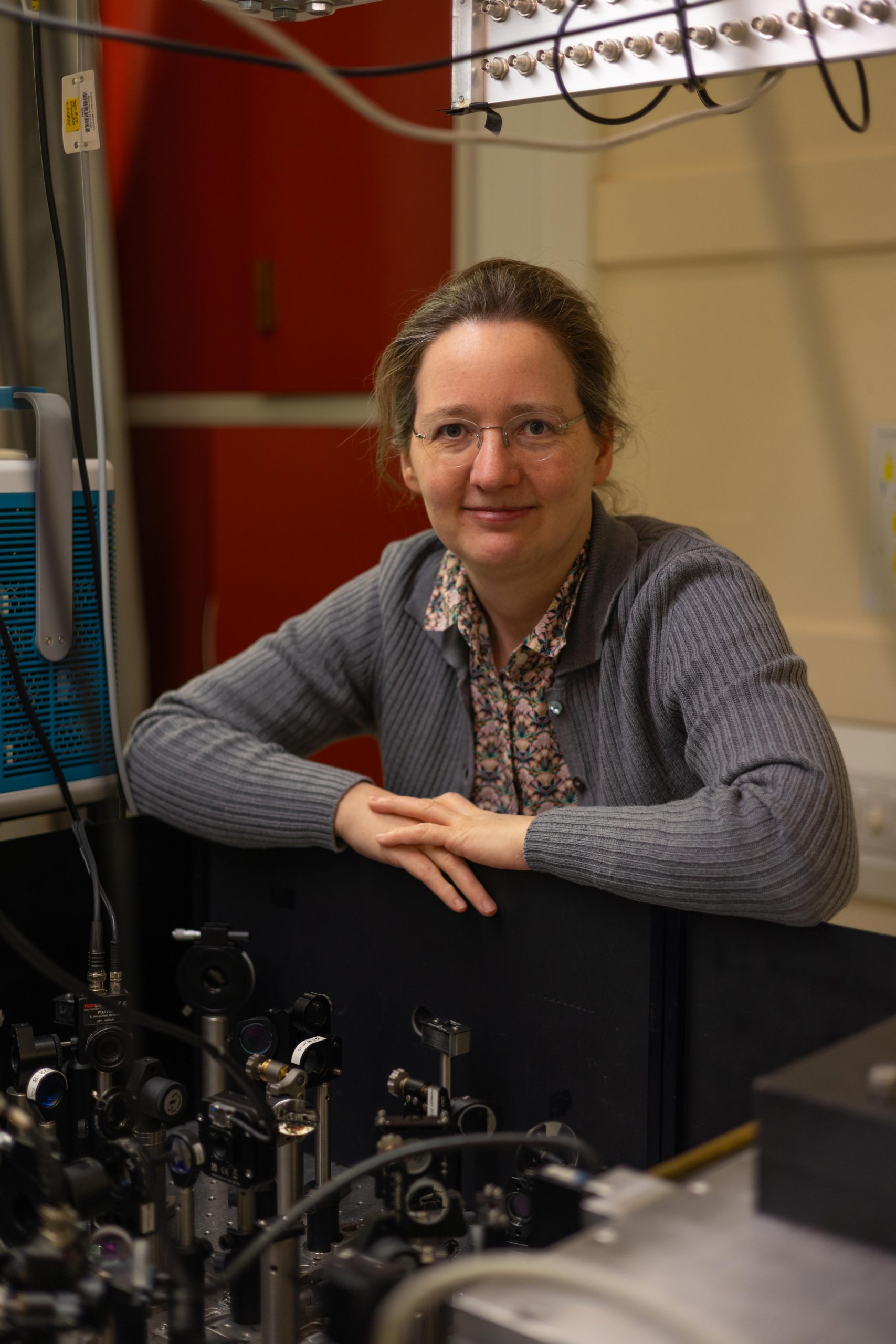
“One of the longstanding challenges in developing efficient solar-energy materials is that the properties which make a semiconductor very good at absorbing sunlight also tend to make the resulting electrical charges disappear quickly,” said corresponding author Professor Laura Herz (Department of Physics, University of Oxford). “Our work shows that this trade-off is not inevitable. By uncovering how an unusual electronic structure can combine strong light absorption with much slower recombination, we have identified a new principle for designing semiconductors that could help us harvest solar energy more efficiently.”
A reservoir that slows charge loss
Electronic structure calculations by Professor Marina Filip’s group in Oxford’s Department of Physics helped explain why bismuth sulfide behaves differently. The material has two closely spaced routes through which electrons can move between energy levels. One allows the material to absorb light strongly, while the other sits at a slightly lower energy and allows charges to disappear much more slowly. Because the two are so close together, charges spend much of their time in the lower-energy states, which effectively serve as a temporary storage reservoir.
Cooling the material provided further evidence for this explanation. In most semiconductors, electrical charges disappear faster as temperatures drop. In bismuth sulfide, more charges settled into the reservoir as the material cooled, allowing them to survive longer. The results matched the team’s model of what physicists call a pseudo-direct semiconductor.
Even at room temperature, the researchers estimate that this arrangement reduces the rate of charge loss by about 75% compared with conventional semiconductors that absorb light equally well.
Potential for solar electricity and fuels
Giving electrical charges more time to be collected could improve the efficiency of solar panels without compromising their ability to capture sunlight. The benefits could also extend beyond electricity generation. Longer-lived charges could provide more time for the chemical reactions needed to produce fuels using sunlight.
“What makes this discovery particularly exciting is that we are not simply improving an existing semiconductor property but identifying a different way in which semiconductors can behave,” said Professor Herz. “Understanding this mechanism gives us a roadmap for discovering and potentially engineering other materials with similarly advantageous properties.”
The team’s calculations suggest that researchers could search existing materials databases for semiconductors with similar properties or engineer new ones. However, the study demonstrates the underlying physical mechanism rather than the performance of a finished solar cell. Further research will be needed to determine how these properties can be put to use in solar energy technologies.
Reference: “Delayed electron–hole recombination in a pseudo-direct semiconductor” by Marcello Righetto, Debalina Banerjee, Zhenglin Jia, Joshua R. S. Lilly, Vincent J. -Y. Lim, Snigdha Lal, Siyu Yan, Jae Eun Lee, Jay B. Patel, Michael B. Johnston, Qianqian Lin, Marina R. Filip and Laura M. Herz, 28 October 2026, Nature.
DOI: 10.1038/s41586-026-11223-x
Never miss a breakthrough: Join the SciTechDaily newsletter.
Follow us on Google and Google News.