
Close Menu
    Facebook X (Twitter) Instagram
    SciTechDaily
    • Biology
    • Chemistry
    • Earth
    • Health
    • Physics
    • Science
    • Space
    • Technology
    Facebook X (Twitter) Pinterest YouTube RSS
    SciTechDaily
    Home»Health»Sexually Transmitted Infection Rates Higher in Counties with Fracking
    Health

    Sexually Transmitted Infection Rates Higher in Counties with Fracking

    By Elisabeth Reitman, Yale UniversityMarch 28, 2018No Comments3 Mins Read
    Facebook Twitter Pinterest Telegram LinkedIn WhatsApp Email Reddit
    Share
    Facebook Twitter LinkedIn Pinterest Telegram Email Reddit
    Gonorrhea and Chlamydia Rates Higher in Counties with Fracking
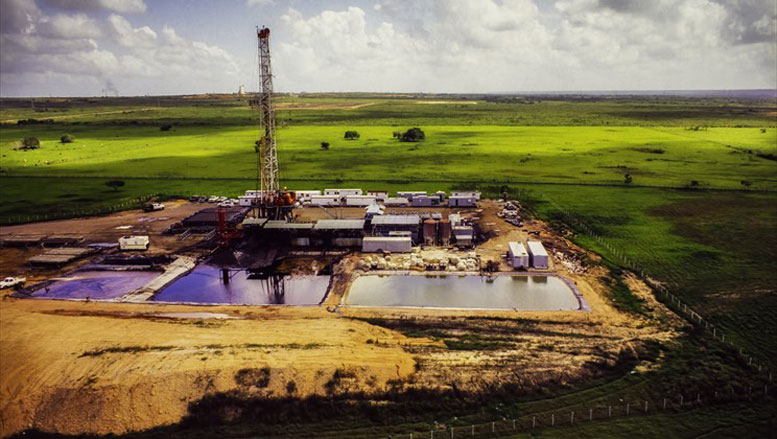
    Higher rates of sexually transmitted infections (STIs) found in Ohio counties with high fracking activity compared to non-fracking counties. Photo credit: iStock

    Researchers at the Yale School of Public Health have discovered that the rates of two major sexually transmitted infections (STIs), gonorrhea and chlamydia, are 21% and 19% higher, respectively, in Ohio counties with high shale gas activity (“fracking”), compared to counties without any fracking. Rates of a third STI, syphilis, were not elevated.

    Shale gas extraction is associated with large influxes of specialized, trained workers into rural areas to meet the labor demands of the drilling rigs, and commonly involves the formation of “work camps” composed of relatively young men. The influx of workers in these situations is thought to increase STI risk because male workers typically live and socialize in communities with masculinized social norms, do not bring families and thus have opportunities to seek other sex partners, and may have few emotional ties to the local community.

    “Beyond some of the more familiar concerns about water quality and earthquakes, this report of increased rates of two major sexually transmitted infections suggests another potential health impact in communities hosting the emerging shale gas industry,” said lead author Nicole Deziel, Ph.D., assistant professor at the Yale School of Public Health.

    The study examined new well permits and reported STI cases, obtained from publicly available datasets, in all 88 Ohio counties from 2000 to 2016; this long follow-up period covered both pre- and post-fracking periods to account for any pre-existing trends in STI rates. The researchers accounted for several other factors, such as population density and age, using variables obtained from the US Census.

    “Similar patterns have been observed for other migratory labor movements, but the idea that this could be occurring for the current situation of increased hydraulic fracturing in the United States is only beginning to emerge,” said senior author Linda Niccolai, Ph.D., Professor at the Yale School of Public Health. “These findings point to the potential importance of new shale gas extraction activities as a social determinant of health, one that changes the collective fabric of communities in a way that increases the risk for STI transmission.”

    The fracking industry has rapidly expanded over the past decade, particularly in Pennsylvania, Ohio, Colorado, Texas, and North Dakota. In contrast, other states, such as New York and Maryland, have banned the practice.

    “The link between fracking and STIs needs to be studied in other regions before it could be considered conclusive; however, our results may be useful in informing local public health officials and policy makers, as there are effective community-level interventions for reducing transmission of STIs,” said Deziel. “Further, this study adds to the growing body of evidence of other possible health problems in populations living near fracking sites, such as asthma symptoms or premature births.”

    Other Yale School of Public Health authors on the study include Zoe Humeau, Elise Elliott, and Joshua Warren.

    Reference: “Shale gas activity and increased rates of sexually transmitted infections in Ohio, 2000–2016” by Nicole C. Deziel, Zoe Humeau, Elise G. Elliott, Joshua L. Warren and Linda M. Niccolai, 23 March 2018, PLOS One.
    DOI: 10.1371/journal.pone.0194203

    Never miss a breakthrough: Join the SciTechDaily newsletter.
    Follow us on Google and Google News.

    Disease Fracking Gonorrhea Yale University
    Share. Facebook Twitter Pinterest LinkedIn Email Reddit

    Related Articles

    New Treatments for Pulmonary Arterial Hypertension

    Unique Drug Combinations Show Positive Results in Fighting Late-Stage Melanoma

    New Model for Vaccination Against Genital Herpes

    Ketamine Produces Rapid Antidepressant Responses

    New Class of Proteins Inhibit HIV Infection in Cell Cultures

    New Antibody Drug Boosts the Immune System’s Capacity to Fight Cancer

    Intensive Glycemic Control Does Not Definitively Reduce the Risk of Impaired Kidney Function

    Obese Children with Genetic Variants Susceptible to Fatty Liver Disease

    Ticks, Lyme Disease and Public Health

    Leave A Reply Cancel Reply

    • Facebook
    • Twitter
    • Pinterest
    • YouTube

    Don't Miss a Discovery

    Subscribe for the Latest in Science & Tech!

    Trending News

    Popular Supplement Ingredient Linked to Shorter Lifespan in Men

    Scientists May Have Found a Way To Repair Nerve Damage in Multiple Sclerosis

    “Totally Unexpected” – Scientists Discover Pancreatic Cancer’s Fatal Addiction

    A Strange Quantum Effect May Explain One of Biology’s Greatest Mysteries

    James Webb Telescope Reveals the Universe’s Hidden Cosmic Web in Stunning Detail

    Scientists Identify Simple Supplement That Greatly Reduces Alzheimer’s Damage

    You May Have a Dangerous Type of Cholesterol Even if Your Tests Look Normal

    Your Blood Pressure Reading Could Be Wrong Because of One Simple Mistake

    Follow SciTechDaily
    • Facebook
    • Twitter
    • YouTube
    • Pinterest
    • Newsletter
    • RSS
    SciTech News
    • Biology News
    • Chemistry News
    • Earth News
    • Health News
    • Physics News
    • Science News
    • Space News
    • Technology News
    Recent Posts
    • Cancer Mystery Solved: Scientists Discover How Melanoma Becomes “Immortal”
    • Scientists Uncover Cancer-Fighting Power of Popular Fatty Liver Drug
    • Beyond Pain Relief: Scientists Discover a Protein That Could Stop Osteoarthritis in Its Tracks
    • NASA’s New AI Processor Is 500x Faster Than Current Space Computers
    • Scientists Find Evidence Earth Is Drifting Through the Ashes of an Exploded Star
    Copyright © 1998 - 2026 SciTechDaily. All Rights Reserved.
    • Science News
    • About
    • Contact
    • Editorial Board
    • Privacy Policy
    • Terms of Use

    Type above and press Enter to search. Press Esc to cancel.