
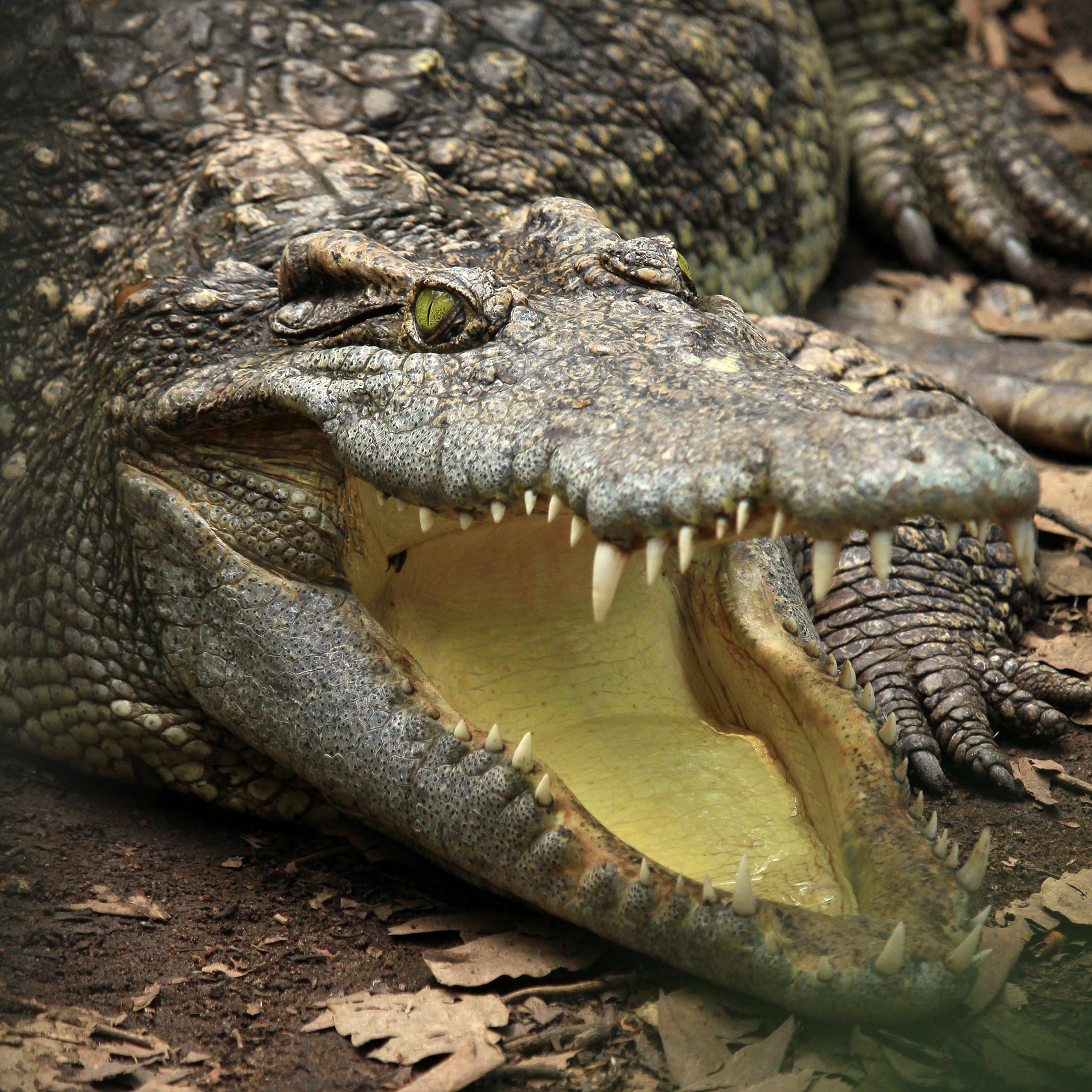
New research shows ancient crocodiles evolved rapidly, taking on dolphin-like and land-dwelling forms. This high-speed evolution allowed them to thrive in diverse environments, unlike today’s relatively conservative crocodilian species.
New research led by the University of Bristol has revealed that crocodiles once flourished on land and in the oceans as a result of fast evolution.
Modern crocodiles are predators living in rivers, lakes, and wetlands, grabbing fish, reptiles, birds, and mammals with their conspicuous snouts and powerful jaws.
However, new research published today in the journal Proceedings of the Royal Society B, shows that ancient crocodiles were once much more varied because of rapid evolution.
In the time of the dinosaurs, some crocodiles experimented with dolphin-like adaptations to living in the oceans, and others lived on land as fast-moving plant-eaters.
The researchers studied over 200 skulls and jaws, including fossils from the entire 230-million-year history of crocodiles and their extinct relatives. They explored shape variation to reveal differences between species and analyzed how fast crocodile groups changed through time.
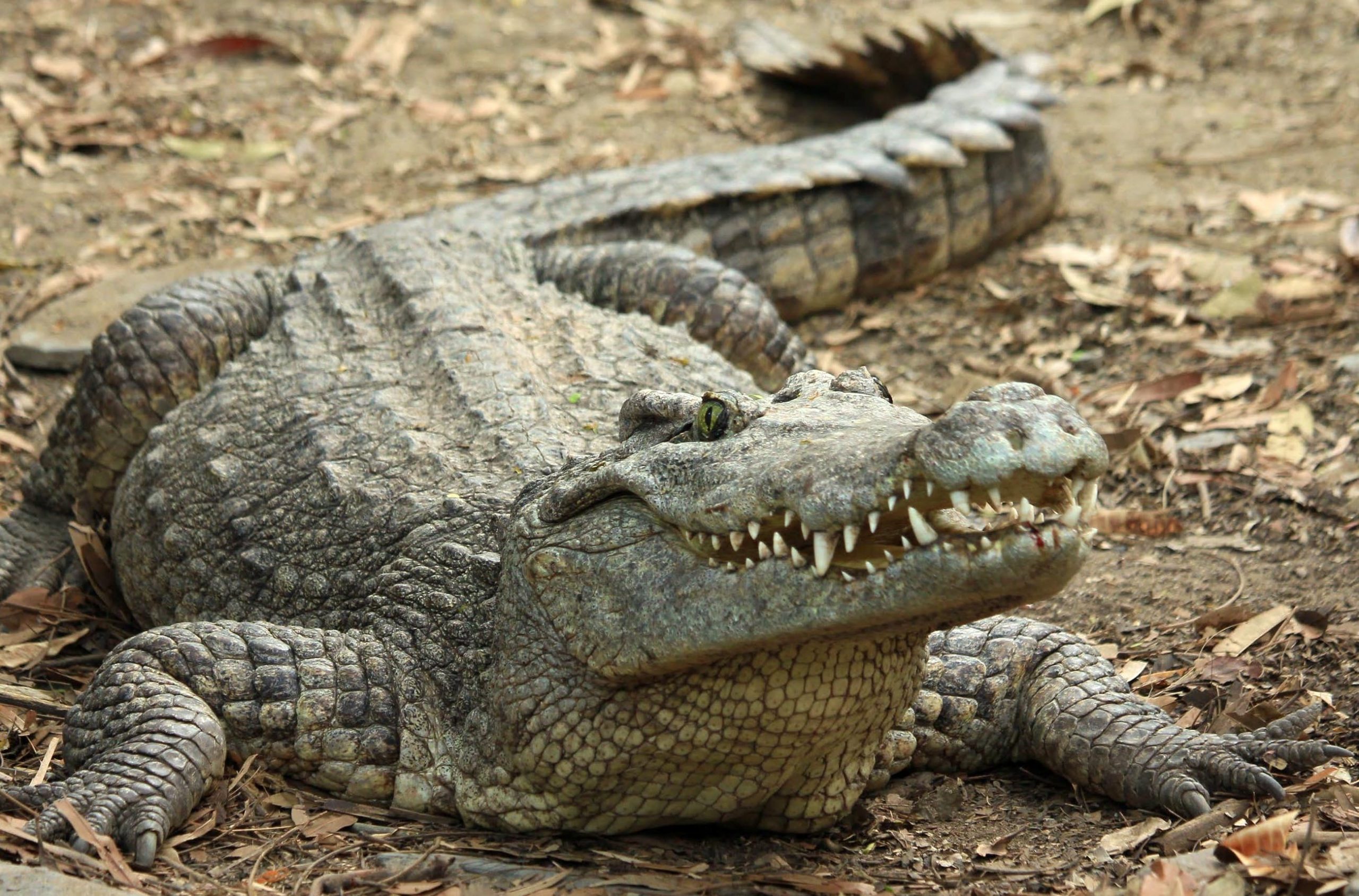
Ancient Crocs Dominated Land and Sea
It turns out that some extinct crocodile groups, including dolphin-like thalattosuchians and small land-dwelling notosuchians, evolved very fast over many millions of years, and they underwent great changes to their skulls and jaws as they expanded into niches today occupied by other animal groups, particularly mammals.
The research also shows that crocodiles, alligators, and gharials, the only living crocodilians, are more conservative than these extinct fossil groups, and evolved steadily for the last 80 million years, but there is no evidence for a slow-down in their evolution and they are not ‘living fossils’, as once thought.
Lead author Dr. Tom Stubbs, a Senior Research Associate at the University of Bristol’s School of Earth Sciences, said: “Crocodiles and their ancestors are an incredible group for understanding the rise and fall of biodiversity.
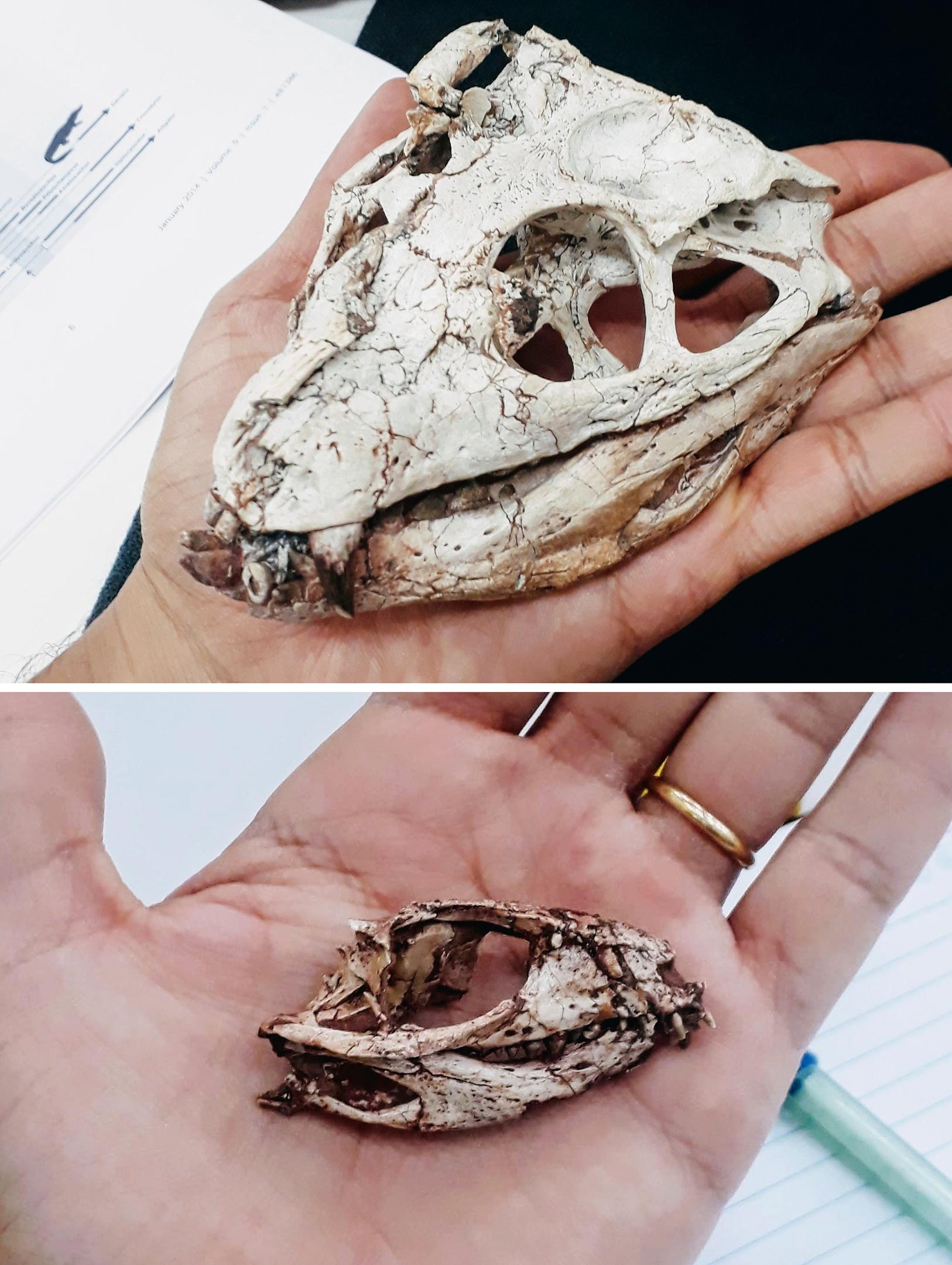
“There are only 26 crocodile species around today, most of which look very similar. However, there are hundreds of fossil species with spectacular variation, particularly in their feeding apparatus.”
New Methods Reveal Evolutionary Dynamics
Dr. Armin Elsler, a Research Associate in the Bristol School of Earth Sciences and co-author, added: “New state-of-the-art methods now mean we can test for differences in the speed of evolution through time and across groups.”
It has long been suggested that dramatic shifts in habitat and diet can trigger rapid evolution, but these patterns are usually only reported in groups with great variety today, like birds, mammals, and fish. This is the first time this trend has been shown in crocodiles, a group with a rich fossil history, but low modern diversity.
Dr. Stephanie Pierce, Associate Professor of Organismic and Evolution Biology at Harvard University, said: “Ancient crocodiles came in a dizzying array of forms. They were adapted to running on land, swimming in the water, snapping fish, and even chewing plants.
“Our study shows that these very different ways of living evolved incredibly fast, allowing extinct crocodiles to rapidly thrive and dominate novel ecological niches over many millions of years.”
Crocodilian Past Hints at Untapped Potential
Professor Michael Benton from Bristol added: “It’s not clear why modern crocodiles are so limited in their adaptations. If we only had the living species, we might argue they are limited in their modes of life by being cold-blooded or because of their anatomy.
“However, the fossil record shows their amazing capabilities, including large numbers of species in the oceans and on land. Perhaps they only did well when world climates were warmer than today.”
Reference: “Ecological opportunity and the rise and fall of crocodylomorph evolutionary innovation” by Thomas L. Stubbs, Stephanie E. Pierce, Armin Elsler, Philip S. L. Anderson, Emily J. Rayfield and Michael J. Benton, 24 March 2021, Proceedings of the Royal Society B: Biological Sciences.
DOI: 10.1098/rspb.2021.0069
Never miss a breakthrough: Join the SciTechDaily newsletter.
Follow us on Google and Google News.