
Close Menu
    Facebook X (Twitter) Instagram
    SciTechDaily
    • Biology
    • Chemistry
    • Earth
    • Health
    • Physics
    • Science
    • Space
    • Technology
    Facebook X (Twitter) Pinterest YouTube RSS
    SciTechDaily
    Home»Health»Some Brains Stay Sharp Thanks to a Plaque Eating Immune Cell That Fights Alzheimer’s
    Health

    Some Brains Stay Sharp Thanks to a Plaque Eating Immune Cell That Fights Alzheimer’s

    By University of California, San FranciscoAugust 9, 20256 Comments3 Mins Read
    Facebook Twitter Pinterest Telegram LinkedIn WhatsApp Email Reddit
    Share
    Facebook Twitter LinkedIn Pinterest Telegram Email Reddit
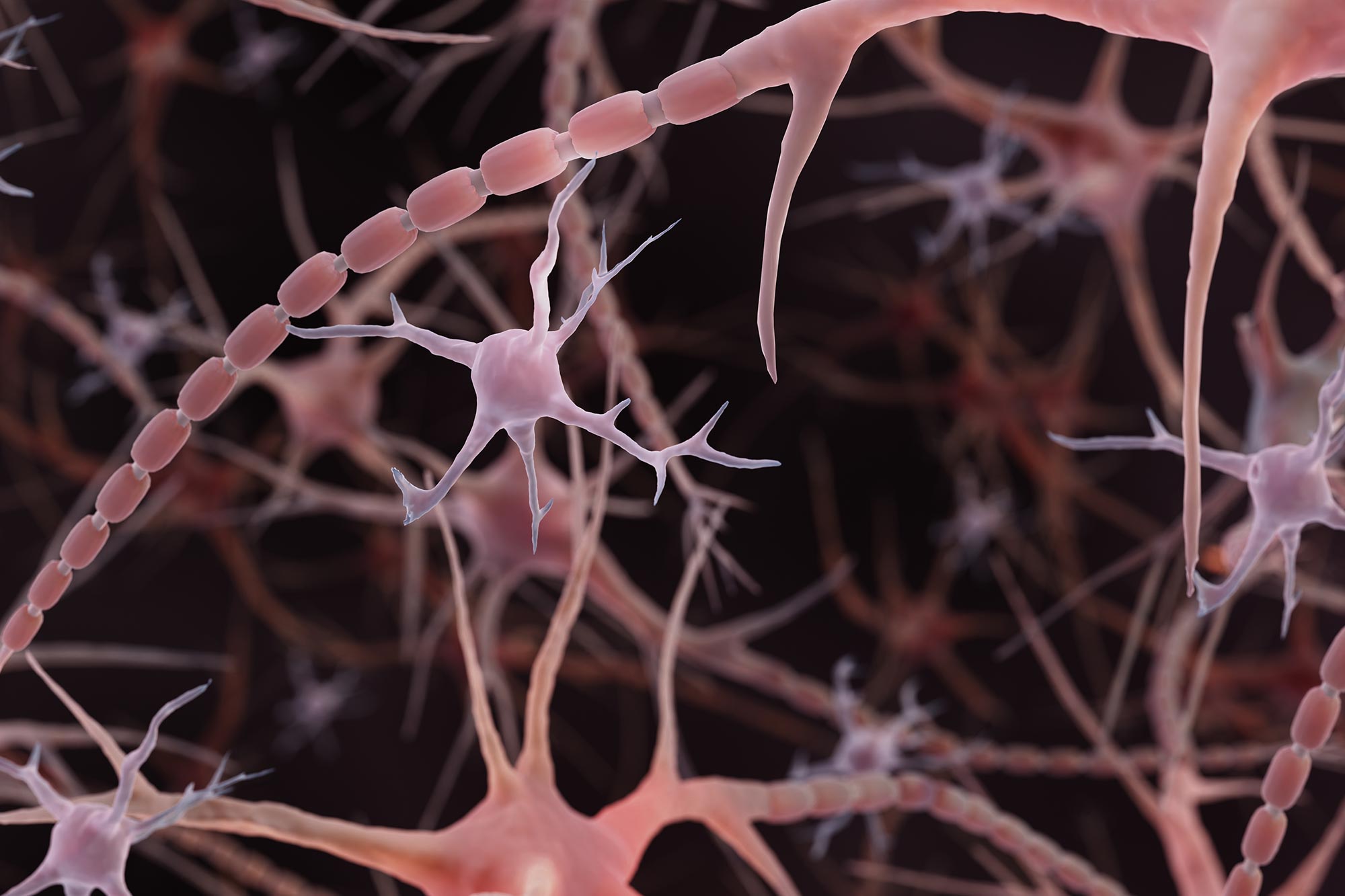
    Microglia Brain Immune Cells
    A newly identified brain receptor could supercharge immune cells to fight Alzheimer’s and protect memory. Credit: Shutterstock

    UCSF researchers have pinpointed a crucial brain receptor that helps immune cells called microglia clear out toxic amyloid beta plaques linked to Alzheimer’s disease.

    When microglia have plenty of this receptor, they efficiently “eat” the plaques, keeping symptoms mild. But without it, plaques accumulate quickly, leading to severe memory loss and brain damage.

    Microglia’s Surprising Role in Alzheimer’s Defense

    In Alzheimer’s disease, certain proteins such as amyloid beta can clump together into structures called plaques, which harm brain cells.

    In some individuals, however, the brain’s immune cells, known as microglia, are able to clear away much of this buildup before it causes significant damage. This results in fewer plaques, smaller in size, and noticeably milder symptoms.

    Discovery of the ADGRG1 Receptor

    A team at the University of California, San Francisco has pinpointed a molecular receptor that enables microglia to consume and break down amyloid beta plaques efficiently.

    When this receptor, called ADGRG1, was absent, the microglia removed very little of the harmful protein. In a mouse model of Alzheimer’s, the loss of ADGRG1 led to a rapid increase in plaque formation, degeneration of brain tissue, and declines in learning and memory abilities.

    “We think this receptor helps microglia do their job of keeping the brain healthy over many years,” said Xianhua Piao, MD, PhD, a physician-scientist in the UCSF Department of Pediatrics.

    Gene Expression Clues in Human Brains

    Indeed, when the researchers reanalyzed a prior study of gene expression in the human brain, they found that individuals who died of mild Alzheimer’s had microglia with abundant ADGRG1, and mild cognitive impairment — implying that the microglia ate well and kept the disease in check. But in those who died of severe Alzheimer’s, the microglia had very little ADGRG1, and the plaques proliferated.

    ADGRG1 is one of hundreds of G protein-coupled receptors, which are routinely targeted in drug development. This bodes well for a rapid translation of the discovery into new therapies.

    Boosting Everyone’s Brain Defenders

    “Some people are lucky to have responsible microglia,” Piao said. “But this discovery creates an opportunity to develop drugs to make microglia effective against amyloid-beta in everyone.”

    Reference: “G-protein-coupled receptor ADGRG1 drives a protective microglial state in Alzheimer’s disease through MYC activation” by Beika Zhu, Andi Wangzhou, Diankun Yu, Tao Li, Rachael Schmidt, Stacy L. De Florencio, Lauren Chao, Alicia L. Thurber, Minqi Zhou, Zeina Msheik, Yonatan Perez, Lea T. Grinberg, Salvatore Spina, Richard M. Ransohoff, Arnold R. Kriegstein, William W. Seeley, Tomasz Nowakowski and Xianhua Piao, 25 July 2025, Neuron.
    DOI: 10.1016/j.neuron.2025.06.020

    Never miss a breakthrough: Join the SciTechDaily newsletter.
    Follow us on Google and Google News.

    Alzheimer's Disease Amyloid-ß Brain Neuroscience Popular UCSF
    Share. Facebook Twitter Pinterest LinkedIn Email Reddit

    Related Articles

    According to Harvard Scientists, This Missing Nutrient May Be the Key to Stopping Alzheimer’s

    Alzheimer’s Breakthrough? Common Sleeping Pill Reduces Levels of Disease Proteins

    Exercise Alters Brain Chemistry To Protect Aging Synapses From Alzheimer’s and Dementia

    Alzheimer’s Mystery Solved: How Amyloid Beta Forms in Brain Nerve Cells

    Statins Used to Lower Cholesterol Linked to Doubled Risk of Developing Dementia

    Identifying “The Terrorist Inside My Husband’s Brain” – Living Brain Imaging Can Clearly Differentiate Between Types of Dementia

    Neuroscientists Discover Promising Way to Restore Cognitive Function Impaired by Alzheimer’s Disease

    Century of Data Shows COVID-19 Likely to Impact the Brain Long-Term

    Rapid Mental Rejuvenation: Experimental Drug Reverses Age-Related Cognitive Decline Within Days

    6 Comments

    1. Karol on August 11, 2025 3:46 pm

      Please contact me 913-281-6669

      Reply
    2. [email protected] on August 11, 2025 7:17 pm

      If you don’t tell us where to acquire this… what is the point.

      Reply
    3. Noyes on August 14, 2025 1:49 am

      This is nonsense. The only people that still think amyloid causes Alzheimer’s Disease are patent holders that don’t want to see their patents invalidated and investors that don’t want to see their investments in the companies that hold those patents depreciate. Google ARIA if you have trouble accepting that.

      Can having more efficient microglia lead to better outcomes even if the amyloid hypothesis is a crock of sh*t? Absolutely. Alzheimer’s disease is triggered by an overactive Complement System, overactive because the CSF and ISF are littered with cellular and microbial debris. If upregulating ADGRG1 helps improve microglial function that’s great. Get right to it. But don’t bulls*** desperate people with the Amyloid Hypothesis. That old thinking was never supported by the science.

      Reply
      • Kay on August 15, 2025 8:14 am

        Thanks for the info.

        Reply
    4. Kay on August 15, 2025 8:15 am

      Thanks for the info.

      Reply
    5. Dann on August 15, 2025 11:23 am

      I need those one.thanks

      Reply
    Leave A Reply Cancel Reply

    • Facebook
    • Twitter
    • Pinterest
    • YouTube

    Don't Miss a Discovery

    Subscribe for the Latest in Science & Tech!

    Trending News

    Millions Take These IBS Drugs, But a New Study Finds Serious Risks

    Scientists Unlock Hidden Secrets of 2,300-Year-Old Mummies Using Cutting-Edge CT Scanner

    Bread Might Be Making You Gain Weight Even Without Eating More Calories

    Scientists Discover Massive Magma Reservoir Beneath Tuscany

    Europe’s Most Active Volcano Just Got Stranger – Here’s Why Scientists Are Rethinking It

    Alzheimer’s Symptoms May Start Outside the Brain, Study Finds

    Millions Take This Popular Supplement – Scientists Discover a Concerning Link to Heart Failure

    The Universe Is Expanding Too Fast and Scientists Can’t Explain Why

    Follow SciTechDaily
    • Facebook
    • Twitter
    • YouTube
    • Pinterest
    • Newsletter
    • RSS
    SciTech News
    • Biology News
    • Chemistry News
    • Earth News
    • Health News
    • Physics News
    • Science News
    • Space News
    • Technology News
    Recent Posts
    • U.S. Waste Holds $5.7 Billion Worth of Crop Nutrients
    • Scientists Say a Hidden Structure May Exist Inside Earth’s Core
    • Doctors Surprised by the Power of a Simple Drug Against Colon Cancer
    • Why Popular Diabetes Drugs Like Ozempic Don’t Work for Everyone: The “Genetic Glitch”
    • Scientists Create Improved Insulin Cells That Reverse Diabetes in Mice
    Copyright © 1998 - 2026 SciTechDaily. All Rights Reserved.
    • Science News
    • About
    • Contact
    • Editorial Board
    • Privacy Policy
    • Terms of Use

    Type above and press Enter to search. Press Esc to cancel.