
Close Menu
    Facebook X (Twitter) Instagram
    SciTechDaily
    • Biology
    • Chemistry
    • Earth
    • Health
    • Physics
    • Science
    • Space
    • Technology
    Facebook X (Twitter) Pinterest YouTube RSS
    SciTechDaily
    Home»Space»Space Station Astronauts Conduct Stem Cell Science and Human Research Ahead of Cargo Arrival
    Space

    Space Station Astronauts Conduct Stem Cell Science and Human Research Ahead of Cargo Arrival

    By NASAFebruary 15, 2024No Comments3 Mins Read
    Facebook Twitter Pinterest Telegram LinkedIn WhatsApp Email Reddit
    Share
    Facebook Twitter LinkedIn Pinterest Telegram Email Reddit
    Sun's Last Rays Illuminate Earth's Atmosphere
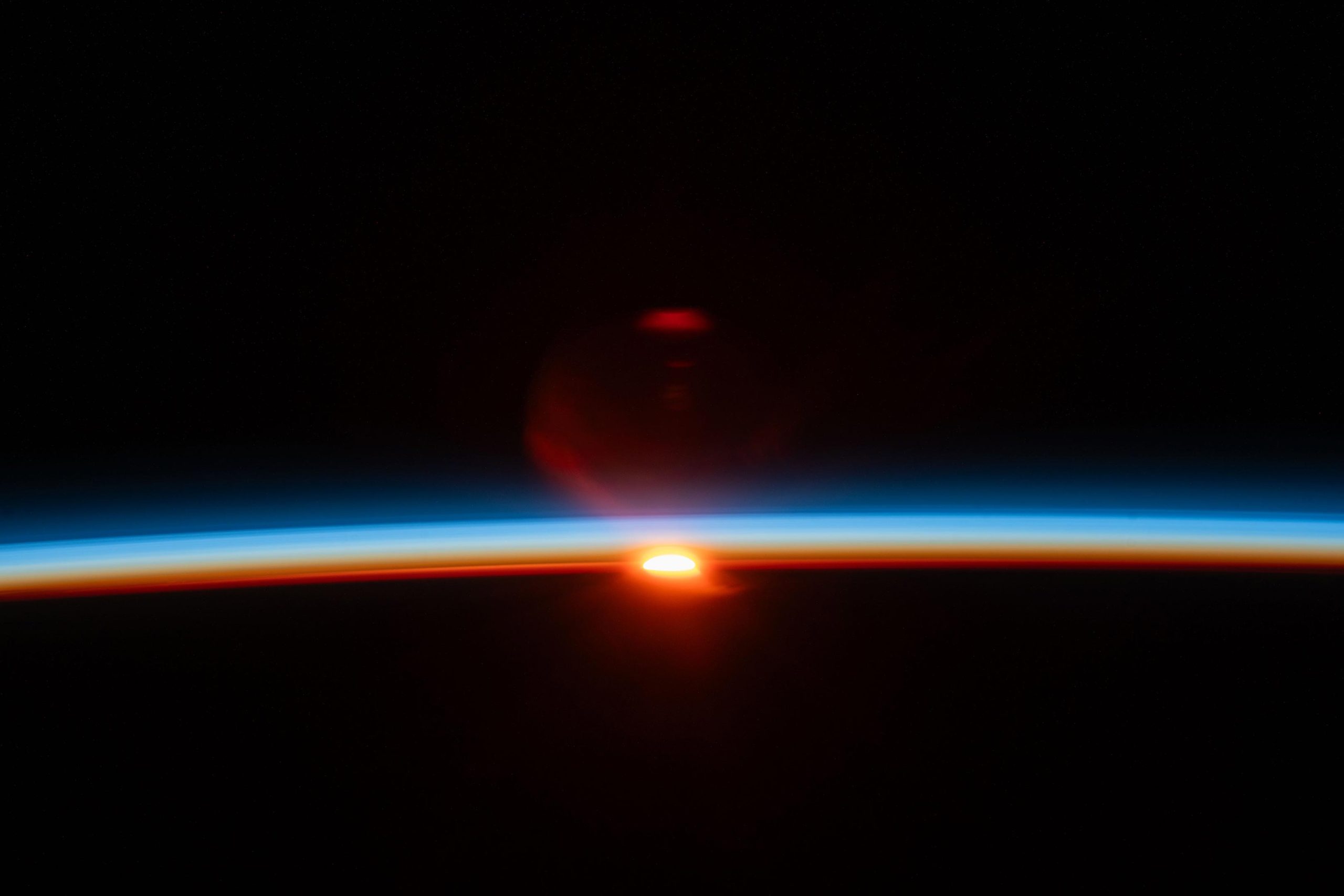
    The sun’s last rays illuminate Earth’s atmosphere and refract in the camera lense in this photograph of an orbital sunset from the International Space Station as it soared 261 miles above the Pacific Ocean off the northern coast of Japan. Credit: NASA

    A cargo craft loaded with nearly three tons of food, fuel, and supplies is currently in orbit heading to the International Space Station, targeting early Saturday for docking. As the Expedition 70 crew members await the arrival of Progress 87, stem cell science, heart rate data collection, and eye exam activities topped their research schedule on Thursday.

    Progress 87 successfully launched from the Baikonur Cosmodrome in Kazakhstan at 10:25 p.m. EST Wednesday, February 14. On Saturday, February 17, the cargo craft will automatically dock to the aft port of the Zvezda service module at 1:12 a.m., with cosmonauts Oleg Kononenko and Nikolai Chub on duty to monitor the spacecraft’s arrival.

    NASA Astronaut Loral O’Hara Treats Brain Cell-Like Samples
    NASA astronaut and Expedition 70 Flight Engineer Loral O’Hara treats brain cell-like samples inside the Kibo laboratory module’s Life Science Glovebox aboard the International Space Station. She was processing the samples for the Cerebral Ageing space biology study that is exploring the degenerative processes of brain cells. Results may provide insights into accelerated aging symptoms seen in space and neurodegenerative diseases experienced on Earth. Credit: NASA

    Aboard the station, four orbital residents spent most of the day on the Mesenchymal Stem Cells in Microgravity Induced Bone Loss (MABL-A) investigation. MABL-A—delivered aboard Northrop Grumman’s 20th Commercial Resupply Mission—assesses the effects of microgravity on bone marrow stem cells. In the morning, NASA astronaut Loral O’Hara collected BioCell samples inside the habitat with assistance from JAXA (Japan Aerospace Exploration Agency) Flight Engineer Satoshi Furkawa. In the afternoon, NASA astronaut Jasmin Moghbeli took over the BioCell sampling work with assistance from ESA (European Space Agency) Commander Andreas Mogensen.

    Mogensen also spent part of the day photographing Plant-Microbe Interactions in Space (APEX-10) petri plates—another investigation that launched aboard Northrop Grumman’s 20th resupply mission—to examine whether beneficial microbes can mitigate some of the negative effects the space environment can have on plant growth and development.

    NASA CIPHER Logo

    Astronauts headed to the International Space Station can now sign up for a broad suite of experiments that will help scientists pinpoint how the human body reacts to long-duration missions in space. The research will help NASA prepare astronauts for missions to the Moon, Mars, and beyond. Credit: NASA

    In the afternoon, O’Hara conducted an array of activities for the CIPHER investigation, including the collection of heart rate data and completing an eye exam. CIPHER, or Complement of Integrated Protocols for Human Exploration Research, is an all-encompassing, total-body approach that examines how humans adapt to spaceflight.

    In the Roscosmos segment, Chub worked with Flight Engineer Konstantin Borisov to film an educational video that demonstrates the capabilities of Roscosmos scientific hardware aboard the station. Meanwhile, Kononenko conducted some routine maintenance in the Zarya module. Near the end of the day, Borisov examined the Earth’s nighttime atmosphere in near-ultraviolet for an ongoing investigation aboard the orbital lab.

    Never miss a breakthrough: Join the SciTechDaily newsletter.
    Follow us on Google and Google News.

    Astronaut International Space Station NASA
    Share. Facebook Twitter Pinterest LinkedIn Email Reddit

    Related Articles

    NASA’s Crew-9 Returns After 286-Day Mission With a Spectacular Splashdown in the Gulf of America

    NASA’s SpaceX Crew-9 Splashes Down Off Coast of Florida

    SpaceX Dragon Undocks With NASA Crew-9 Members for Return to Earth

    Liftoff! NASA’s SpaceX Crew-10 Blasts Off From Kennedy Space Center [Video]

    Rocket Ready: NASA’s SpaceX Crew-10 Set for Liftoff

    NASA’s SpaceX Crew-10 Was Moments From Liftoff – Then a Last-Minute Malfunction Shut It Down

    NASA’s SpaceX Crew-10: Four Astronauts, a 17,500 MPH Rocket, and 200+ Experiments

    No Treadmill, No Problem – NASA’s Space Workout Experiment Could Change Fitness Forever

    NASA and SpaceX’s Unexpected Spacecraft Swap Sends Crew-10 to Space Sooner

    Leave A Reply Cancel Reply

    • Facebook
    • Twitter
    • Pinterest
    • YouTube

    Don't Miss a Discovery

    Subscribe for the Latest in Science & Tech!

    Trending News

    A Hidden Substance in Drinking Water May Be Linked to Heart Problems in Children

    Chemical Breakthrough Could Unlock the “Holy Grail” of Solid-State Battery Technology

    Could Type 2 Diabetes Be Reversed? 14-Year Study Reveals Remarkable Results

    Earthquake Faults Can Suddenly Become Almost As Fluid as Water, Study Finds

    The Hidden Brain Mechanism That Makes You Love Coffee, Chocolate, Fat, and Sugar

    A New Era of Bionic Vision? AI Helps Scientists Unlock the Brain’s Visual Cortex

    Scientists Discover Crows Make Decisions Twice As Fast as Humans

    Animal vs. Plant Protein: New Study Reveals Unexpected Testosterone Differences

    Follow SciTechDaily
    • Facebook
    • Twitter
    • YouTube
    • Pinterest
    • Newsletter
    • RSS
    SciTech News
    • Biology News
    • Chemistry News
    • Earth News
    • Health News
    • Physics News
    • Science News
    • Space News
    • Technology News
    Recent Posts
    • Dinosaurs May Have Eaten Far More Fruit Than Scientists Ever Thought
    • A New Iron Age? Scientists Uncover a Potential Game Changer for Clean Energy
    • Is Einstein Wrong? Deep-Sea Neutrinos Put the Laws of Physics to the Test
    • Scientists Discover a Hidden Weakness in Prostate Cancer That Could Transform Treatment
    • A New Approach Could Eliminate “Zombie” Cancer Cells That Survive Chemotherapy
    Copyright © 1998 - 2026 SciTechDaily. All Rights Reserved.
    • Science News
    • About
    • Contact
    • Editorial Board
    • Privacy Policy
    • Terms of Use

    Type above and press Enter to search. Press Esc to cancel.