
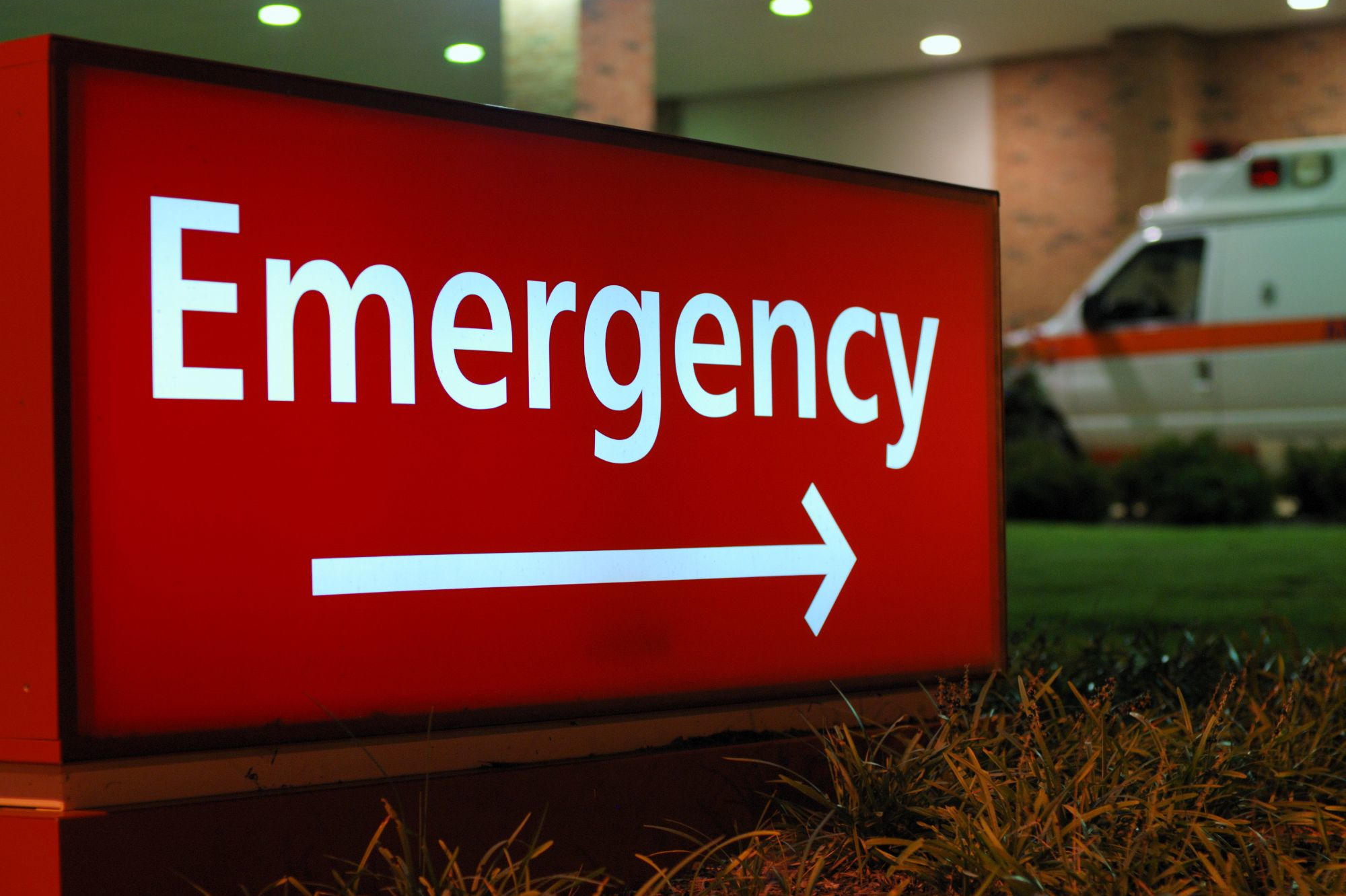
A surge in girls’ visits drove the trend, fueling longer waits for inpatient care.
During the second year of the COVID-19 pandemic, there was a significant rise in the number of young Americans seeking emergency hospital care for mental health crises. This was revealed in a study by researchers at the Department of Health Care Policy, Blavatnik Institute, Harvard Medical School, and published in JAMA Psychiatry.
Rising Mental Health Emergencies Among Youth
Amid escalating concerns over a youth mental health crisis, these results offer critical insights into acute medical service use by young people facing mental health issues like self-harm and suicide attempts.
The findings, the researchers said, highlight the critical need for policies to increase resources for mental health for all aspects of care, including emergency departments, inpatient pediatric mental health facilities, primary care, and prevention.
“The bottom line is that as a society, we need to do more to protect the mental health and wellbeing of our young people,” said Haiden Huskamp, Henry J. Kaiser Professor of Health Care Policy at HMS.
Pandemic Aggravates Existing Mental Health Issues
Numerous reports have noted that the stress and isolation of the COVID-19 pandemic have exacerbated what US Surgeon General Vivek Murthy has described as a crisis of adolescent mental health.
And the trend is not new, as numerous studies have shown. The suicide rate among young people increased by 57 percent in the decade before the pandemic, compared with the preceding decade. With increasing prevalence of mental illness among youth and a chronic lack of providers, the mental health care system has been stressed for a long time, the researchers said.
The pandemic helped bring those festering problems to a head, the authors said. The multiple and compounding stressors of COVID-19 have taken a grave toll on the mental health of a whole generation of young people and are taxing a mental health care system that’s already stretched to capacity, they said.
“One of the most concerning findings was the dramatic increase in the number of adolescents waiting multiple days in the emergency room before being admitted to facilities that can provide the level of treatment they need,” said Huskamp.
Alarming Trends in Adolescent Mental Health Services
For their analysis, the researchers looked at private health insurance claims submitted between March 2019 and February 2022 for more than 4 million people between the ages of 5 and 17. The researchers compared numbers and outcomes of emergency department visits related to mental health conditions from the year before the COVID-19 pandemic (March 2019 to February 2020) with data from the second year of the pandemic (March 2021 to February 2022).
The young people in the study sample were 7 percent more likely to have had an ED visit for mental health in the second year of the pandemic than they were in the 12 months prior to the pandemic. The overall increase was driven by a dramatic surge in emergency department visits among adolescent girls, who were 22 percent more likely to have an emergency room visit during the second year of the pandemic compared with the year before the virus hit.
“One surprising and concerning finding was that the increase in ED visits was largely driven by girls who came to the hospital for conditions such as suicidal thoughts or plans, suicide attempts, and self-harm,” first author Lindsay Overhage, an HMS MD/PhD student with an interest in mental health policy, said. “It’s critical that we do all we can to prevent these serious illnesses and to treat those who are suffering.”
Overall, the likelihood that a child who visited the ED for mental health care would be admitted to an inpatient mental health program increased by 8 percent in the second year of the pandemic, relative to the year before the outbreak. The number of young people who spent at least two days waiting to be admitted from the ED to an inpatient psychiatric service increased by 76 percent.
Critical Approaches to Addressing the Youth Mental Health Crisis
The findings underscore an urgent need to identify and relieve the underlying stresses that are driving this steep rise in depression, anxiety, self-harm, and other serious mental health problems among young people in an effort to prevent suffering, the researchers said. These efforts, they added, must include research to help understand why girls have been affected worse than boys.
The study also highlights the importance of working rapidly to increase inpatient and outpatient child psychiatry capacity to give young people in crisis the care that they need and to reduce the strain on the acute mental health care system, the researchers said. The researchers point to a variety of ways to address this problem including improving inpatient capacity, increasing the availability of mental health providers, preventing and fighting burnout among mental health care providers, and supporting non-specialist primary care and emergency care clinicians who provide mental health care.
Promising Treatments
For children in crisis now, the researchers note that there are promising treatments that can be delivered in emergency departments, in person, or using telemedicine. These therapies may reduce the need for hospital admissions or at least allow patients to begin some effective treatment while they are waiting for a spot in an inpatient program.
For more on this study, see Unseen Impact of COVID Pandemic: Youth Mental Health Emergencies on the Rise.
Reference: “Trends in Acute Care Use for Mental Health Conditions Among Youth During the COVID-19 Pandemic” by Lindsay Overhage, Ruth Hailu, Alisa B. Busch, Ateev Mehrotra, Kenneth A. Michelson, Haiden A. Huskamp, 12 July 2023, JAMA Psychiatry.
DOI: 10.1001/jamapsychiatry.2023.2195
Additional authors included Ruth Hailu, Alisa B. Busch, Ateev Mehrotra, and Kenneth Michelson of HMS.
The study was supported by the National Institute of Mental Health (R01 MH112829 and T32 MH019733), Agency for Healthcare Research and Quality (K08HS026503), and the National Institute of Aging (T32AG51108).
Never miss a breakthrough: Join the SciTechDaily newsletter.
Follow us on Google and Google News.