

A new multicenter European study that assessed the burden of itch on dermatological patients’ psychological wellbeing is reported in the Journal of Investigative Dermatology.
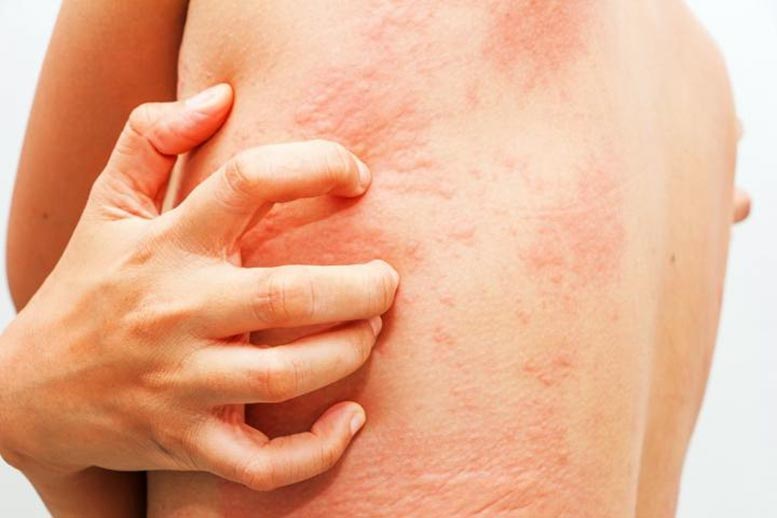
Itch is a very common symptom in patients suffering from skin diseases. In a new multicenter cross-sectional study on the psychological burden of itch in the Journal of Investigative Dermatology, published by Elsevier, investigators report that the presence of itch in dermatological patients was significantly associated with clinical depression, suicidal ideation, and stress. They recommend providing patients with access to a multidisciplinary team to prevent and manage problems associated with itch.
The burden of itch has already been described in conjunction with a number of specific skin diseases including hand eczema; psoriasis; nodular prurigo (a skin disease that causes hard, itchy lumps to form on the skin); hidradenitis suppurativa (a painful, long-term skin condition that causes abscesses and scarring on the skin) among hemodialysis patients; and in chronic itch patients in general.
“Our research shows that itch has a high impact on quality of life.” — Florence J. Dalgard
“There are already studies showing evidence of a correlation between itch and mental health problems in general, and in specific skin disorders, but there is a lack of a cross-sectional study across chronic skin diseases,” explained lead investigator Florence J. Dalgard, MD, Ph.D., Department of Dermatology and Venereology, Skåne University Hospital, Lund University, Malmö, Sweden.
Part of a large European multicenter study conducted by the European Society for Dermatology and Psychiatry (ESDaP), the present study compared the psychological burden of disease and health-related quality of life between dermatological patients with itch and those without itch, as well as with healthy controls.
Investigators collected data from dermatological clinics in 13 European countries on 3,530 patients with skin diseases and compared the results with more than 1,000 healthy controls. Patients completed questionnaires and were also examined clinically. Outcome measures included the presence, chronicity, and intensity of itch; the Hospital Anxiety and Depression Scale; sociodemographics; suicidal ideation, and stress, including negative life events; and economic difficulties.
The prevalence of itch in dermatological conditions was nearly 90 percent in prurigo and related conditions; 86 percent in atopic dermatitis; 82 percent in hand eczema; 78 percent in other eczema; 76 percent in urticarial; and 70 percent in psoriasis.
The prevalence of depression was 14 percent in patients with itch compared to 5.7 percent in patients without itch, six percent in controls with itch, and three percent in controls without itch. The prevalence of suicidal thoughts was 15.7 percent in patients with itch, nine percent in patients without itch,18.6 percent in controls with itch and 8.6 percent in controls without itch. The reported occurrence of stressful life events was higher in individuals with itch than in those without itch. Patients with itch were also likely to experience more economic problems.
“Our research shows that itch has a high impact on quality of life,” commented Dr. Dalgard. “This study illustrates the burden of the symptom of itch and its multidimensional aspect. The management of patients with itch should involve access to a multidisciplinary team when necessary, as is already the case in several European countries.”
The investigators also recommend preventive measures, such as psoriasis education programs or targeted web-based information. In many chronic inflammatory skin disorders, early aggressive treatment tailored specifically for the patient might help to reduce itch at the earliest possible opportunity and prevent the development of mental health problems. Existing anti-itch interventions should be implemented more frequently in the routine care of dermatological patients.
Reference: “Itch and Mental Health in Dermatological Patients across Europe: A Cross-Sectional Study in 13 Countries” by Florence J. Dalgard, Åke Svensson, Jon Anders Halvorsen, Uwe Gieler, Christina Schut, Lucia Tomas-Aragones, Lars Lien, Francoise Poot, Gregor B.E. Jemec, Laurent Misery, Csanad Szabo, Dennis Linder, Francesca Sampogna, Saskia Spillekom-van Koulil, Flora Balieva, Jacek C. Szepietowski, Andrey Lvov, Servando E. Marron, Ilknur K. Altunay, Andrew Y. Finlay, Sam Salek and Jörg Kupfer, 3 September 2019, Journal of Investigative Dermatology.
DOI: 10.1016/j.jid.2019.05.034
Never miss a breakthrough: Join the SciTechDaily newsletter.
Follow us on Google and Google News.
1 Comment
I have three children with eczema and this is very concerning to me. That’s why I took it upon myself to control their eczema even though doctors couldn’t figure out how. I noticed that my children’s eczema is highly related to food allergies. I have changed their diet and documented their progress on my online journal. So far, they’re doing better. Thanks for this article. I have more reason to be vigilant about their eczema since there’s increased risk of anxiety/depression.
Jamie
myitchychild.com – wellness for eczema