
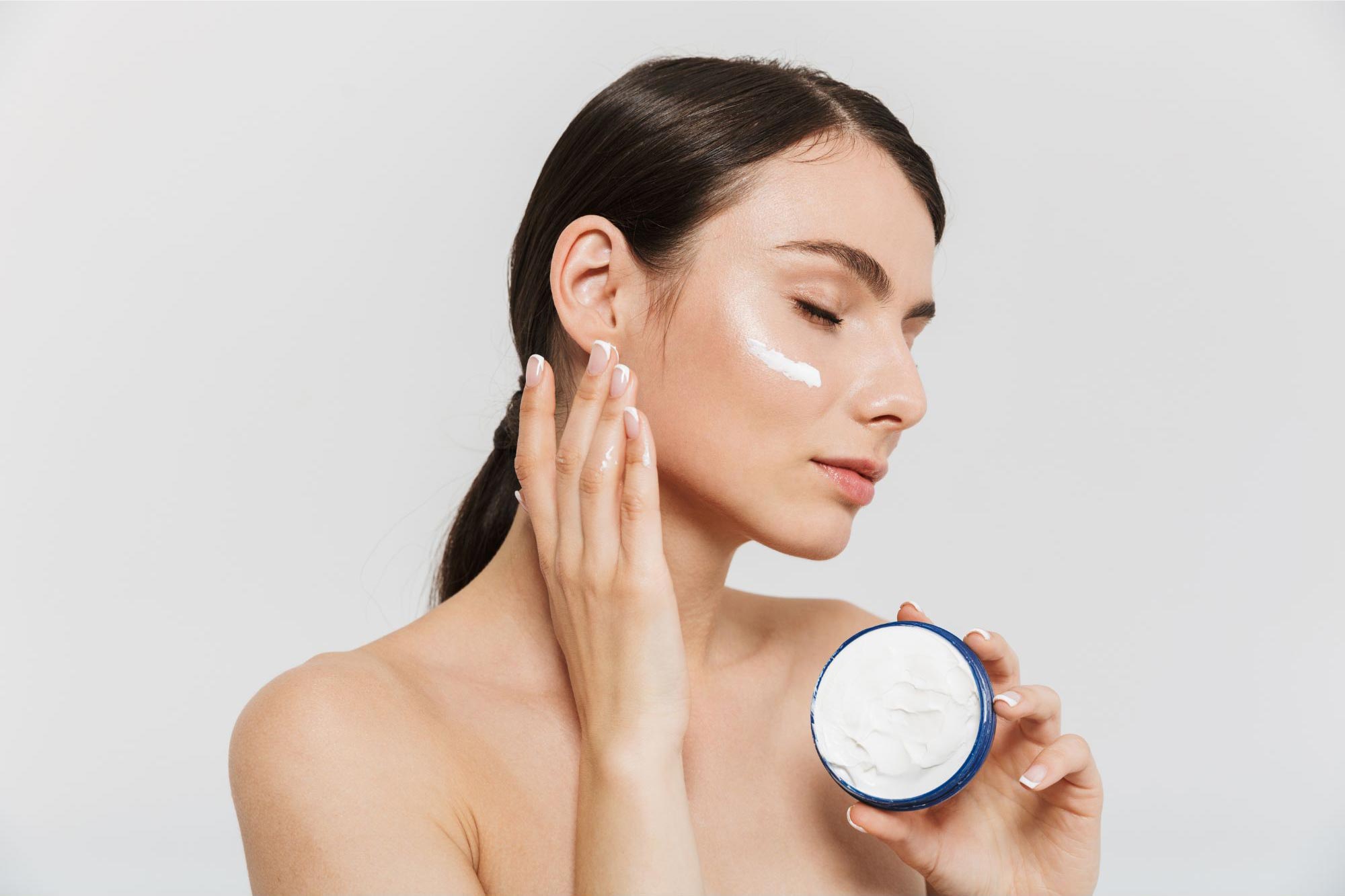
The first study to investigate this type of video content has found that it may increase the risk of lifelong skin allergies in teenagers.
When teens on TikTok say, “Get ready with me,” they may be doing more harm than they realize.
In the first peer-reviewed study to explore the risks and benefits of teen skincare routines shared on social media, researchers at Northwestern Medicine found that girls ages 7 to 18 use an average of six different facial products. Some girls use more than a dozen. These products are often heavily marketed to younger consumers and pose a high risk of skin irritation and allergic reactions, the study found.
The findings were recently published in the journal Pediatrics.
The average daily skincare routine costs around $168 per month, with some regimens totaling more than $500. As summer approaches, the authors warn that only 26% of daytime skincare routines include sunscreen—widely regarded as the most important skincare product for all ages, especially for children.
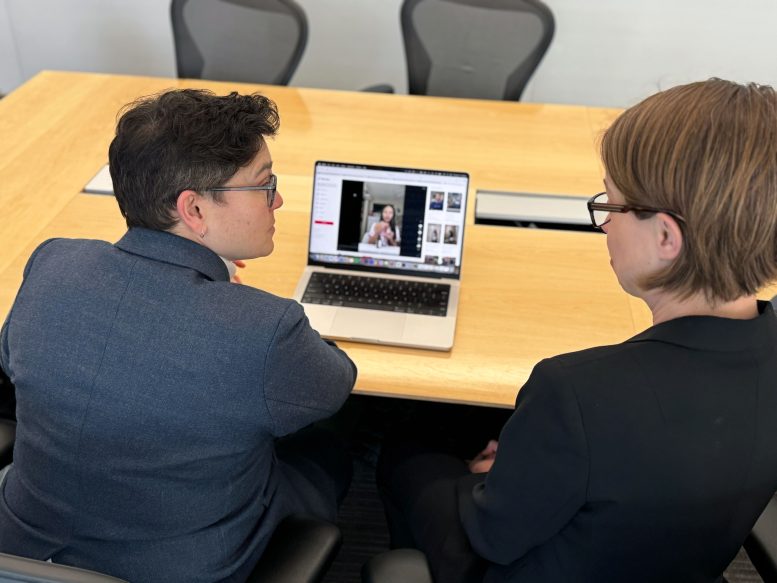
The most-viewed videos featured an average of 11 active ingredients known to cause irritation. These can increase the risk of sun sensitivity and a skin condition called allergic contact dermatitis. Previous research has shown that developing this type of allergy can permanently limit which soaps, shampoos, and cosmetics a person can use.
“That high risk of irritation came from both using multiple active ingredients at the same time, such as hydroxy acids, as well as applying the same active ingredient unknowingly over and over again when that active ingredient was found in three, four, five different products,” said corresponding author Dr. Molly Hales, a postdoctoral research fellow and board-certified dermatologist in the department of dermatology at Northwestern University Feinberg School of Medicine.
For example, in one video included in the study, the content creator applied 10 products on her face in six minutes.
“As she’s applying the products, she begins to express discomfort and burning, and in the final few minutes, she develops a visible skin reaction,” said senior author Dr. Tara Lagu, adjunct lecturer of medicine and medical social sciences at Feinberg and a former Northwestern Medicine hospitalist.
Videos ‘emphasized lighter, brighter skin’
“We saw that there was preferential, encoded racial language in some cases that really emphasized lighter, brighter skin,” Lagu said. “I think there also were real associations between use of these regimens and consumerism.”
These videos offer little to no benefit for the pediatric populations they’re targeting, the study authors concluded. What’s more, given how the algorithms work, it’s nearly impossible for parents or pediatricians to track exactly what children or adolescents are viewing. Lastly, there are dangers beyond skin damage, Hales said.
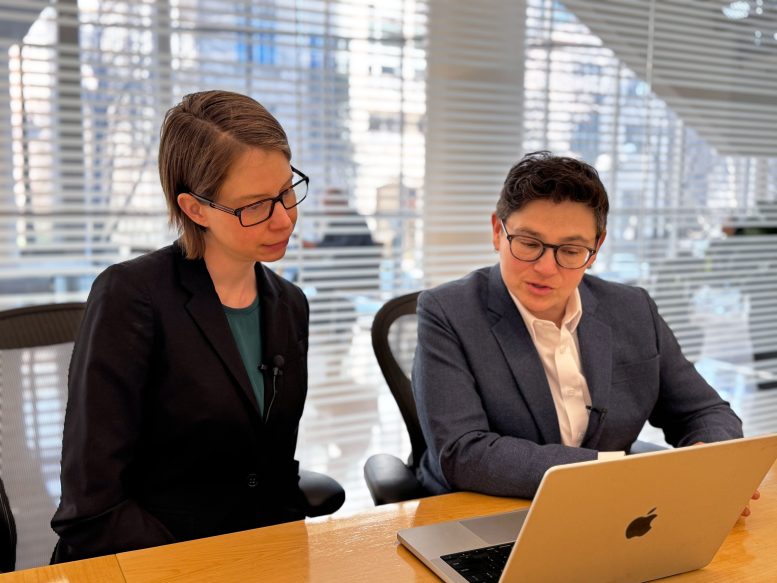
“It’s problematic to show girls devoting this much time and attention to their skin,” Hales said. “We’re setting a very high standard for these girls. The pursuit of health has become a kind of virtue in our society, but the ideal of ‘health’ is also very wrapped up in ideals of beauty, thinness, and whiteness. The insidious thing about ‘skin care’ is that it claims to be about health.”
Studying teens in the TikTok environment
In the study, Hales and another researcher each created a new TikTok account, reporting themselves to be 13 years old. The “For You” tab was used to view relevant content until 100 unique videos were compiled. They collected demographics of content creators, number and types of products used, and total cost of regimens and then created a list of products used and their active and inactive ingredients. The Pediatric Baseline Series used in patch testing was used to identify ingredients with an elevated risk of inducing allergic contact dermatitis.
Reference: “Pediatric Skin Care Regimens on TikTok ” by Molly Hales, Sarah Rigali, Amy Paller, Walter Liszewski and Tara Lagu, 9 June 2025, PEDIATRICS.
DOI: 10.1542/peds.2024-070309
Funding for the study was provided by the National Institute of Arthritis and Musculoskeletal and Skin Diseases of the National Institutes of Health (grant number 5T32AR060710-11).
Never miss a breakthrough: Join the SciTechDaily newsletter.
Follow us on Google and Google News.