
Close Menu
    Facebook X (Twitter) Instagram
    SciTechDaily
    • Biology
    • Chemistry
    • Earth
    • Health
    • Physics
    • Science
    • Space
    • Technology
    Facebook X (Twitter) Pinterest YouTube RSS
    SciTechDaily
    Home»Health»Study of 2 Million People Reveals No Link Between Drinking Milk and Increased Cholesterol
    Health

    Study of 2 Million People Reveals No Link Between Drinking Milk and Increased Cholesterol

    By University of ReadingMay 27, 2021No Comments3 Mins Read
    Facebook Twitter Pinterest Telegram LinkedIn WhatsApp Email Reddit
    Share
    Facebook Twitter LinkedIn Pinterest Telegram Email Reddit
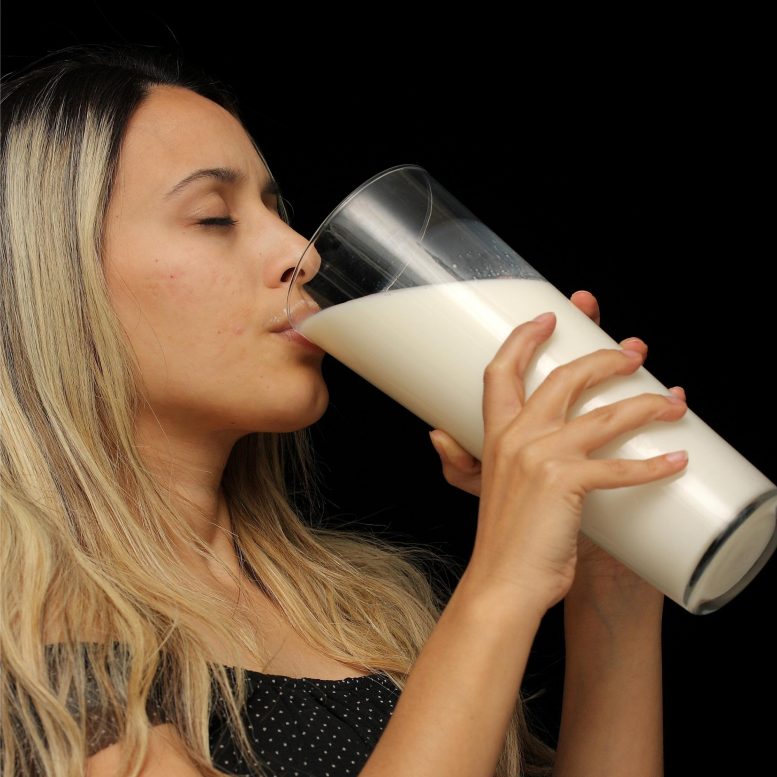
    Woman Drinking Milk
    Study found that people who regularly drank high amounts of milk had lower levels of both good and bad cholesterol,

    Regular consumption of milk is not associated with increased levels of cholesterol, according to new research.

    A study published in the International Journal of Obesity looked at three large population studies and found that people who regularly drank high amounts of milk had lower levels of both good and bad cholesterol, although their BMI levels were higher than non-milk drinkers. Further analysis of other large studies also suggests that those who regularly consumed milk had a 14% lower risk of coronary heart disease.

    The team of researchers took a genetic approach to milk consumption by looking at a variation in the lactase gene associated with digestion of milk sugars known as lactose.

    The study identified that having the genetic variation where people can digest lactose was a good way to identify people who consumed higher levels of milk.

    Higher BMI but Better Cholesterol Profiles

    Prof Vimal Karani, Professor of Nutrigenetics and Nutrigenomics at the University of Reading said:

    “We found that among participants with a genetic variation that we associated with higher milk intake, they had higher BMI, body fat, but importantly had lower levels of good and bad cholesterol. We also found that those with the genetic variation had a significantly lower risk of coronary heart disease. All of this suggests that reducing the intake of milk might not be necessary for preventing cardiovascular diseases.”

    The new research was conducted following several contradictory studies that have previously investigated the causal link between higher dairy intake and cardiometabolic diseases such as obesity and diabetes. To account for inconsistencies in sampling size, ethnicity, and other factors, the team conducted a meta-analysis of data in up to 1.9 million people and used the genetic approach to avoid confounding.

    No Clear Link Found Between Milk and Diabetes

    Even though the UK biobank data showed that those with the lactase genetic variation had 11% lower risk of type 2 diabetes, the study did not suggest that there is any strong evidence for a link between higher milk intake and increased likelihood of diabetes or its related traits such as glucose and inflammatory biomarkers.

    Professor Karani said:

    “The study certainly shows that milk consumption is not a significant issue for cardiovascular disease risk even though there was a small rise in BMI and body fat among milk drinkers. What we do note in the study is that it remains unclear whether it is the fat content in dairy products that is contributing to the lower cholesterol levels or it is due to an unknown ‘milk factor.'”

    Reference: “Evidence for a causal association between milk intake and cardiometabolic disease outcomes using a two-sample Mendelian Randomization analysis in up to 1,904,220 individuals” by Karani Santhanakrishnan Vimaleswaran, Ang Zhou, Alana Cavadino and Elina Hyppönen, 24 May 2021, International Journal of Obesity.
    DOI: 10.1038/s41366-021-00841-2

    The team from the University of Reading, University of South Australia, Southern Australian Health and Medical Research Institute, University College London, and University of Auckland worked together on the study.

    Never miss a breakthrough: Join the SciTechDaily newsletter.
    Follow us on Google and Google News.

    Cholesterol Genetics Nutrition University of Reading
    Share. Facebook Twitter Pinterest LinkedIn Email Reddit

    Related Articles

    Genetic Risk of Heart Disease May Be Due to Low Omega 3-Linked Biomarker Found in Fish Oils

    Groundbreaking New Study Compares Vegan and Mediterranean Diets for Weight Loss and Cholesterol Control

    Scientists Discover a Gene to Stay Thin – Protects Against Diet-Induced Obesity

    High Flavanol Diet (From Tea, Apples, Berries) May Lead to Lower Blood Pressure

    Most Widely Used Cooking Oil Causes Genetic Changes in the Brain

    Caffeine May Be the Way to Offset Health Risks of High in Fat, Sugar Diets

    Heart Healthy Benefits From Avocado – Just One a Day Helps Lower ‘Bad’ Cholesterol

    Study Shows Plant Protein and Nuts Lower Cholesterol, Improve Blood Pressure

    Harvard Researchers Explain the Reason for Genetic Obesity

    Leave A Reply Cancel Reply

    • Facebook
    • Twitter
    • Pinterest
    • YouTube

    Don't Miss a Discovery

    Subscribe for the Latest in Science & Tech!

    Trending News

    Scientists Recreate a Nuclear Fireball and Uncover Fallout’s Hidden Chemistry

    These Tiny Gut Particles Could Be Accelerating Aging Throughout the Body

    Doctors Changed One Thing and Weight Gain Stopped

    Magnetic Fields May Solve a Longstanding Binary Star Mystery

    The Probiotic Breakthrough for Natural Anxiety Relief and Better Mental Health

    Animal vs. Plant Protein: Scientists Found a Surprising Nutritional Difference

    According to Scientists, This Simple Dietary Change Is Linked to Lower Depression Scores

    Researchers Discover a Hidden Vitamin D Problem That Persists Year-Round

    Follow SciTechDaily
    • Facebook
    • Twitter
    • YouTube
    • Pinterest
    • Newsletter
    • RSS
    SciTech News
    • Biology News
    • Chemistry News
    • Earth News
    • Health News
    • Physics News
    • Science News
    • Space News
    • Technology News
    Recent Posts
    • Scientists Uncover Why Walking Gets Slower and More Exhausting As We Age
    • 24 Hours Without Sleep Changes Your Saliva in Measurable Ways
    • A Major Update Just Hit Cholesterol Guidelines – Here’s What Every Adult Needs To Know
    • Scientists Tracked 4,500 Animals During COVID – What They Discovered Was Surprising
    • Hidden Phase of Matter Finally Captured After Decades of Predictions
    Copyright © 1998 - 2026 SciTechDaily. All Rights Reserved.
    • Science News
    • About
    • Contact
    • Editorial Board
    • Privacy Policy
    • Terms of Use

    Type above and press Enter to search. Press Esc to cancel.