
Research in Finland reveals that cutting discretionary foods and rebalancing protein sources could substantially reduce environmental impacts while improving diet quality.
A significant portion of the environmental footprint linked to food purchases in Finland comes from discretionary items that are often low in nutritional value. At the same time, households appear to allocate similar amounts of money to their main protein sources relative to the total energy content of their purchases, even when those protein sources differ widely.
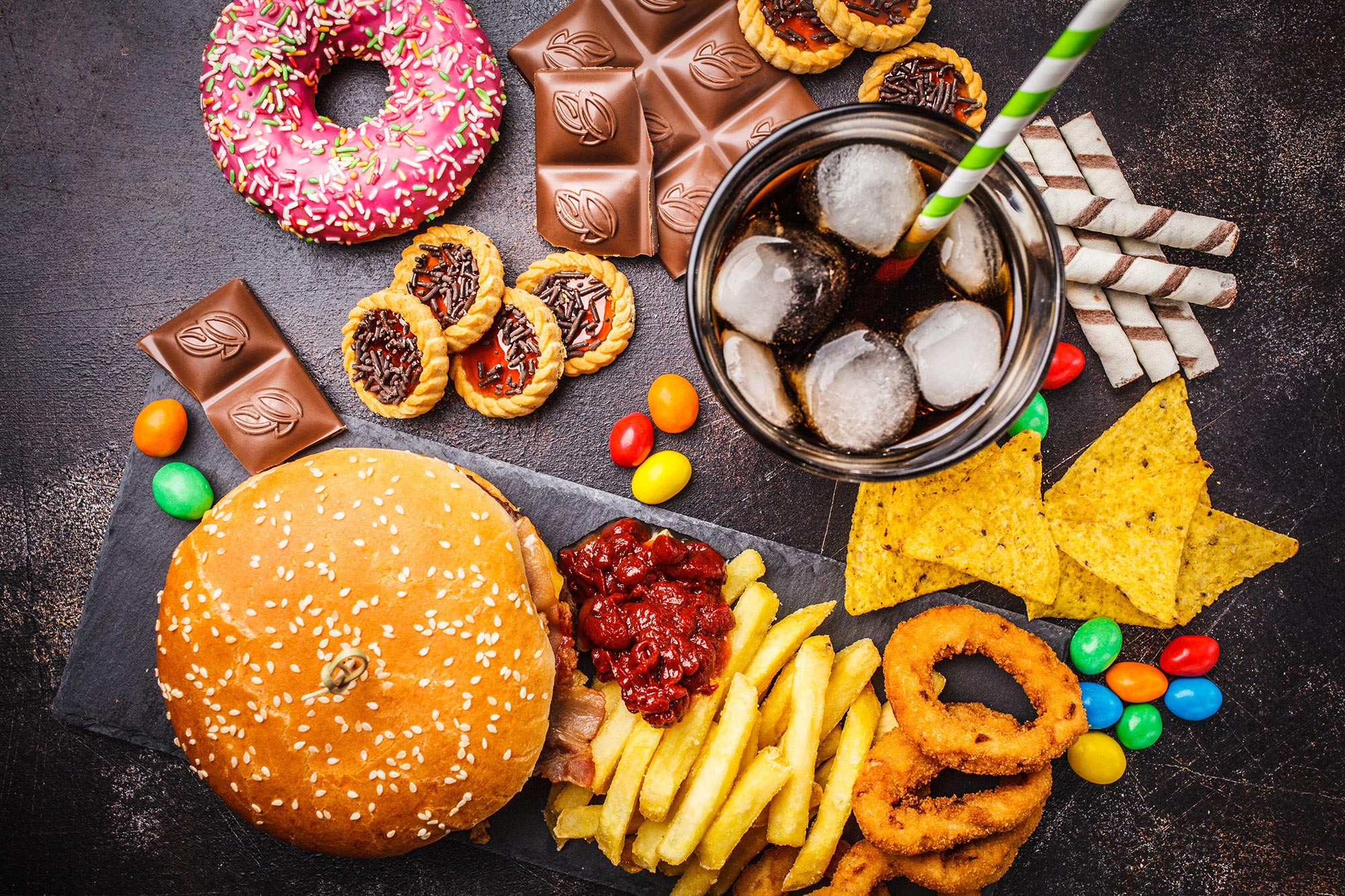
According to a recent study, nearly 20 percent of all food spending in Finland goes toward discretionary products. This group includes candy, sweet pastries, desserts, savory snacks, sugar and other sweeteners, soft drinks, both sweetened and unsweetened, juices, alcoholic beverages, cocoa, coffee, and tea.
Researchers from the University of Helsinki, Tampere University, and the Natural Resources Institute Finland analyzed grocery purchases from almost 30,000 members of the Finnish S Group retail cooperative who agreed to take part. The team compared households based on their preferred protein sources, such as red meat, poultry, fish, or plant-based proteins, to assess differences in spending patterns, nutritional quality, and environmental effects.
Discretionary foods drive hidden impacts
Discretionary foods represented about one-fifth of total food spending across all groups, regardless of whether households favored meat or plant proteins. Despite often being viewed as minor extras, these items accounted for more than one-fifth of the average climate impact associated with food purchases. They also contributed to freshwater and marine eutrophication, as well as land and water use. Similar patterns have been observed in studies conducted in countries including Australia and Sweden.
What makes these findings especially important is that many discretionary products have a relatively low environmental impact per kilogram. However, because they are purchased so frequently and in substantial quantities, their overall environmental burden becomes significant.
“The discussion on reducing the carbon footprint should also encompass discretionary foods alongside foods derived from animals. Reducing discretionary foods would also improve the nutritional quality of purchases, as they amounted to almost 20% of the energy content and 60% of the added sugar,” says University Researcher Jelena Meinilä from the University of Helsinki.
Protein choices cost about the same
The researchers also examined spending on protein sources in relation to dietary energy. They found that the cost per 2,500 kcal from protein was nearly identical across groups, even though the composition of those protein sources varied greatly. Households that favored red meat spent €1.6 per 2,500 kcal on protein, with 46 percent of that amount going to red meat. In contrast, those who preferred plant-based proteins spent €1.5 per 2,500 kcal, and only 1 percent of their protein budget was allocated to red meat.
“This suggests that a health-promoting and environmentally friendly transition towards fish and plants as protein sources is not primarily about price,” Meinilä says.
Nutritional differences between groups were also evident. Purchases in plant-focused households contained higher levels of fiber, folate, and iron, along with lower amounts of saturated fat and salt. However, vitamin B12 and D levels were lower compared with households that chose other protein sources. The highest levels of these vitamins were observed in households that favored fish, supporting the idea that sustainably sourced fish can play a valuable role in balanced diets.
The researchers stress that improving dietary health and reducing environmental impacts cannot rely solely on individual decisions. Broader structural changes are needed. Product availability, store layout, and pricing strategies should make environmentally sustainable and nutritionally sound options easier to choose. The updated Nordic and Finnish nutrition recommendations offer a strong framework for guiding both supply and consumer demand in that direction.
Reference: “Discretionary foods have notable environmental and expenditure relevance across meat and plant protein preferences” by Jelena Meinilä, Rachel Mazac, Henna Vepsäläinen, Juha-Matti Katajajuuri, Hanna L. Tuomisto, Mikael Fogelholm, Maijaliisa Erkkola and Jaakko Nevalainen, 20 January 2026, npj Science of Food.
DOI: 10.1038/s41538-026-00721-x
Funding for the project is provided by the Research Council of Finland.
Never miss a breakthrough: Join the SciTechDaily newsletter.
Follow us on Google and Google News.
1 Comment
We have to give up snack foods, cars and aeroplane travel to save the planet ? No way! We are Homo sapiens